Avocados are the undisputed superstar of modern-day cuisine. Whether it’s adorning your morning toast or blending into creamy guacamole, this versatile fruit has found its way into kitchens across the globe.
However, beyond their rich flavor and creamy texture, there’s so much more to discover.
In this article, we delve into some lesser-known and downright weird facts about the avocado that will make you see it in an entirely new light.
Avocados- A Fruit, Not a Vegetable
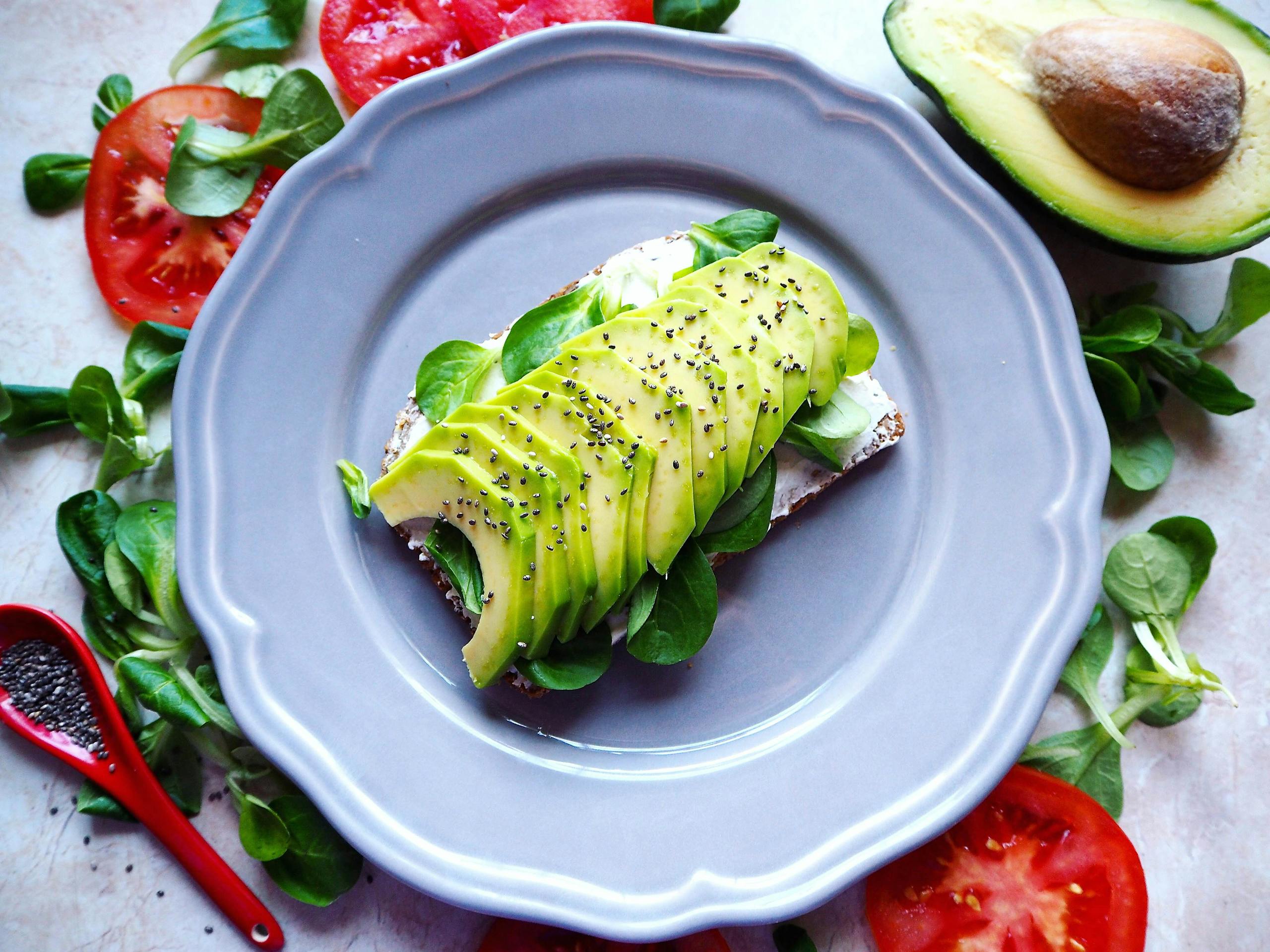
You might be under the impression that avocados are vegetables, but they are, in fact, fruits! Specifically, avocados are classified as large berries with a single seed, known as a pit or stone.
This technicality might sound trivial, but understanding the fruit’s classification enriches our appreciation of this creamy delight. While we often associate avocados with savory dishes, they offer far more than just a healthy fat source.
Avocados Are Poisonous to Some Animals
Although avocados are a superfood for humans, they can be toxic to several animals. The culprit behind this toxicity is a compound called persin, a fungicidal toxin that doesn’t harm humans but can be dangerous to animals such as birds, goats, cows, and even fish.
While it’s safe for humans to enjoy a hearty serving of guacamole, we must be cautious when sharing our avocado feast with pets or farm animals.
Some animals may experience severe reactions, including vomiting and heart problems, making it a fruit to avoid for non-human creatures.
A Hair-Boosting Beauty Secret
Did you know avocados can do wonders for your hair? The rich fatty acids, vitamins, and minerals in avocados aren’t just good for your health; they also promote hair growth and hydration.
When applied topically as a hair mask, mashed avocado can deeply moisturize your scalp and strands, helping prevent dryness and stimulate hair growth.
Packed with vitamins A, D, and E, avocados are the unsung heroes of hair care. If you’re looking to nourish your locks naturally, avocados are a must-have in both your kitchen and bathroom.
The Long History of the Avocado
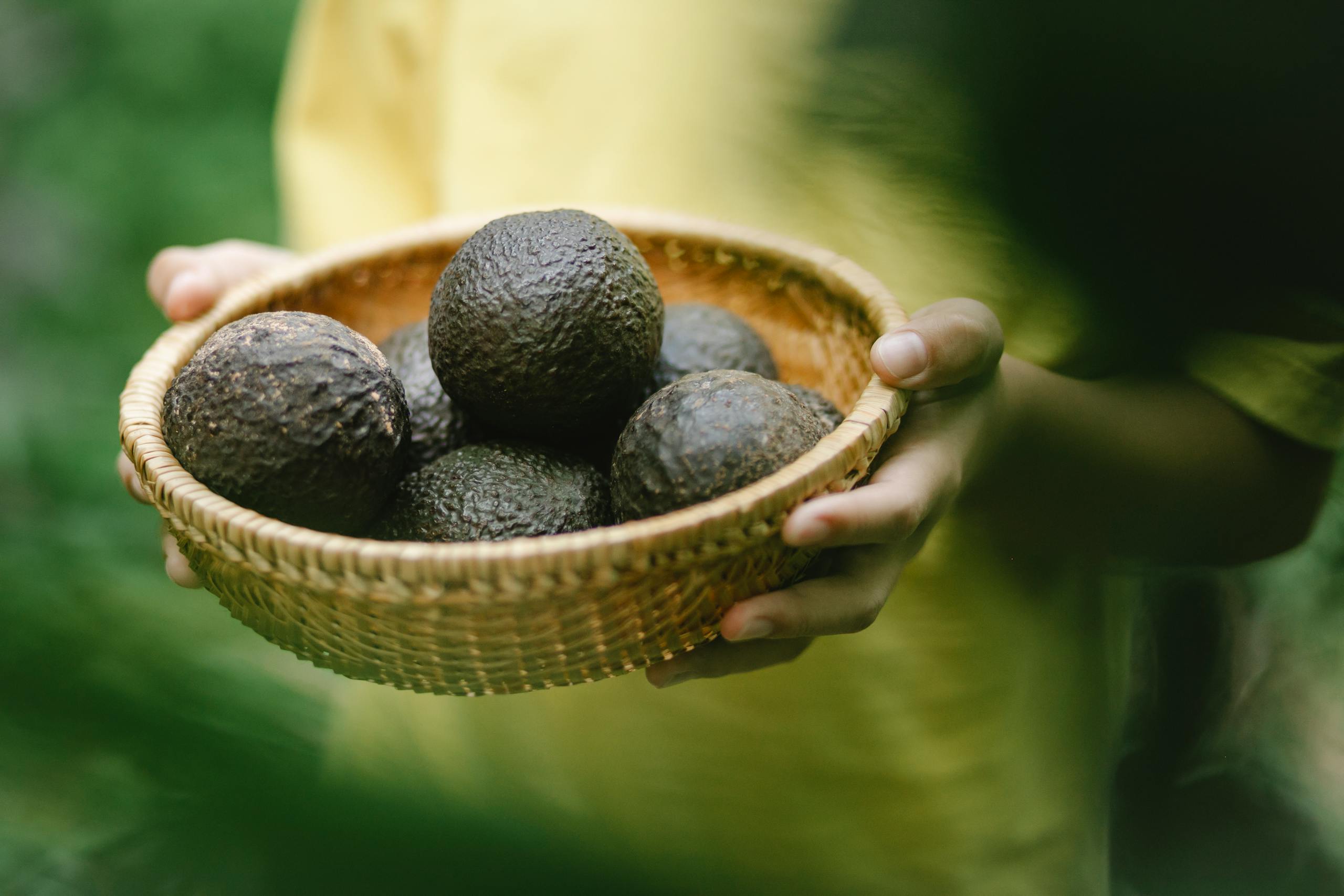
While avocados seem like a recent addition to the food scene, their history dates back centuries. Avocados were cultivated in Central and South America long before the Western world caught on to their allure.
The modern-day avocado, especially the widely loved Hass variety, was developed by Rudolph Hass in the early 1900s. His variety quickly gained popularity for its creamy texture, nutty flavor, and thick skin, which makes it easier for farmers to harvest.
Today, thanks to Mr. Hass’s efforts, avocados are available year-round, driving up demand and making them a key player in the global food market.
The Aphrodisiac Myth
The avocado has an intriguing reputation as an aphrodisiac, especially in Central and South America. The fruit’s original name, “ahuacate,” was derived from the Aztec word for “testicle,” likely due to its shape. For centuries, avocados were believed to have aphrodisiac qualities.
This reputation wasn’t helpful for avocado marketing in the United States, where the fruit was often viewed with suspicion.
However, in the modern era, avocados have shed their aphrodisiac connotation and emerged as a beloved, everyday food.
Mexico’s Avocado Cartels
In recent years, the global demand for avocados has led to a dark side of the fruit’s production—cartel involvement in Mexico. The Michoacán region, home to the majority of the world’s avocados, is known for producing high-quality fruits due to its perfect growing conditions.
Unfortunately, the lucrative avocado industry has also made it a target for criminal organizations. Cartels have been known to extort farmers, kidnap workers, and even burn avocado crops, making it a dangerous business for local growers.
The avocado trade is so profitable that criminal groups have turned it into a multi-million-dollar industry, overshadowing even drug trafficking in some areas.
The Alligator Pear- A Quirky Nickname
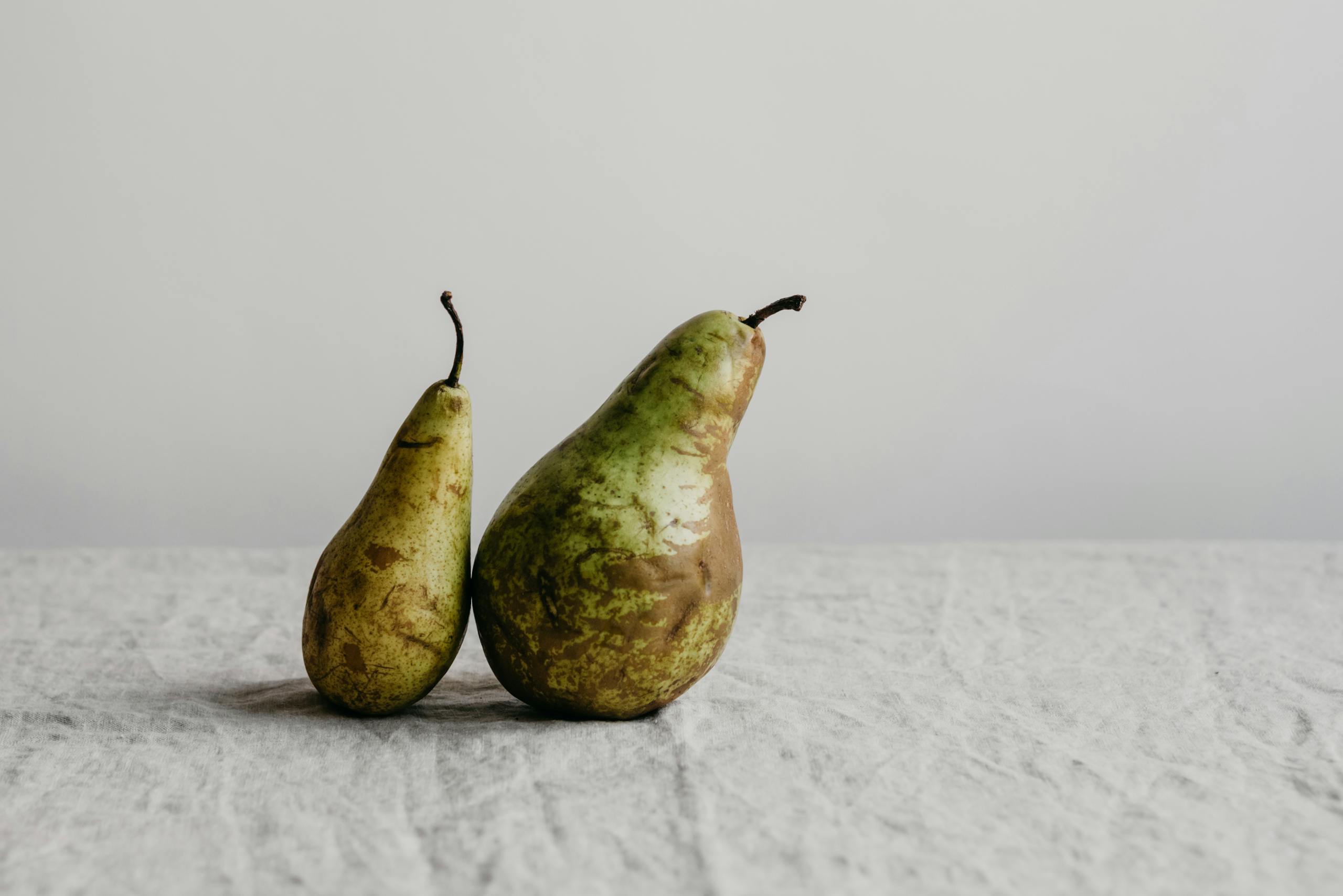
While the name “avocado” is the most commonly used, this fruit has a fascinating alternate name: the alligator pear. The term originated from the word “avogado,” which was an early English mispronunciation of “aguacate.”
This mix-up led to the amusing nickname, which refers to the avocado’s pear-like shape and its rough, green, alligator-skin-like skin.
While this name has mostly fallen out of common use, it’s still a fun fact to throw into your next avocado-related conversation.
Ripening Avocados with Friends
Want to speed up the ripening process for your avocado? The answer might be in your fruit bowl. Avocados naturally produce ethylene gas, a compound that triggers ripening.
By placing avocados in a paper bag with fruits like bananas, apples, or nectarines, you can accelerate their ripening. This method is especially handy when you need a ripe avocado in a pinch, but remember to check the fruit frequently to avoid over-ripening.
The combination of ethylene gas and a cozy environment speeds up avocado ripening, but the trade-off might be a subtle change in taste, depending on the method used.
The Great Avocado Debate
In 2017, a multimillionaire property developer sparked a nationwide debate by claiming that millennials’ avocado consumption was to blame for their inability to afford homes.
While the statement was made in jest, it highlights a real issue: the rising cost of living and the expense of trendy food items like avocados. A HSBC study found that 35% of U.S. millennials were homeowners, while the rest struggled to save for a down payment.
While the argument is exaggerated, it does raise an important conversation about our lifestyle choices and financial priorities.
Avocados as a Healthy Butter Substitute
For those looking to cut back on unhealthy fats, avocados offer a great alternative to butter in baked goods.
When used as a butter substitute in recipes like muffins and cakes, avocados can reduce calorie intake and lower saturated fat intake.
Avocados are also rich in healthy monounsaturated fats, which help lower cholesterol levels and improve heart health. By swapping out butter for avocado, bakers can create healthier, delicious treats without sacrificing flavor.
The Anti-Aging Benefits of Avocados
Avocados are not only delicious, but they’re also packed with nutrients that can benefit your skin. Rich in antioxidants like vitamins A and E, avocados help protect your skin from oxidative stress and support collagen production, which is essential for maintaining youthful, elastic skin.
Whether consumed in your diet or used topically as a face mask, avocados may help prevent premature aging by moisturizing and nourishing the skin. Add a bit of honey or yogurt to mashed avocado for an invigorating, natural skincare routine.
Conclusion
Avocados are more than just a trendy fruit. From their long and fascinating history to their role in modern culinary trends and even their dark side in cartel-related activities, the avocado has certainly earned its place as one of the most intriguing fruits in the world.
So, whether you’re spreading it on toast, adding it to your smoothie, or using it in your beauty routine, there’s no denying that the avocado is a multi-functional, fascinating superfruit.