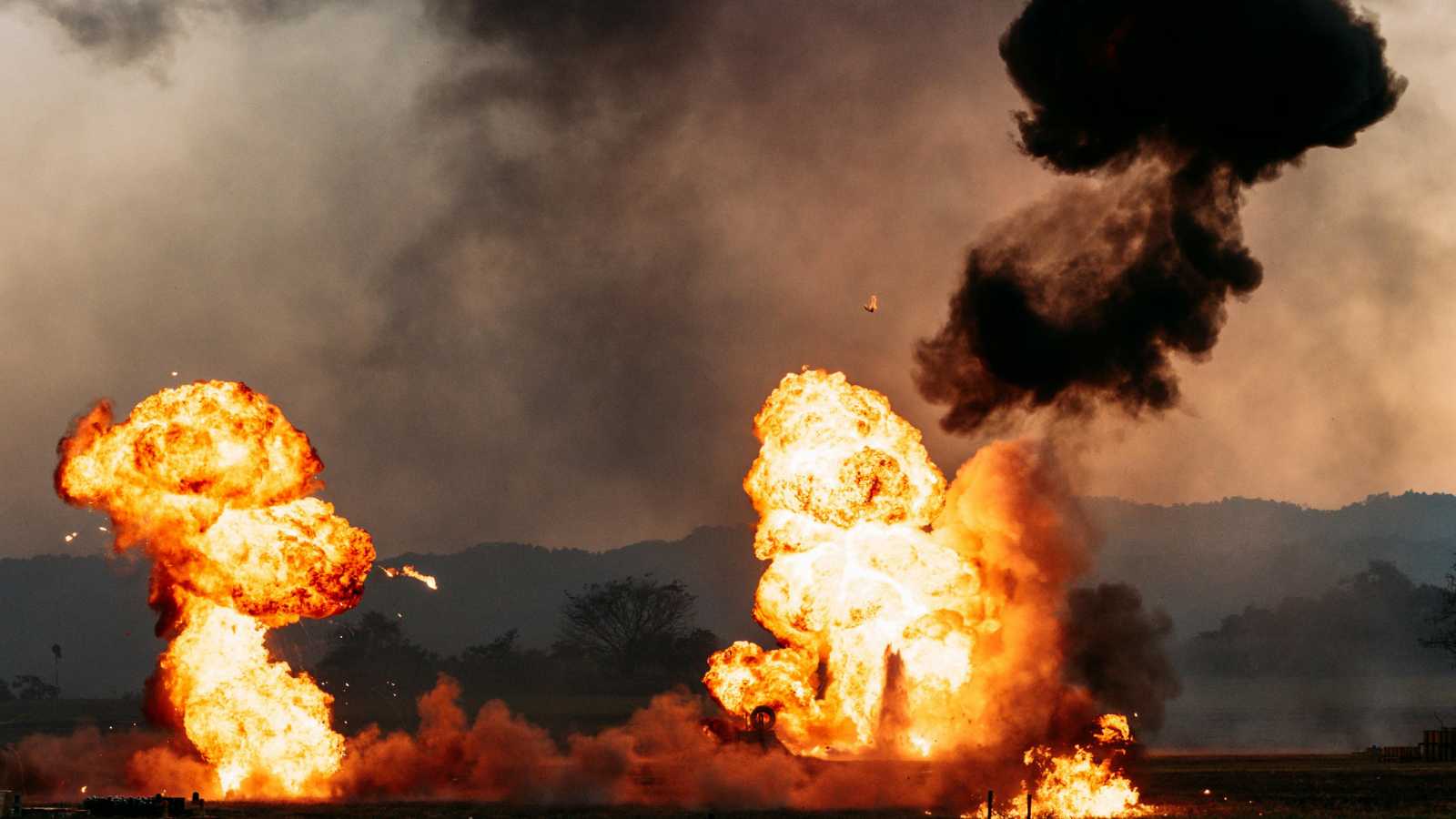
While hiking can offer a thrilling escape into nature, some trails are nothing short of deadly. These hikes not only put your physical limits to the test but also force you to face life-threatening challenges. From unstable ridges to vertical climbs with no safety precautions, these hikes are notorious for claiming lives and injuring adventurers every year.
If you’re planning your next hiking trip, you should seriously reconsider tackling these dangerous routes. These 9 treacherous hikes should be avoided at all costs unless you want to risk more than just your physical endurance.
Mount Fuji, Japan
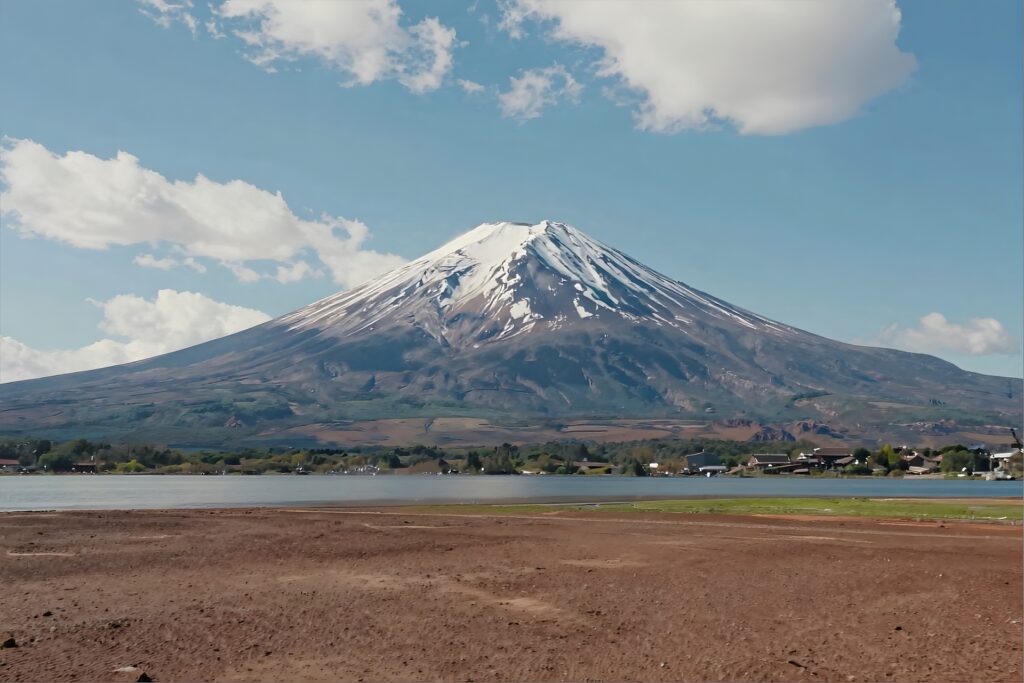
Mount Fuji, Japan’s tallest peak, may look majestic, but it is a mountain of death for those who fail to prepare. Altitude sickness strikes with little warning, storms come out of nowhere, and overcrowding can leave hikers exhausted and vulnerable. Despite its popularity, it’s easy to underestimate the risks, especially with the crowded “bullet climbs” that have led to multiple fatalities.
Kalalau Trail, Hawaii, USA
The Kalalau Trail on Kauai’s Nā Pali Coast may offer some of the most stunning views in the world, but it also doubles as a natural disaster waiting to happen. Flash floods and rockslides are common, with treacherous creek crossings turning into raging torrents when it rains. What was once a serene hike now becomes a death trap for those unprepared for its brutal conditions.
Mount Huashan Plank Walk, China
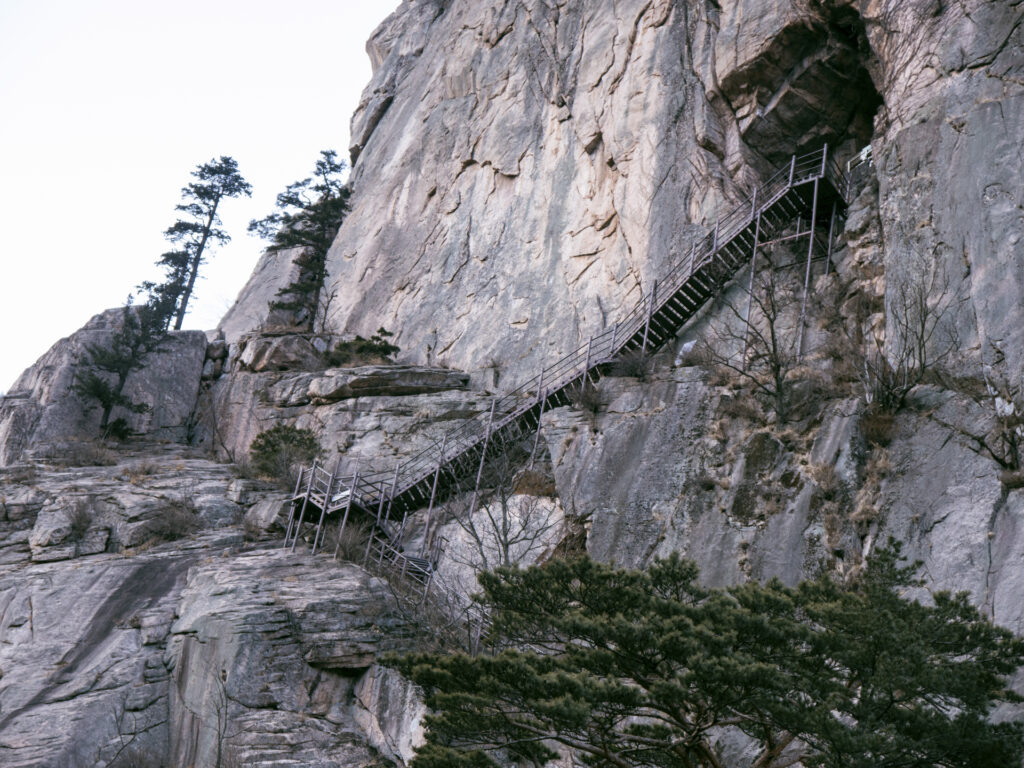
Mount Huashan’s plank walk is infamous for its vertigo-inducing heights and terrifying exposure. At 7,087 feet (2,160 meters), the path offers nothing but peril as you’re forced to walk across narrow wooden planks bolted into the rockface. Though safety harnesses were introduced in 2005, this hike remains one of the deadliest in the world. Each year, hikers continue to fall despite safety systems designed to prevent it. It’s not a matter of if danger will strike, but when.
El Caminito del Rey, Spain
Once dubbed “the world’s most dangerous walkway,” El Caminito del Rey is still far from safe despite its restoration. Originally built between 1901 and 1905 for dam construction, the wooden planks had decayed into a crumbling death trap by the 1990s. Though the path has been reinforced with steel walkways, the trail still demands a level of courage, or foolishness, that many are simply unprepared for. Only 300 tickets per day are available, but it’s difficult to see how anyone would consider the risk worth it.
Half Dome Cables Route, Yosemite, USA
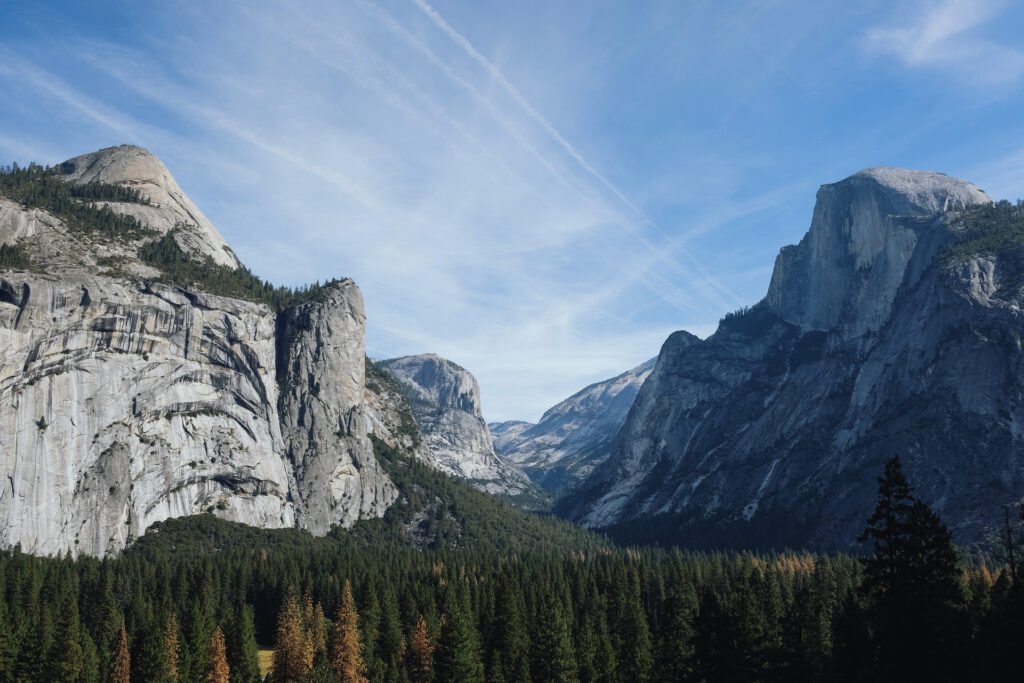
Half Dome’s cable route is one of the most iconic and most deadly hikes in America. While the 14-16 mile trek promises awe-inspiring views, the final ascent using the steel cables is far from safe. Every year, hikers fall or are struck by lightning. Despite the requirement for permits and proper preparation, deaths still occur regularly, proving that this hike is not for the faint of heart (or the inexperienced).
Barranco del Infierno, Tenerife, Spain
While Barranco del Infierno on Tenerife offers beautiful views, it’s also a volcanic gorge where danger lurks around every corner. The path is prone to rockfalls, and the steep terrain only adds to the hazard. Though helmets and restricted access can mitigate some risks, they don’t eliminate the inherent dangers of the terrain. You’re more likely to encounter disaster here than in most other places.
Orla Perć, Poland
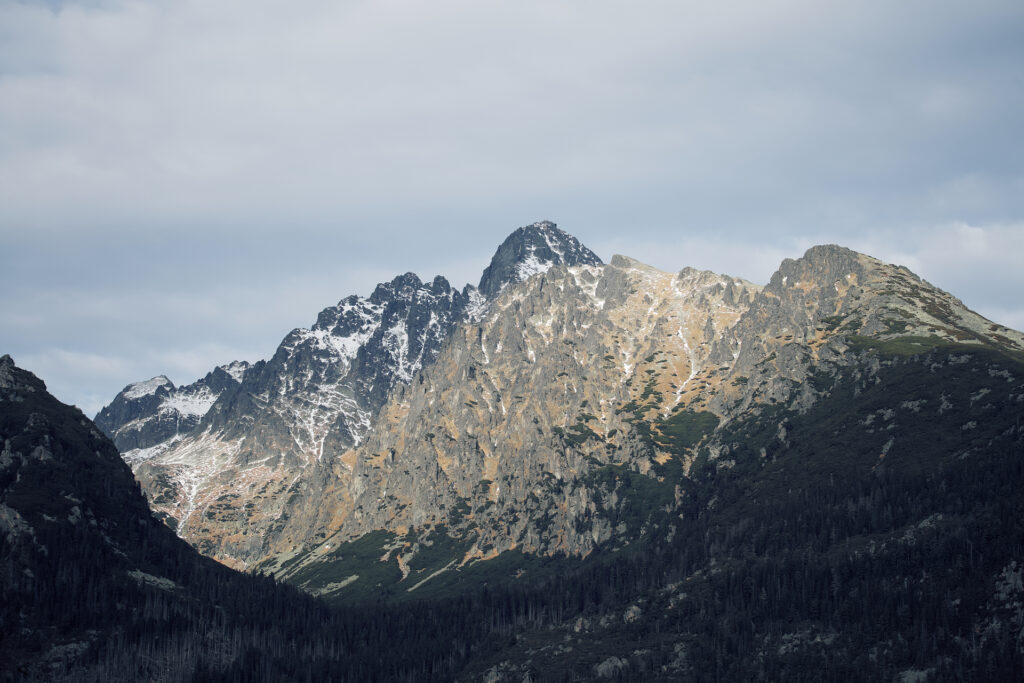
Orla Perć in Poland’s Tatra Mountains is one of the most treacherous hikes in Europe, with exposed ridges, steep drops, and ice-coated chains. The path has taken the lives of numerous hikers over the years. There’s no reason to attempt this unless you are fully equipped for a mountain-climbing disaster. This is no walk in the park; it’s a deadly struggle to survive.
Aonach Eagach Ridge, Scotland
Aonach Eagach Ridge in Glen Coe, Scotland, is not for anyone who values their safety. It is Britain’s narrowest ridge, notorious for its dangerous rock scrambling, which demands more than just basic climbing skills. The trail has claimed lives in the past, and hiking it under misty, wet conditions is simply asking for disaster. Only those who think they’re invincible should consider taking the risk.
The Maze, Canyonlands NP, USA
The Maze in Canyonlands National Park is a remote backcountry region that requires advanced navigation skills and self-sufficiency. The unmarked trails are not just difficult, they’re dangerous. Getting lost in this labyrinth could mean weeks of survival, with no easy way to get help. The lack of water, rugged terrain, and limited access to supplies make this hike a recipe for disaster.