Acid reflux can turn an ordinary meal into a long evening of chest burning, sour burps, throat irritation, and restless sleep. The problem often starts when stomach contents move upward into the esophagus, especially after a heavy meal, a late dinner, or foods that relax the lower esophageal sphincter, the muscle that helps keep stomach acid where it belongs. Occasional reflux can affect many people, but frequent reflux may indicate GERD, which can affect comfort, sleep, eating habits, and long-term esophageal health.
We do not need to fear every flavorful meal, but we should understand the common dietary triggers. Medical sources commonly link reflux symptoms with high-fat foods, acidic foods, coffee, caffeine, chocolate, mint, spicy foods, alcohol, carbonated drinks, tomato-based foods, and citrus. The smartest approach is usually targeted control, not extreme restriction, because trigger foods vary from person to person.
Fried Foods
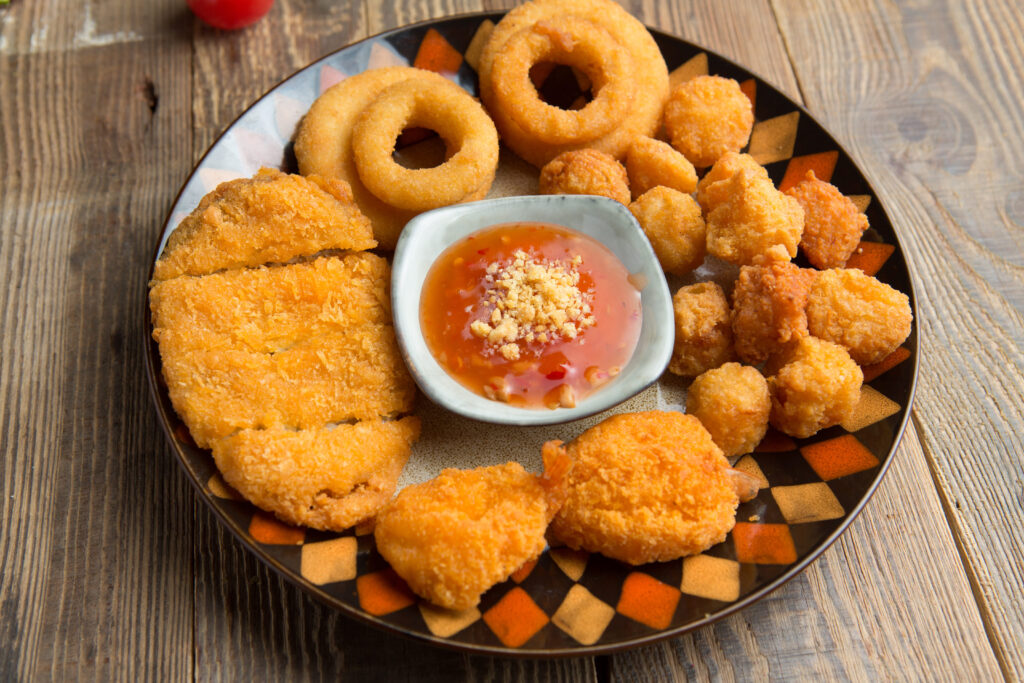
Fried chicken, fries, onion rings, doughnuts, and greasy takeout are among the classic heartburn offenders because high-fat foods take longer to digest. The longer food sits in the stomach, the more time acid has to push upward, especially when the meal is large or eaten close to bedtime. Fatty meals can also increase stomach pressure, which makes reflux more likely after eating. Cleveland Clinic notes that fatty foods may increase stomach acid and delay digestion, giving acid more opportunity to escape upward.
A reflux-friendly version of the same meal usually starts with a cooking method. We can choose grilled chicken instead of fried, roasted potatoes instead of fries, baked fish instead of battered, and air-fried vegetables instead of deep-fried appetizers. This does not mean every drop of oil is dangerous, but meals swimming in grease can make the stomach work harder and longer. Smaller portions also matter because a modest serving is less likely to stretch the stomach and push acid back up.
Fast Foods
Fast foods can be harsh on reflux because it often combines fried fat, large portions, cheese, spicy sauces, carbonation, and late-night eating. A burger alone may not bother everyone, but a burger with fries, soda, ketchup, chili sauce, and a rushed eating pace creates a perfect storm. The issue is the total load on the digestive system. GERD guidance often recommends avoiding foods and drinks that worsen symptoms, eating earlier before lying down, and reducing meal size when reflux is frequent.
We can make fast food less punishing by simplifying the order. A grilled option, water instead of soda, sauce on the side, and a smaller portion can reduce the reflux load without turning dinner into punishment. Eating slowly also helps because swallowing large bites quickly can increase pressure and discomfort. The goal is not perfection. The goal is to stop one meal from becoming five hours of burning.
Spicy Foods
Spicy foods do not affect everyone the same way, but they can make heartburn feel sharper in people who already have reflux irritation. Hot peppers, chili oil, cayenne, spicy wings, pepper-heavy stews, and fiery sauces may create a burning sensation that feels worse when acid is already moving upward. NIDDK lists spicy foods among foods commonly linked to GERD symptoms, especially for people who notice a clear pattern after eating them.
A practical swap is flavor without fire. We can season meals with herbs, ginger in modest amounts, basil, parsley, thyme, rosemary, garlic-infused oil if tolerated, or mild seasoning blends instead of heavy chili. Some people tolerate small amounts of spice earlier in the day but struggle with spicy dinners. That timing matters because lying down soon after a spicy meal can make reflux feel stronger and harder to ignore.
Tomato Sauces
Tomatoes are nutritious, but tomato-heavy dishes can be a problem for reflux-prone eaters because they are acidic and often paired with fat, garlic, onion, cheese, or spice. Pizza, lasagna, marinara pasta, chili, shakshuka, tomato soup, and ketchup can all trigger symptoms in sensitive people. Johns Hopkins lists tomato-based sauces among foods that may cause reflux symptoms, and NIDDK includes tomatoes under acidic foods commonly linked with GERD discomfort.
We can reduce the burn by changing the base. Pesto-style sauces, roasted vegetable sauces without tomato, olive-oil-light herb sauces, or small amounts of tomato diluted with vegetables may be easier for some people. Pizza can be made gentler with less sauce, less cheese, lean toppings, and a thinner crust. The key is portion and timing: a late, tomato-heavy meal is often worse than a small tomato portion eaten earlier.
Citrus Fruits
Oranges, lemons, grapefruits, limes, and citrus juices can aggravate heartburn because their acidity may irritate an esophagus already exposed to stomach acid. Citrus is a common trigger in GERD diet guidance, especially for people who notice symptoms after orange juice at breakfast or lemon-heavy drinks during the day. Johns Hopkins and NIDDK both name citrus or acidic foods as common reflux triggers.
A gentler fruit strategy can still keep meals fresh. Bananas, melons, apples without heavy acidic toppings, pears, and some berries may be easier choices for many reflux-prone people. Cleveland Clinic highlights non-citrus fruits, whole grains, lean meats, vegetables, and other lower-acid options as part of a GERD-friendly eating pattern. The best test is personal tracking because one person may tolerate berries well, while another may react to them during a flare.
Coffee
Coffee is one of the most discussed reflux triggers because it can affect sensitive people in more than one way. It contains caffeine, it is naturally acidic, and it can be consumed on an empty stomach, which may make symptoms feel more noticeable. NIDDK lists coffee and other caffeine sources among foods and drinks commonly linked to GERD symptoms. Cleveland Clinic also notes that coffee may contribute to reflux in some people.
We can make coffee less aggressive without giving it up instantly. Some people do better with a smaller cup, low-acid coffee, half-caf, cold brew, or with coffee and food rather than on an empty stomach. Others need to stop afternoon coffee because caffeine plus a late meal can disturb sleep and worsen nighttime reflux. A symptom journal helps separate coffee itself from what often comes with it, such as cream, sugar, pastries, stress, and rushed mornings.
Carbonated Drinks
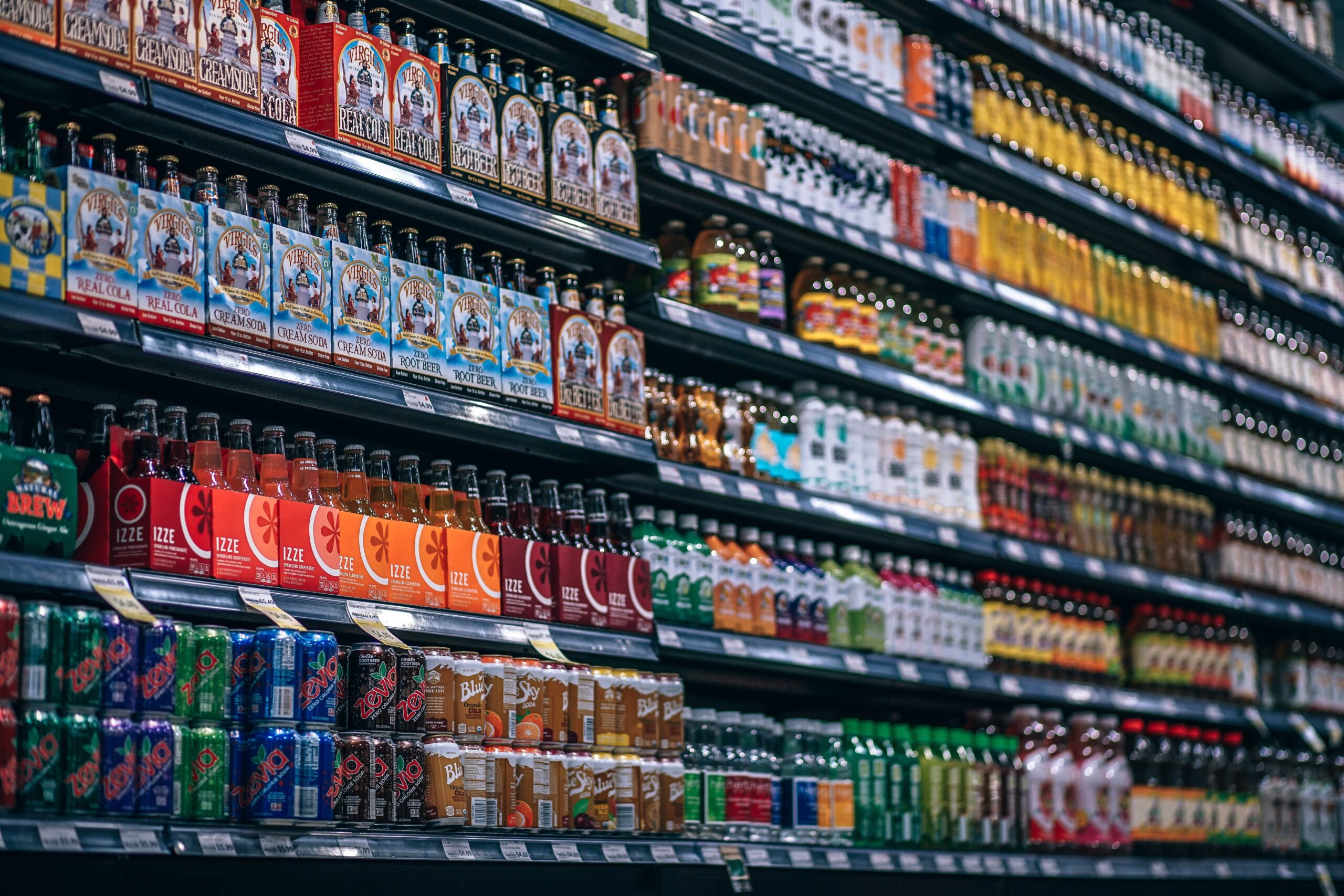
Soda, sparkling water, tonic water, energy drinks, and fizzy cocktails can worsen reflux because carbonation increases gas and burping. Burping can open the path for acid to move upward, especially after a large meal. Johns Hopkins lists carbonated beverages among foods and drinks that can trigger reflux, and Mayo Clinic’s GERD guidance also names carbonated beverages among commonly associated symptom triggers.
Plain water is usually the cleaner choice during reflux flares. We can also try still herbal teas that do not contain mint, diluted non-citrus drinks, or room-temperature water if cold drinks feel irritating. Sparkling water may look harmless, but the bubbles can still cause pressure. For people with nighttime reflux, cutting back on fizzy drinks at dinner may reduce late-night burping and burning.
Alcohol
Alcohol can be a major reflux trigger because it may relax the lower esophageal sphincter and irritate the digestive tract. Wine, beer, cocktails, spirits, and mixed drinks can all cause trouble, especially when paired with fatty meals, late dinners, citrus mixers, tomato juice, or carbonation. NIDDK lists alcoholic drinks among common GERD symptom triggers, and the Cleveland Clinic names alcohol as one drink that can contribute to acid reflux.
A safer approach is to observe dose, timing, and mixers. One drink with food may affect a person differently than several drinks late at night. Citrus cocktails, beer, sparkling wine, and creamy drinks can be especially rough because they combine multiple triggers. People with frequent reflux often benefit from alcohol-free evenings during flare periods, especially when symptoms are already interrupting sleep.
Chocolate
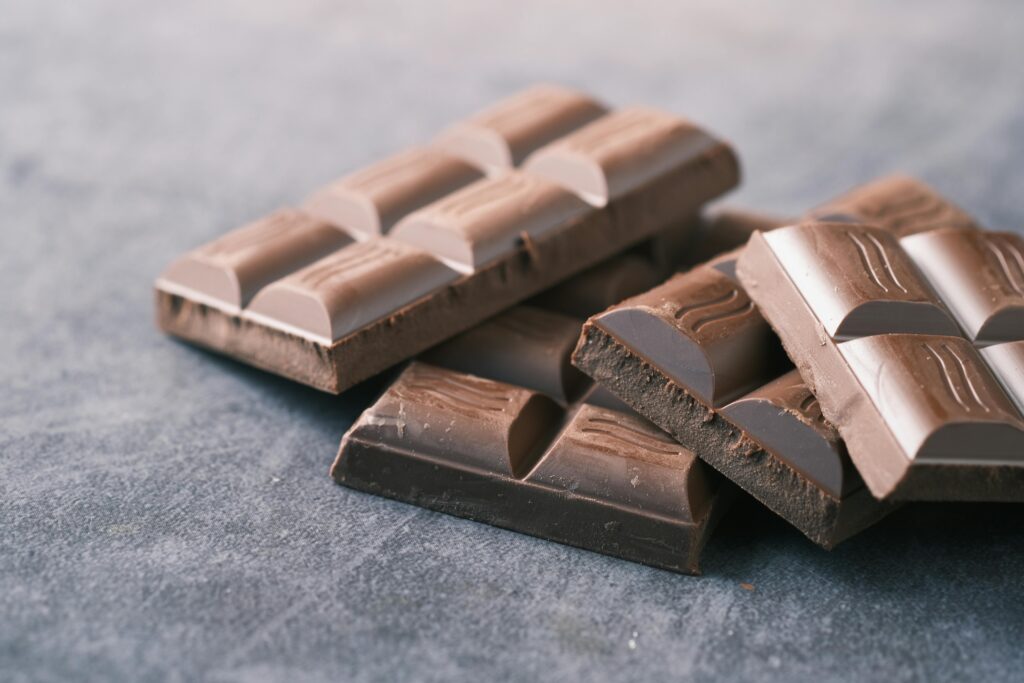
Chocolate feels soothing, but it can be a reflux trigger for some people because it contains fat and compounds that may affect the lower esophageal sphincter. It is also easy to eat at night after dinner, which creates a timing problem. NIDDK and Johns Hopkins both include chocolate among foods commonly associated with GERD symptoms.
The practical fix is moderation and timing. A small piece earlier in the day may be easier than a large dessert after a heavy dinner. Dark chocolate, milk chocolate, chocolate cake, brownies, hot chocolate, and chocolate ice cream may all behave differently because fat, sugar, dairy, and portion size vary. We should judge the pattern rather than the label alone.
Peppermint and Mint
Mint is often marketed as a digestive aid, but it can worsen reflux. Peppermint tea, mint candies, mint gum, mint chocolate, and peppermint oil may relax the lower esophageal sphincter in some people, making it easier for acid to rise. NIDDK lists mint as a commonly linked GERD trigger, and Johns Hopkins names peppermint among foods that can cause reflux symptoms.
This is especially important after dinner. Many people reach for mints to freshen breath after a meal, then wonder why heartburn follows later. A better choice may be water, non-mint gum if tolerated, or simply brushing teeth earlier in the evening. We should be cautious with peppermint tea at night, since a drink that feels calming can still provoke reflux in sensitive people.
Full-Fat Dairy
Whole milk, cream, rich cheese, Alfredo sauce, milkshakes, ice cream, and creamy desserts can worsen reflux because they add fat and volume. Some people drink milk to “coat” the stomach, but high-fat dairy may delay digestion and make symptoms return stronger. Cleveland Clinic highlights fatty foods as a contributor to reflux because they increase stomach acid secretion and take longer to digest.
We can try lower-fat or smaller portions if dairy is part of the diet. Low-fat yogurt, smaller cheese servings, or non-creamy sauces may be easier than heavy cream-based meals. Still, dairy tolerance varies, and reflux is not the same as lactose intolerance. A person may tolerate yogurt but react badly to ice cream because fat, sugar, cold temperature, and portion size all change the digestive experience.
Onions and Garlic
Onions and garlic are flavorful staples, but some reflux-prone people notice symptoms after meals high in either. Cleveland Clinic notes that garlic and onions may have a relaxing effect on the lower esophageal sphincter in higher doses. The trigger often becomes stronger when onions and garlic are combined with tomatoes, chili, fried foods, or large portions.
We can keep the flavor by changing the technique. Roasted vegetables, herbs, mild infused oils, fennel, ginger in moderate amounts, or green herbs can add depth without relying on heavy onion and garlic. Some people tolerate cooked garlic better than raw garlic, and others tolerate small amounts earlier in the day. The pattern matters more than a strict universal ban.
Energy Drinks
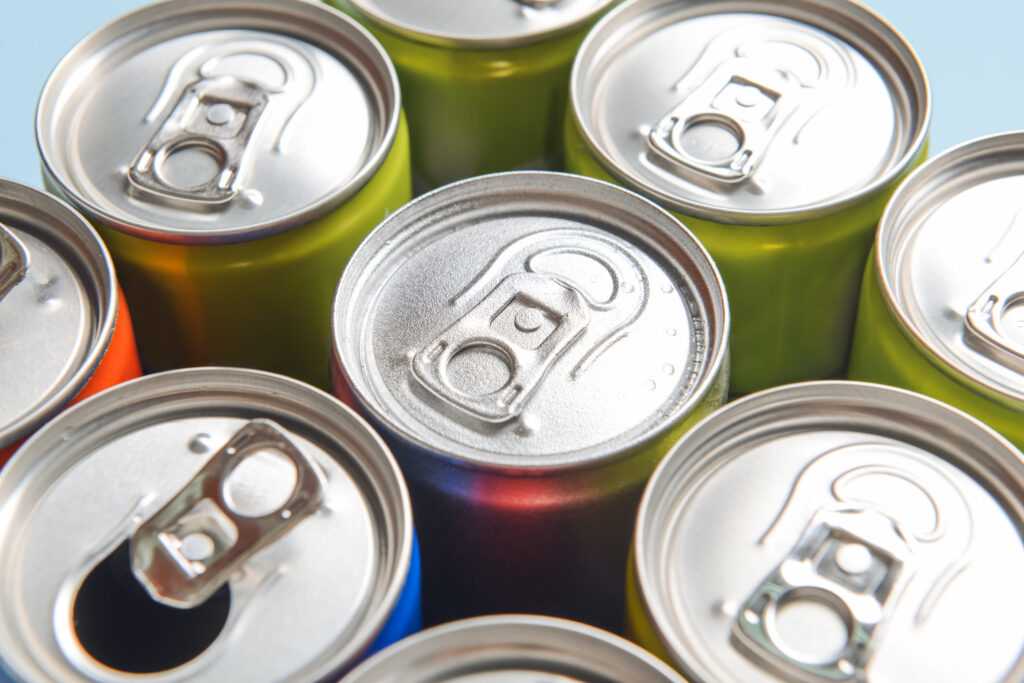
Energy drinks can be rough on reflux because they often combine caffeine, carbonation, acidity, sweeteners, and large serving sizes. Even without a heavy meal, that mix can cause burping, stomach pressure, and burning in sensitive people. NIDDK includes coffee and other caffeine sources among common GERD symptom triggers, and Johns Hopkins includes carbonated beverages among reflux-provoking drinks.
A better energy plan starts with cause. If fatigue is driving heavy energy drink use, sleep, hydration, meal timing, and balanced snacks may reduce the need for stimulants. For people who still want caffeine, smaller servings, non-carbonated options, and earlier timing may reduce symptoms. Drinking energy drinks late in the day can be especially risky because reflux and poor sleep often feed each other.
Large Late-Night Meals

Sometimes the trigger is not one ingredient. It is the size and timing of the meal. A huge dinner stretches the stomach, and lying down soon after eating makes it easier for acid to move upward. The ACG guideline suggests avoiding meals within 2 to 3 hours of bedtime, and NIDDK also recommends eating meals 2 to 3 hours before lying down to reduce GERD symptoms.
We can protect the night by moving the biggest meal earlier and keeping dinner lighter. A reflux-friendly evening plate might include lean protein, cooked vegetables, whole grains, and water, rather than fried foods, tomato sauce, soda, and dessert. Mayo Clinic also recommends not lying down after meals and waiting at least three hours before going to bed. That single habit can make a major difference for people whose reflux gets worse at night.