Emergencies can happen when you least expect them, and the ability to act swiftly and efficiently can be the difference between life and death.
Whether it’s a kitchen burn, a fall, or someone having a heart attack, basic first aid knowledge is essential.
But how many of us are truly prepared for these unexpected situations? Let’s dive into the lifesaving first aid skills everyone should know, because when disaster strikes, you’ll be glad you’re ready.
CPR: The Power of Life in Your Hands
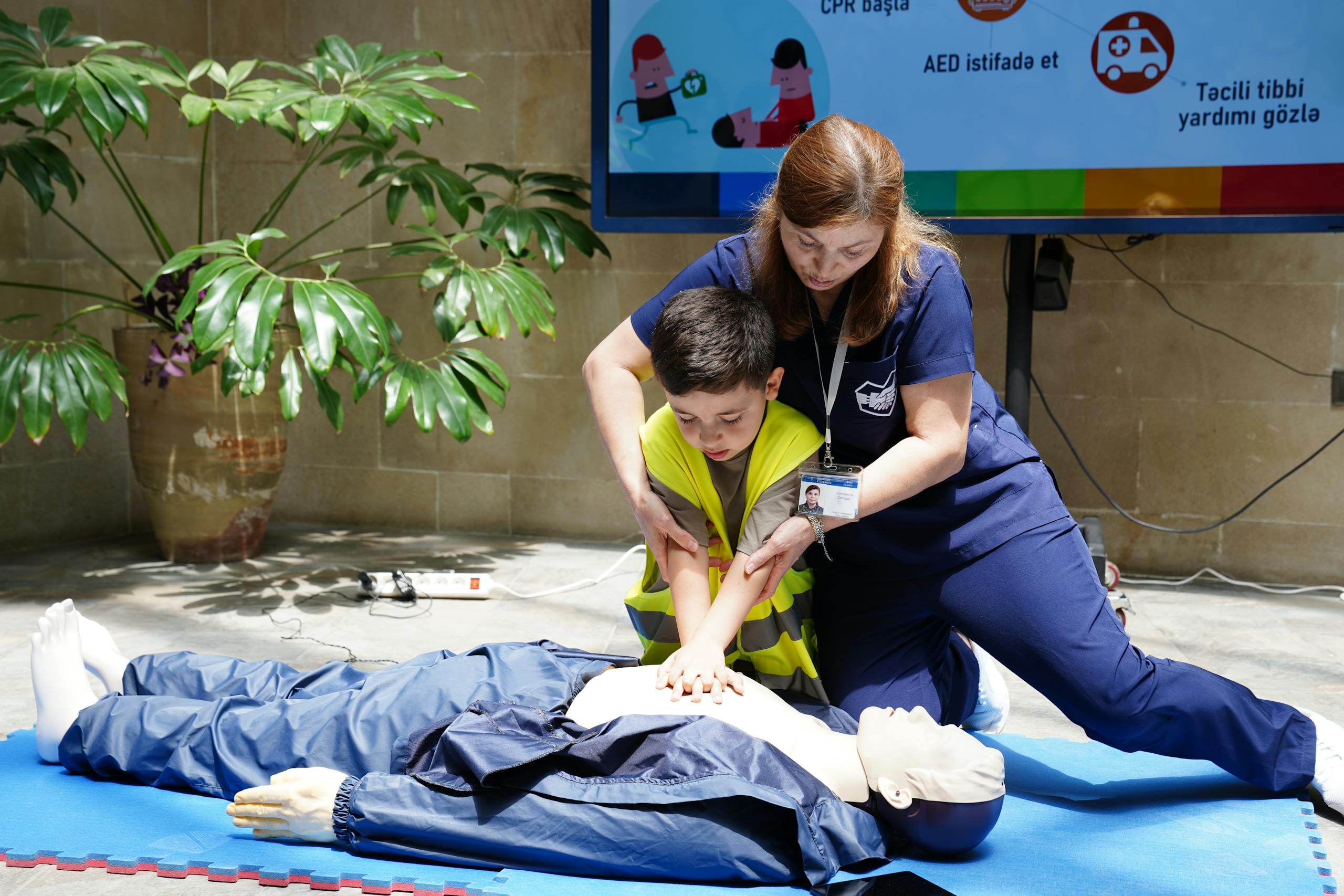
Imagine this: you’re at a family gathering when suddenly, someone collapses, unresponsive, and not breathing. What do you do? You perform CPR. This simple but crucial technique can help save lives by keeping blood and oxygen flowing to vital organs.
- Start with Chest Compressions: If the person isn’t breathing, place your hands in the center of their chest and push hard and fast about 100 to 120 compressions per minute.
- Rescue Breaths: After 30 chest compressions, give two rescue breaths. Make sure to tilt their head back, pinch their nose, and blow into their mouth until the chest rises.
It may sound straightforward, but learning CPR from a certified instructor can give you the confidence to act when it counts. Plus, using an AED can drastically increase survival chances.
An AED (Automated External Defibrillator) is a portable device that analyzes the heart’s rhythm and, if necessary, delivers an electric shock to help restore a normal heartbeat. Get trained today, and you’ll know what to do if a loved one or even a stranger needs your help.
Handling Burns: When Heat Turns Into a Hazard
We’ve all experienced a burn at some point, whether it’s from the oven, a hot pan, or the sun. But how do you handle it when it’s serious? Here’s how to assess and treat burns:
- Minor Burns: For burns no larger than 3 inches, cool the area with water for at least 10 minutes. Apply aloe vera or burn cream and loosely bandage the wound.
- Severe Burns: If the burn is deep and involves white or charred skin, don’t immerse it in water. Cover it with a clean cloth, elevate the area, and call 911.
A major burn can be life-threatening, and prompt action is vital. Always remember not to pop blisters or apply ice to a burn this could make things worse. For more detailed information, check out the American Red Cross’s burn treatment guide.
Choking: A Life or Death Situation
It’s one of the most terrifying things to witness someone choking and unable to breathe. But you can save a life with the Heimlich maneuver, a simple technique that can dislodge the object blocking the airway.
- Perform the Heimlich: Stand behind the person and wrap your arms around their waist. Make a fist with one hand, place it just above their navel, and give quick, upward thrusts.
- For Infants and Pregnant Women: The Heimlich maneuver isn’t suitable for these groups. Instead, back blows and chest thrusts are safer options.
It’s crucial to stay calm in these situations. A clear mind will help you act effectively and save a life. To learn more, visit the National Safety Council’s choking prevention page.
How to Handle Seizures: Keeping the Person Safe

Seizures can be a frightening experience, but your role is to keep the person safe until the seizure ends. Here’s what you should do:
- Move Objects Away: Clear the area of sharp objects or obstacles that could cause harm.
- Protect the Head: If possible, cushion the person’s head to prevent injury.
- Do Not Restrain: Never try to hold the person down, and never put anything in their mouth.
If the seizure lasts longer than five minutes or if the person is injured, call emergency services immediately. Staying calm will help you handle the situation effectively. For expert advice, check out the Epilepsy Foundation’s guidelines.
Responding to a Heart Attack: Time Is of the Essence
Heart attacks can be fatal without prompt action. Here’s how to recognize the signs and respond quickly:
- Recognize the Symptoms: Chest pain, shortness of breath, nausea, and pain radiating to the jaw or arm are all red flags for a heart attack.
- Perform CPR: If the person becomes unresponsive, start CPR. Push hard and fast on the chest to maintain circulation.
- Use an AED: If available, an AED can help restore a normal heart rhythm.
Calling 911 and getting immediate medical attention is crucial, as every second counts during a heart attack. The American Heart Association offers resources to recognize heart attack symptoms and perform CPR.
Treating Bleeding: Stopping the Flow
Bleeding can be a major concern during an emergency, especially if it’s severe. Here’s how to control the bleeding:
- Apply Direct Pressure: Use a clean cloth or bandage to firmly press on the wound.
- Elevate the Limb: If possible, raise the injured limb above the level of the heart to slow the bleeding.
- Tourniquet Application: If the bleeding doesn’t stop, a tourniquet may be needed to restrict blood flow until medical help arrives.
Don’t remove the bandage even if it becomes soaked. Simply add another layer on top and keep applying pressure. For more info on bleeding control, visit the Red Cross’s bleeding control guide.
Eye Injuries: Swift Action Saves Sight

A foreign object or injury to the eye requires swift action to prevent long-term damage:
- Foreign Object in the Eye: Flush the eye with saline solution or clean water. Never rub the eye.
- Chemical Burns: Rinse the eye with water for at least 15 minutes, and seek medical help immediately.
- Trauma: For injuries such as cuts or blows, avoid touching or applying pressure to the eye.
If unsure about the severity of the injury, always err on the side of caution and seek medical attention right away. For eye injury tips, visit the American Academy of Ophthalmology.
Water Safety: Preventing Drowning
Drowning is one of the most preventable causes of death, yet it still claims lives every year. Follow these essential tips:
- Stay Calm and Assess: If someone is drowning, stay calm and throw them a floatation device before jumping in.
- Perform CPR: For a person who isn’t breathing, start CPR immediately, emphasizing rescue breaths before chest compressions.
- Monitor for Hypothermia: After the person starts breathing, keep them warm and dry.
Prevent drowning by always supervising children near water and avoiding swimming during storms or when you’re impaired. Learn more at Stop Drowning Now.
Preventing Accidents: The Best Way to Avoid First Aid
While first aid is crucial, prevention is even more important. Here’s how you can reduce the chances of accidents:
- Safety on the Road: Always wear your seatbelt, obey traffic laws, and avoid distractions while driving.
- Workplace Safety: Use the proper protective gear when working with hazardous equipment or chemicals.
- Home Safety: Install smoke detectors, childproof cabinets, and keep sharp objects out of reach.
By taking preventative measures, you can minimize the need for emergency first aid and create a safer environment for everyone.
The Importance of a First Aid Kit: Be Prepared for Anything

A well-stocked first aid kit is your first line of defense in any emergency. Here’s what you should keep in your kit:
- Bandages and Gauze: For cuts, scrapes, and abrasions.
- Burn Relief: Aloe vera gel and burn creams for minor burns.
- CPR Mask: Protect yourself while performing CPR on someone else.
- Pain Relief: Aspirin, acetaminophen, and antihistamines for pain and allergic reactions.
- Thermometer: A digital thermometer for checking fever.
Keep your first aid kit in a readily accessible location, and ensure it’s regularly checked and restocked. Red Cross First Aid Kit Checklist.
Key Takeaways
Mastering first aid can be the difference between life and death. From CPR to handling burns, choking, and seizures, knowing what to do in an emergency will make you a lifesaver. Don’t wait for disaster to strike; get trained and be prepared.
Equip yourself with the right skills, and you’ll be ready to act when it matters most. Take a first aid course today and make sure you’re always ready to help those in need.