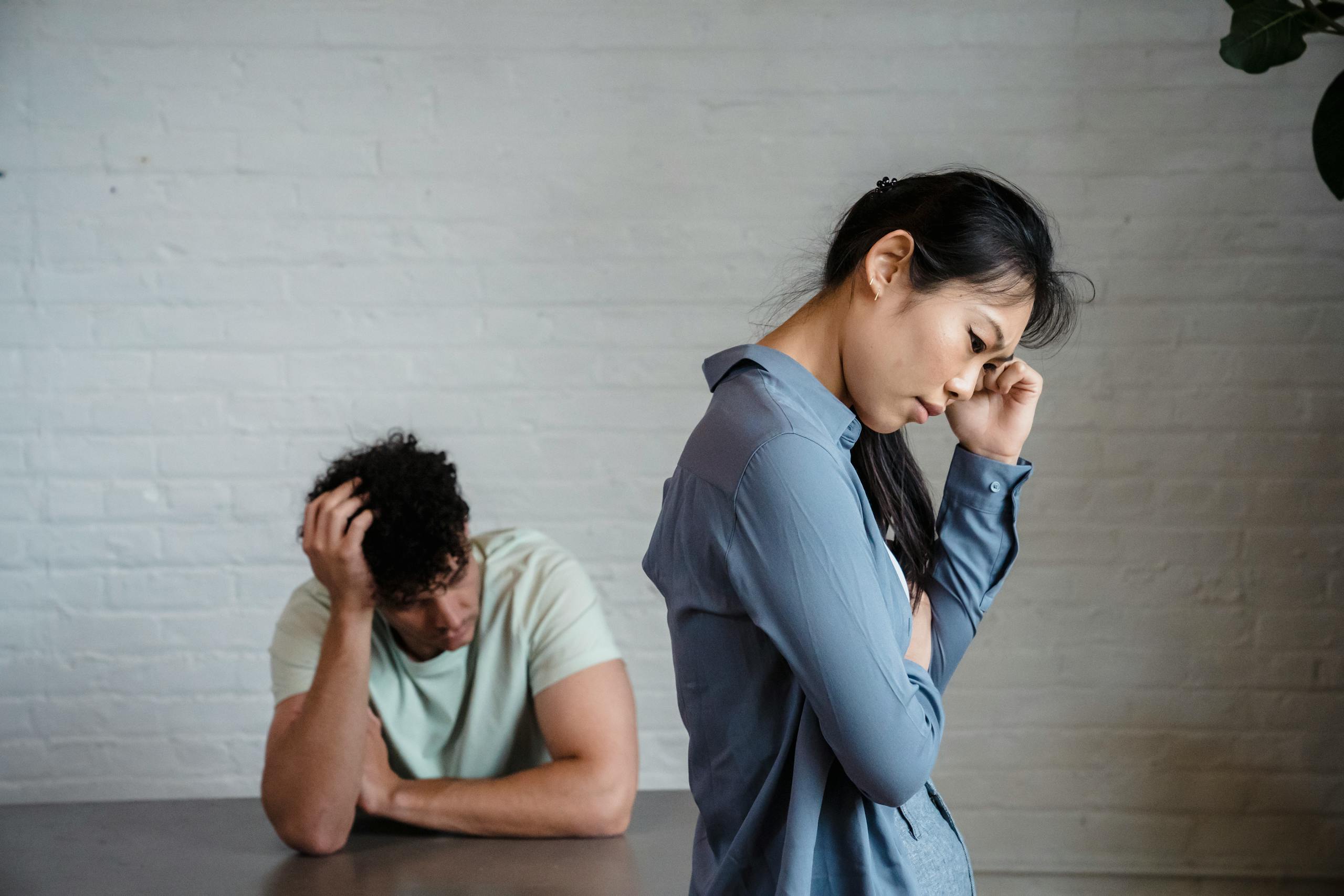
Attraction rarely disappears in one dramatic moment. More often, it fades quietly through repeated behaviors that make a man feel emotionally guarded, unappreciated, confused, or pressured. We may think attraction is only about looks, chemistry, or timing. Still, psychology shows that long-term interest is shaped by emotional safety, communication patterns, respect, consistency, and how two people feel in each other’s presence.
That is why the behaviors that push men away are often subtle. They can look like testing, overexplaining, constant criticism, emotional withdrawal, or trying too hard to control the pace of the relationship. When these patterns continue, the connection starts to feel less like a place of desire and more like a place of tension. If we want to understand what naturally attracts men, we also need to understand what quietly destroys that attraction.
Constantly Testing His Feelings
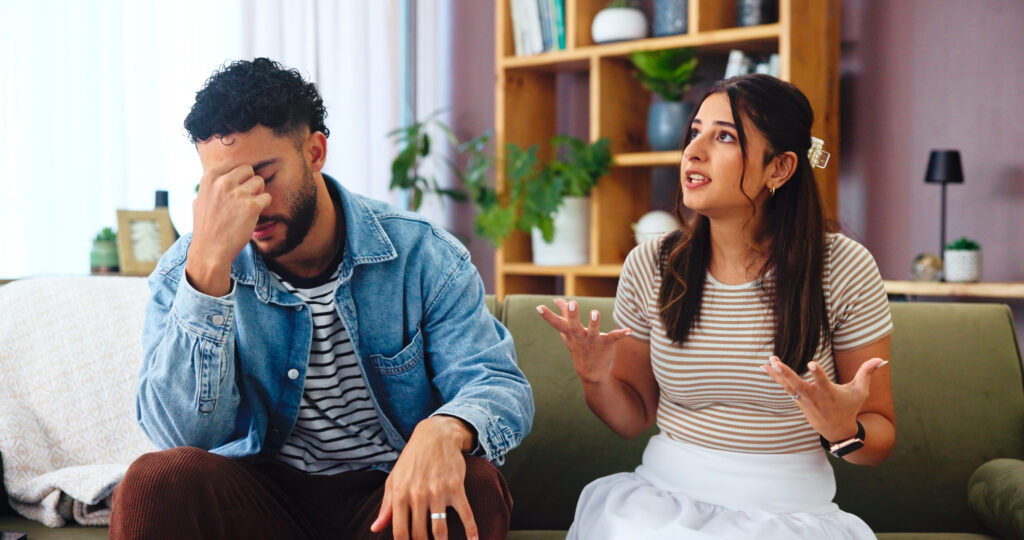
Few things drain attraction faster than turning love into a never-ending exam. When we constantly test a man’s feelings, we may think we’re seeking reassurance, but the relationship begins to feel unsafe. Questions like “Would you still love me if…” or silent traps designed to see if he notices every mood shift can create emotional fatigue. Instead of feeling invited to love freely, he may feel judged before he even speaks. Over time, affection stops feeling natural because every response seems to carry a hidden score.
Psychologically, repeated testing often comes from fear, insecurity, or past disappointment. The problem is that it can trigger defensiveness in the other person. A man who feels repeatedly measured may stop expressing himself because he expects his words to be questioned. Healthy attraction grows when reassurance is requested directly, not demanded through emotional puzzles. We create a stronger connection when we say what we need without turning the relationship into a loyalty trial.
Criticizing More Than Appreciating
Criticism can look small at first. A comment about his clothes, his job, his friends, his habits, his timing, or the way he handles stress may seem harmless in isolation. But when criticism becomes the dominant tone, attraction begins to shrink. Most people want to feel seen by the person they care about, not constantly corrected. When a man feels that nothing he does is good enough, he may stop trying because effort no longer feels rewarding.
Appreciation does not mean pretending every behavior is perfect. It means balancing honesty with respect. If we only point out what is missing, the relationship starts to feel like a performance review. Psychology shows that people respond better to encouragement than to constant fault-finding because encouragement builds motivation and emotional warmth. A man who feels respected is more likely to invest, listen, improve, and stay emotionally present.
Making Drama Feel Like Passion

Some relationships mistake chaos for chemistry. The arguments are intense, the makeups are emotional, and every disagreement feels like proof that the connection is deep. But drama may create adrenaline, not genuine intimacy. When we rely on tension to keep a man engaged, the relationship becomes exhausting. Attraction may spark in the face of unpredictability, but lasting desire needs stability.
Drama often creates a push-pull cycle. One person withdraws, the other chases, then both feel temporarily close after the conflict settles. That pattern can become addictive, but it rarely builds trust. Men who want peace, maturity, and emotional steadiness may eventually pull away when every small issue becomes a crisis. Real passion does not need constant emotional explosions. It grows when both people can disagree without threatening the relationship.
Losing Personal Identity Too Quickly
It can feel romantic to merge completely with someone we like. We may change our schedule, drop hobbies, cancel plans, mirror his opinions, and make his world the center of ours. At first, this may look like devotion. Over time, it can weaken attraction because individuality is part of what makes a person interesting. A man may enjoy feeling wanted, but he may feel pressured if he becomes responsible for someone’s entire emotional life.
Healthy attraction often grows when two people bring full lives into the relationship. Personal goals, friendships, routines, passions, and boundaries create depth. When we abandon ourselves too quickly, the relationship can lose mystery, balance, and respect. Men are often drawn to someone who wants connection without disappearing into it. Staying grounded in our identity makes love feel chosen rather than desperate.
Treating Vulnerability Like Weakness
Many men already struggle with emotional openness because they may have been taught to hide fear, sadness, confusion, or insecurity. When a man finally shares something vulnerable and later gets mocked, dismissed, or used against him, he learns to close the door. Attraction weakens when emotional safety disappears. A relationship may continue on the surface, but the deeper bond begins to retreat.
We should not confuse vulnerability with lack of strength. A man who shares honestly is often showing trust, not weakness. If we punish that trust, he may remain physically present but emotionally unavailable. A healthy connection grows when both people can speak without fear of humiliation. When we listen with maturity, we become associated with peace, not judgment. That emotional safety can make attraction much stronger than surface-level charm.
Overcontrolling the Relationship Timeline
Attraction needs direction, but it also needs room to breathe. When we rush every stage of the relationship, the connection can start to feel managed rather than mutually chosen. Conversations about commitment, labels, marriage, moving in, or plans matter, but timing matters too. If every date becomes a pressure point, a man may feel like he is being evaluated for a role rather than being known as a person.
Control often comes from wanting certainty. The fear of wasting time is understandable, especially when someone wants a serious relationship. Still, pushing for emotional guarantees too early can create resistance. A healthier approach is to communicate standards clearly, observe behavior consistently, and allow the relationship to reveal itself. Men are more likely to move toward commitment when they feel respected, not cornered.
Using Silence as Punishment

Silence can be peaceful when it gives both people time to cool down. It becomes damaging when it is used to punish, control, or make someone panic. The silent treatment often creates confusion because the other person does not know what happened, what is expected, or how to repair the issue. A man may initially chase for answers, but repeated emotional shutdown can teach him to detach.
Psychologically, emotional withdrawal can feel like rejection. It turns conflict into a guessing game instead of a conversation. When we refuse to speak but expect someone to understand everything, resentment grows on both sides. Clear communication does not require perfect words. It requires enough honesty to say, “I am upset, and I need time before we talk.” That single sentence protects dignity, reduces fear, and keeps attraction from being buried under emotional punishment.
Comparing Him to Other Men
Comparison is one of the fastest ways to make an attraction feel unsafe. Mentioning an ex, praising another man to provoke jealousy, or saying someone else would have handled things better can damage respect. Even if the intention is to motivate him, the result often feels like humiliation. A man who feels constantly compared may stop competing for approval because the relationship no longer feels emotionally fair.
Healthy relationships leave room for growth without turning love into a contest. We can ask for better effort without dragging another man into the conversation. Direct requests are more powerful than comparisons. Instead of saying, “Other men do this,” we can say, “This matters to me, and I would appreciate more effort here.” That keeps the focus on the relationship instead of making him feel replaceable.
Confusing Independence With Emotional Distance
Independence is attractive when it shows confidence, purpose, and self-respect. Emotional distance is different. When we act like we never need support, never miss someone, never care deeply, and never feel affected, we may appear strong on the outside while blocking intimacy on the inside. A man may admire independence, but he cannot build closeness with someone who keeps every emotional door locked.
Attraction grows through a balance of autonomy and warmth. We can have our own lives and still express affection. We can be self-sufficient and still let someone matter. If we use coldness to avoid vulnerability, the relationship may remain casual, uncertain, or emotionally shallow. Men often feel more drawn to someone secure enough to be open without becoming dependent. Real confidence does not hide feelings. It expresses feelings with dignity.
Conclusion
Men do not usually lose interest because of a single imperfect moment. They pull away when a pattern makes the relationship feel heavier than it feels loving. The small habits matter because they shape the emotional climate of the connection. A relationship filled with testing, criticism, comparison, and control can make attraction feel unsafe, even when there is still chemistry.
The better path is not pretending to be effortless or never needing reassurance. The better path is learning how to express needs without pressure, hold standards without contempt, and stay confident without becoming emotionally unavailable. When we create space for respect, warmth, honesty, and individuality, attraction has a stronger place to grow. That is the kind of connection that does more than catch attention. It keeps it.