A home can lose value quietly, almost like a slow leak behind a freshly painted wall. One change looks harmless, another feels stylish, and another seems like a shortcut that saves money today. Then one day, a buyer walks through the front door and starts mentally subtracting thousands from the asking price.
The scary part is that many property value mistakes do not look like mistakes at first. They often come dressed as upgrades, personal touches, weekend projects, or trendy design choices that made sense at the time. Before you spend more money on home improvements, it helps to know which ones can quietly work against you.
Removing Bedrooms for Bigger Living Spaces
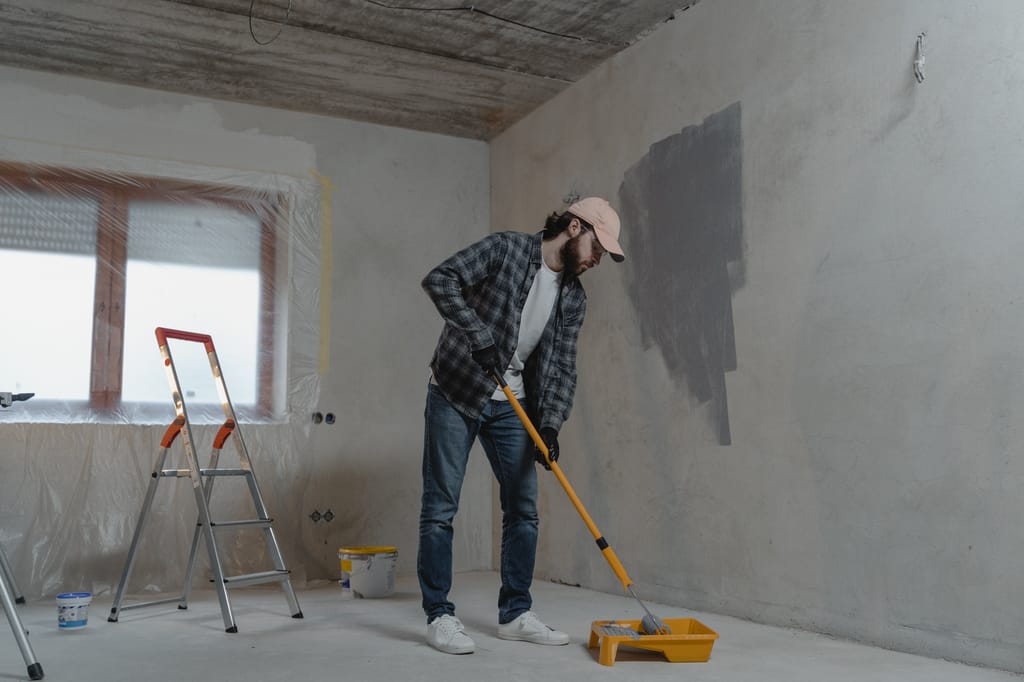
Open space feels luxurious, especially when a small bedroom turns into a larger lounge, walk-in closet, office, or entertainment room. The problem is that bedrooms carry serious value in the housing market. A buyer searching for a three-bedroom home may never even see your listing if your renovation turns it into a two-bedroom property.
This change can shrink your buyer pool fast. Families, investors, and future landlords often care more about the number of bedrooms than about a larger sitting area. A beautiful open space may impress visitors, but it can hurt your home when it is time to sell.
Removing Bathtubs From Family Homes
Walk-in showers look sleek, modern, and easy to clean. Many homeowners remove bathtubs to create a spa-style bathroom with glass doors and fresh tile. That choice can backfire if your home is likely to attract families with young children.
For many parents, a bathtub is not a luxury. It is a daily need. A home with no tub may feel less practical, even if the bathroom looks beautiful in photos.
Overpersonalized Paint and Design Choices
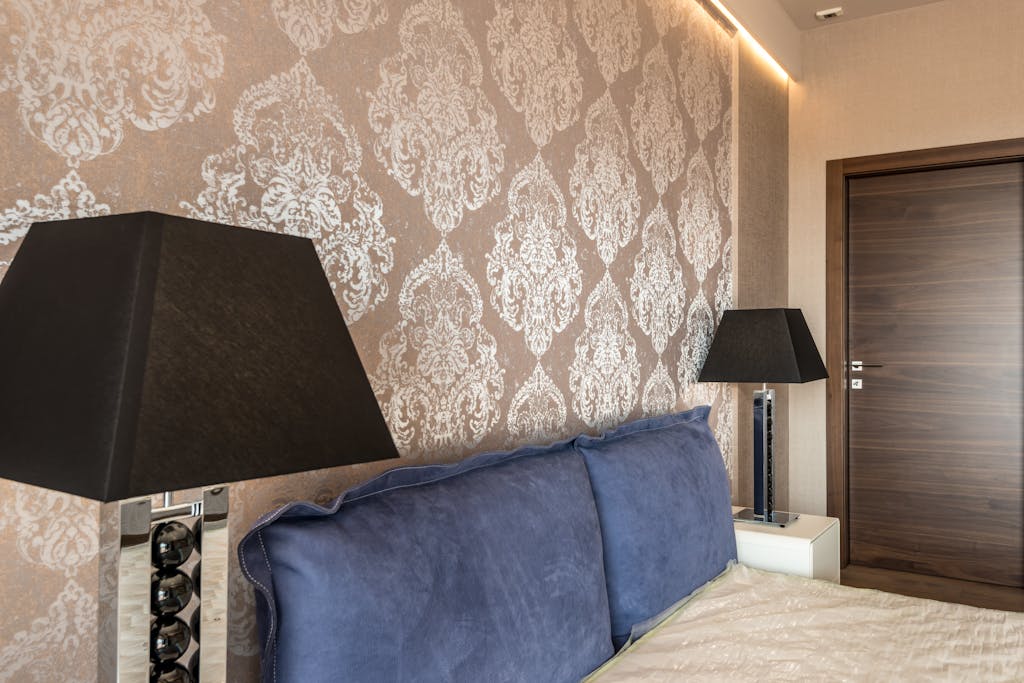
A bold black kitchen, neon accent wall, themed bathroom, or dramatic wallpaper can make your home feel like a personal art project. That is wonderful if you plan to stay forever. It becomes risky when buyers walk in and see work, costs, and repainting rather than comfort.
Most buyers want to imagine their own life in a home. Loud design choices can interrupt that imagination. Even when the work is expensive, it may feel like a problem to someone with different tastes.
Ignoring Curb Appeal While Upgrading the Inside
Some homeowners pour money into kitchens, bathrooms, and interior finishes while leaving the outside tired and forgotten. Peeling paint, cracked paths, overgrown bushes, broken fences, dirty siding, and a dull entryway can lower buyer excitement before they even step inside. First impressions are emotional, and buyers often form their opinion of a property from the street.
A stunning interior has to fight harder when the exterior looks neglected. Buyers may assume the home’s hidden parts have been overlooked, too. Simple improvements like trimming plants, cleaning the driveway, repainting the front door, and repairing minor exterior flaws can protect the property’s value more than people realize.
Turning the Garage Into a Living Area
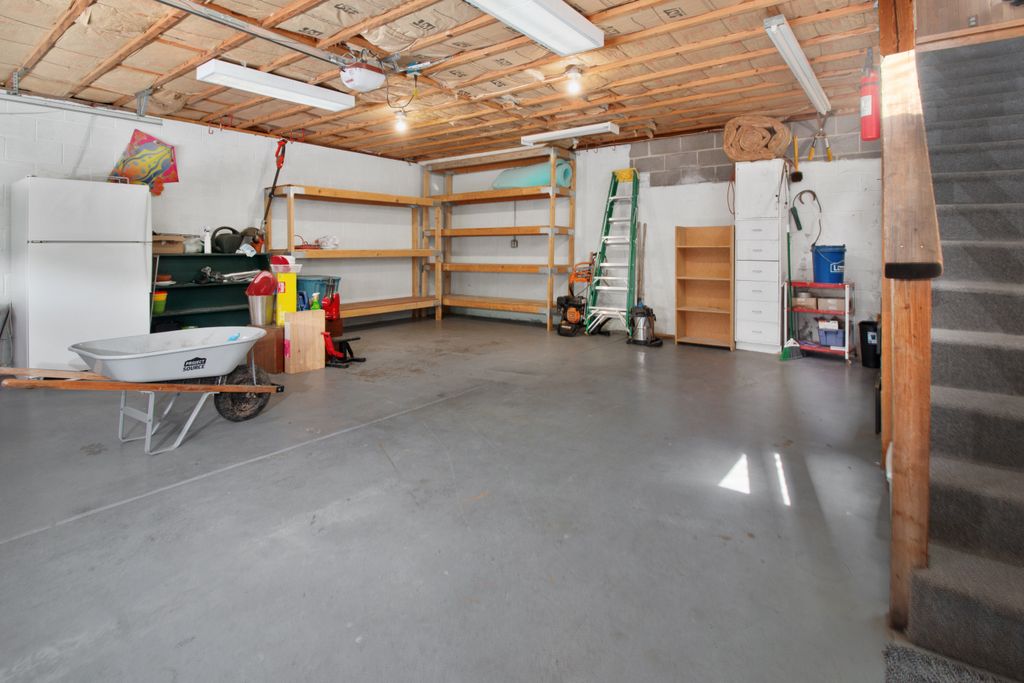
A garage conversion can feel like a smart way to gain more usable space. It can become a studio, bedroom, office, gym, or rental-style room. Still, many buyers want protected parking, storage, and a place for tools, bikes, lawn equipment, and seasonal items.
If the conversion was done without proper permits, insulation, ventilation, or safe wiring, the problem becomes even bigger. Buyers may worry about legal issues and future repair costs. What felt like extra square footage can start looking like a renovation that needs to be undone.
Adding Luxury Features That Do Not Match the Neighborhood
A high-end renovation can still be a poor investment if it goes too far beyond the local market. A chef-style kitchen, imported stone, custom wine room, luxury smart systems, or oversized outdoor kitchen may feel impressive. Yet buyers usually compare your home to nearby homes, not to dream houses on social media.
If the neighborhood does not support the higher price, you may not recover the money spent. The home can become too expensive for local buyers and too ordinary for luxury buyers. Smart upgrades should match the area, the home’s size, and the expectations of the people most likely to buy it.
Installing Cheap Flooring That Looks Good Only at First
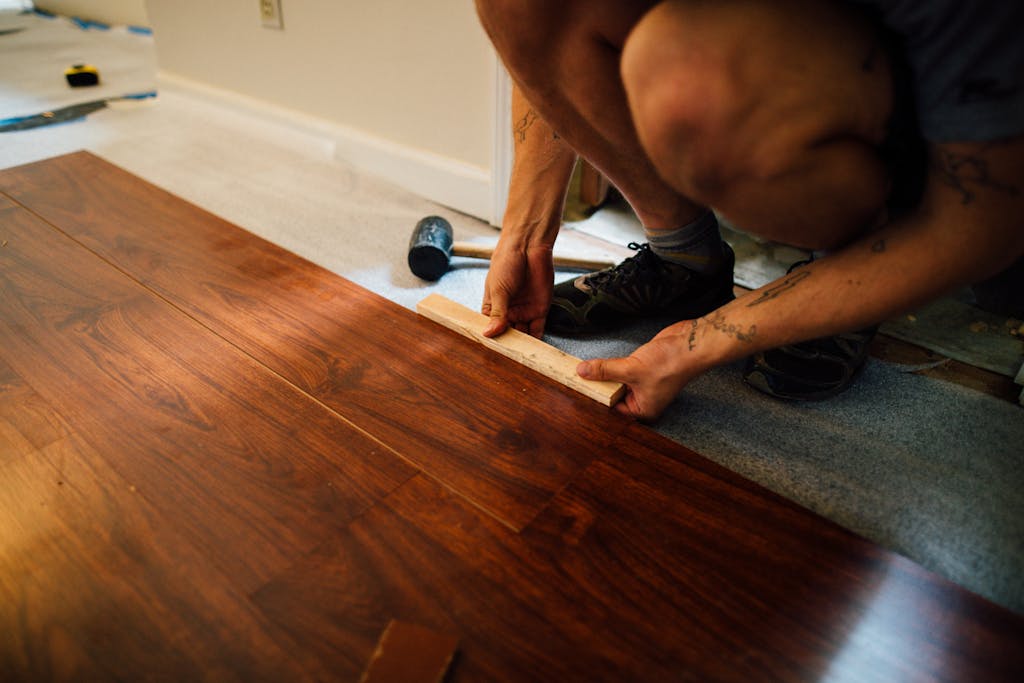
Flooring covers a large part of the home, so buyers notice it immediately. Low-quality laminate, poorly fitted vinyl, uneven tiles, and rushed installation can make the whole property feel cheaper. Even if the walls are freshly painted, bad flooring can pull attention down in the worst way.
The issue is not always the material itself. Many affordable flooring options can look great when installed properly. The real damage happens when the flooring feels thin, bouncy, uneven, noisy, or mismatched from room to room.
Conclusion
Property value does not only fall because a home is old or damaged. It can fall because the wrong improvements make the house less practical, less flexible, or less attractive to the widest group of buyers. The best home changes should improve daily life without trapping future buyers in your personal taste.
Before making a major renovation, think beyond how the change looks today. Ask whether it keeps the home useful, easy to sell, and appealing to people with different needs. A beautiful home should feel personal, but a valuable home also knows how to welcome the next owner.