Aluminum foil feels like one of those kitchen items that can do almost anything. It covers casseroles, wraps baked potatoes, shields pie crusts, catches drips, keeps meat juicy, and makes cleanup feel less painful. Many home cooks reach for it without thinking because it has been sitting in kitchen drawers for generations, ready to rescue a messy pan or protect a dish from browning too quickly.
Still, foil is not a free pass to do whatever you want inside an oven. It can be safe, useful, and smart when used correctly, but it can also create problems when placed in the wrong spot. A single sheet of foil can block heat, disrupt airflow, damage oven surfaces, cause food to cook unevenly, or create a smoky mess that turns a simple dinner into a frustrating cleanup job.
The real answer is not complicated. Aluminum foil can go in a regular oven, but it needs to be used with care. It belongs on pans, over dishes, around certain foods, and in small protective roles. It does not belong everywhere. The difference between smart foil use and risky foil use often comes down to placement, temperature, food type, and common kitchen habits people rarely question.
Aluminum foil can go in the oven when used properly.

Aluminum foil can handle normal oven temperatures, which is why cooks use it so often for baking, roasting, and reheating. It is useful for covering a casserole so the top does not dry out before the inside is hot. It can shield the edges of a pie crust when the crust browns faster than the filling sets. It can wrap vegetables, fish, or potatoes to trap steam and moisture.
That does not mean foil should be treated like an all-purpose oven liner. Foil is safe when it supports the cooking process without interfering with the oven itself. It should sit on a baking sheet, cover a dish, loosely tent food, or wrap ingredients that are meant to steam or roast. Once foil starts covering vents, touching heating elements, or lining the oven floor, it becomes a problem instead of a helper.
Think of foil as a tool, not a shortcut for every cooking mess. A hammer is useful, but you would not use it for every repair in the house. Foil works the same way in the kitchen. When used with the right dish and in the right place, it can make food taste better. When it is used carelessly, it can ruin texture, damage appliances, or leave you wondering why your meal cooked so strangely.
Do not line the bottom of the oven with foil.
This is probably the most tempting foil mistake. A bubbling lasagna, a cheesy casserole, or a fruit pie can leave painful baked-on spills at the bottom of the oven. Lining the oven floor with foil sounds like a perfect fix. You catch the mess, remove the sheet, and avoid scrubbing. It feels clever until the oven starts paying the price.
The bottom of an oven is not just an empty metal floor. Depending on the appliance, it may include vents, sensors, heating elements, an enamel coating, or design features that help regulate temperature. Foil can trap heat against the surface, block airflow, and cause uneven baking. In some ovens, it can even melt onto the bottom or damage the finish.
That small cleanup shortcut can become an expensive repair. It can also make food cook poorly because the oven can no longer circulate heat the way it was designed to. Cakes may rise unevenly, cookies may brown too quickly, and casseroles may cook hot in one area and slow in another. A clean oven floor is nice, but not at the cost of damaging the appliance.
A better option is to place a rimmed baking sheet on a lower rack to catch drips. You can line that baking sheet with foil for easier cleanup. This protects the oven without covering its floor. Leave space around the pan so heat can still move freely. The goal is to catch spills, not suffocate the oven.
Do not cover an entire oven rack with foil.
Covering a whole oven rack with foil seems harmless at first. It looks like a neat way to catch crumbs, protect the rack, or keep sticky foods from dripping. The problem is that a large sheet of foil can block heat from circulating properly. Ovens need airflow to cook food evenly, especially during baking and roasting.
When a rack is covered from side to side, the foil acts like a barrier. Heat may get trapped below it, and food above it may cook differently than expected. This can lead to burnt bottoms, pale tops, undercooked centers, or uneven browning. The meal may technically cook, but it may not cook well.
This matters most with baked goods and dishes that rely on steady, even heat. Cookies, cakes, breads, and pastries are especially sensitive. They need the oven environment to stay balanced. A sheet of foil covering an entire rack can quietly upset that balance.
Instead, line the pan, not the rack. Use a rimmed baking sheet for messy foods. Place the food in a proper baking dish. If something might drip, place a catch pan below it, but do not block the oven from doing its job. A cleaner oven is helpful, but properly cooked food matters more.
Keep foil away from heating elements.
The foil should never come into contact with the heating elements. This applies to regular ovens, toaster ovens, and broilers. Heating elements get extremely hot, and foil placed too close can scorch, melt, smoke, or create dangerous conditions. Even if nothing dramatic happens, the foil can interfere with the heat and ruin the dish.
Loose foil is especially risky. A sheet that curls, lifts, or shifts during cooking can move closer to the heat source. This is more common in smaller appliances where the heating element is close to the food. A toaster oven gives you much less room for error than a full-size oven.
Broiling requires extra caution. The broiler uses intense, direct heat from above, which can quickly burn food and anything nearby. Foil may be used on a broiler-safe pan in some cases, but it should be flat, secure, and kept away from the element. Any loose edges should be tucked in to prevent them from lifting during cooking.
A good rule is simple. If foil could come into direct contact with heat, do not use it there. Use proper broiler pans, oven-safe dishes, and manufacturer-approved accessories. The closer the foil is to the heat source, the more careful you need to be.
Be careful with acidic foods.
Foil and acidic foods do not always get along. Tomato sauce, citrus juice, vinegar-based marinades, and salty acidic dishes can react with aluminum, especially during long cooking times. This may create dark spots on the foil, alter the appearance of the food, or leave a faint metallic aftertaste.
This is why dishes like lasagna, baked ziti, lemon chicken, vinegar-marinated ribs, tomato-heavy casseroles, and citrusy fish need more thought. Foil can still be used as a loose cover in many cases, but direct contact between acidic food and aluminum is not ideal for long periods. The longer the contact, the more likely the reaction becomes.
A smart solution is to create a barrier. Place parchment paper between the food and the foil when covering acidic dishes. You can also use a glass or ceramic baking dish with a lid. If you are storing leftovers, transfer acidic foods to a proper container rather than wrapping them tightly in foil.
This is not about fear. It is about taste and quality. Nobody wants a beautiful tomato-based meal to take on a metallic edge from careless wrapping. Foil is useful, but acidic food deserves a little extra respect.
Do not bake delicate cookies directly on foil.
Foil can line a baking sheet, but that does not mean it is always the best choice. Cookies are a perfect example. Foil conducts heat quickly, which can make the bottoms of cookies brown faster than the tops. That may leave you with cookies that look done underneath but feel too soft, uneven, or greasy on top.
This is especially true for buttery cookies, thin cookies, sugar cookies, and recipes that spread easily. The foil can make the bottom heat more aggressively, creating dark edges before the cookie has baked evenly. It can also cause sticking, especially if the foil is not greased or if the cookie dough is very soft.
Parchment paper is usually the better choice for cookies. It provides a more forgiving surface, reduces sticking, and helps the cookies bake more evenly. Silicone baking mats can also work well for many recipes. Foil should be saved for roasting vegetables, wrapping potatoes, covering casseroles, and shielding foods that need protection from direct browning.
The cookie sheet matters too. A dark pan, foil lining, and high oven temperature can team up against you. If your cookies keep burning on the bottom, foil may be one of the hidden reasons.
Do not use foil loosely in a convection oven.
Convection ovens use a fan to circulate hot air. That moving air helps food cook faster and brown more evenly. It is one of the reasons convection roasting can produce crisp vegetables and beautifully browned meats. But that fan can also mean loose foil becomes a problem.
If the foil is not secured, the air can lift it. A loose piece can flap around, touch food, block vents, or move toward the fan or heating element. Even if it stays in place, foil that covers too much of the pan can interfere with airflow and reduce the benefits of convection cooking.
When using foil in a convection oven, keep it tight and controlled. Wrap food firmly, press foil neatly into the pan, and avoid large loose sheets. Do not use foil in a way that blocks the air from reaching the food. Convection works because heat moves around the dish, so let it move.
For crispy foods, foil may not even be the best choice. A bare sheet pan, roasting rack, or parchment paper can sometimes give better texture. Foil is useful, but convection cooking rewards space, airflow, and restraint.
Do not assume foil belongs in every appliance.
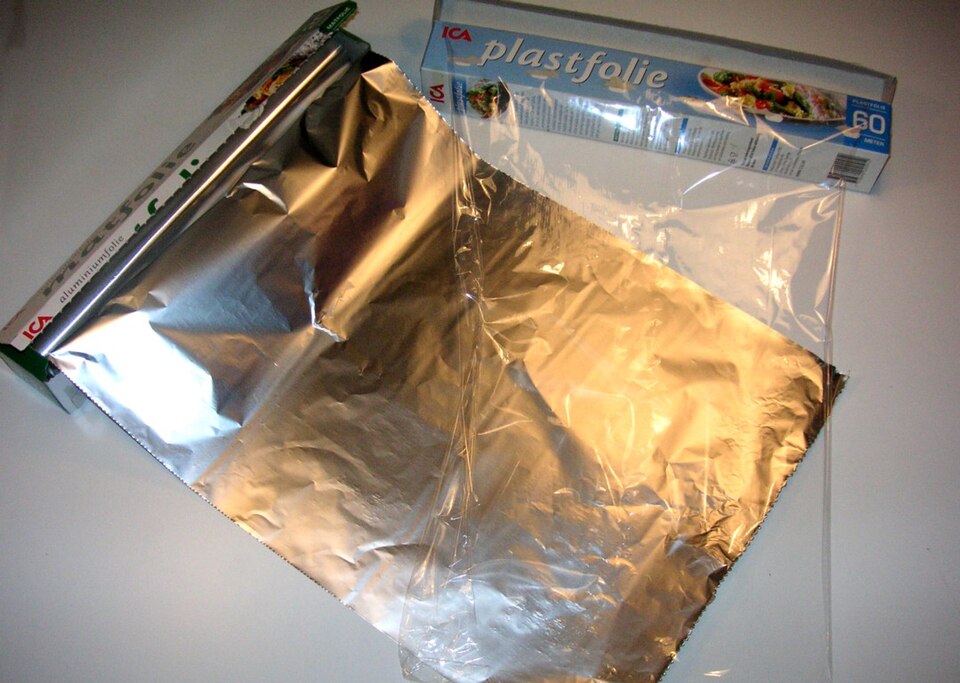
A regular oven and a microwave are not the same. A full-size oven and a toaster oven are not the same. An air fryer and a broiler are not the same. Foil may be acceptable in one appliance and risky in another, depending on how the machine heats, how air moves, and how close the food sits to the heating source.
Microwaves need special caution because metal can cause sparks if used incorrectly. Some appliance manuals allow small amounts of foil in very specific situations, but that does not mean foil should be placed in the microwave casually. Most home cooks are safer avoiding it unless the manual gives clear instructions.
Air fryers are also tricky because they depend on strong airflow. Foil can work in some air fryer recipes, but it should not block the basket, cover the entire bottom, or sit loose where it can fly upward. Blocking airflow defeats the appliance’s purpose and can leave food soggy rather than crisp.
Toaster ovens require even more care because everything sits closer to the heating elements. A foil edge that would be harmless in a large oven could be too close in a toaster oven. Always check the appliance manual before using foil in anything smaller, faster, or more airflow-dependent than a traditional oven.
Do not use foil as your only cleanup strategy.
Foil makes cleanup easier, but it should not be the only thing standing between your oven and disaster. If every recipe requires layers of foil to prevent spills, the real issue may be the pan, the rack position, or the cooking method. Sometimes the better fix is a deeper dish, a rimmed sheet pan, a roasting rack, or simply leaving more space in the pan.
Overfilled casseroles bubble over. Fruit pies leak. Fatty meats splatter. Cheese melts and slides. A foil can catch some of that mess, but it cannot fix poor pan choice. A dish filled to the very top is already asking for trouble, especially once the food starts bubbling.
Better cooking habits reduce mess before it happens. Use a baking dish with enough room for the food to expand. Place saucy foods on rimmed trays. Keep pies on baking sheets. Roast meats in pans deep enough to hold juices. These habits protect your oven better than blindly adding foil everywhere.
Foil should support smart cooking, not cover up careless preparation. The less you rely on it as a panic shield, the better your food and oven will behave.
Do not cover food too tightly when it needs to brown.

Foil traps moisture. That can be a wonderful thing when you want tender ribs, juicy chicken, soft baked potatoes, or a casserole that does not dry out. But that same trapped moisture can ruin foods that need crisp edges, golden tops, or roasted texture.
If you cover roasted vegetables tightly with foil, they may steam instead of caramelize. If you cook chicken skin for too long, it may turn soft rather than crisp. If you cover a casserole for the entire cooking time, the top may stay pale and wet instead of bubbling and golden.
The trick is timing. Use foil early when food needs moisture, then remove it later to allow browning. For example, a casserole can be covered for the first part of baking, then uncovered near the end. Meat can be tented after cooking to rest but not wrapped so tightly that the crust softens completely.
Foil changes texture. That is not bad, but it means you need to know what texture you want. If the goal is soft and moist, foil can help. If the goal is crisp and browned, the foil may need to come off.
Do not forget the shiny side question.
Many people wonder which side of aluminum foil should face the food: the shiny or the dull side. For regular household foil, the difference usually comes from the manufacturing process, not from a special cooking function. In most everyday oven uses, either side can face the food without changing much.
The bigger issue is not shiny versus dull. The bigger issue is placement. Is the foil touching acidic food for too long? Is it blocking airflow? Is it near a heating element? Is it covering the oven bottom? Those questions matter far more than which side faces up.
There is one exception worth noting. Some nonstick foils are designed with a specific coating on one side that should touch the food. If the package gives instructions, follow them. Otherwise, do not overthink the shine. Use your energy on safe placement and smart cooking.
Foil has enough real rules without inventing extra ones. Shiny side debates may be fun, but they are not the main thing standing between you and a better dinner.
Better alternatives to aluminum foil

Foil is useful, but it is not always the best tool. Parchment paper is often better for cookies, fish, roasted vegetables, and baked goods where sticking is a concern. It creates a gentle barrier, helps with cleanup, and usually gives more even results for delicate foods.
Silicone baking mats are another helpful option for baking sheets. They are reusable, reduce sticking, and work well for many cookies and pastries. They are not ideal for every high-heat roasting job, but they can reduce the need for disposable foil in everyday baking.
A covered casserole dish can replace foil when you want to trap moisture. A roasting pan with a rack can help meat cook evenly while containing drips. A rimmed sheet pan can catch spills without blocking the oven floor. Glass and ceramic dishes are useful for acidic foods because they do not react the way foil can.
The best kitchen is not built around one material. Foil, parchment, lids, racks, pans, and mats all have their place. Cooking gets easier when you choose the right tool instead of forcing foil to solve every problem.
Conclusion
Aluminum foil can absolutely go in the oven, but it needs boundaries. It is helpful when it covers dishes, wraps certain foods, shields delicate edges, or lines a pan for easier cleanup. It becomes risky when it covers the oven floor, blocks airflow, comes into contact with heating elements, or sits directly against acidic foods for too long.
The smartest home cooks do not fear foil. They respect it. They know when to use it, when to remove it, and when parchment paper, a proper pan, or a fitted lid would do a better job. A sheet of foil can save dinner, preserve texture, and make cleanup easier, but only when used with common sense.
So yes, keep the foil in your kitchen drawer. Use it proudly. Just stop treating it like it belongs everywhere in the oven. The difference between a helpful foil trick and a ruined meal is often one small placement mistake.