They look innocent, tiny, and bright, the perfect “healthy” snack. But cotton candy grapes, the sugar‑mimicking fruit sensation, are quietly redefining what we think of as guilt-free eating. They promise fun and nostalgia, but behind the novelty lies a problem: fruit is supposed to be wholesome, not a sneaky sugar hit disguised as health food.
The hype is real. Instagram feeds, TikTok videos, and grocery store displays have turned these grapes into a must-try summer fad. Yet the very appeal that draws shoppers in is what makes them the worst snack choice for anyone serious about healthy eating. What seems like harmless fruit is actually a sensory trap for your taste buds and your diet discipline.
Sweet Enough to Trick You
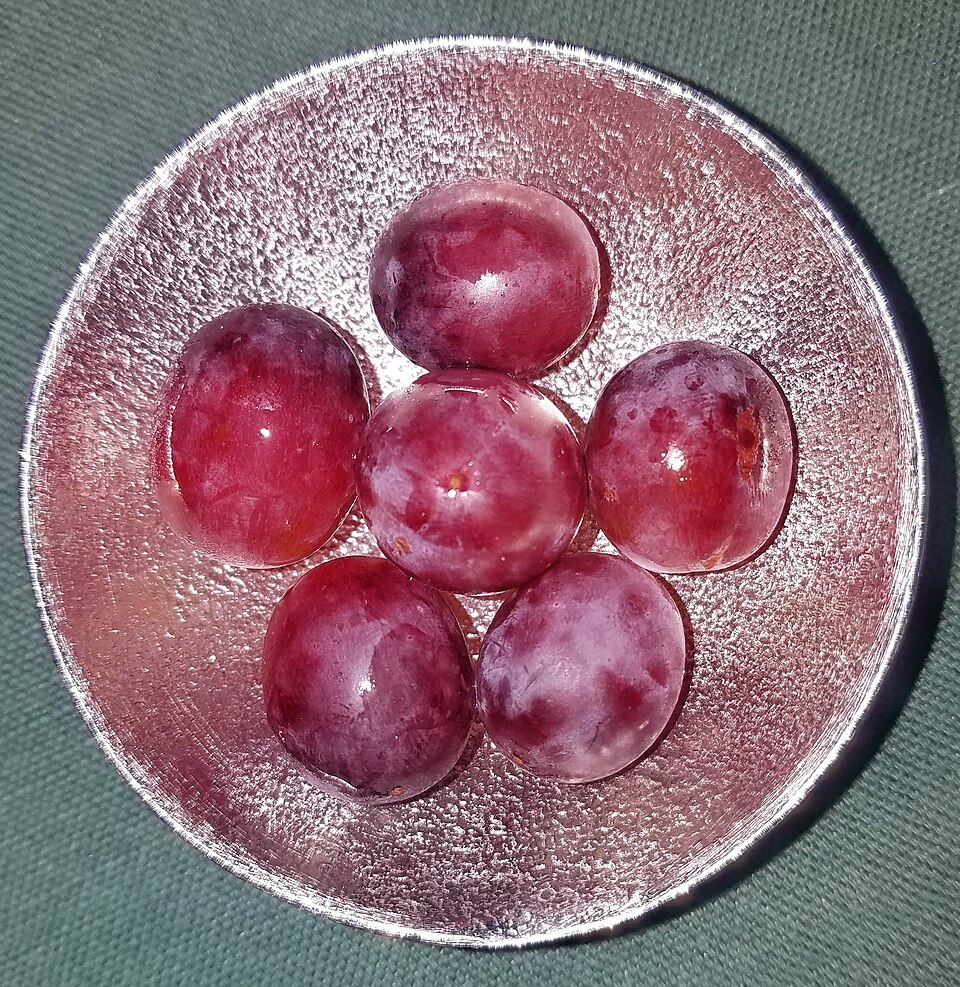
Cotton candy grapes are sweet, shockingly so. Unlike ordinary grapes, they mimic the sugary punch of carnival cotton candy, all naturally bred into the fruit. That makes them deceptive: your brain thinks you’re indulging in dessert, while your body is technically “eating fruit.”
The problem? This sweetness rewires expectations. Once your taste buds get used to cotton candy grapes, normal grapes, apples, or berries suddenly feel bland. They may train you to crave unnaturally sweet flavors, undermining the very principle of eating fruit for balanced nutrition.
They Aren’t Really ‘Healthy’ Snacks

Yes, they’re fruit. But sugar content matters — and cotton candy grapes carry more natural sugar than typical varieties, often matching the sweetness of light candies. Eating a handful can spike your blood sugar more than you’d expect from regular fruit.
For kids, teens, or anyone trying to cut back on sugar, these grapes are a trap. You may feel virtuous grabbing a fruit snack, only to be met with a sugar rush that defeats the purpose of choosing a healthy option in the first place.
Grocery Store Hype Masks Seasonal Scarcity
Cotton candy grapes appear in stores only during peak season, usually late summer through early fall. Retailers capitalize on scarcity, creating a sense of urgency that prompts shoppers to grab a bag immediately, often without considering whether it fits their weekly diet.
The hype is heightened by social media trends and influencer promotions, making the grapes feel essential rather than optional. That creates a subtle but powerful marketing pressure: buy now, eat now, regret later.
They Could Ruin Fruit for Kids
Parents trying to encourage healthy habits may face unexpected consequences. Children who try cotton candy grapes may begin to expect all fruit to taste like candy. Ordinary fruits suddenly feel bland, and getting kids to enjoy apples, pears, or plain grapes can become an uphill battle.
It’s a subtle psychological effect. The novelty of cotton candy grapes is not just fun; it subtly reshapes taste preferences, often in ways that clash with long-term nutritional goals.
Even Freezing Them Doesn’t Save Them
Some fans suggest freezing cotton candy grapes for a dessert-style treat. Sure, it’s fun. But freezing doesn’t reduce sugar or the flavor’s ability to hijack your cravings. Even when frozen, a handful can satisfy your sweet tooth in minutes, leaving you wondering if you’ve really eaten fruit at all.
For health-conscious shoppers, that makes them less of a wholesome snack and more of a clever dessert masquerade.
They’re Expensive for What They Are
Cotton candy grapes aren’t cheap. Retailers often charge premium prices for the novelty factor, meaning you’re paying extra for fruit that feels like candy. That can strain budgets and encourages the perception that healthy snacks must come with a financial premium.
Meanwhile, regular grapes or other seasonal fruit provide similar or greater nutritional value at a fraction of the cost. You’re paying for the sugar show, not the health benefits.
Social Media Makes Them Feel Essential
The grapes have gone viral for a reason. TikTok and Instagram have made the flavor an aspirational snack, and stores sell out quickly when influencers post their reactions. This social pressure transforms a simple fruit choice into a must-have item.
For those following trends rather than nutrition, it’s easy to justify a purchase. The downside? You end up consuming highly sweet fruit in larger quantities than intended, all while thinking you’re making a “healthy” choice.
Seasonal Gaps Leave Cravings Hanging
Once the short season ends, you’re left with a craving that regular grapes or berries cannot satisfy. That can push shoppers toward candy, desserts, or artificial substitutes to fill the sweet gap. Cotton candy grapes may temporarily feel healthy and indulgent, but they set up a cycle of craving and disappointment.
The fleeting availability makes them a clever marketing ploy: intense desire, high sweetness, short supply, and repeat seasonal obsession.
The Bottom Line: Fun Isn’t Always Healthy
Cotton candy grapes are fascinating and fun, but they’re not what they appear. They blur the line between fruit and candy, reset taste expectations, and subtly encourage sugar dependence all under the guise of a wholesome snack.
If you’re looking for true healthy options this summer, stick with traditional grapes, berries, or other natural fruit. Cotton candy grapes are best enjoyed occasionally and mindfully, not as a regular “healthy” habit. Fun? Absolutely. Healthy? Not as much as they’d have you believe.