Plants are not only the lifeblood of our planet, providing oxygen and fostering ecosystems, but also among the most captivating, bizarre, and unique forms of life in nature.
Below, we explore the top 10 most fascinating plants that leave an impression due to their unusual features, survival tactics, and often extraordinary appearance.
Aloe Vera
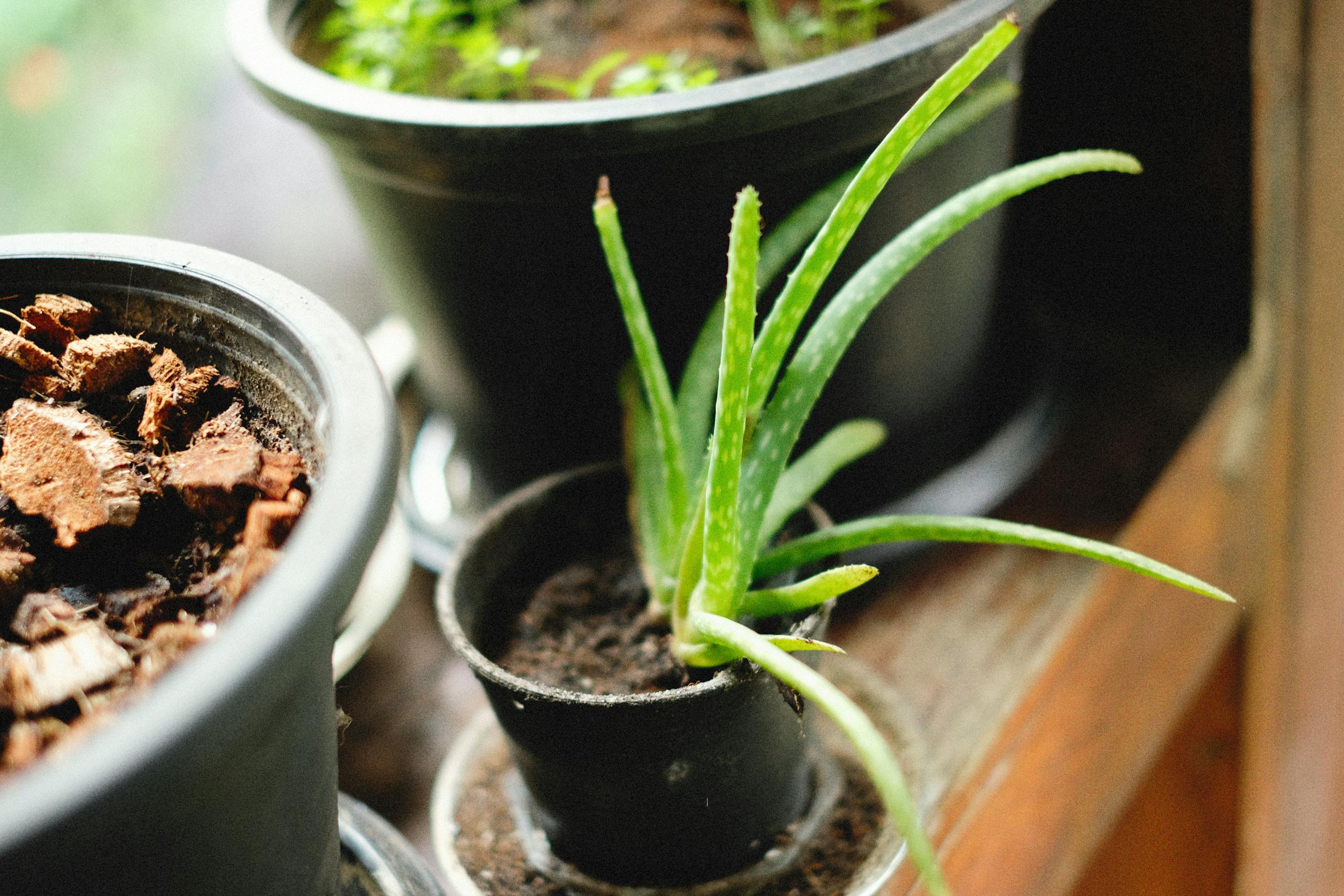
Aloe Vera excels at more than just soothing burns. This succulent boasts centuries of medicinal applications. Its thick, fleshy leaves hold a gel known for remarkable healing properties.
Thriving in dry conditions, Aloe Vera is perfect for those seeking low-maintenance greenery. Its resilience and versatility make it a staple for households and a marvel in beauty and wellness.
Amorphophallus Titanum (Titan Arum)
The Titan Arum, commonly known as the “corpse flower,” is notorious for its powerful odor, reminiscent of decaying flesh.
This stinky yet mesmerizing flower can grow up to 10 feet tall and blooms once every few years, making it a rare and sought-after spectacle in botanical gardens. While its unpleasant scent attracts pollinators like carrion beetles, its impressive size and unique structure more than compensate for its pungent nature.
Dracunculus Vulgaris
Known for its striking appearance, Dracunculus vulgaris, or the Voodoo Lily, is both beautiful and controversial due to the smell it emits during bloom.
Resembling a deep purple spire, the flower emits a fetid odor reminiscent of decomposing meat, attracting flies for pollination. Despite its off-putting scent, the plant’s elegant form and brief but captivating bloom make it a garden oddity that intrigues many plant enthusiasts.
Sundew
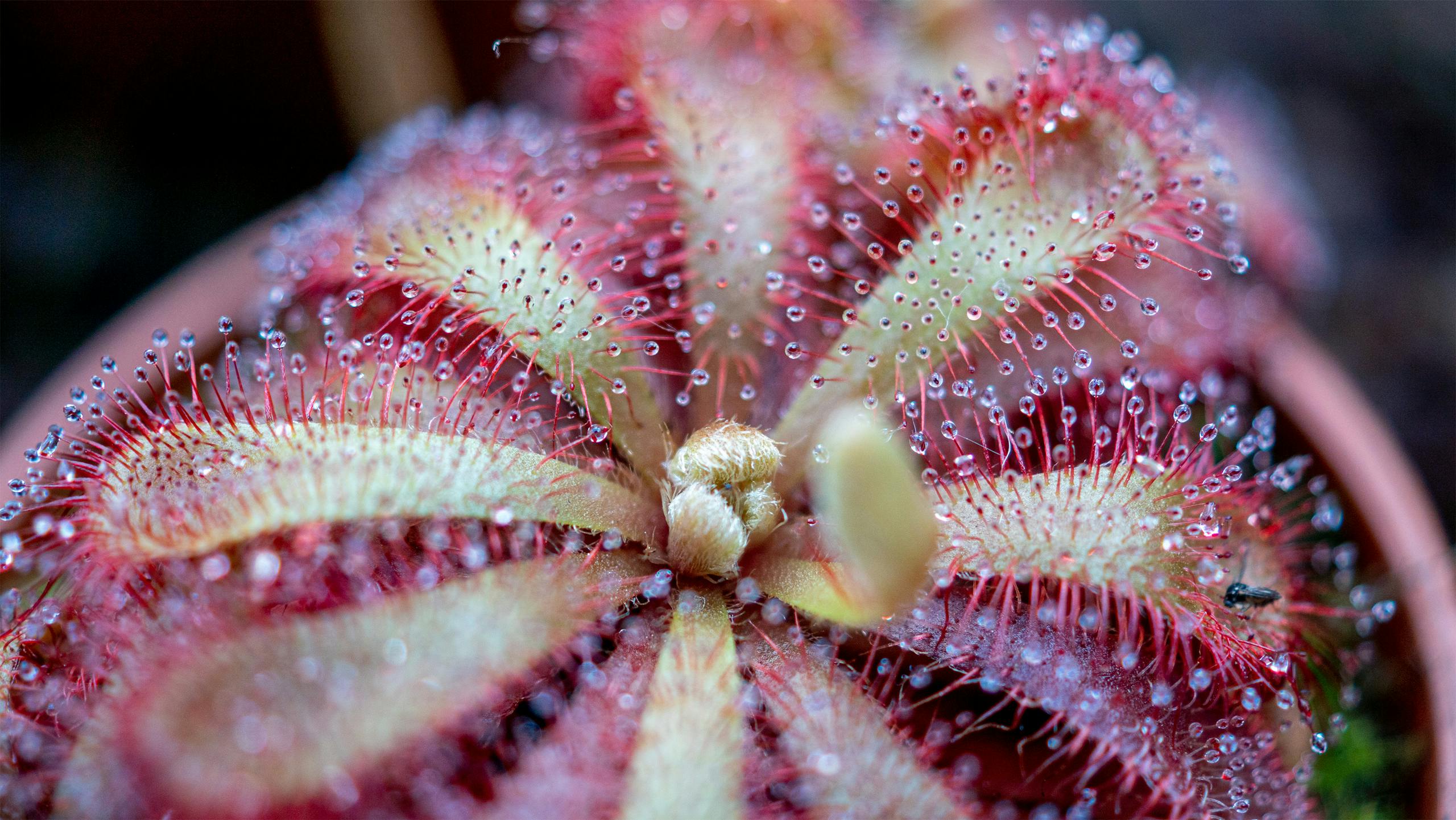
Sundews belong to another group of carnivorous plants, but they use subtle tactics to capture prey. Glandular hairs on their leaves secrete a sticky nectar, attracting and trapping insects.
As victims become ensnared, the sundew gradually closes its leaves to digest the insect. This active pursuit of survival through carnivory sets the plant apart as a resourceful example in nature.
Hydnora Africana
Hydnora africana spends most of its life underground, making it exceptionally rare. Only its flower, resembling a thick, fleshy tube, emerges above the surface.
With peculiar openings and a foul odor, the flower lures dung beetles and carrion-feeding insects. Its subterranean existence and bizarre flower shape render it one of the most curious plants known.
Welwitschia Mirabilis
Welwitschia mirabilis is a living fossil found in the deserts of Namibia and Angola. Despite its seemingly simple form – just two leaves that grow continuously throughout the plant’s life – this plant has survived in harsh desert conditions for thousands of years.
Its unique adaptations, including the ability to survive extreme droughts and heat, make it one of the hardiest plants on the planet. The plant’s incredible resilience and survival mechanism are part of what make it such an extraordinary specimen in the plant kingdom.
Titan Arum (Corpse Flower)
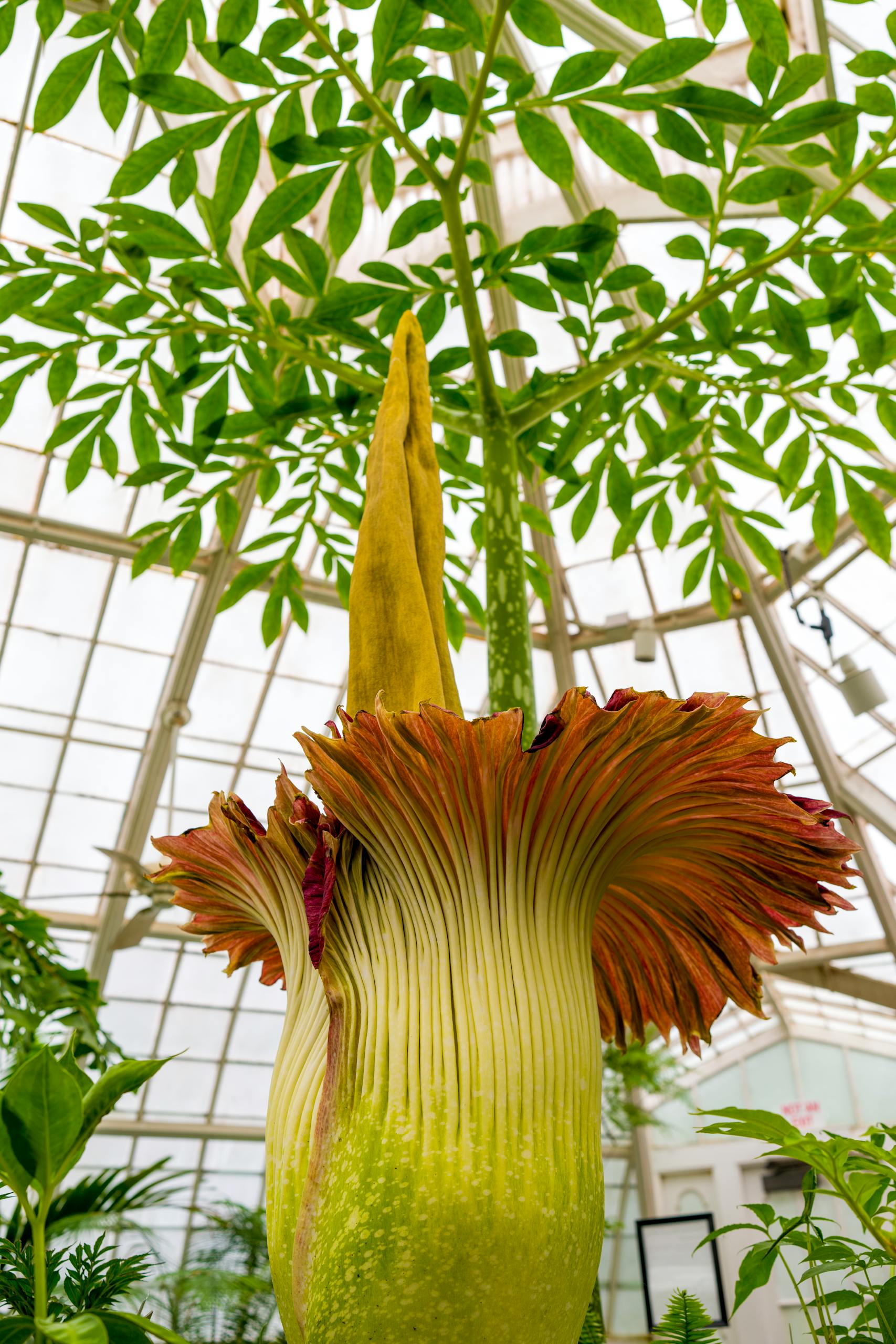
The Titan Arum, or “corpse flower,” is not only known for its enormous size but also for the foul smell it produces. This rare plant, native to Indonesia, blooms for only a few days, and when it does, it emits an odor resembling decaying flesh to attract flies and beetles for pollination.
Its infrequent blooming and the power of its scent make it one of the most striking plants to witness, earning it a place among the most famous and talked-about plants in botanical gardens worldwide.
Rafflesia Arnoldii
Rafflesia arnoldii is home to the world’s largest single flower, which can reach up to three feet in diameter. Native to Southeast Asia, it produces a foul odor reminiscent of rotting flesh, attracting pollinators such as flies.
Though it lacks chlorophyll and cannot photosynthesize, this parasitic plant steals nutrients from nearby host plants, making it a rare and ecologically unique marvel.
Nepenthes (Pitcher Plant)
Pitcher plants are a group of carnivorous plants that have evolved a fascinating method of capturing prey. Their tubular leaves form a “pitcher” filled with digestive enzymes, which trap insects that fall into the liquid.
Some species have developed a “pitfall trap” that resembles a natural pitcher of nectar, making them among the most ingenious traps in the plant kingdom. Their ability to consume and digest prey makes them a standout example of plant evolution.
Venus Flytrap
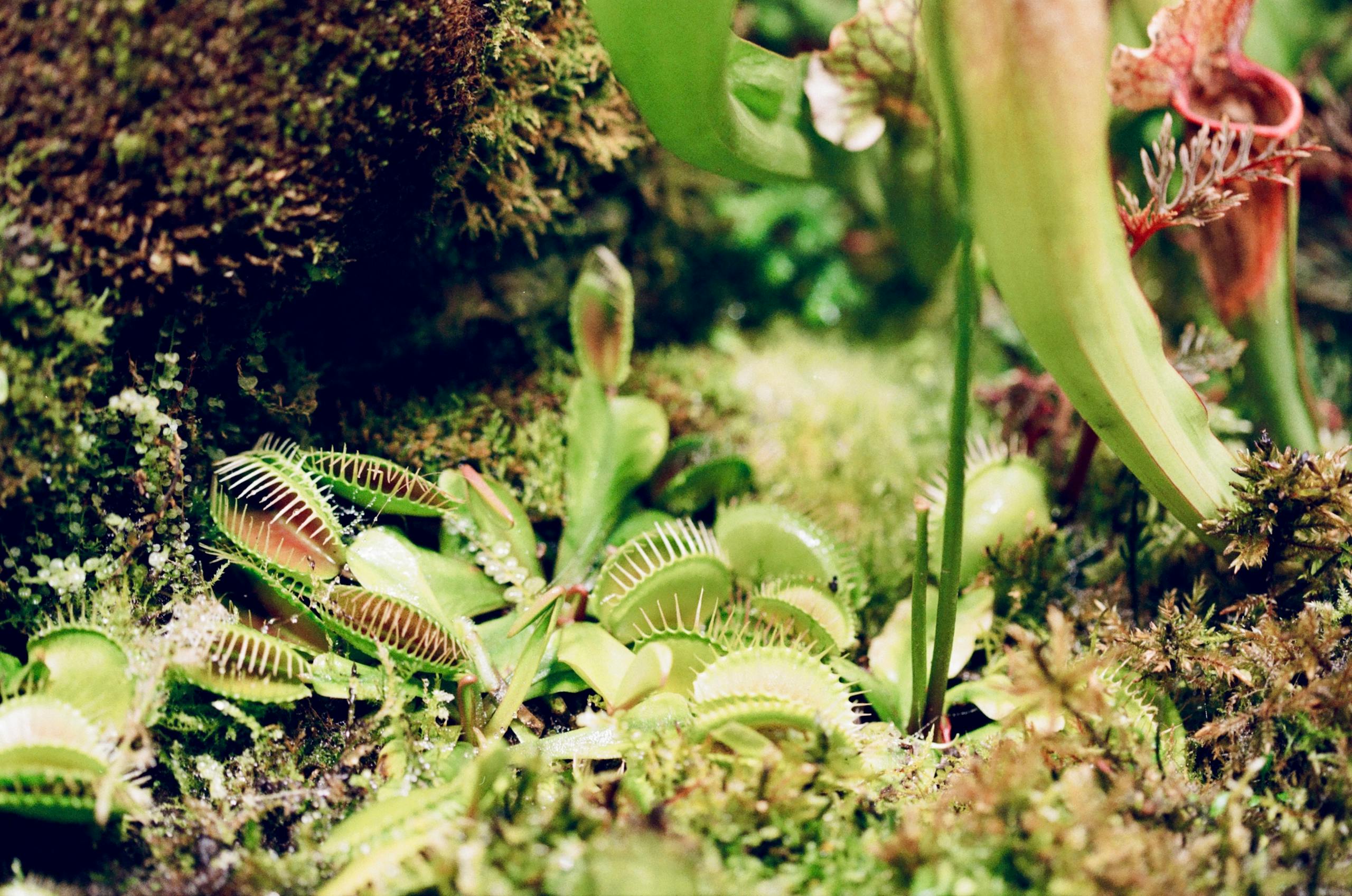
The Venus Flytrap reigns as one of the world’s most famous carnivorous plants. Modified leaves form traps that snap shut when tiny hairs inside the lobes are triggered.
Rather than relying on soil nutrients, this plant captures and digests insects. Its rapid closure and unique ability to differentiate between prey and other stimuli mark nature’s ingenuity.
Conclusion.
These ten fascinating plants highlight nature’s incredible diversity and ingenuity. With unique adaptations, unusual odors, or carnivorous habits, each plant stands out as a remarkable species.
Their stories of survival, evolution, and beauty inspire wonder in plant lovers and researchers alike.