Pumpkins are often treated like just a seasonal trend; you carve them, decorate with them, and turn them into sugary pies or coffee drinks. But what if we told you there’s more to these fall favorites than meets the eye?
What if the pumpkin you think you know is hiding a whole world of fascinating truths that could change how you view them forever? Trust us, you won’t look at pumpkins the same way again after reading these 12 shocking facts.
Pumpkins Are Giant Vines That Take Over
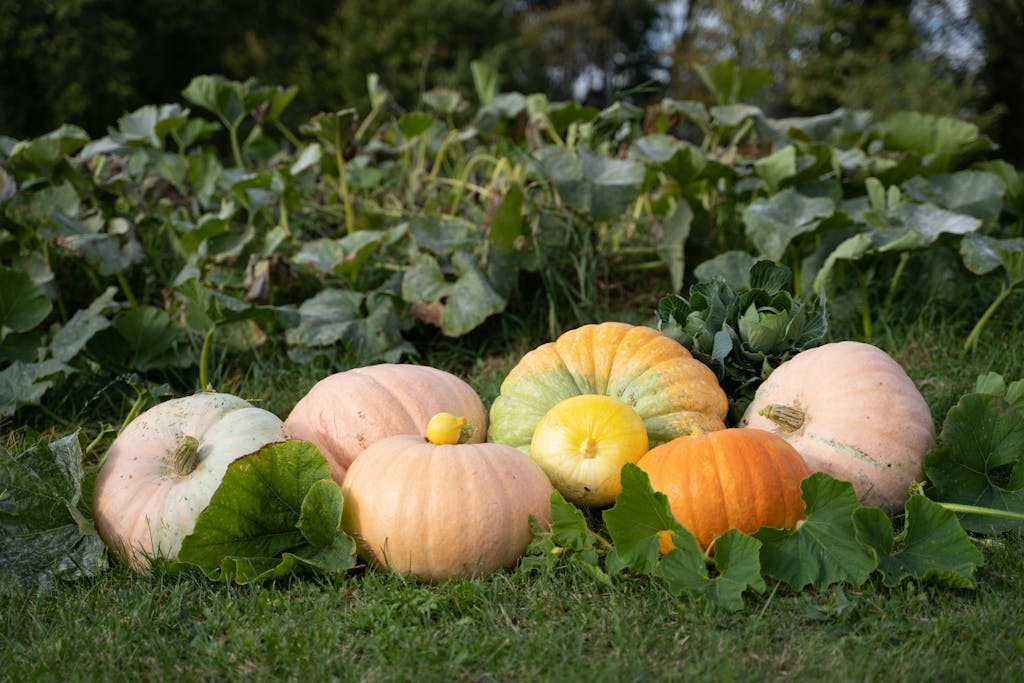
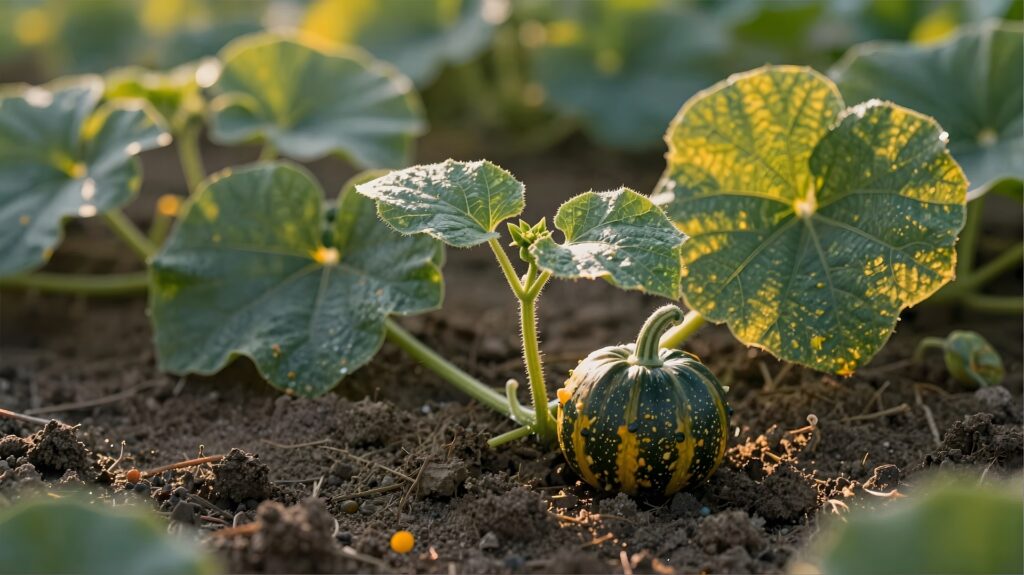
Don’t be fooled by the small, neatly carved pumpkins you see on porches. The plants themselves are aggressive growers. They can stretch over 30 feet in a single season, turning your garden into a sprawling mess of vines. These plants don’t believe in personal space; they take up room, and they do it fast.
Americans Grow Way More Pumpkins Than You Realize
It’s easy to think of pumpkins as a niche fall crop, but they’re actually a huge part of U.S. agriculture. Every year, the U.S. grows over 1.4 billion pounds of pumpkins, with Illinois leading the charge. That’s not just for decoration; pumpkins are a major player in the food industry too.
Pumpkins Are Healthier Than You Think
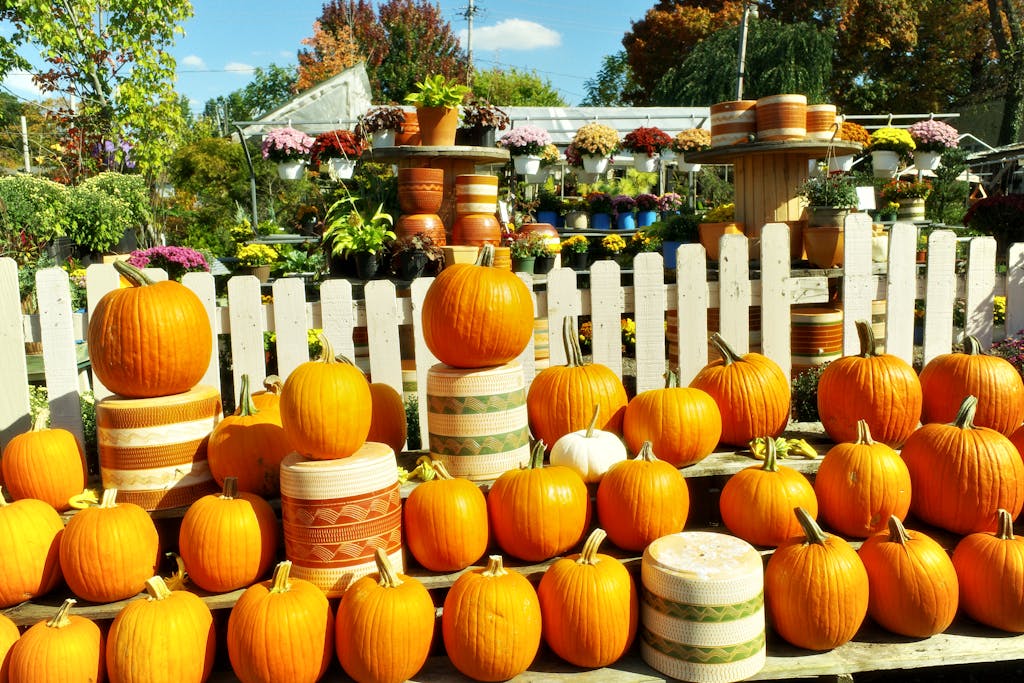
Pumpkin’s dessert reputation is misleading. In its natural form, pumpkin is packed with nutrients like beta carotene and vitamin C, and it’s mostly made of water. It’s not just a treat for your taste buds; pumpkin can be a healthy addition to your diet, and it’s much more versatile than you think.
Pumpkin Puree
While you’ve probably heard of pumpkin in pies and lattes, have you ever thought of using pumpkin puree in your cooking? It can replace butter, oil, and even eggs in many recipes, making your meals healthier and lighter without sacrificing flavor. It’s a kitchen secret you should start using.
Pumpkins Are Actually Fruits
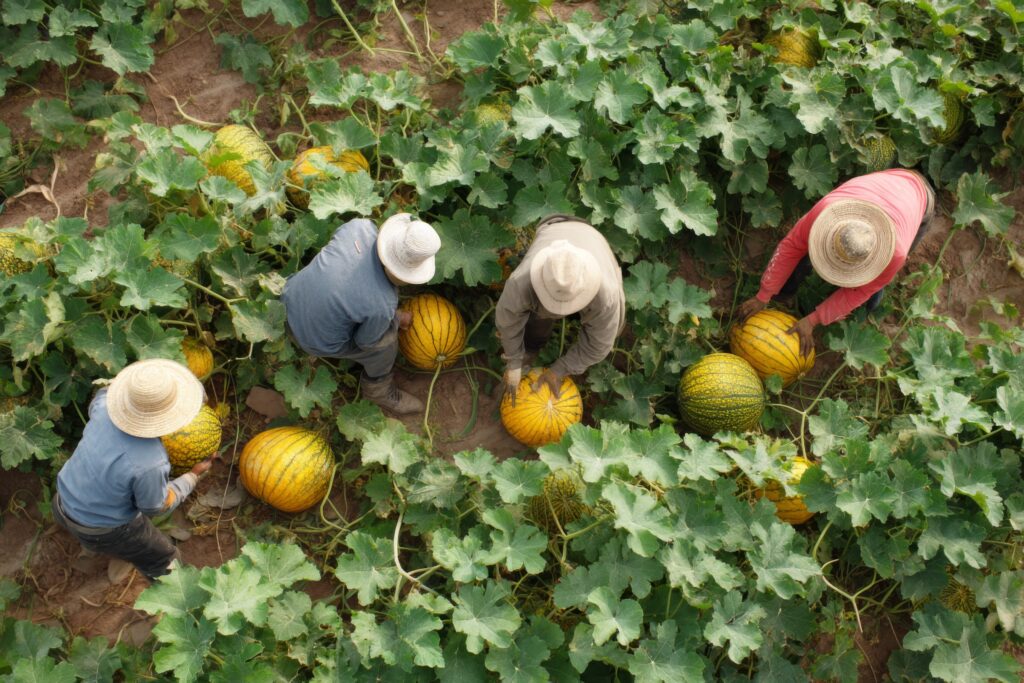
You’ve been calling them vegetables for years, but the truth is much more surprising. Pumpkins are fruits, not vegetables. They come from flowers, which places them in the fruit category, even though they’re typically used in savory dishes. Understanding this opens a whole new world of pumpkin possibilities – it’s not just for pies anymore.
Pumpkins Are Over 7,000 Years Old
This isn’t some new-age food trend. Pumpkins have been around for over 7,500 years, making them one of the oldest crops known to man. Before Instagram-famous pumpkin lattes and pies, pumpkins were a staple for survival and agriculture in ancient civilizations. Imagine the stories they could tell.
Giant Pumpkins Are Really Big
Sure, you’ve seen big pumpkins, but did you know the world record for the largest pumpkin is over 2,800 pounds? These giant pumpkins are so massive that they stop being food and become a spectacle of their own. Growing them is an art, and the results are jaw-dropping.
Don’t Toss Those Pumpkin Seeds
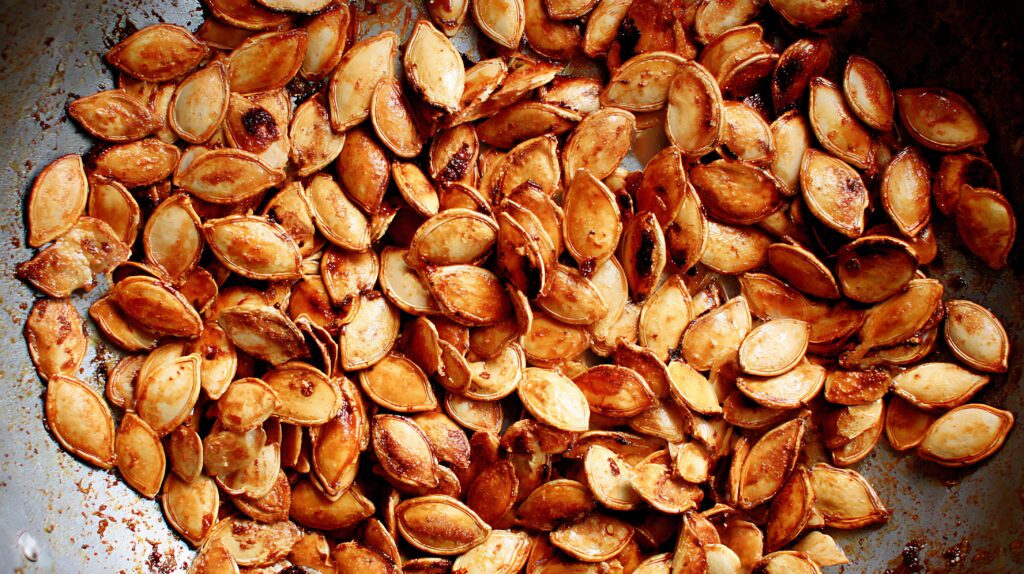
Most people think of pumpkin seeds as leftovers from carving or making pies, but they’re actually a nutritional powerhouse. Roasted pumpkin seeds are packed with protein, fiber, and healthy fats. Instead of throwing them away, save them for a snack or use them in cooking; they’re more useful than you think.
Pumpkins Are Pop Culture Icons
Beyond food and farming, pumpkins have become ingrained in pop culture. From the pumpkin patch to Halloween, pumpkins have taken on symbolic meaning in movies, stories, and songs. They’re more than just a food; they represent an entire season of fun, nostalgia, and spookiness.
Pumpkins Are Versatile and Underrated
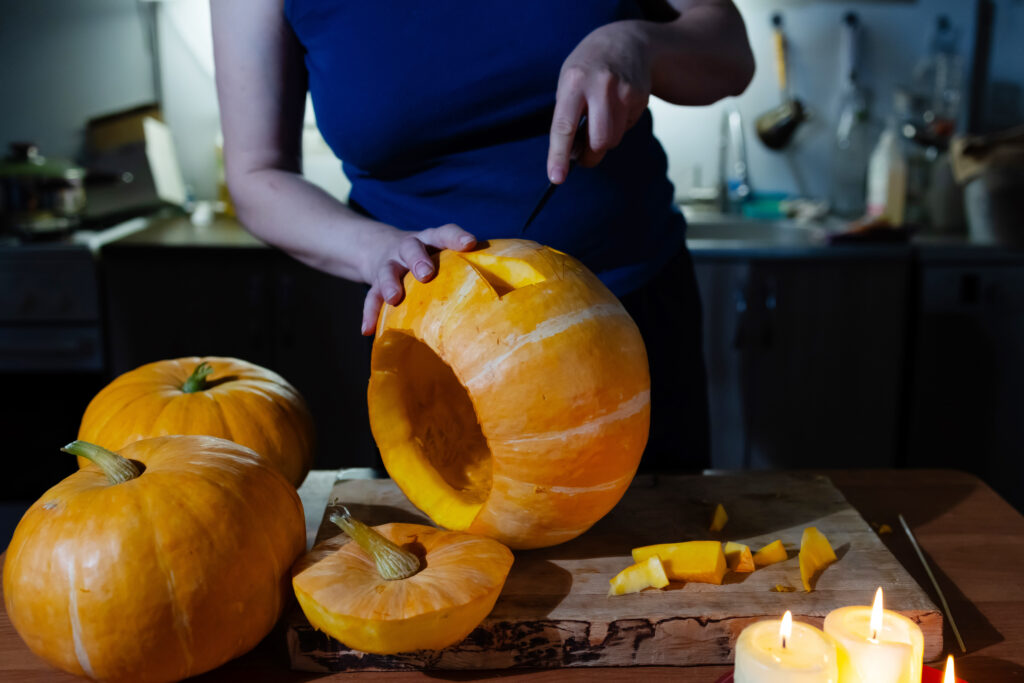
You’ve probably seen them as decoration, but pumpkins can be used in a variety of dishes, from savory soups to hearty stews, and even as a replacement for traditional baking ingredients. This versatility proves that pumpkins are not just for decoration; they deserve a permanent place in your kitchen year-round.
Jack-O-Lanterns Weren’t Always Pumpkins
The tradition of carving lanterns goes back much further than that of carving pumpkins. The original jack-o’-lanterns were made from turnips in Ireland, used to ward off spirits. It was only after immigrants brought the tradition to America that pumpkins became the go-to vegetable for carving.
Pumpkins Were Key to Native Agriculture
Long before pumpkins became fall decorations, they were part of the “Three Sisters” farming system, alongside corn and beans. Native Americans grew them as vital food sources, and pumpkins were just as important for survival as they were for tradition.
Circleville, Ohio, Takes Pumpkins Too Seriously
Some towns take pumpkins to a whole new level. In Circleville, Ohio, pumpkins are the main event, with a festival that attracts over 400,000 visitors each year. That’s not just a town tradition; that’s civic pride on display in the form of over 100,000 pounds of pumpkins.