Health advice has a strange way of turning simple choices into quiet traps. One day, we are told to drink more water, exercise harder, eat cleaner, wake earlier, cut sugar, take supplements, avoid fat, and chase discipline as if it were the only road to a better life.
Then the body starts whispering back through fatigue, cravings, poor sleep, digestive trouble, sore joints, mood swings, and confusion about why a “healthy” routine suddenly feels so punishing.
The problem is rarely the habit itself. The problem begins when balance disappears, and a good idea becomes a strict rule. We often damage our health by turning helpful routines into performances, and that is where these once-praised habits can start working against us.
Drinking Too Much Water in the Name of Hydration
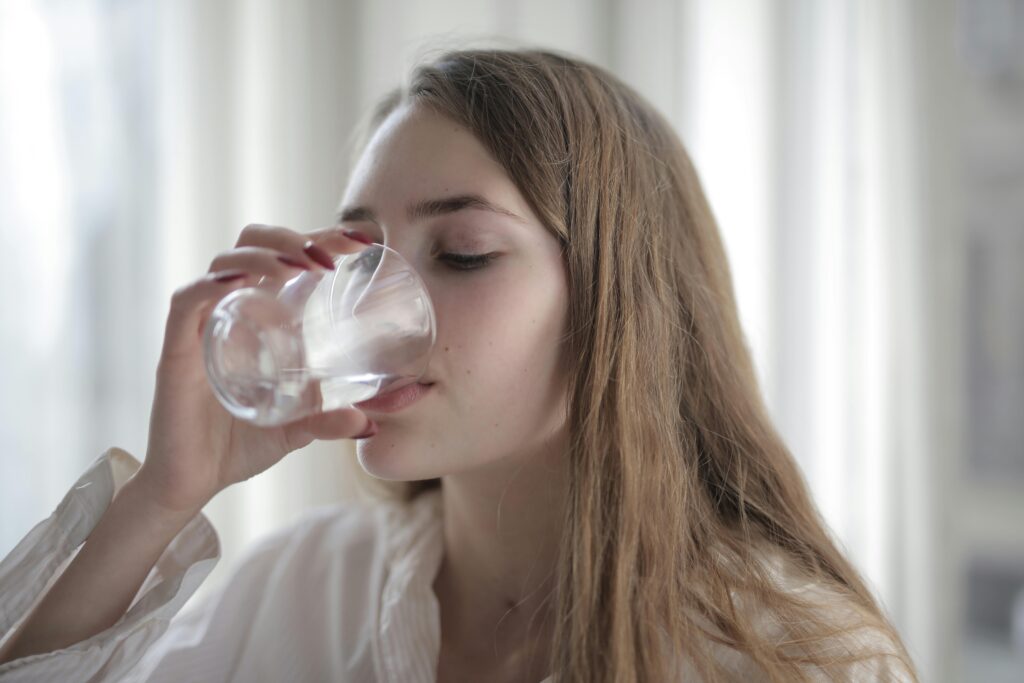
Water is essential, but forcing large amounts throughout the day can cause hydration issues. Many people carry oversized bottles and treat constant sipping like proof of discipline, even when they are not thirsty. The body needs water, but it also needs minerals such as sodium to keep nerves, muscles, and cells working properly.
When we drink far more water than the body can handle, we can dilute sodium levels, leading to weakness, dizziness, nausea, confusion, or an unusual sense of tiredness.
This is why hydration should follow thirst, activity level, climate, and health needs, rather than social media rules. A healthy water habit should support the body, not turn every hour into a drinking challenge.
Cutting Out All Fat to Eat Cleaner
For years, many people treated fat like the enemy hiding on every plate. They swapped whole foods for fat-free snacks, dry salads, plain crackers, and meals that looked light but left them hungry an hour later.
The result often backfired because fat supports fullness, flavor, hormone function, and the absorption of certain vitamins.
The real issue is choosing better fats, not deleting fat from life. Nuts, seeds, avocados, olive oil, eggs, and fatty fish can support a healthier pattern when eaten in sensible portions. A diet with no joy, no satiety, and no staying power is not clean eating. It is frustration dressed as discipline.
Exercising Hard Every Day Without Recovery
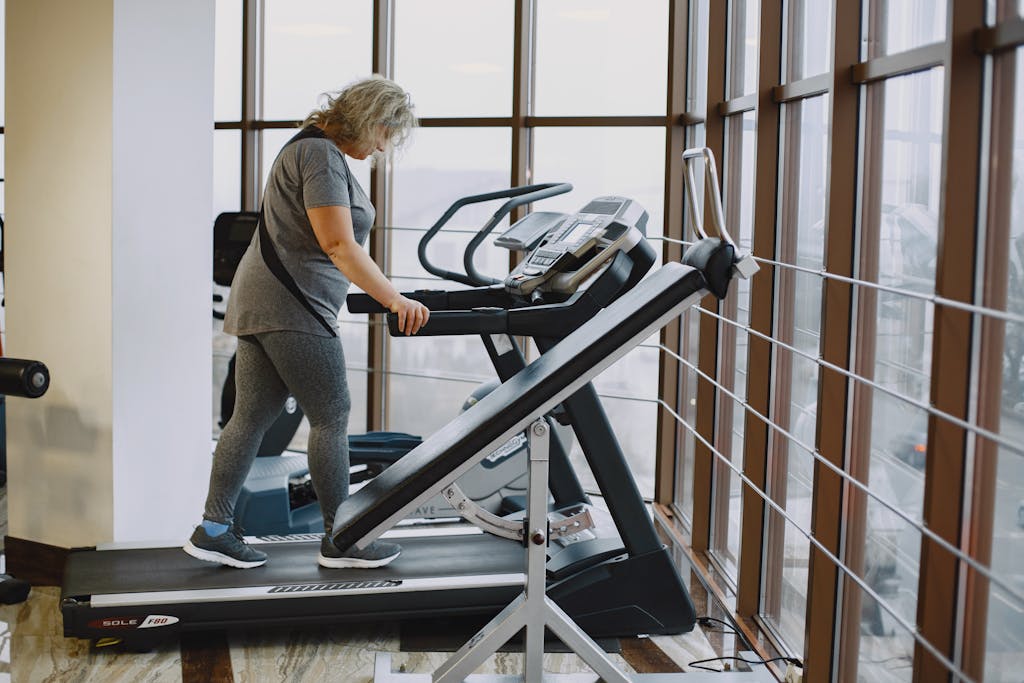
Exercise is one of the best habits we can build, but daily punishment is not the same as fitness. Some people believe soreness means progress, sweat means success, and rest means laziness. That mindset can lead to strained muscles, poor sleep, weakened immunity, joint pain, irritability, and a body that feels older rather than stronger.
We build strength during recovery, not just during workouts. Muscles need time to repair, joints need relief from repeated stress, and the nervous system needs space to settle.
A smarter routine includes movement, strength training, stretching, sleep, and real rest, because a body pushed without recovery eventually pushes back.
Replacing Meals With Smoothies and Juices
Smoothies can be useful, and fresh juice can taste refreshing. The trouble starts when we treat liquid meals as automatically healthier than real food. A giant fruit smoothie may contain more sugar than expected, and juice often removes much of the fiber that helps slow digestion and support fullness.
When we drink our meals too often, we may miss the chewing, texture, protein, and balanced nutrients that make a meal satisfying.
We also tend to feel hungry sooner, which can trigger snacking and cravings later in the day. A better approach is to use smoothies as one option, not as a permanent replacement for balanced plates.
Trying Detox Cleanses for a Fresh Start
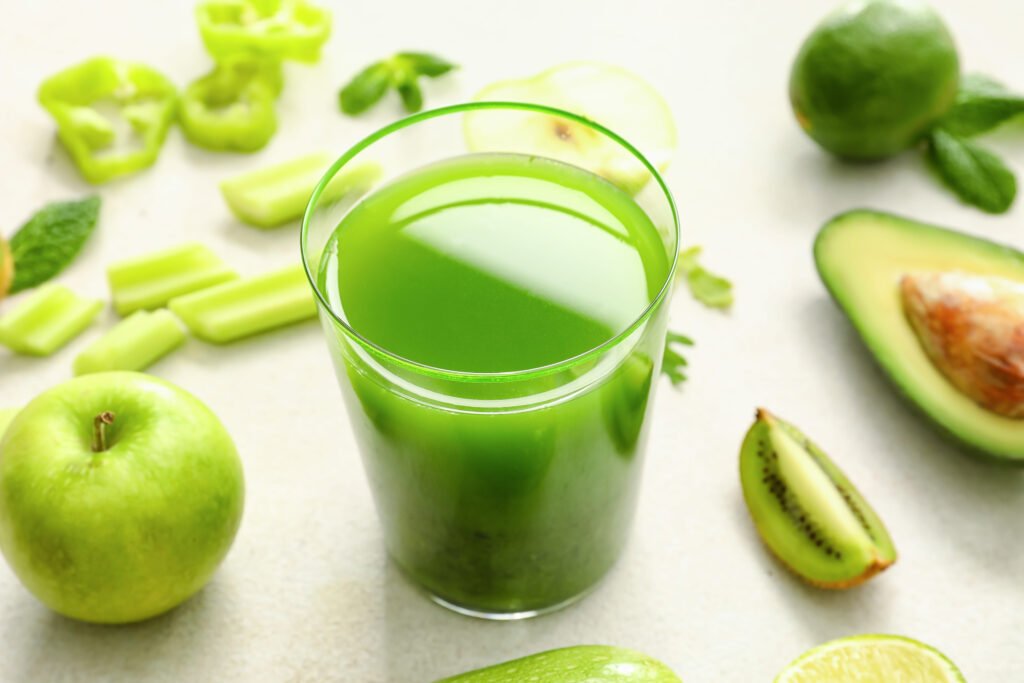
The word detox sounds clean, powerful, and almost magical. It promises a reset after overeating, stress, travel, or a long stretch of poor habits. That promise is exactly why cleanses became popular, but many detox plans rely on severe restriction, laxatives, expensive drinks, or unrealistic claims that do more harm than good.
The body already has organs designed to process waste, including the liver, kidneys, lungs, digestive system, and skin.
We support those systems with regular meals, fiber-rich foods, sleep, hydration, and reduced alcohol intake, not panic cleanses. A healthy reset should feel steady and nourishing, not like punishment in a bottle.
Skipping Meals to Prove Discipline
Skipping meals can look like a form of control from the outside. Some people call it willpower, fasting, or self-mastery, especially when they are trying to lose weight or recover from a heavy meal the day before. But skipping meals without a plan can lead to low energy, headaches, poor concentration, overeating later, and a tense relationship with food.
We do better when we pay attention to hunger, schedule, medical needs, and activity level. Some people can handle structured fasting, while others feel worse when they go too long without food. A habit is only healthy if it supports the life we actually live, not the version of discipline that looks impressive online.
Taking Supplements Like They Are Harmless Insurance
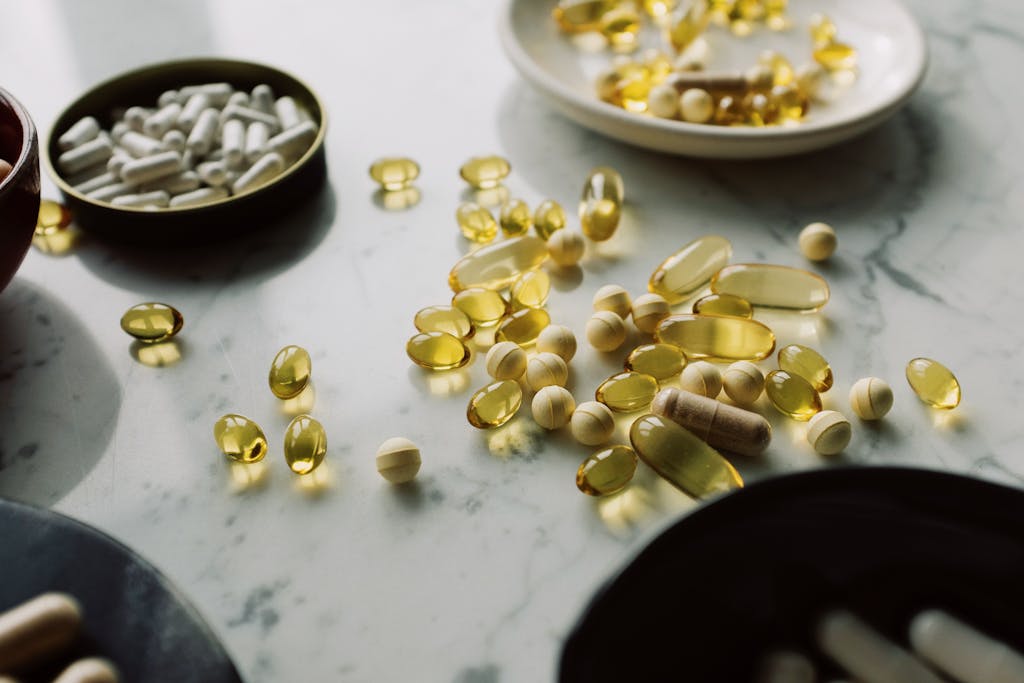
Vitamins, minerals, herbs, powders, and capsules often feel safe because they sit on wellness shelves rather than on pharmacy counters. Many people take them as insurance, assuming that more support means better health. But supplements can interact with medications, increase the risk of surgery, cause side effects, or deliver more of a nutrient than the body needs.
We should treat supplements with the same seriousness we give any product that changes body chemistry. A blood test, medication review, or professional guidance can make the difference between helpful support and an avoidable problem.
Food should remain the foundation, and supplements should fill real gaps rather than become a guessing game.
Brushing Teeth Too Hard for a Cleaner Smile
A clean mouth matters, but aggressive brushing can quietly damage the very smile we are trying to protect. Some people scrub their teeth like tiles, thinking pressure removes more plaque and stains. Over time, harsh brushing can irritate gums, wear on enamel, and make teeth feel sensitive.
Better brushing is gentle, consistent, and patient. A soft-bristle brush, careful movement, fluoride toothpaste, and enough time matter more than force.
Healthy teeth do not need to be attacked twice a day. They need a steady routine that cleans without causing damage.
Avoiding Sunscreen to Get More Vitamin D
Vitamin D matters, and sunlight helps the body make it. That fact has led some people to skip sunscreen, chase a tan, or treat sunburn as the price of better health.
The problem is that ultraviolet exposure can damage the skin, accelerate visible aging, and increase the risk of serious skin problems over time.
We should not trade skin protection for a misunderstood vitamin goal. Safer choices include balanced sun exposure, vitamin D-rich foods, blood testing when needed, and supplements when recommended. Protecting the skin is not the enemy of wellness. It is part of wellness.
Waking Up Extremely Early While Sleeping Too Little

Early mornings have become a badge of ambition. We see routines built around sunrise workouts, journaling, cold showers, emails, and productivity before breakfast. The habit can be useful for some people, but it backfires fast when waking early means cutting sleep short.
A tired body does not become healthier because the alarm rang before dawn. Poor sleep can affect mood, appetite, focus, immune function, and decision-making throughout the day.
A strong morning routine begins the night before, because sleep is not wasted time. It is one of the body’s most important repair systems.
Conclusion
Many healthy habits fail because we turn them into extremes. We drink beyond thirst, exercise beyond recovery, restrict beyond reason, and follow rules that ignore the body’s signals. What starts as self-care can become self-pressure when the habit matters more than the person practicing it.
Real health is less dramatic than most trends make it seem. It looks like consistency, enough sleep, balanced meals, enjoyable movement, gentle routines, and the wisdom to stop when something feels wrong. A habit should make life stronger, calmer, and more sustainable. If it leaves us depleted, anxious, injured, or obsessed, it may be time to call it what it is: a good idea that went too far.
This article is for informational purposes only and does not replace professional medical advice.