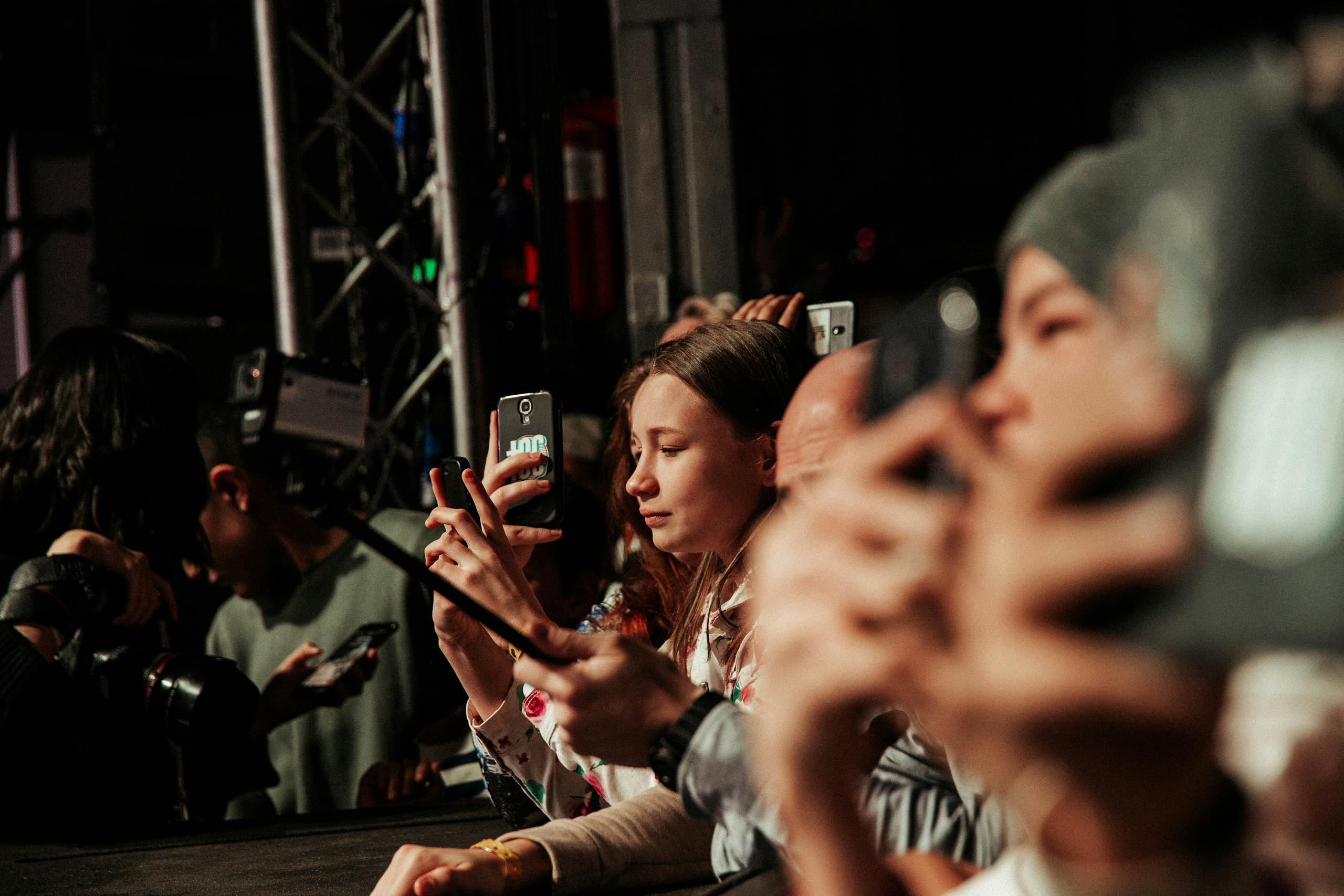
Social media rarely steals our time in one dramatic sweep. It takes it in tiny pieces, one scroll, one notification, one quick reply, one harmless video, one comment check, one late-night refresh. By the time we notice, an hour has slipped away, our attention feels scattered, and the task we meant to finish is still sitting untouched.
We often blame social media itself, but the real trap lies in the habits we repeat without thinking. These habits look normal because almost everyone does them. They feel small because they happen in seconds. Yet those seconds gather quietly until they become lost mornings, distracted afternoons, delayed goals, and evenings that disappear into glowing screens.
Checking Social Media First Thing in the Morning

The morning sets the tone for the whole day, yet many of us hand that power to social media before our feet even touch the floor. We wake up, reach for the phone, and let other people’s opinions, vacations, arguments, jokes, updates, and emergencies flood the mind before our own thoughts have had a chance to form. What feels like a quick check often becomes a messy mental traffic jam.
This habit wastes time because it steals direction. Instead of beginning the day with intention, we begin it reacting to whatever the feed decides to show us.
One post leads to a comment, one comment leads to another profile, and one profile leads to a string of videos we never planned to watch. Before breakfast, the mind is already tired, and the day starts with comparison, distraction, and a quiet sense of being behind.
A stronger morning routine protects attention before the world starts asking for it. We can check messages after washing up, planning the day, stretching, praying, journaling, exercising, or eating something simple. The goal is not to avoid social media forever. The goal is to stop letting it become the first voice we hear every morning.
Scrolling Without a Clear Purpose
Mindless scrolling is one of the biggest time leaks in modern life. It begins with no real question, no real goal, and no clear stopping point. We open an app because we are bored, tired, curious, anxious, or avoiding something else, and then we keep swiping our thumb as if the next post will finally scratch the itch.
The problem is that most feeds are built to keep the next thing coming. There is always another clip, another photo, another dramatic caption, another hot take, another trend, and another reason to stay for just a little longer.
We tell ourselves we are relaxing, but the body often remains tense, and the mind keeps jumping from one topic to another.
This habit wastes time because it has no natural finish line. Watching one planned video is different from falling into a stream of content with no destination. A healthier way to use social media is to open it with a purpose. We can check a specific account, reply to messages, post content, look up an idea, or spend a planned amount of time catching up. Without a purpose, the feed becomes a hallway with no exit sign.
Reading Comment Sections That Add Nothing

Comment sections can feel entertaining, especially when people argue, joke, correct each other, or turn a simple post into a full public courtroom. At first, reading comments feels harmless. We are not posting, fighting, or creating drama. We are just watching. But watching can still consume more time than we realize.
The real danger is emotional bait. A comment annoys us, then another makes us laugh, then another makes us angry, then we keep reading to see who responds. Suddenly, we are invested in strangers debating a topic we did not care about ten minutes earlier. The mind becomes hooked on conflict, and the clock keeps moving.
Most comment sections do not improve our lives, deepen our knowledge, or help us finish anything important.
They can be useful when we need product reviews, practical advice, or helpful clarification, but endless comment diving turns attention into entertainment for someone else’s argument. We can save time by asking one simple question before opening the comments: Will this help me, or will it only pull me deeper?
Refreshing Notifications Every Few Minutes
Notifications create the illusion that something important might be waiting. A like, reply, message, share, tag, or new follower can feel like a small reward, especially after posting something. This is why many people keep checking their phones even when there is no sound, no alert, and no real reason to look.
The habit wastes time because it fragments focus. We may only check for a few seconds, but each check interrupts whatever we were doing.
The mind has to step away from the task, process the app, react emotionally, then return to work with less momentum than before. Over the course of a full day, those small interruptions can make simple tasks feel strangely difficult.
This pattern becomes even worse for people who create content, run businesses, manage pages, or care deeply about engagement. We start treating every notification like a report card. Instead of posting and returning to life, we keep asking the phone if we are visible enough. A better habit is to check notifications at set times, reply with intention, and stop turning every buzz into a command.
Comparing Your Life to Curated Highlights

Comparison is one of the quietest ways social media wastes time. It does not always look like scrolling. Sometimes it looks like staring at someone’s vacation photos, studying a stranger’s body, analyzing a former classmate’s career, or wondering why another person’s relationship looks softer, richer, happier, or more exciting than ours.
The time loss here is not only minutes. It is mental energy. Comparison makes us replay our choices, doubt our progress, and measure ordinary life against edited fragments.
We forget that most people post the clean corner, the best angle, the happiest second, the filtered smile, and the success story after the struggle has been hidden from view.
When comparison takes over, we stop using social media and start letting it use us. We may spend twenty minutes looking at someone else’s life, then carry the emotional weight for the rest of the day. The solution is not pretending we never compare. The better move is to notice when a feed leaves us feeling smaller, then mute, unfollow, or step away from accounts that make our own lives feel like something we keep apologizing for.
Arguing Online With People Who Are Not Listening
Online arguments often begin with the belief that we can correct, explain, defend, or educate someone. Sometimes meaningful conversations happen, but many debates are built to drain attention rather than create understanding. A stranger posts something rude, false, shallow, or unfair, and suddenly we feel responsible for fixing the internet before lunch.
This habit wastes time because most online arguments never reach a real conclusion. Even when we make a strong point, someone can twist it, ignore it, mock it, or demand more explanation.
The conversation keeps stretching, and our emotional energy keeps shrinking. We may win the wording and still lose the afternoon.
The hardest truth is that many people online are not looking for clarity. They are looking for attention, reaction, entertainment, or a place to release frustration. We protect our time by choosing which conversations deserve us. We can correct misinformation when it matters, support people who are being treated unfairly, and still refuse to turn every comment section into a personal battlefield.
Saving Endless Content You Never Revisit
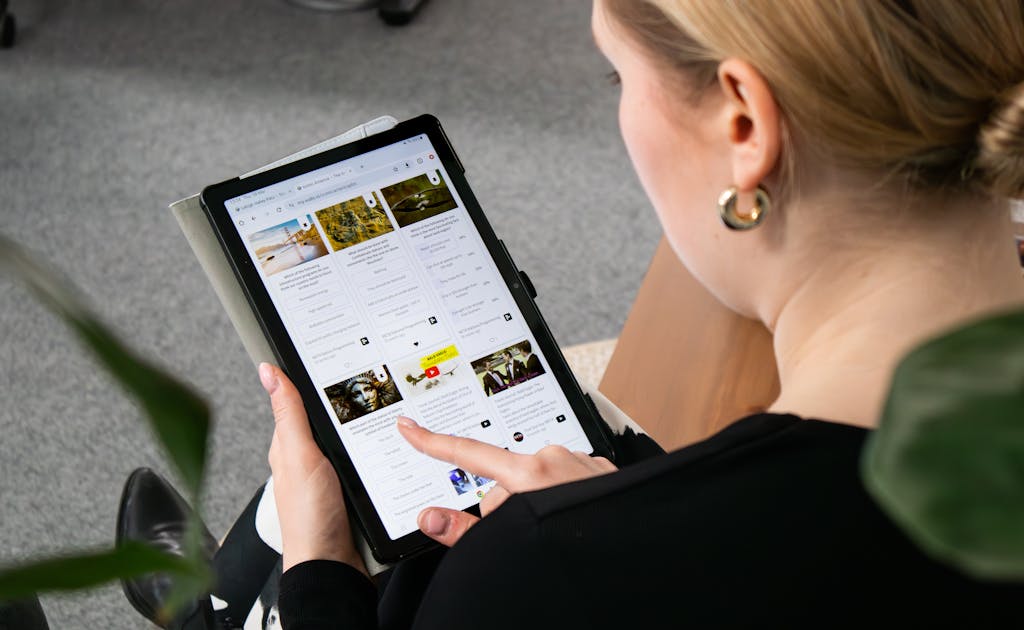
Saving posts feels productive. We save recipes, workouts, money tips, writing prompts, fashion ideas, business advice, relationship reminders, travel guides, home decor inspiration, and motivational quotes. In the moment, it feels like we are building a library for our future self. In reality, many saved folders become digital storage rooms we never clean and rarely use.
This habit wastes time by creating the illusion of progress without action. Saving a workout is not the same as exercising. Saving a recipe is not the same as cooking.
Saving a business tip is not the same as applying it. The brain gets a tiny reward from collecting useful ideas, even when nothing changes afterward.
A better system is to save less and use more. We can create simple folders, review saved posts once a week, delete anything that no longer matters, and choose one idea to act on immediately. Social media can inspire real improvement, but that inspiration becomes clutter when we keep collecting advice and never act on it.
Conclusion
Social media is not always the villain. It can connect us, teach us, entertain us, grow our brands, support our businesses, and keep us close to people we care about. The danger begins when our habits become automatic and our time disappears without a clear return.
We do not need to delete every app to take back control. We need to use them with sharper intention. Checking less often, scrolling with purpose, avoiding empty arguments, protecting mornings, and refusing comparison can give us back hours we did not realize we were losing.
Time does not usually vanish all at once. It leaks through the tiny habits we excuse as normal. When we fix those habits, social media becomes a tool again, rather than a quiet thief sitting in our pocket.