The health of our eyes often takes a back seat to the hustle of daily life. Yet, we rely on our vision more than any other sense, and even the smallest habits can contribute to its decline over time.
From the constant glare of digital screens to neglecting essential protective measures, many of us are slowly damaging our eyes without even realizing it. In this article, we’ll explore eight everyday habits that quietly harm your eyes and provide eye-opening insights into how they affect your vision. Understanding these habits will empower you to take control of your eye health and prevent potential long-term damage.
Excessive Screen Time

If you’re reading this, you’re likely doing it on a screen. Whether it’s your phone, computer, or television, the time we spend looking at screens has increased drastically in the past decade. This leads to digital eye strain, a condition that causes headaches, blurry vision, and intense fatigue. It’s more than just discomfort; over time, this strain can cause long-term damage, weakening the muscles around the eye, leading to difficulty focusing. Additionally, the blue light emitted from screens interferes with your sleep cycle, and prolonged exposure could contribute to macular degeneration later in life.
Instead of ignoring the discomfort, it’s essential to follow practical strategies to prevent it. The 20-20-20 rule is a simple but effective method: every 20 minutes, look at something 20 feet away for 20 seconds. This not only gives your eyes a break but also helps to reset your focus. Incorporating blue light filters and taking regular breaks can make a huge difference, ensuring you’re not sacrificing your long-term vision for short-term convenience.
Not Wearing Sunglasses Outdoors

It’s easy to forget that the sun’s harmful rays don’t just affect our skin.UV radiation can penetrate the eye’s lens and retina, leading to serious conditions like cataracts and macular degeneration.
While we’re good about wearing sunscreen for our skin, many people neglect to protect their eyes. Even on cloudy days or during winter months, UV rays are still present and can cause gradual, almost imperceptible damage to your vision. Over time, this exposure can lead to significant deterioration of the eye’s tissues.
To mitigate this, wearing UV-blocking sunglasses is a must. Not just any sunglasses, make sure they are labeled UV400 or higher, which offers 100% UV protection. Polarized lenses also help reduce glare from reflective surfaces like water or snow, making them particularly useful when skiing or driving in bright conditions. You wouldn’t leave your skin unprotected, so why let your eyes suffer in the same way?
Rubbing Your Eyes
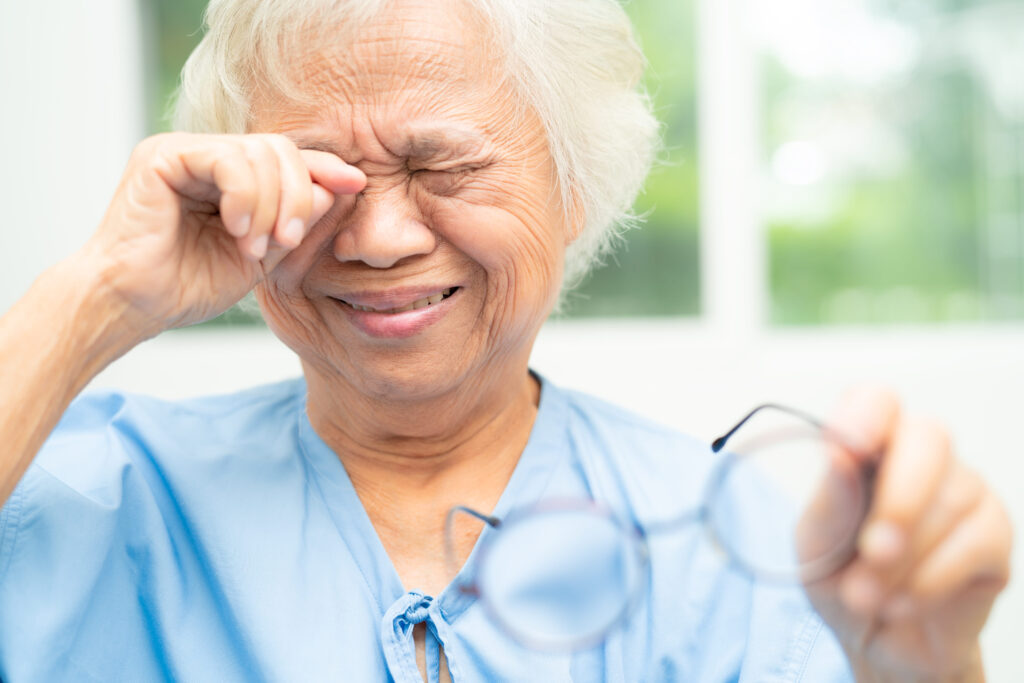
If you’ve ever felt the urge to rub your eyes after a long day, you’re not alone. Many people do it instinctively when they’re tired or their eyes feel itchy. However, this seemingly harmless habit can cause long-term damage. Rubbing your eyes can lead to corneal abrasions, where the outer layer of your eye is scratched, causing irritation and, in extreme cases, infection. What’s worse, it can transfer dirt, oil, and bacteria from your hands directly into your eyes, increasing the risk of conjunctivitis or other eye infections.
Rubbing your eyes also puts unnecessary pressure on the delicate skin around them, which can contribute to wrinkles and dark circles. Rather than rubbing, use moisturizing eye drops or a cold compress to relieve dryness and irritation. When allergies flare up, consider using antihistamine eye drops to soothe the discomfort without further aggravating your eyes.
Not Getting Enough Sleep
Sleep is when our bodies recover and regenerate, including our eyes. Yet many of us don’t prioritize sleep, especially amid busy work schedules or late-night screen use. When we don’t get enough rest, the eyes never have a chance to fully recover from the strain of the day. This leads to dry eyes, eye fatigue, and an increased risk of conditions such as glaucoma and retinal diseases.
Ensuring you get 7-8 hours of quality sleep per night is crucial. If you struggle with falling asleep, reduce screen time before bed and consider using a sleep mask to block out excess light. Not only will this allow your eyes to rest, but it will also improve your overall health by boosting immune function and enhancing focus the following day.
Skipping Regular Eye Checkups
Most people wait until they experience symptoms such as blurred vision or discomfort before seeing an eye doctor. By that time, irreversible damage may already have been done. Many eye conditions, such as glaucoma, macular degeneration, and diabetic retinopathy, develop gradually and without noticeable symptoms in their early stages. Regular eye checkups are the best way to catch these problems early and prevent long-term damage.
Scheduling an eye exam every 1 to 2 years is essential for maintaining your vision health. If you have a family history of eye diseases or conditions, such as diabetes, more frequent checkups are recommended. Eye exams can also help adjust prescriptions for glasses or contact lenses to ensure you’re seeing as clearly as possible.
Not Removing Makeup Properly
Leaving makeup on overnight or failing to remove it thoroughly can be more damaging to your eyes than you think. Mascara, eyeliner, and other makeup products can transfer harmful particles into the eyes, leading to infections like conjunctivitis. If you wear contact lenses, makeup particles can get trapped between the lens and your eye, causing discomfort and potentially leading to serious eye infections.
To avoid this, always thoroughly remove your makeup before bed with a gentle, non-irritating cleanser. It’s also essential to clean makeup brushes regularly to prevent bacteria buildup, which can contribute to infections. If you wear contact lenses, avoid wearing makeup that can easily flake off or smudge into your eyes. Regularly clean your lenses and replace them according to the prescribed schedule to avoid unnecessary risks.
Poor Diet and Dehydration
What you eat directly impacts your eye health. A diet lacking key nutrients such as vitamin A, omega-3 fatty acids, zinc, and lutein can increase the risk of vision problems over time.
Additionally, dehydration can lead to dry eyes, causing discomfort and even more severe complications if left unaddressed. A poor diet can also lead to long-term conditions like macular degeneration.
Incorporating foods rich in lutein and zeaxanthin, such as spinach, kale, sweet potatoes, and carrots, can protect against harmful light exposure and support your vision. Stay hydrated by drinking plenty of water throughout the day, and make sure to eat a balanced diet rich in vitamin-rich, antioxidant-packed foods to nourish your eyes from the inside out.
Using Expired Eye Products
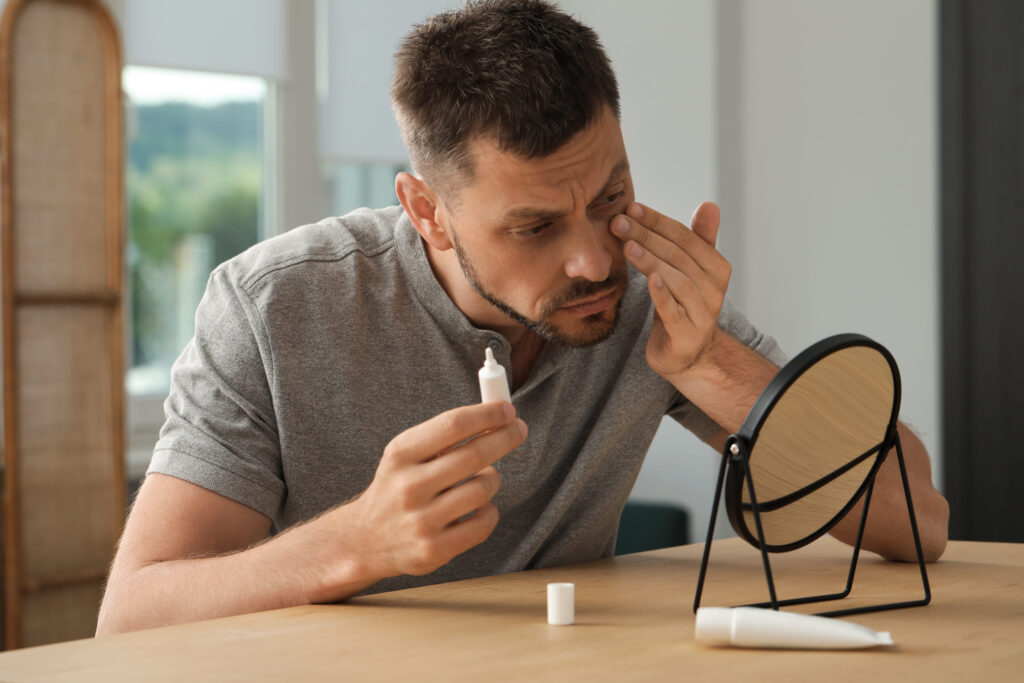
Expired eye products, such as contact lenses, eye drops, and makeup, can do more harm than good. Contact lenses worn too long or not properly cleaned can trap bacteria and cause eye infections, such as keratitis. Using expired eye drops can lead to irritation, redness, or even allergic reactions. Old makeup can also harbor bacteria, which increases the risk of infection around the eyes.
To prevent this, always check the expiration dates on eye products and discard anything that is past its prime. Regularly clean your contact lenses and replace them as recommended by your eye care professional. When it comes to makeup, toss items that are over six months old and replace them with fresh products.
Conclusion
Our eyes are an essential part of our daily lives, and yet they often go overlooked. Small changes in our habits, such as reducing screen time, wearing sunglasses, and maintaining a healthy diet, can significantly improve our eye health and prevent future problems. By becoming more mindful of these seemingly harmless habits, we can ensure that our eyes stay healthy for years to come.