Eggs are one of the most versatile and nutritious ingredients found in kitchens across the globe. Whether used in baking, cooking, or simply as part of a nutritious breakfast, eggs are indispensable.
However, like all perishable foods, eggs have a shelf life and can spoil. It is crucial to understand when eggs are no longer safe to eat, as consuming spoiled eggs can lead to foodborne illnesses such as Salmonella or Campylobacter.
In this comprehensive guide, we’ll explore the 11 most reliable warning signs that indicate your eggs have gone bad, along with tips on how to properly store eggs to ensure their freshness and safety.
Unpleasant Odor

The most telling sign that an egg is no longer safe to eat is a foul smell. Fresh eggs typically have a neutral or almost odorless scent. As eggs age and begin to spoil, bacteria such as Salmonella and E. coli can start to break down the egg’s contents, producing a sulfur-like, rotten smell.
If you crack an egg and detect a strong, unpleasant odor, do not consume it. The smell is a clear indication that harmful bacteria have developed, and the egg is no longer safe for consumption.
It’s essential to rely on your sense of smell before cooking with eggs. Even eggs with no visible signs of damage or aging can harbor harmful bacteria inside, and the odor is one of the first signs that should raise concern. If the egg smells sour or rotten, discard it immediately.
Float Test
The float test is a popular and easy method to determine whether an egg is still good to eat. To perform the test, fill a bowl with water and gently place the eggs inside.
Fresh eggs will sink to the bottom and lie flat on their side, while older eggs will stand upright or even float. Floating eggs should not be consumed, as the air cell inside the egg has expanded over time, making the egg less dense and buoyant.
While the float test provides an excellent preliminary check, it’s not always foolproof. An egg may float due to its age, but it could still be safe to eat if it hasn’t developed other signs of spoilage, such as an unpleasant odor or discolored egg white. Nonetheless, a floating egg is a sign that it is past its prime, and you should exercise caution.
Cracked or Damaged Shell
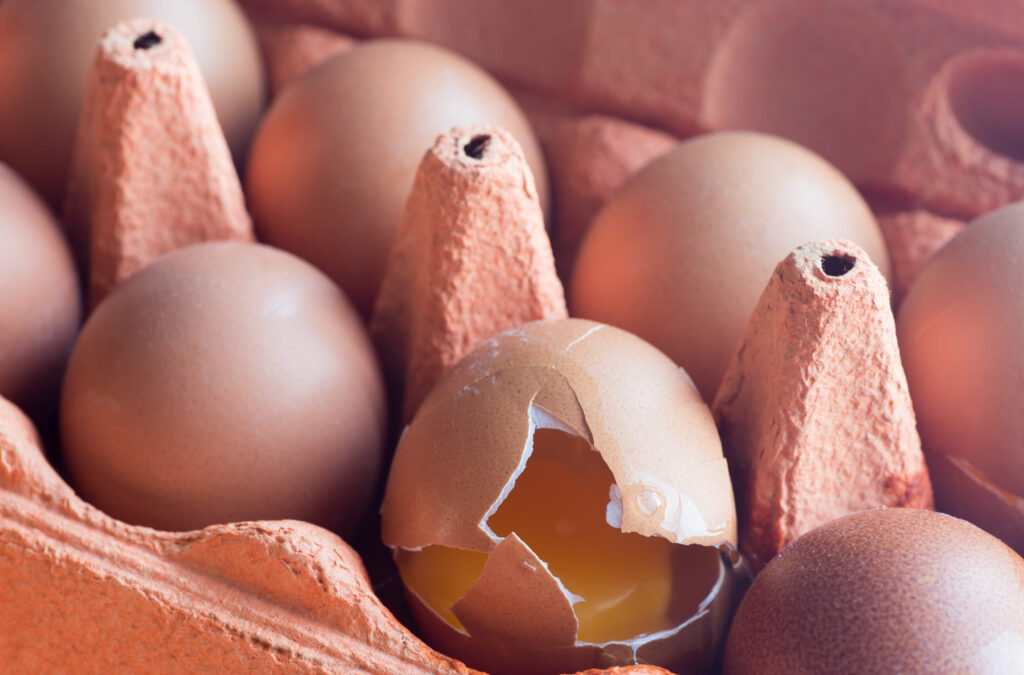
Eggs with cracks or damage to the shell should be discarded immediately. The eggshell serves as a protective barrier against bacteria, and cracks allow harmful microorganisms to enter the egg, leading to spoilage. If an egg has visible cracks, chips, or is slimy to the touch, it is best to throw it out. The slimy texture often indicates that bacteria are thriving on the surface, potentially contaminating the egg’s contents.
It’s essential to handle eggs with care during both transportation and storage. Even small cracks can expose the egg to air and bacteria, causing it to spoil much faster. If the eggshell feels wet, sticky, or tacky, it’s a clear sign that bacterial contamination is at play.
Discoloration or Irregularities in the Egg White or Yolk
Egg whites and yolks should be clear and uniform in color when fresh. If you notice that the egg white appears cloudy, runny, or has an abnormal color, such as green or pinkish hues, it may indicate bacterial growth. Similarly, the yolk should remain intact and yellow or orange. If it appears watery or has any discoloration, discard the egg immediately.
While cloudiness in egg whites is often harmless and can sometimes indicate a very fresh egg, other color changes, such as green or pink streaks, should be taken seriously. These color changes are typically signs that the egg has been contaminated by bacteria, and consuming it could result in foodborne illness.
Odd Texture When Scrambled or Cooked
Even if an egg looks fine when cracked, its texture can reveal its freshness. If, when scrambled or fried, the egg develops an unusual texture, such as rubberiness, excessive sliminess, or a chalky consistency, it’s likely spoiled.
Spoiled eggs may also not cook evenly, appearing rubbery and unpleasant. The texture of a bad egg can be off-putting and may ruin your meal, and it can also lead to digestive issues if consumed.
When eggs are cooked, their proteins solidify, but in a spoiled egg, this process can be disrupted. The result is a rubbery or slimy consistency that is far from ideal. If you notice this while cooking, it’s best to discard the egg to avoid the risk of foodborne illness.
Expiration Date Has Passed
Each carton of eggs has a “sell by” or “best before” date printed on it. This date indicates when the eggs are expected to remain at peak freshness. While eggs can sometimes last longer than this date, especially if stored properly, consuming eggs well beyond the expiration date is risky. After this point, eggs lose moisture and begin to deteriorate in quality, making them more vulnerable to bacterial contamination.
If you’re unsure when you purchased the eggs or the packaging doesn’t have a date, you can rely on other signs, such as the float test or odor, to determine their freshness. However, consuming eggs past their expiration date should be avoided, especially if they show any other signs of spoilage.
Faded or Altered Yolk Color
The yolk of a fresh egg is typically vibrant yellow or deep orange, depending on the chicken’s diet. If you crack an egg and find that the yolk is pale or discolored, this can indicate that the egg is no longer safe to eat.
Sometimes, bacteria or mold can cause the yolk to change color, leading to potential health risks. A discolored yolk can also indicate poor storage conditions or that the egg has been exposed to light or temperature fluctuations.
A dull or pale yolk isn’t necessarily an indication that an egg is completely spoiled, but it is a warning sign that you should assess the egg further. If the yolk is also broken or watery, it’s best to discard the egg.
Foam or Bubbles When Cracking the Egg
When you crack open an egg, the egg white should be firm, and the yolk should remain intact. If you notice bubbles or foam forming around the egg’s edges, this is a sign of fermentation. As bacteria break down the proteins in the egg, gases are released, forming foam and bubbles. This can lead to a sour smell and, eventually, spoilage.
Fermentation and foam around the egg are clear indicators that the egg is no longer safe to consume. In addition to discarding any eggs with foam, it’s important to maintain proper storage practices to minimize the chances of this happening.
Sticky or Slimy Eggshells

Fresh eggs should have a smooth, matte finish. If the eggshell feels sticky, slimy, or excessively damp, it may indicate that bacteria have invaded the shell. This sticky texture often results from bacterial contamination or from storing eggs in an environment with fluctuating temperatures. If the shell feels unusual, dispose of the egg, as it is no longer safe to consume.
An egg with a slimy or sticky shell is a breeding ground for harmful bacteria. Even if the egg looks fine on the inside, the bacterial growth on the shell may still pose a risk to your health.
Odd Taste During Cooking or Eating
A strange or off taste when eating eggs is another key sign of spoilage. If the eggs taste sour or rancid after cooking or eating, they may be contaminated. The taste of spoiled eggs can be subtle but unpleasant, making your meal unappetizing. If you detect any unusual taste, it’s important to discard the egg rather than risk food poisoning.
Even if the egg seems fine visually and doesn’t have a bad odor, an off taste is a strong indicator that the egg is no longer good. Always trust your senses when it comes to food safety.
Eggs Left Out Too Long at Room Temperature
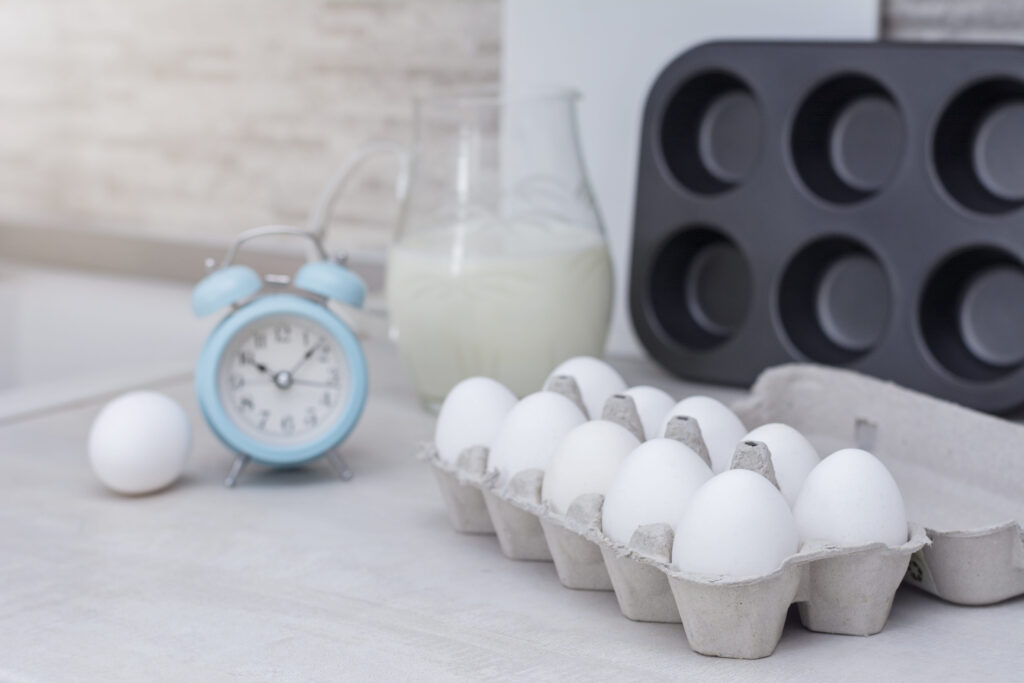
Eggs should always be refrigerated as soon as possible after purchase. Leaving eggs out at room temperature for more than two hours increases the risk of bacterial growth.
Eggs that have been left unrefrigerated for an extended period are more likely to become unsafe to eat, even if they seem fine on the outside. Bacteria thrive at room temperature, and eggs are particularly susceptible to contamination if left exposed to warmth.
If eggs have been sitting out on the counter for a long period, it’s best to err on the side of caution and dispose of them, even if they don’t show other visible signs of spoilage.