Veganism has become a popular lifestyle choice, especially among those who care about animal rights, the environment, and their health. While it’s true that vegan diets offer numerous benefits, they also carry several health risks that are often overlooked. These risks can affect anyone adopting a vegan lifestyle, and it’s important to understand the potential challenges before fully committing. Let’s take a closer look at some of the hidden health concerns of veganism.
The Flatulence Problem

One common issue that many vegans face is excessive flatulence. Vegan diets are often rich in fiber from foods like beans, lentils, and vegetables. While fiber is good for gut health, it can also increase gas production. Studies have shown that people who follow a vegan diet, particularly men, experience up to seven times more flatulence than those who eat animal products.
While the gut microbiome can improve over time, the discomfort from excessive gas can be frustrating, especially when transitioning to a plant-based diet.
Leaky Gut Syndrome
A vegan diet typically relies heavily on legumes such as beans, lentils, and peas as a source of protein. However, these foods contain lectins and phytates, substances known as “anti-nutrients” that can interfere with the body’s ability to absorb essential nutrients.
Over time, these substances may contribute to a condition called Leaky Gut Syndrome, where the lining of the small intestine becomes damaged, allowing toxins and undigested food particles to leak into the bloodstream. This can lead to inflammation, immune responses, and autoimmune disorders.
Iron Deficiency Anemia
Iron deficiency is a major concern for vegans, as the iron found in plant-based foods (non-heme iron) is not as easily absorbed by the body as the iron from animal products (heme iron). This is particularly true for women, who are more likely to experience iron deficiency due to menstruation.
Without sufficient iron intake, vegans may develop iron-deficiency anemia, which can cause symptoms such as fatigue, weakness, and pale skin. To avoid this, vegans need to be mindful of their iron intake and may need to rely on iron supplements or fortified foods.
Vitamin B12 Deficiency
Vitamin B12 is a critical nutrient for brain and nerve function, but it is found almost exclusively in animal products. Since vegans do not consume meat, fish, or dairy, they are at a high risk of developing a B12 deficiency. This can lead to neurological problems such as memory loss, cognitive impairment, and even irreversible brain damage if not addressed.
Vegans are encouraged to take B12 supplements or consume fortified foods, but not all do so consistently. Those with genetic conditions that hinder B12 absorption are at an even greater risk of serious deficiency.
The Carb Overload
While many people adopt veganism with the hope of losing weight, the reality can sometimes be the opposite. Many vegan foods, like rice, pasta, and bread, are high in carbohydrates. Legumes, a staple in vegan diets, are also high in carbs.
Consuming too many carbohydrates can lead to overeating and eventually weight gain. Even though these foods are plant-based and nutritious, an excess of carbs can prevent weight loss or even contribute to weight gain if not balanced properly within the diet.
Hormonal Imbalances

Soy is a common protein source for vegans, but it contains phytoestrogens, plant compounds that mimic estrogen. While moderate soy consumption is generally safe, excessive intake may lead to hormonal imbalances. This is particularly concerning for men, as high soy consumption can lead to changes in estrogen levels, affecting reproductive health and thyroid function.
Vegans should be mindful of their soy intake and ensure it does not disrupt their hormonal balance. It’s important to vary protein sources to avoid relying too heavily on soy products. Incorporating a diverse range of plant-based proteins, such as lentils, quinoa, and chickpeas, can help maintain a balanced and healthy diet.
Orthorexia
Orthorexia is an eating disorder characterized by an obsessive focus on eating only “clean” or healthy foods. Some vegans, especially those who adopt a plant-based diet for health reasons, may be at risk of developing orthorexia.
This obsession with eating only plant-based foods can lead to extreme restriction, anxiety, and an unhealthy relationship with food. Vegans, particularly those who are more health-conscious, may find themselves overly fixating on “clean” eating, which can lead to malnutrition and social isolation.
Excessive Reliance on Processed Vegan Foods
With the rise in demand for vegan alternatives, many processed vegan foods have flooded the market. Products like Impossible Burgers, plant-based cheeses, and vegan junk food are marketed as healthier alternatives to meat and dairy.
However, these processed foods often contain unhealthy additives, preservatives, and artificial ingredients. For example, the Impossible Burger contains TBHQ, a synthetic preservative linked to cancer in animal studies. Although these products offer convenience, they are often far from natural or nutrient-rich.
Vitamin D Deficiency
Vitamin D is essential for maintaining strong bones and a healthy immune system. However, since vitamin D is primarily found in animal products and is also synthesized by the body through sunlight exposure, many vegans struggle to get enough of it.
Those living in areas with limited sunlight or who avoid fortified foods may be particularly at risk. A lack of vitamin D can lead to weakened bones, increased susceptibility to illness, and fatigue. Many vegans need to rely on supplements or fortified foods to ensure they are getting enough vitamin D.
Poor Bone Health
Dairy products are a primary source of calcium, which is necessary for bone health. Since vegans do not consume dairy, they must rely on plant-based sources of calcium. While leafy greens and fortified plant milks provide some calcium, these sources are not as easily absorbed by the body as dairy-based calcium. As a result, vegans may be at risk of weaker bones and increased susceptibility to fractures, especially as they age.
It’s important for vegans to monitor their calcium intake and consider supplements to support bone health. Calcium absorption can also be improved by pairing these plant-based sources with vitamin D, which helps the body absorb calcium more effectively. Ensuring a well-rounded diet and considering fortified options is crucial for maintaining strong bones throughout life.
The Risk of Deficient Omega-3 Fatty Acids
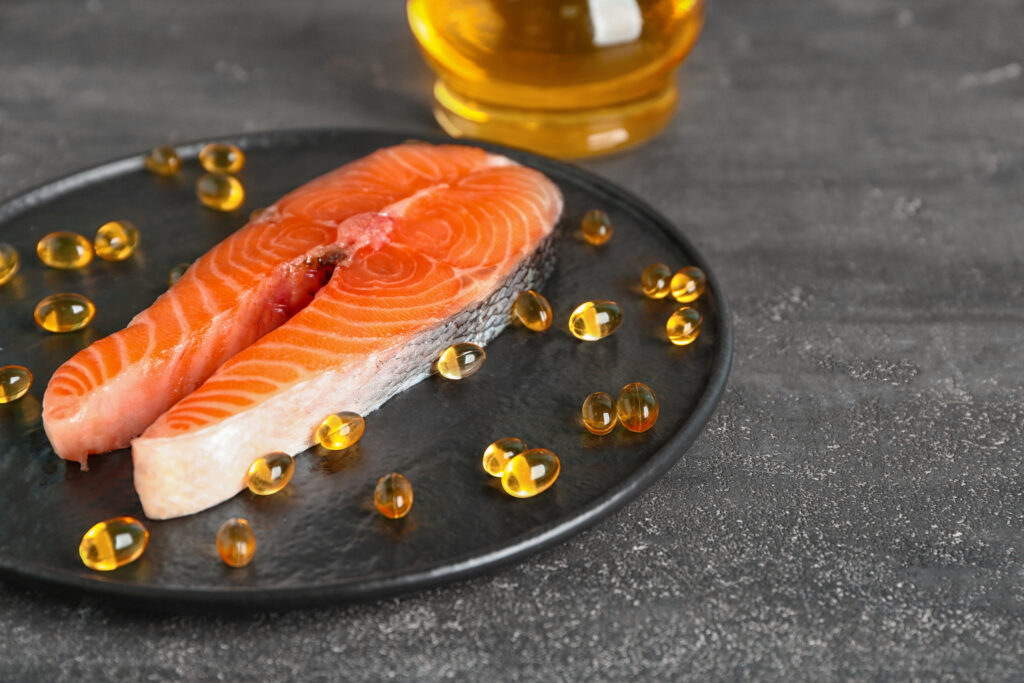
Omega-3 fatty acids are essential for brain function, heart health, and the reduction of inflammation. These healthy fats are primarily found in fatty fish like salmon. Vegans, however, must rely on plant-based sources like flaxseeds, chia seeds, and walnuts, which contain ALA (alpha-linolenic acid).
While ALA can be converted into the more beneficial forms of omega-3 (EPA and DHA), this conversion is inefficient. As a result, many vegans may struggle to get sufficient omega-3 fatty acids, which are vital for brain and cardiovascular health. To bridge this gap, vegans may need to carefully plan their diet or consider omega-3 supplements to ensure they are meeting their nutritional needs.