Diet soda has long been touted as a healthier alternative to regular soda, with its zero-calorie promise and sweet flavor.
However, as more research is conducted, we’re beginning to uncover some alarming side effects that could be affecting your health in ways you might not expect. While the sugar-free appeal may sound tempting, diet soda comes with a hidden set of risks that may outweigh the benefits. Here’s what you need to know.
Increased Risk of Heart Disease

Studies have shown that regular consumption of diet soda can elevate your risk of heart disease.
In particular, the artificial sweeteners used in these beverages, such as aspartame and sucralose, have been linked to an increase in the risk of developing cardiovascular issues. These sweeteners can cause changes in your body’s metabolism, which could eventually contribute to heart-related problems over time.
Weight Gain
Though diet sodas claim to help with weight loss, the opposite could be true. Artificial sweeteners can trick your brain into craving more sugar, leading to overeating and weight gain.
This is especially problematic when diet soda drinkers feel they have the liberty to consume more calories from other foods, assuming they are cutting calories through their drink choices.
Increased Risk of Stroke

Recent research suggests that those who drink diet soda regularly may have a higher chance of suffering from strokes.
A study conducted by the American Heart Association found that people who consumed diet sodas daily had a greater risk of both strokes and dementia. The cause may lie in how artificial sweeteners can affect blood vessel function and blood sugar levels.
Higher Risk of Diabetes
Despite having no sugar, diet soda can still raise your risk for type 2 diabetes. Consuming artificial sweeteners over time can disrupt your body’s ability to properly process glucose.
This can contribute to insulin resistance, a precursor to diabetes, and increase your chances of developing the condition.
Harmful Impact on Gut Health
Your gut health plays a major role in your overall well-being, and diet sodas are no friend to your microbiome.
Artificial sweeteners can disrupt the balance of beneficial bacteria in your gut, leading to digestive problems, bloating, and even long-term immune system issues. The disruption to your gut bacteria can also negatively affect your mental health.
Increased Cravings for Sweets
Artificial sweeteners, even though they contain zero calories, can mess with your brain’s reward system, making you crave more sugary foods.
This could lead to unhealthy snacking and cravings, as your body learns to expect the sweet reward without the calories that accompany it. Over time, this can contribute to unhealthy eating habits and poor nutrition.
Bone Weakness
Some studies suggest that diet sodas may interfere with bone health. Specifically, the phosphoric acid in many colas can leach calcium from your bones, increasing your risk of osteoporosis and fractures.
A reduction in bone mineral density is a major concern for those who regularly consume diet sodas.
Potential for Kidney Damage
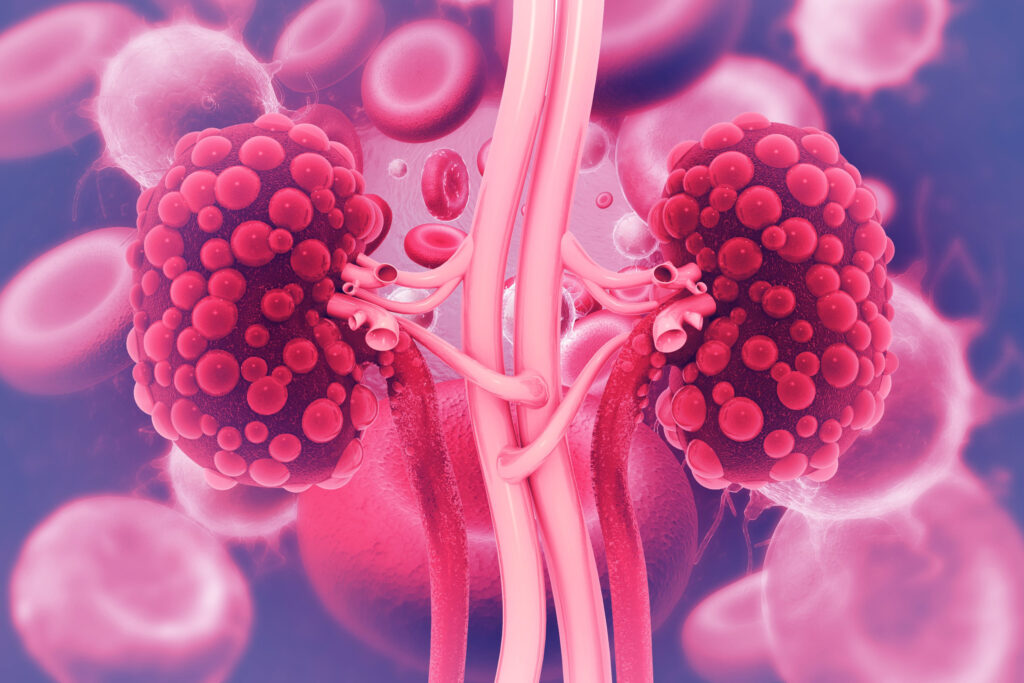
Diet soda has been linked to kidney problems, particularly in individuals who drink it daily. Research has shown that artificial sweeteners can increase the likelihood of kidney damage and may even exacerbate existing kidney conditions.
Over time, this can result in chronic kidney disease, which affects kidney function and can lead to more serious health issues.
Mental Health Concerns

Consuming diet soda may have a direct impact on your mental health. Some studies suggest that artificial sweeteners can increase the risk of anxiety and depression.
The effects on mood could stem from the way artificial sweeteners interact with brain receptors, influencing brain chemistry in ways that make you more susceptible to mental health issues.
Headaches and Migraines
Diet sodas have also been known to cause headaches or migraines in some people.
The combination of artificial sweeteners, caffeine, and carbonation can trigger these intense headaches, which may become more frequent if you consume diet soda regularly. Aspartame, in particular, has been linked to headaches and migraines in individuals w