In the U.S., the average household spends over $10,000 a year on food, yet many fall for habits that lead to overspending. These so-called money-saving strategies actually drain your finances, leaving you with expired groceries and takeout receipts. If you want real, actionable insights into where your money goes, keep reading. Here are 10 food budgeting mistakes that quietly sabotage your wallet.
Fresh-Only Shopping

Fresh produce is often marketed as the healthiest option, but it comes with a steep price: rapid spoilage. While you might feel virtuous filling your cart with fresh fruits and vegetables, they quickly rot, leading to wasted money.
This habit could be draining your budget far more than you realize. Instead of relying solely on fresh foods, consider frozen or canned alternatives, which are equally nutritious and have a much longer shelf life.
By switching to longer-lasting options, you’ll avoid throwing away half your groceries before the week is over. Now, let’s look at how bulk buying can also mislead your budget.
The Bulk Buying Myth
Bulk buying is often seen as a win, with lower prices per unit meaning savings, right? Unfortunately, that’s not always the case. When you buy in bulk, it’s easy to get carried away and purchase more than you can realistically consume.
Whether it’s a gigantic bag of chips, yogurt, or snacks, the cost-saving illusion quickly crumbles when the food spoils before it can be used.
The real money-saving question isn’t “Is this cheaper in a larger quantity?” but “Will we actually use all of this?” By buying smarter, not bigger, you can save more in the long run. But even the best intentions can falter when it comes to what we do with our leftovers.
Leftovers Without a Plan
Leftovers are supposed to be a budget-friendly option, but they often fall short because we treat them as an afterthought. How many times have you found an old takeout container buried in the fridge, only to throw it out when it turns into a science project?
Leftovers need a plan if they’re going to work. Don’t just store them aimlessly; repurpose them for future meals, or freeze them for later use.
By organizing your leftovers and ensuring they get eaten within 3-4 days, you’ll be able to stretch your food further without throwing money away. Of course, the temptation to skip cooking altogether can lead to another drain: delivery fees.
Delivery Fees
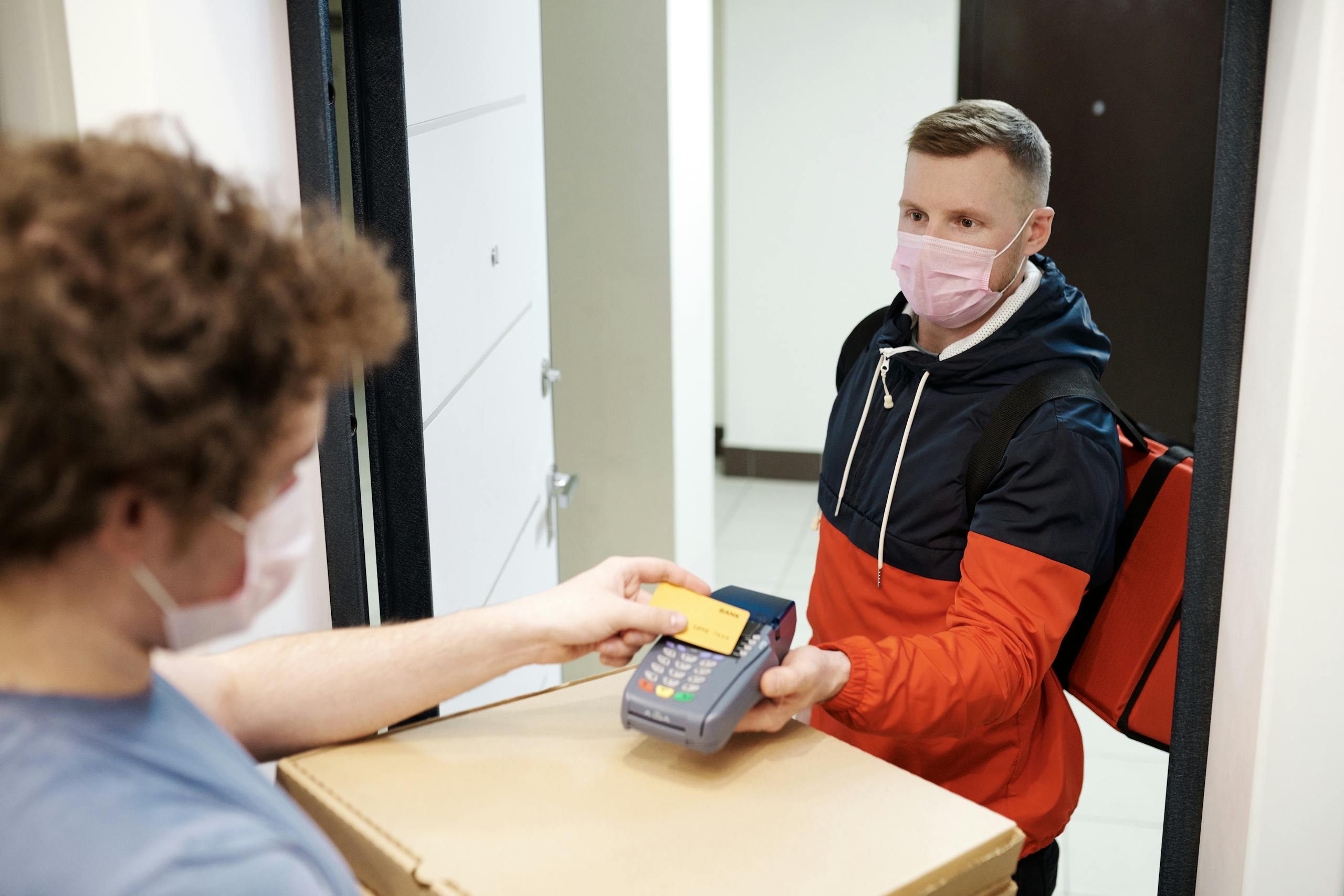
Few things destroy a food budget faster than regular delivery orders. While it might seem like a treat to order takeout, the fees quickly add up, turning a simple meal into an expensive habit.
Delivery charges, tips, and premium pricing all contribute to an inflated final total that’s far higher than it would be if you cooked at home. What starts as a once-in-a-while indulgence becomes a weekly expense, taking a serious toll on your grocery budget.
To save money, reconsider delivery as a frequent option and explore quick home-cooked meals or meal prep for the week. Next, let’s discuss why not all in-store deals are as good as they seem.
Store Sales
Sales seem like the ultimate money-saving opportunity, but they’re often designed to lure you into buying products you don’t need. Discount tags can trick you into purchasing things that sit in your pantry, unused and forgotten.
A sale only benefits you if it’s on something you would have bought anyway; otherwise, it’s just a ploy to get you to spend more.
Instead of chasing sales, stick to your shopping list and focus on purchasing items that align with your weekly meal plan. If a sale isn’t part of your plan, it’s not a deal.
The Snack Attack
Snacks are often bought on impulse and are rarely seen as a significant part of your grocery budget. But those bags of chips, sugary drinks, and candy bars can add up quickly, especially if you’re not paying attention.
Snacks tend to push out real, satisfying meals that actually fill you up and stretch further. Over time, snack-heavy shopping leads to a vicious cycle of grazing all day and spending more on additional meals or takeout.
Instead, buy more filling, nutritious items that can double as snacks and meals, and save your budget from the pitfalls of snacking. Similarly, buying the cheapest item isn’t always the wisest choice.
Confusing Cheap With Wise
Too many people make the mistake of equating cheap with wise spending. Just because an item is low-cost doesn’t mean it’s a good value. Take processed meals or cheap, pre-packaged snacks: they might be inexpensive initially, but they offer poor nutritional value and often end up being wasted.
A bag of dry beans, on the other hand, might seem like more of an investment upfront, but it’s far cheaper and more versatile in the long run.
Choose foods that provide lasting value, not just a low sticker price. This idea of investing a little more time and money up front also applies to meal prep.
The “No Prep” Trap
Meal prep is often thought of as an extreme, time-consuming activity, but it doesn’t have to be. The lack of meal prep often leads to last-minute purchases and expensive impulse buys.
When you’re unprepared, you’re more likely to order takeout or buy unnecessary ingredients for meals you don’t have the time or energy to cook. The simple solution? Take 30 minutes each week to prep ingredients or plan your meals.
It doesn’t have to be complicated; just make sure your fridge is stocked with ready-to-go meals or components, so you’re not scrambling at the last minute. When you dine out, beware that small extras can add up and inflate your expenses, too.
Restaurant Add-Ons
Dining out is often considered a treat, but the small add-ons, drinks, appetizers, extra sides, and desserts can quickly turn an affordable meal into a budget-busting experience. You might think you’re only spending a little extra, but these add-ons add up fast and inflate the overall bill.
If you’re not careful, you could end up spending as much on drinks and extras as you would on several homemade meals. To control spending when dining out, skip the add-ons and stick to the main dish.
A full meal doesn’t need a drink, appetizer, and dessert to be complete. And remember, frequent deliveries come with hidden costs to watch out for.
Delivery and Takeout

Sometimes it feels like delivery is the solution to a busy day, but it can also double your food expenses. The cost of the meal is only the beginning. Delivery charges, tips, and other service fees quickly add up.
When you start treating delivery as the norm instead of a special treat, your food budget will take a serious hit. Reconsider how often you rely on delivery, and focus more on easy-to-make meals at home.
In summary, let’s bring all these strategies together and revisit how to effectively regain control of your food budget.
Conclusion
The truth is, many of us are falling victim to food budget traps that seem harmless but add up over time. Bulk buying, fresh-only shopping, and sales all appear to be money-saving techniques, but they can quietly drain your finances if you’re not careful.
To really save money on food, focus on value, meal prep, and eliminating the convenience traps that can drive up food costs. By adopting smarter, more strategic habits, you can break free from the cycle of unnecessary spending and finally regain control of your food budget.