Light pollution has become a pervasive issue worldwide, with studies showing that two-thirds of the U.S. population and over half of Europe’s citizens can no longer see the Milky Way with the naked eye. The primary source of this phenomenon is the ever-increasing use of artificial lighting, particularly in urban areas.
As cities continue to expand, the need for lighting grows, which in turn disrupts not only our view of the night sky but also the natural world. In this article, we will explore the detrimental effects of light pollution on various ecosystems and how it negatively impacts both wildlife and human health.
Fatal Collisions for Migrating Birds
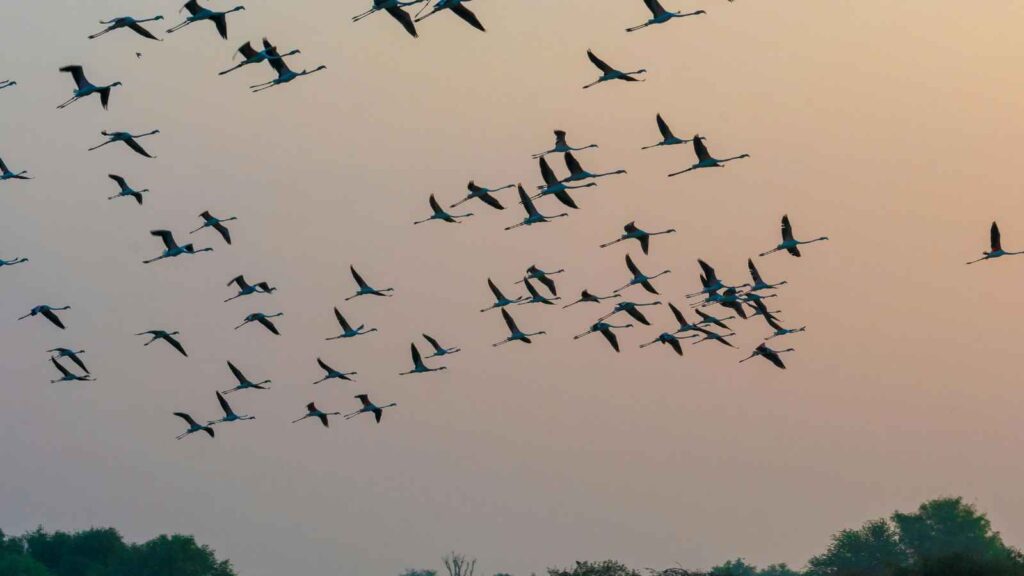
Migratory birds are another group heavily impacted by artificial lighting. Birds, especially nocturnal species, use the stars and the moon for navigation during their long migrations. Bright lights from buildings, streets, and other artificial sources can confuse them, leading to fatal collisions.
The problem is so severe that in places like Chicago, authorities have implemented light-reduction measures during migration periods to protect these birds. In the worst cases, birds trapped in lights are often easy targets for predators.
Disorienting Sea Turtles and Other Marine Life
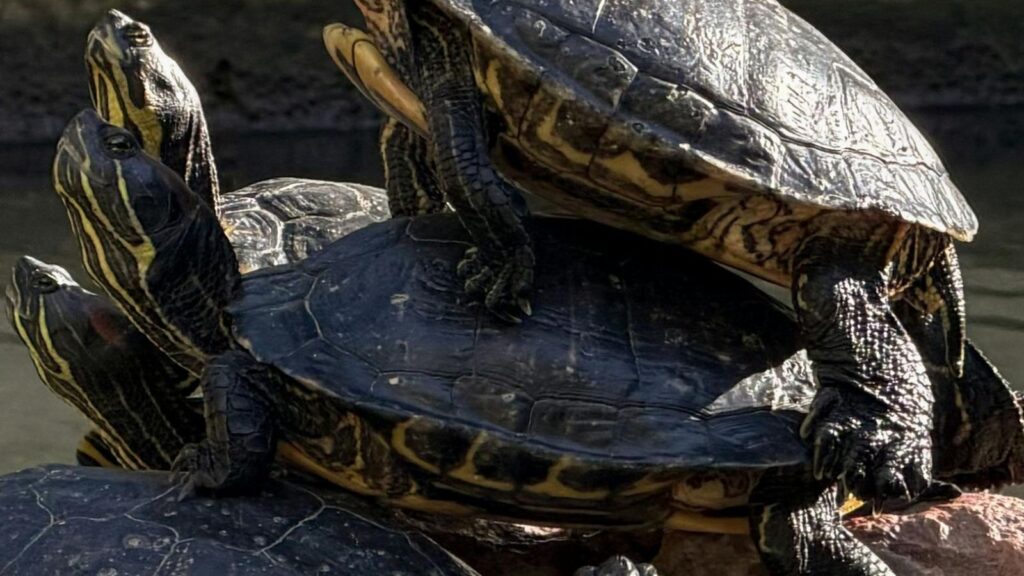
Sea turtles, an iconic species of marine life, are severely impacted by light pollution. These turtles, which rely on darkness to lay their eggs safely on beaches, are drawn to artificial lights instead of the natural moonlight.
Female turtles often abandon ideal nesting sites because of excessive light, and the hatchlings, who instinctively move toward the ocean, may instead wander toward dangerous roads or predators. Florida, home to 90% of the U.S.’s sea turtle nests, has taken steps to mitigate this problem by implementing new lighting regulations, but this issue remains prevalent along coasts worldwide.
Disrupted Fish Migration Patterns
Fish species that migrate to spawn, like Atlantic salmon, are increasingly confused by artificial light. Studies have shown that artificial lighting interferes with their natural migratory timing, often leading to chaotic, misdirected movement.
As a result, fish are more vulnerable to predators, which affects both marine ecosystems and the fishing industry. This disruption is compounded by the practice of floodlighting boats, which attracts fish to unsafe locations.
Disruption of Amphibians’ Breeding Cycles
Amphibians, including frogs and toads, rely on natural light cues to regulate their reproductive cycles. Light pollution disrupts their ability to detect when it’s time to breed, as they use changes in daylight to synchronize their mating activities.
This interference leads to delayed breeding or complete failure to reproduce. For amphibians that are already struggling due to habitat loss, light pollution adds an additional stressor that exacerbates population declines.
The Decline of Bat Populations
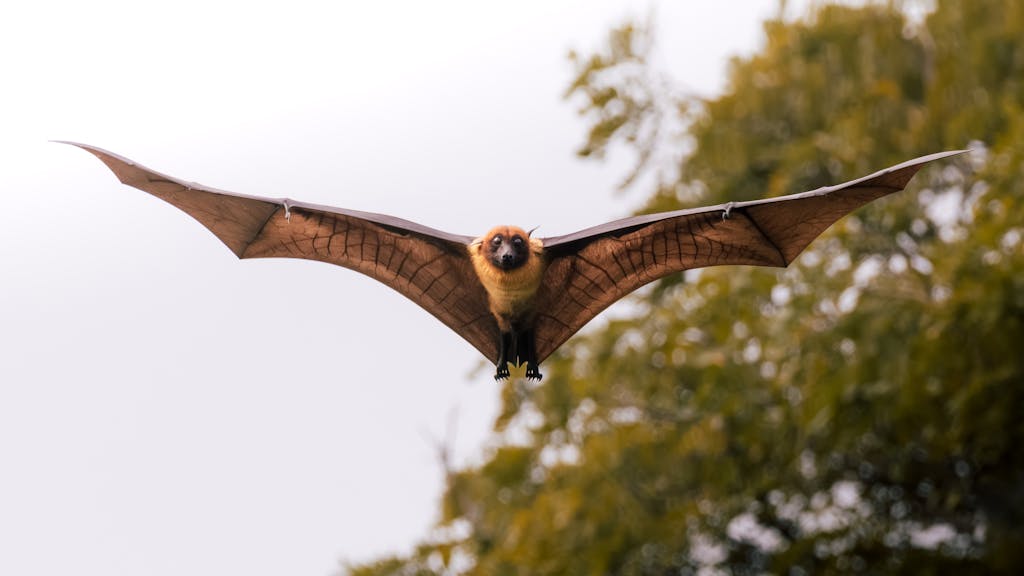
Bats, crucial for controlling insect populations, particularly mosquitoes, are also adversely affected by light pollution. Many bat species are highly light-averse and avoid areas illuminated by artificial lights. With insects congregating around streetlights, bats miss out on valuable feeding opportunities.
Moreover, the extended daylight due to artificial lighting delays bats’ emergence from their roosts, meaning they lose critical feeding hours. The overall disruption of their natural rhythms is contributing to the decline of bat populations, which are vital for maintaining ecological balance.
Insects Lured to Their Deaths
Insects are irresistibly attracted to artificial lights, a phenomenon that disrupts their natural behaviors. Many nocturnal insects, including moths and beetles, use the moon for navigation. When artificial lights replace the moon’s glow, these insects become disoriented and often die from exhaustion, predation, or collision with the light source.
The cumulative effect of millions of insects dying every night affects entire ecosystems, disrupting the food chain and leading to declines in species that rely on insects for food.
Negative Impact on Human Health
Humans, too, suffer from the effects of light pollution. Exposure to excessive artificial light, especially at night, disrupts our circadian rhythms, the natural 24-hour cycle that regulates sleep and wakefulness.
Studies have shown that artificial light exposure leads to sleep disorders, mood disturbances, and even increased risk of obesity and diabetes. The American Medical Association has recognized light pollution as a contributor to various physical and psychological health issues, urging cities to reduce unnecessary nighttime lighting.
Detrimental Effects on Trees and Plant Growth
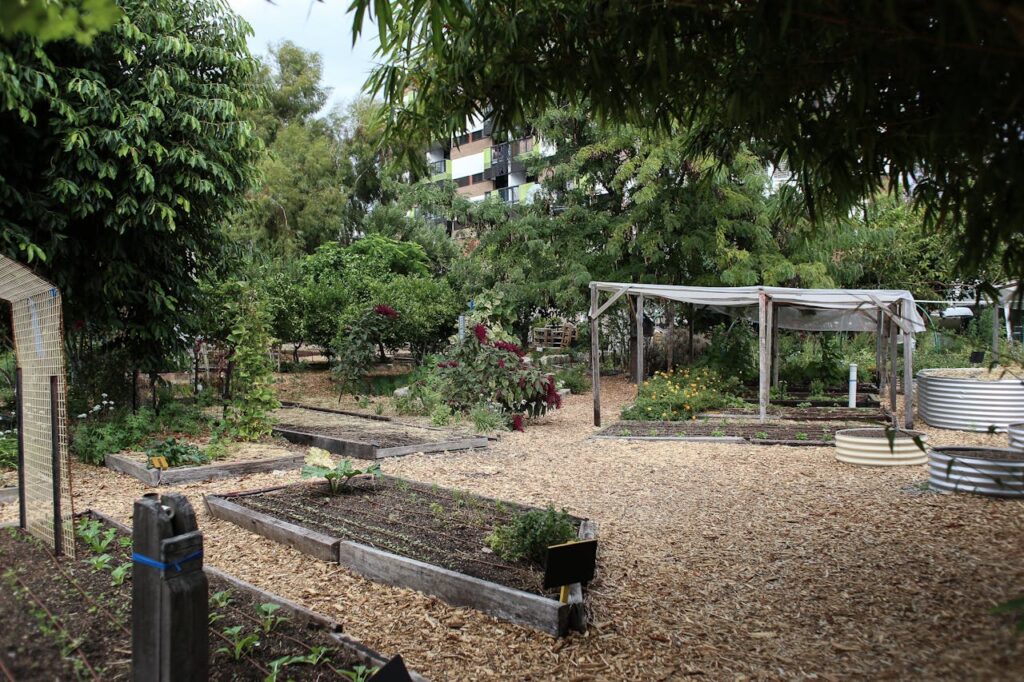
Light pollution affects not only animals but also plant life. Trees, which rely on natural light cues to enter dormancy during autumn, can be thrown off by artificial lighting. This disruption causes plants to remain “awake” too long, potentially resulting in unseasonable growth.
Such anomalies affect the overall health of plants, especially flowering species that are crucial to pollinators. This, in turn, can harm pollinator populations, thereby threatening the food supply for a wide range of animals, including humans.