Some homes look clean at first glance but still feel strangely heavy. You walk in, drop your keys, and something in the room feels off before you can explain it. The air feels crowded. The corners feel tired. Even the prettiest furniture cannot hide the quiet tension created by objects that no longer belong.
That is the strange power of clutter. It is not always about mess. Sometimes it is about memory, guilt, delay, neglect, and emotional noise. A single broken lamp, a pile of old shoes, or a drawer full of unfinished paperwork can make a home feel stuck in a life you have already outgrown.
The phrase “negative energy” may sound spiritual to some people and psychological to others. Either way, most people understand the feeling immediately. A room can feel calm, open, and welcoming, or it can feel like it is silently asking for help. If your home has started feeling heavier than it should, these are the things we should remove first.
Old shoes are crowding the entryway.
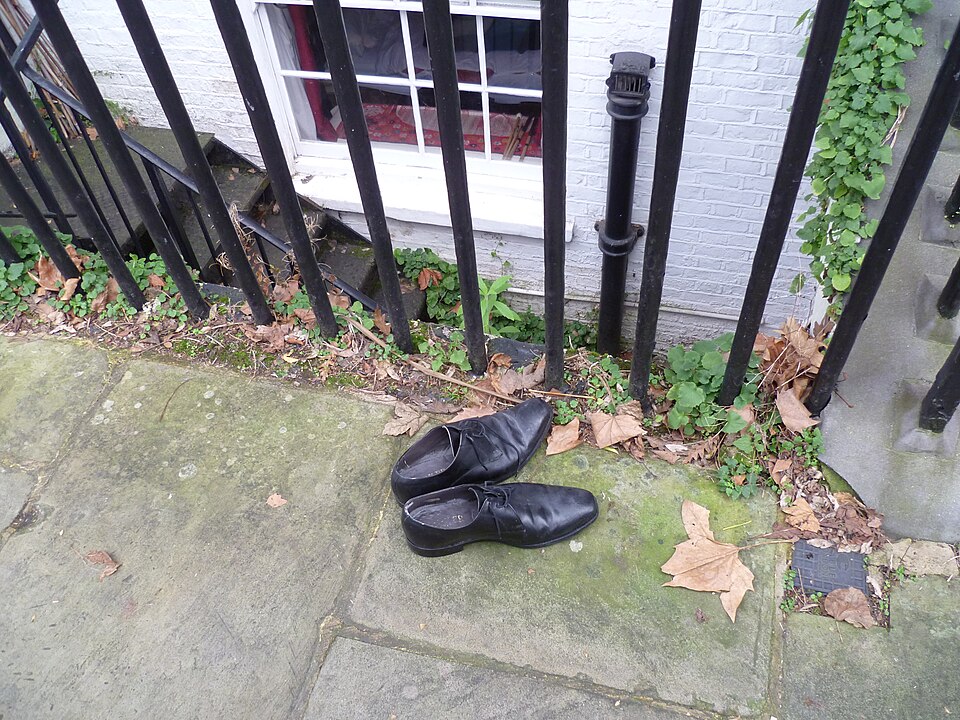
Shoes carry more than dust through the front door. They carry routine, hurry, weather, stress, and the visual chaos of daily life. When old sneakers, worn-out sandals, work shoes, and forgotten pairs pile up near the entrance, the whole home becomes disorderly. The entryway should greet you with relief, not remind you that you are already behind.
Unused footwear is especially draining because it usually sits in plain sight. Every pair you no longer wear becomes a tiny unfinished decision. Keep the pairs you use often, clean the ones worth keeping, and donate or discard the ones that have lost their purpose. A clear entryway instantly makes a home feel more intentional, grounded, and easier to breathe in.
Expired food hiding in the pantry
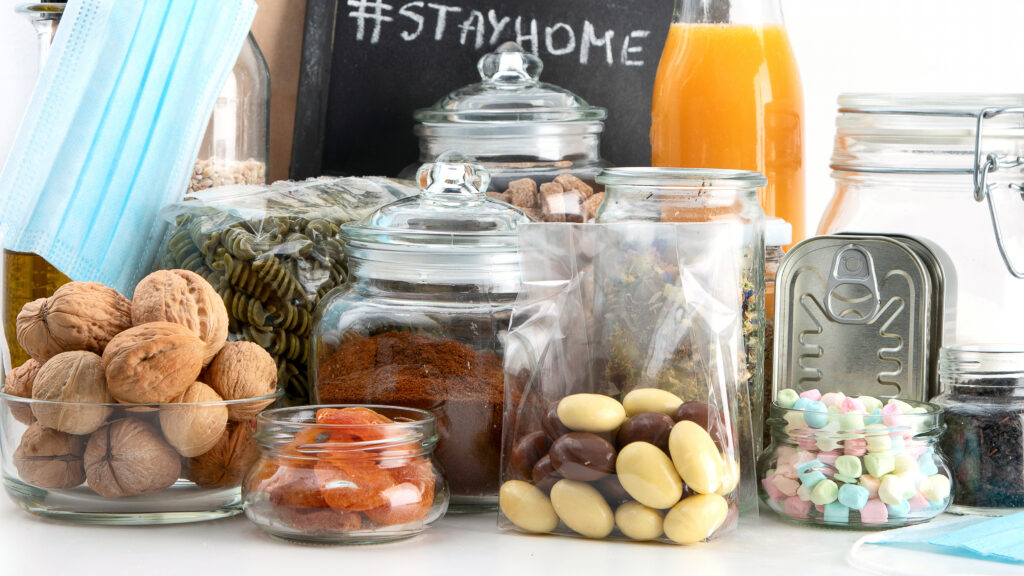
An expired pantry can make even a beautiful kitchen feel neglected. Old spices, stale cereal, forgotten sauces, dusty cans, and half-used baking mixes create a quiet sense of waste every time you open the door. The kitchen should feel alive and nourishing, but expired food turns it into a storage unit for guilt.
The fix is simple but powerful. Pull everything out, check dates, wipe the shelves, and group what remains by use. Keep near-expiry items where you can see them, not buried behind newer purchases. A fresh pantry changes the mood of the kitchen by restoring trust. You know what you have, what you need, and what no longer deserves space.
Broken items waiting for “someday.”
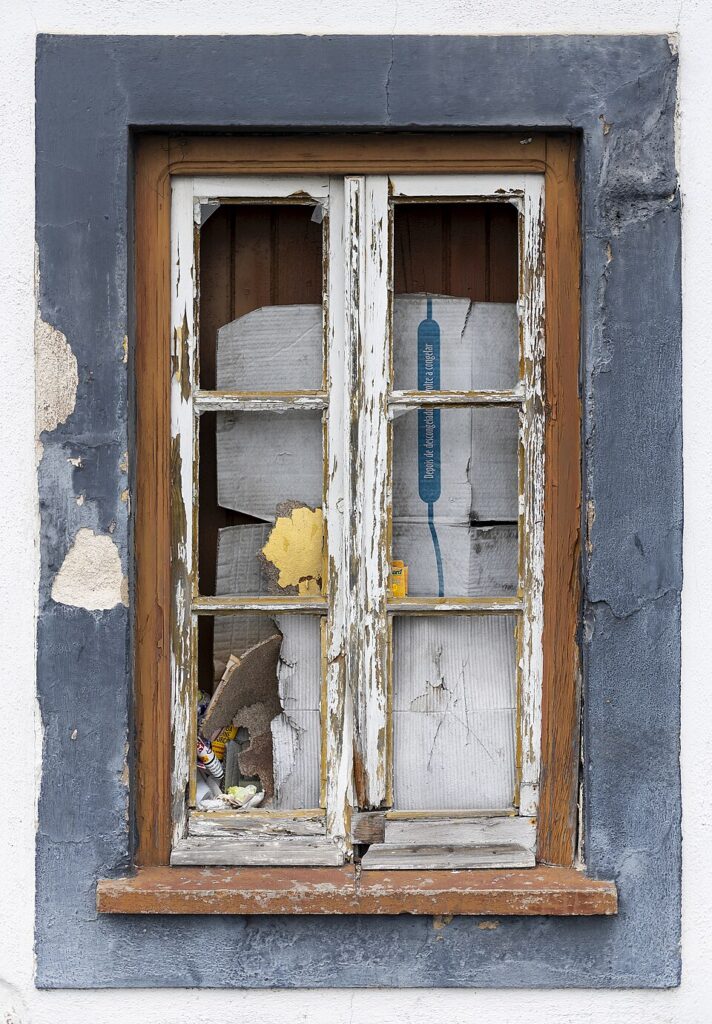
Every home has at least one object living on the promise of someday. A cracked frame you meant to repair. A chair with a loose leg. A lamp that stopped working months ago. A chipped mug that never makes it back into rotation. These things may seem harmless, but they quietly teach the room to accept neglect.
Broken objects drain energy because they keep demanding attention without giving anything in return. Repair what genuinely matters. Release what you already know you will never fix. The goal is not perfection. The goal is honesty. A home feels better when the objects inside it are useful, loved, or beautiful, not quietly waiting in a corner like unpaid emotional bills.
Gifts you keep out of guilt
Guilt is one of the heaviest things a person can store in a home. It often hides inside gifts we never liked, never used, and never wanted to display. Maybe the person meant well. Maybe the gift came from someone important. Maybe throwing it away feels rude, even years later. Still, your home should not become a museum of other people’s expectations.
Keeping a gift out of guilt does not honor the giver as much as we think. It only keeps you tied to an object that does not fit your life. Take a photo if the memory matters. Donate it if someone else could use it. Let the meaning stay, but release the burden. The best homes reflect the people living in them, not the pressure they have absorbed.
Old to-do lists and abandoned paperwork
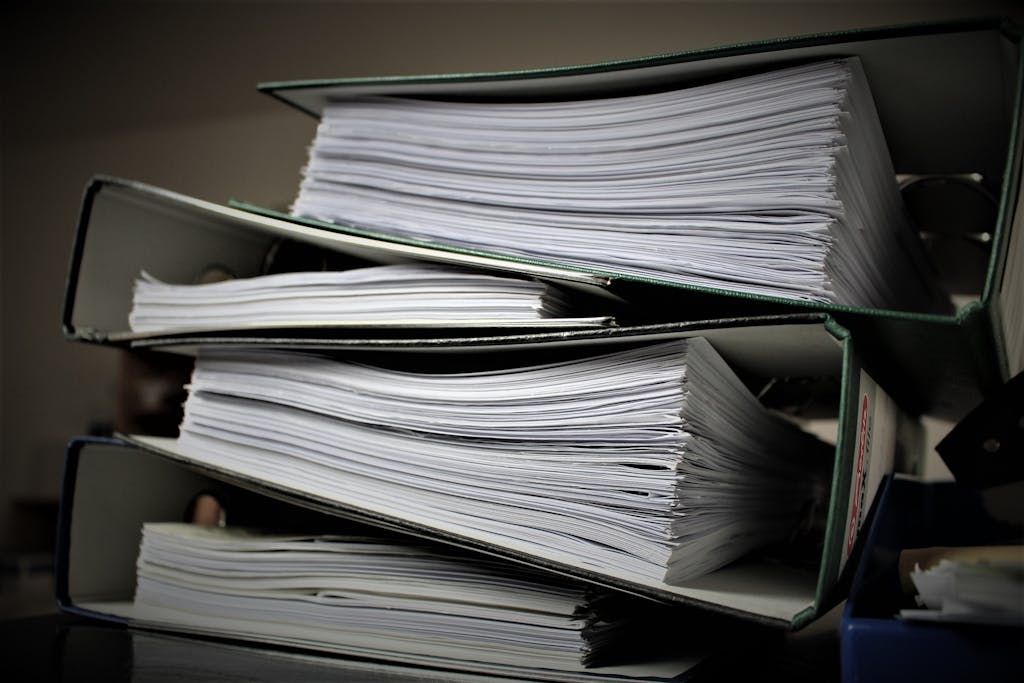
Paper clutter has a special way of making a home feel tense. Old bills, expired coupons, forgotten notes, school forms, appointment cards, receipts, notebooks, and unfinished lists all whisper the same message: you still have things to handle. Even when the tasks are no longer relevant, the emotional pressure remains.
A desk full of old paper can make work feel heavier before you even sit down. A kitchen counter stacked with forms can make the whole room feel chaotic. Sort paperwork into three groups: action, archive, and discard. Then be ruthless with anything outdated. A home office or command center should support your life, not shame you for every task you did not finish.
Worn-out door mats that make the entrance feel tired
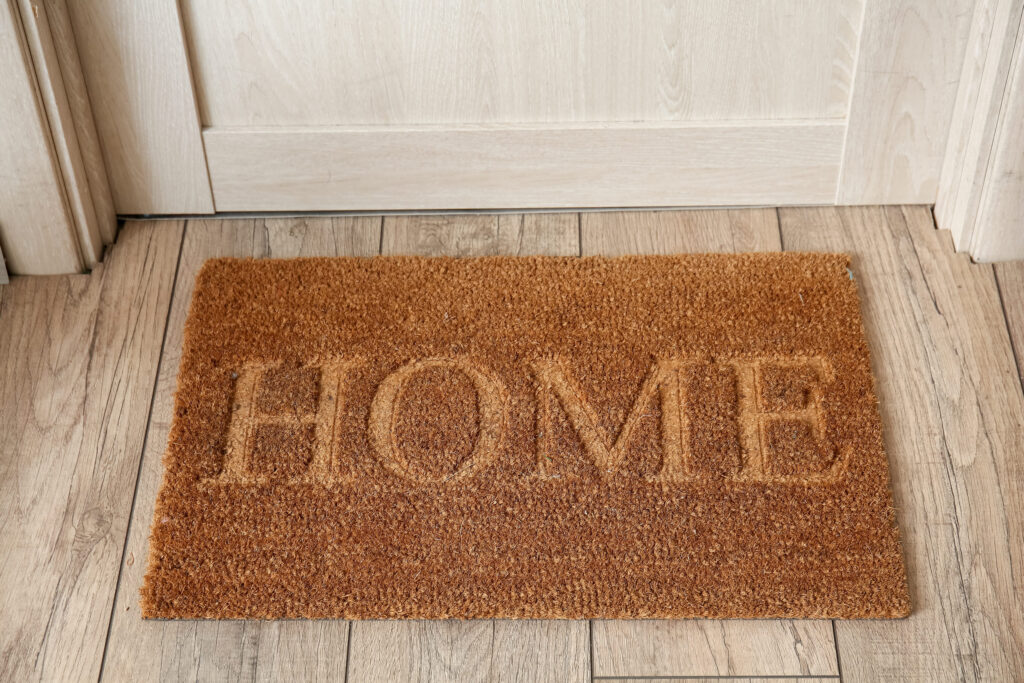
The front door sets the emotional tone for the whole home. A faded, dirty, curling, or threadbare doormat sends the wrong message before anyone steps inside. It may seem like a small detail, but small details create first impressions. When the entrance looks tired, the home can feel tired too.
A fresh doormat does more than clean shoes. It signals care. It tells guests they are welcome and reminds you that your home deserves attention before the chaos of the day follows you inside. Wash it if it is still in good shape. Replace it if it has clearly given up. The entrance should feel like a reset point, not a warning sign.
Clothes that make you feel bad about your body
Closets hold emotional energy in a very personal way. Too-small jeans, old workwear from a painful job, dresses connected to sad memories, and clothes you keep for a version of yourself you no longer recognize can make getting dressed feel like a daily judgment. A closet should help you meet the day, not argue with your confidence.
This does not mean throwing away everything from the past. It means noticing which items make you shrink emotionally. Keep clothes that fit your current life, current body, and current style. Donate the pieces that only create pressure. When your closet stops scolding you, mornings feel lighter, faster, and kinder.
Décor connected to painful memories.
Some objects are not ugly, broken, or useless. They are simply attached to a season you do not want to keep reliving. A photo frame from an old relationship, a souvenir from a painful trip, a vase from a difficult friendship, or artwork bought during a stressful period can pull the past into the room every day.
Sentimental clutter is tricky because it often looks harmless. The question is not whether the object has a story. The question is: what does the story do to you now? If it brings warmth, keep it. If it brings a pinch in the chest every time you pass it, reconsider its place in your home. Peace is a valid reason to let something go.
Dead plants and neglected corners

Plants can make a home feel fresh, soft, and alive, but dead plants do the opposite. Brown leaves, dry soil, empty pots, and neglected planters create an instant feeling of abandonment. The same goes for dusty corners, forgotten shelves, and spaces where things seem to go and die.
These areas matter because they reveal where attention has stopped flowing. Revive what can be revived. Compost what is gone. Clean the corner, open the window, and let the room feel awake again. A neglected spot may be small, but fixing it can shift the entire atmosphere of a room. Homes respond beautifully to care.
Storage boxes full of a life you no longer live
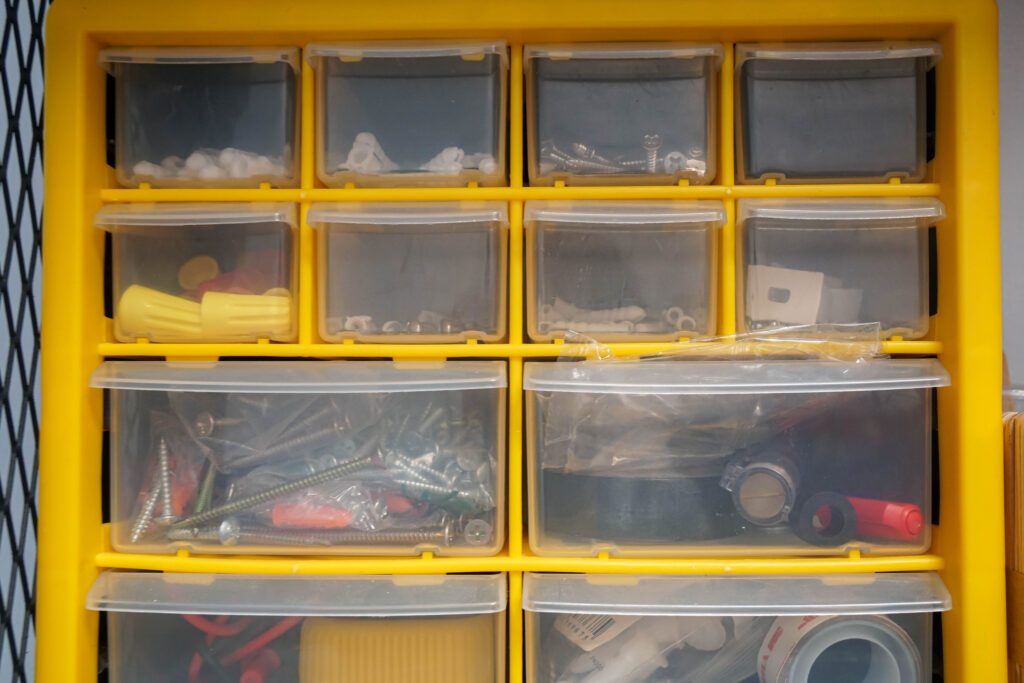
Storage can be helpful, but it can also become a hiding place for emotional avoidance. Boxes under beds, bins in closets, and bags in garages often hold old hobbies, outdated paperwork, unused appliances, decorations you never display, and memories you are afraid to sort through. The problem is not storage itself. The problem is storing things because you do not want to decide.
These hidden piles still take up mental space. You may not see them every day, but you know they are there. Start with one box, not the whole house. Keep what supports your present life. Release what belongs to an old chapter. The more honest your storage becomes, the more peaceful your home feels.
How to clear negative energy without turning decluttering into punishment
Decluttering should not feel like a personal attack. The point is not to shame yourself for owning too much, buying the wrong thing, or leaving a drawer untouched for too long. The point is to create a home that supports the person you are now. That requires patience, not panic.
Start with visible clutter first because it gives the fastest emotional return. Clear the entryway, kitchen counter, nightstand, and desk before digging into deep storage. Then move toward sentimental items once you have built momentum. The harder objects often require more emotional energy, so do not begin there unless you already feel ready.
Use a simple rule: if an object creates stress, guilt, sadness, confusion, or visual noise more often than it creates value, it deserves a second look. You do not have to become a minimalist. You only need to stop giving permanent space to things that quietly drain you.
Conclusion
A home does not need to look expensive to feel good. It needs to feel cared for, honest, and emotionally current. The objects around us should support the life we are living now, not keep dragging us through old stress, old guilt, old goals, or old versions of ourselves.
The fastest way to change the mood of a home is often to remove what no longer belongs. Start with the shoes by the door, the expired food in the pantry, the broken object in the corner, or the gift you keep only because guilt keeps winning. Little by little, the rooms begin to feel lighter. Negative energy is not always mysterious. Sometimes it is just clutter with a memory attached. Clear the object, and the room finally gets to exhale.