Online marketplaces like Craigslist and Facebook Marketplace promise convenience and deals, but lurking behind every bargain are scams, frauds, and even personal safety hazards. Millions of Americans use these platforms to buy and sell items, from cars to furniture to electronics, but one misstep can cost thousands or worse. These sites require more than just savvy scrolling; they demand caution, awareness, and a strategy for safe transactions. Here are twelve of the riskiest mistakes shoppers and sellers make, with detailed guidance to protect yourself, your money, and your peace of mind.
Falling for Phishing Scams

Phishing scams are rampant on online marketplaces, often masquerading as legitimate Craigslist or Facebook notifications. These messages may appear as emails or text alerts claiming to verify your identity or prompt you to click a link for a “special deal.”
Clicking these links can install spyware, steal credentials, or compromise financial accounts. Never input personal or banking information through suspicious links, and always verify communications directly through the platform’s official website. Use temporary email addresses for listings to minimize exposure.
Escrow and Third-Party Fraud
Some scammers request payments through unknown escrow sites, claiming it’s a secure method. These third-party services often exist solely to steal your money or personal data.
Always recommend established payment platforms like PayPal, Venmo, or Zelle for transactions. Avoid sending money to unfamiliar sites or individuals, and confirm that both parties are comfortable using trusted, widely recognized payment systems before exchanging funds.
Counterfeit or Fake Goods
Designer items, electronics, and collectibles are common targets for fraud. Sellers may list brand-name items that are counterfeit, mislabeled, or nonfunctional, often using convincing photos and descriptions.
Always request serial numbers, certificates of authenticity, or receipts when possible. Verify details with manufacturers or authorized stores, and inspect items in person before paying. If shipping is required, use traceable methods and confirm delivery before finalizing payment.
Rental and Property Scams

Online rental listings can appear too good to be true, and often are. Scammers may collect deposits or personal information for properties that do not exist or are unavailable.
Avoid sending money upfront without verification. Always use reputable rental agencies or verified platforms, and consider viewing the property in person or having a trusted third party confirm its legitimacy. Never rely solely on messages or photos provided online.
Car and Vehicle Payment Traps
Used cars are a common target for online scammers. Sellers may request upfront deposits, claim urgency due to another buyer, or offer unusually low prices. Always verify vehicle information using VIN checks through services like CARFAX or AutoCheck, and confirm the seller’s identity.
Avoid paying with gift cards, wire transfers, or cash up front. Meet in safe, public locations and inspect vehicles thoroughly before committing to a purchase.
QR Code Payment Scams
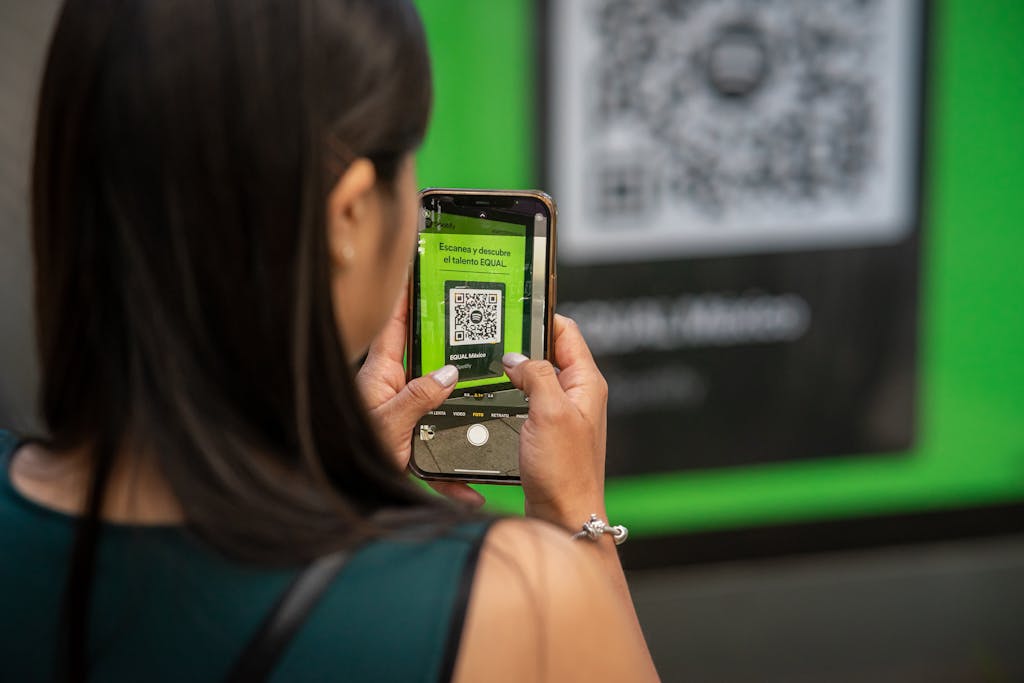
Some sellers attempt to bypass secure payment systems by sending QR codes, claiming it’s a faster or preferred method. Scanning these codes can expose your financial information or authorize unauthorized payments.
Never scan QR codes from unverified sources. Stick to marketplace-approved payment tools and confirm the transaction through the official platform to prevent financial loss.
Prepaid Shipping Label Frauds
Sellers or buyers may ask you to use a prepaid shipping label, claiming it’s part of the transaction process. Scammers often exploit this by claiming the item never arrived or by manipulating tracking information.
Always generate your own tracking numbers and keep receipts. Use verified courier services, and avoid relying on labels provided by the other party to protect your shipments.
Middleman and Phantom Listings
A common scam involves sellers claiming they are acting as a middleman for someone else, demanding payment before arranging a pickup. Often, no actual item exists, or the goods are stolen.
Avoid middleman arrangements entirely. Insist on direct transactions with the actual owner or seller, and confirm the item’s existence and condition in person before sending money.
Overpaying for Low-Quality Items
Even without overt scams, poor research can lead to overpaying for items listed at inflated prices. Sellers may advertise second-hand goods as “new” or claim exaggerated discounts.
Cross-reference similar items on other platforms, read reviews, and evaluate fair market value before committing. Knowledge is your best defense against wasting money on overpriced or misrepresented products.
Ignoring Public Safety
Meeting strangers to exchange goods carries personal risk, including robbery or physical assault. Choosing unsafe locations or meeting at odd hours increases vulnerability.
Always meet in public, busy areas with security cameras when possible. Bring a friend if needed, and avoid sharing your home address or personal information. Police station parking lots are increasingly offered as safe exchange points.
Failure to Research Seller or Buyer Reputation

Ignoring a seller’s or buyer’s profile, reviews, or past history can lead to scams or fraudulent interactions. Check feedback, ratings, and activity history carefully before engaging.
Red flags include newly created accounts, inconsistent information, or pressure to complete a deal quickly. A well-researched transaction minimizes risk and increases confidence that you’re dealing with a legitimate participant.
Rushing Online Transactions
Hasty purchases increase the risk of mistakes, scams, and overpayments. Impulse decisions bypass research, comparison, and safety checks. Take time to verify the authenticity of the item, the payment methods, and the seller’s reliability.
Slow, methodical interactions provide a layer of security that prevents unnecessary financial and personal loss.
Conclusion
By avoiding these twelve critical mistakes, you can safely navigate Craigslist, Facebook Marketplace, and similar platforms without falling prey to scams or fraud. Vigilance, patience, and careful verification are essential to ensuring your transactions are secure, legitimate, and stress-free. Approach every listing with skepticism, verify every detail, and use secure, traceable payment and pickup methods to make online buying and selling both safe and successful.