Paradise is not always as safe as it looks. Some of the world’s most breathtaking travel destinations attract millions of visitors with stunning beaches, towering mountains, crystal-clear waters, and unforgettable views. But behind the beauty, some of these places hide serious dangers that can turn a dream vacation into a terrifying experience within minutes.
From sudden natural disasters and deadly wildlife to dangerous weather, risky landscapes, and hidden hazards tourists often ignore, these destinations can become dangerous faster than most people expect. One wrong move, one bad decision, or simply being in the wrong place at the wrong time can change everything. Before you book your next trip, here are 10 beautiful travel destinations that can turn deadly fast.
Death Valley, California

Death Valley looks almost unreal in the right light. Salt flats stretch into white geometry, mountains glow purple at sunset, and the desert feels wide enough to swallow every sound except the wind. The danger is that this beauty sits in one of the hottest and driest environments on Earth, where a short walk can turn into a medical emergency faster than many tourists expect.
Summer temperatures often climb above 120°F in the shade, and the ground can become even more punishing. Heatstroke, dehydration, broken-down vehicles, flash floods, and abandoned mine shafts make this national park a place where casual mistakes can carry serious consequences. Visitors who arrive with only a small bottle of water and a phone camera are not prepared for a landscape that can punish overconfidence within minutes.
The safest way to experience Death Valley is to treat it like an expedition, not a casual scenic drive. Travel early, carry more water than you think you’ll need, avoid hiking in extreme heat, and never rely on cell service as a rescue plan. The desert is magnificent, but it rewards planning more than bravery.
Bikini Atoll, Marshall Islands
Bikini Atoll sounds like the beginning of a fantasy vacation. Its lagoon, reefs, and blue Pacific water give it the look of an untouched island paradise. The unsettling truth is that this beauty carries the legacy of nuclear testing, forced relocation, and long-term radioactive contamination.
The United States conducted nuclear tests in the Marshall Islands between 1946 and 1958, with Bikini Atoll becoming one of the most infamous testing sites. The danger today is not a visible blast crater or a glowing shoreline, but contamination that can enter the body through soil, plants, and local food. That makes Bikini especially deceptive because the water may look inviting while the bigger risk remains invisible.
Short, tightly controlled visits have occurred, especially for specialized diving around shipwrecks, but permanent resettlement and food safety remain complicated issues. For ordinary travelers, the lesson is blunt. A destination can look tropical, peaceful, and empty because history has made it unsafe to live there.
Anak Krakatau, Indonesia
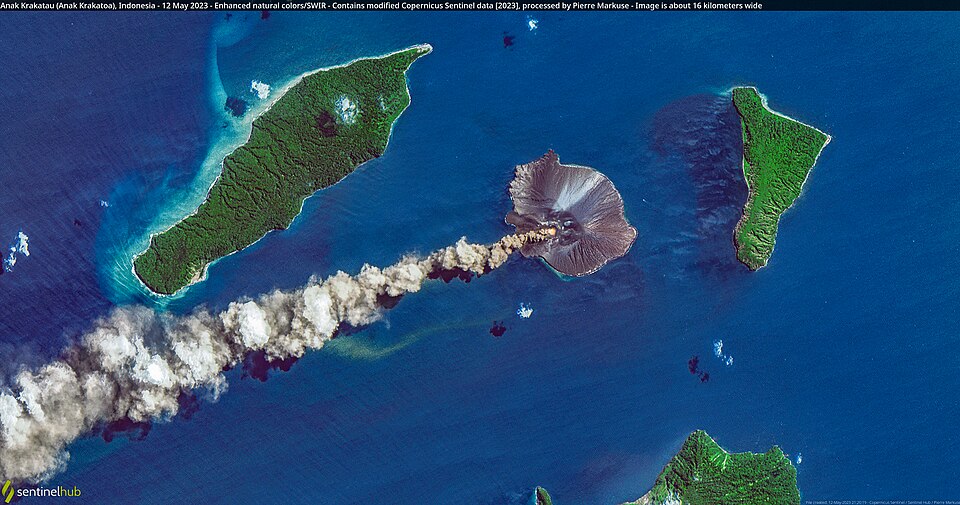
Anak Krakatau rises from the Sunda Strait with the drama of a living warning sign. The island is visually magnetic, with volcanic slopes, steaming vents, ash-darkened rock, and sea views that make it feel like a raw piece of the planet still under construction. That is exactly the problem.
This volcano is the “child” of Krakatoa, whose 1883 eruption produced one of history’s deadliest volcanic disasters. Anak Krakatau has continued that violent family story through eruptions, collapses, ash plumes, and tsunami risk. In 2018, a flank collapse triggered a tsunami that struck nearby coastlines, proving that the danger is not limited to people standing on the volcano itself.
Volcano tourism can look thrilling on social media, but Anak Krakatau is not a mountain with a predictable personality. The biggest danger may come without a dramatic warning, especially if part of the island collapses back into the sea. Boats, beaches, and coastal settlements can be affected when an unstable volcanic island suddenly moves.
The Darién Gap, Panama and Colombia
The Darién Gap is not dangerous because it looks ugly. It is dangerous because it looks alive, endless, and almost mythic. Thick jungle, rivers, mountains, mud, insects, and green walls of vegetation create one of the most intimidating breaks in the Pan-American Highway.
The region has no easy road crossing, and that absence is part of the danger. Travelers face venomous wildlife, heat, disease, injury, flooding rivers, exhaustion, and the reality of moving through a place with very limited infrastructure. Once something goes wrong, help may not be close, simple, or safe.
The human danger is just as serious. Organized crime, human trafficking, robbery, sexual assault, kidnapping, and disappearances have been reported in the region. For migrants, the crossing can become a desperate means of survival. For adventure travelers, treating the Darién as a trophy challenge ignores the fact that this jungle has swallowed people, plans, and rescue attempts.
Danakil Depression, Ethiopia
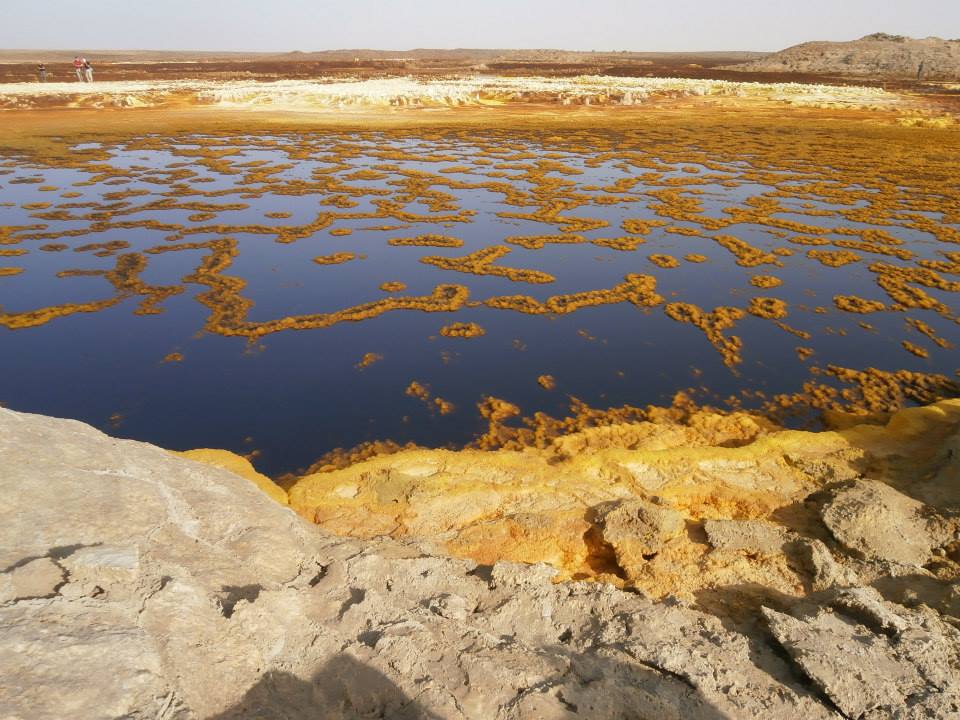
The Danakil Depression is one of those places that looks too strange to be real. Bright yellow sulfur fields, acidic pools, salt flats, lava features, and mineral terraces create a landscape that feels more like another planet than East Africa. It is also one of the most physically hostile destinations a traveler can enter.
Heat is only the first problem. The region sits low, bakes under brutal temperatures, and contains acidic springs, volcanic gases, unstable crust, and remote terrain where rescue can be slow. The air itself can become dangerous near geothermal vents, and the ground may look solid where it is not. A careless step near the wrong pool can cause burns, injury, or worse.
Security adds another layer of risk. The wider region has had concerns tied to kidnapping, border instability, and armed movement, which is why serious operators use local escorts and strict routes. The Danakil rewards no one for improvising. It is beautiful because it is extreme, and it is dangerous for the same reason.
Ciudad Juárez, México
Ciudad Juárez has a complicated identity. It is a major border city with culture, food, industry, families, and daily life that continues despite years of violence. From a distance, its location beside El Paso may make it seem like an easy cross-border stop. That assumption can be dangerous.
The risk comes from organized crime, kidnapping, targeted killings, bystander violence, robbery, and security restrictions that still shape movement in parts of Chihuahua. Some travelers imagine danger as something that happens only on remote back roads, but urban violence can spill into restaurants, shopping areas, nightlife districts, and transit routes. A city does not need to look deserted to be unsafe.
This does not mean that every person in Juárez is in constant danger, nor does it erase the city’s human richness. It does mean casual tourism requires a level of caution that many visitors are not ready to practice. Current advisories, local guidance, daylight movement, secure transport, and strict route planning are all important here.
North Yungas Road, Bolivia
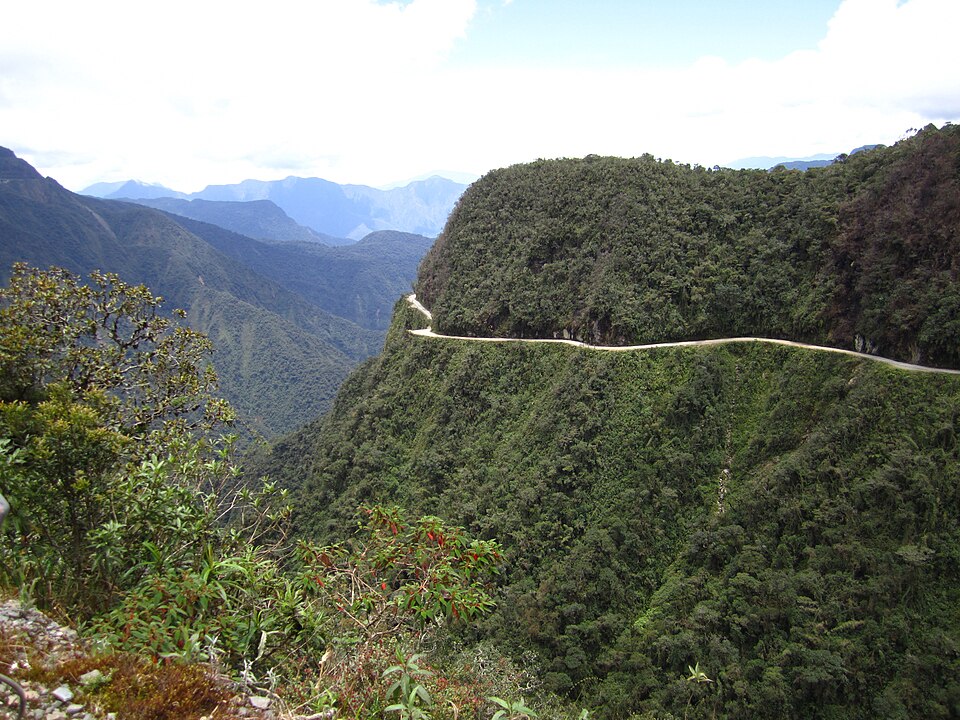
North Yungas Road, better known as Death Road, is beautiful in the way nightmares can be beautiful. Mist rolls over cliffs, jungle-covered mountains fall away beneath the road, and the scenery feels cinematic from almost every angle. Then the road narrows, the guardrails vanish, and the drop becomes impossible to ignore.
This route became infamous because of its steep cliffs, fog, mud, landslides, blind curves, and narrow sections carved into mountain slopes. A newer highway has reduced the old road’s role as a major vehicle route, but it remains popular with mountain bikers chasing the thrill of descending one of the world’s most notorious roads. That shift has made it less deadly for regular traffic, but not harmless.
The greatest mistake is treating Death Road like a theme park ride. Weather, loose gravel, fatigue, poor brakes, weak tour operators, and risky cycling behavior can still turn the descent into a disaster. The view is spectacular, but no scenery is beautiful enough to make a cliff forgiving.
Skeleton Coast, Namibia
The Skeleton Coast has one of the most dramatic names in travel, and it earns it. Here, the Namib Desert meets the Atlantic in a long sweep of fog, surf, dunes, bleached bones, and shipwrecks. It is haunting, cinematic, and strangely peaceful until we remember why so many wrecks ended up there.
Cold currents, heavy fog, rough surf, hidden sandbars, and isolation helped make this coast a graveyard for vessels. Sailors who survived shipwrecks often faced a second death sentence on land, where desert, thirst, distance, and exposure waited behind the beach. The coastline can feel empty, but emptiness is part of the threat.
Modern guided visits can be safe when handled properly, especially by experienced operators who understand permits, routes, tides, and logistics. The danger increases when travelers underestimate remoteness, attempt to drive independently without preparation, or treat the ocean as a casual swimming spot. The Skeleton Coast is best admired with humility, not bravado.
Valley of Death, Kamchatka, Russia
Kamchatka’s Valley of Death sounds like folklore, but the danger has a scientific explanation. This remote volcanic valley lies in a landscape of geysers, mountains, rivers, and wild beauty. Yet its lower areas can collect volcanic gases that quietly turn the air lethal.
The main hazard is gas accumulation, especially carbon dioxide and hydrogen sulfide. Carbon dioxide can displace oxygen in confined spaces, and hydrogen sulfide can quickly overwhelm the senses and body. Animals have been found dead in the valley because they entered zones where the air near the ground became unsafe to breathe.
What makes this place especially frightening is the lack of an obvious warning. A traveler may see open air rather than a visible trap. In volcanic terrain, danger does not always roar, glow, or explode. Sometimes it simply settles into a low place and waits.
Gruinard Island, Scotland
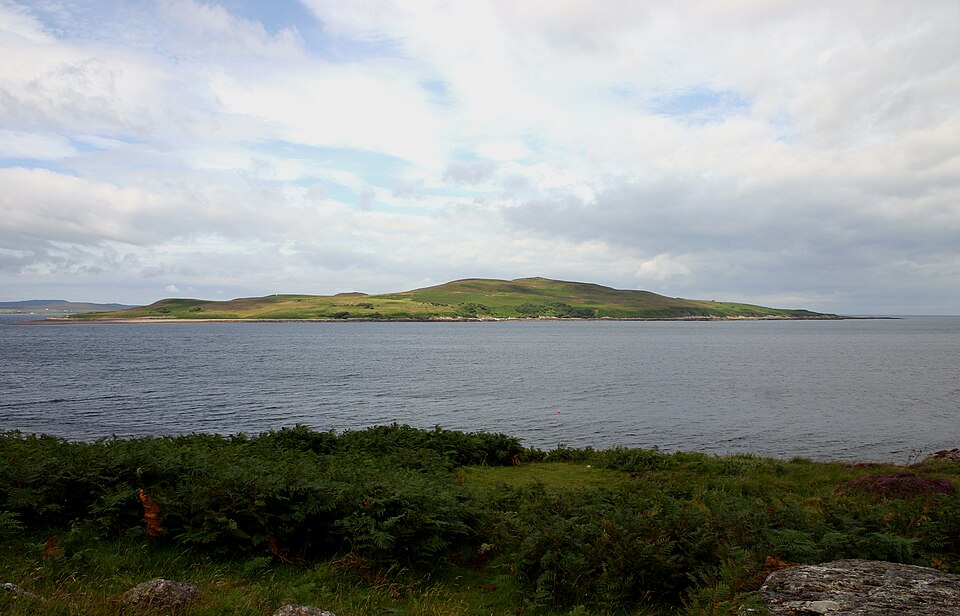
Gruinard Island looks quiet from the Scottish coast. It has the lonely beauty of a northern island, with wind, grass, water, and a sense of distance from the noise of modernity. Its reputation, though, comes from one of Britain’s most unsettling wartime experiments.
During World War II, the island was used for biological weapons testing involving anthrax. The contamination made Gruinard infamous for decades, and access was restricted for a long period before decontamination work led to its official clearance. Even after being declared safe, the island remains a symbol of how human-made danger can outlast the conflict that created it.
Gruinard is different from the other destinations because its physical danger has been officially reduced, but its story still carries weight. It reminds us that not every deadly place is made by heat, volcanoes, or predators. Sometimes the most dangerous landscapes are created by decisions made in laboratories, war rooms, and government files.
Conclusion
Travel can be breathtaking, but these destinations prove that beauty can be dangerously deceptive. From deserts that cook the unprepared, volcanoes that erupt without warning, to islands carrying the invisible legacy of nuclear and biological experiments, the risks are real and often underestimated. Even cities with rich culture can hide dangers rooted in crime and instability, reminding travelers that paradise and peril often coexist.
Approaching travel with respect, preparation, and knowledge allows us to admire these locations safely without becoming part of their statistics. Guided tours, expert advice, safety gear, and awareness of local conditions are essential for experiencing these landscapes responsibly. Ultimately, the thrill of discovery is most rewarding when it is paired with caution, turning awe-inspiring destinations into lasting memories instead of regrets.