Grocery shopping used to be simple: pick your favorite foods, grab a cart, and hope you didn’t forget anything. Now, between rising gas prices and the global tension sparked by the Iran conflict, every trip feels like a small battle for your budget. Even eggs and bread are feeling the pinch, and your shopping cart is quietly reminding you that distant events have a funny way of showing up at your checkout. This guide breaks down how these factors are inflating grocery bills and offers practical ways to fight back without losing your sanity.
The Grocery Store Isn’t a Safe Zone Anymore
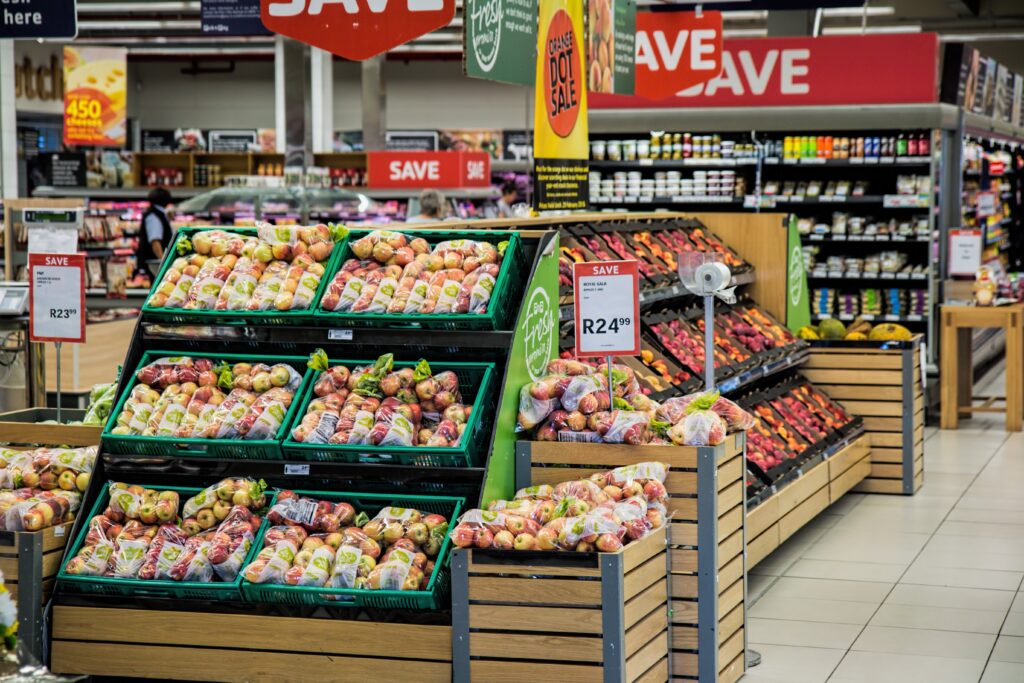
Remember when shopping for groceries was just about picking your favorite foods? Welcome to 2026, where every trip feels like a test of patience and math skills. Gas prices are soaring thanks to global tensions, and the war with Iran has added fuel to the fire literally. Trucks, tractors, and fertilizer all depend on oil, which means every extra cent per gallon ends up reflected in your grocery total. The humble shopping cart has become a financial battlefield.
Meal Planning: Your New Survival Skill
Walking into a grocery store without a plan is basically volunteering to be bullied by snacks. Hunger plus bright packaging equals impulsive spending, every time. Planning meals ahead not only prevents unnecessary purchases but also forces you to focus on the ingredients you actually need. Rice, beans, eggs, frozen vegetables, and pantry staples suddenly become heroes instead of background players.
Shop the Pantry Before You Shop the Store
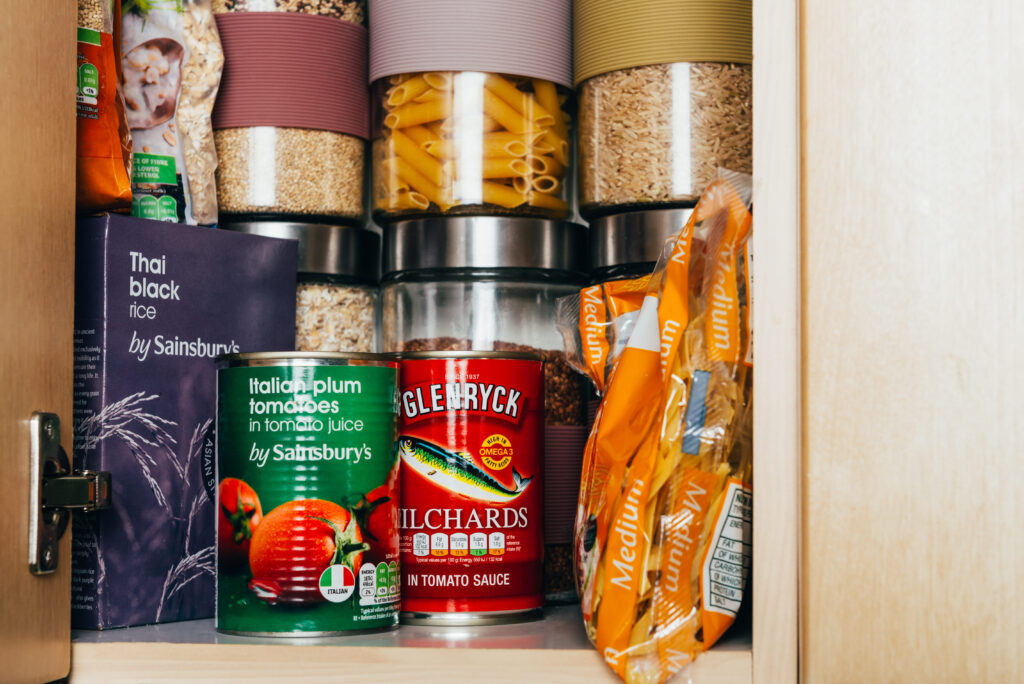
Before buying more food, check what’s hiding in your cabinets, fridge, and freezer. Forgotten rice, cans of beans, or half a bag of pasta can easily cover a few meals. Using what you already have not only saves money but also prevents food from rotting, and that’s money literally thrown into the trash.
Freezers Are Your Best Friend
Freezing isn’t just for leftovers. Buy meat or produce in bulk when it’s on sale and freeze portions. Frozen vegetables and fruit are often cheaper than fresh and just as nutritious. A full freezer also protects you from emergency runs to the store, which is where budgets go to die.
Proteins That Don’t Destroy Your Wallet
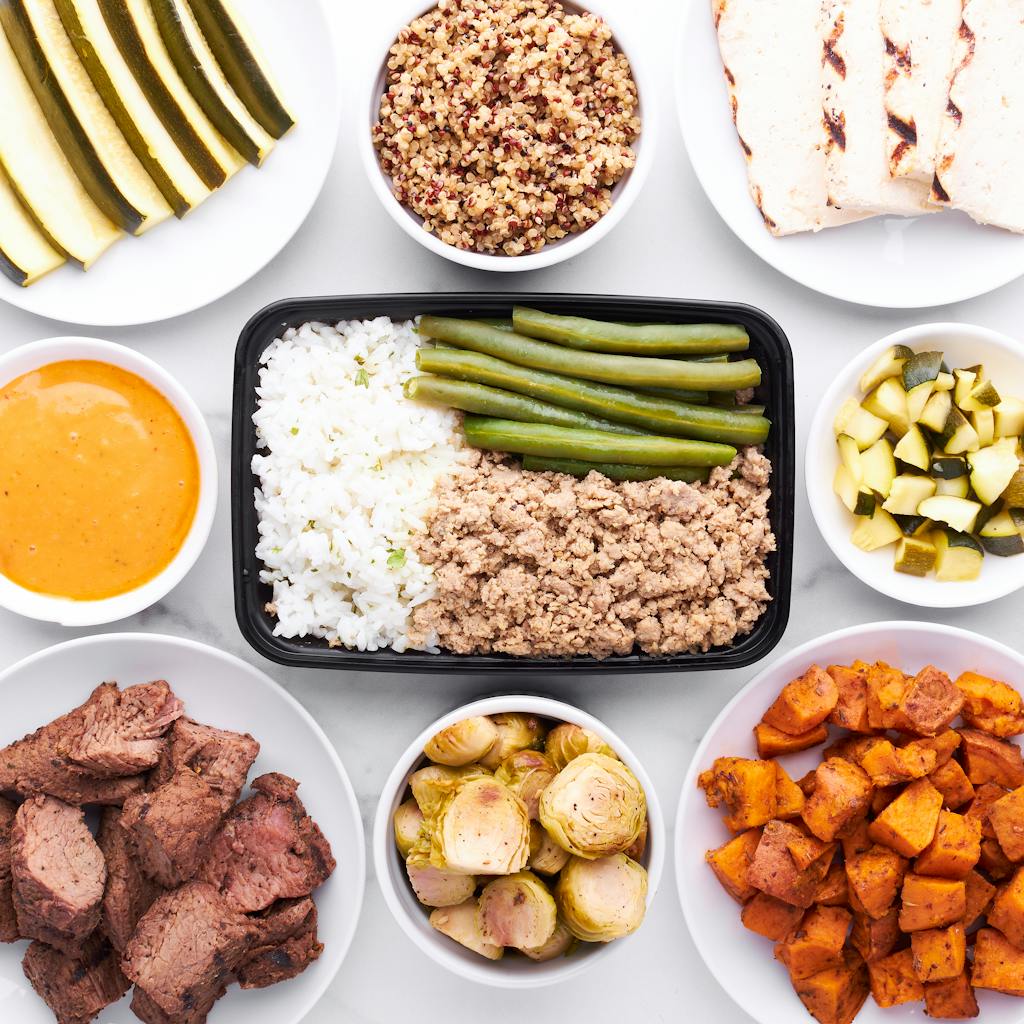
Meat and seafood are expensive, especially when every grocery cart comes with an involuntary side of gasoline guilt. Lean on affordable proteins like beans, lentils, eggs, canned tuna, peanut butter, and chicken thighs. Mix cheaper proteins with vegetables, rice, or pasta to make meals stretch without making your wallet cry.
Store Brands: The Unsung Heroes
Name-brand loyalty costs you. Store brands are almost always cheaper and usually taste just as good. Switching to store brands for staples like cereal, pasta, frozen veggies, and cleaning products is basically free money in your pocket. No dramatic sacrifices required.
Convenience Comes With a Price
Pre-cut fruit, bagged salads, frozen dinners, and ready-made meals are convenient until your budget cries for mercy. Doing a little prep at home, washing lettuce, cutting carrots, or cooking rice, saves money without sacrificing flavor. The effort is minor compared to the relief at checkout.
Drinks Are Stealthy Budget Killers
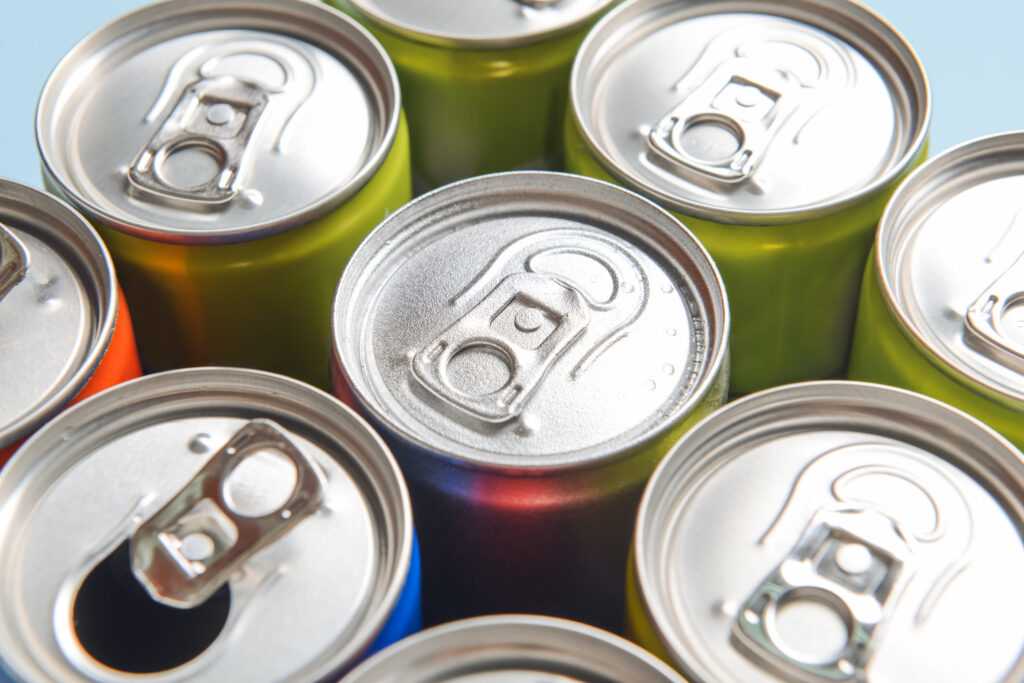
Soda, bottled coffee, juice, and energy drinks might not feel like major purchases, but they quietly inflate your grocery bill. Switching to tap water, homemade iced tea, or home-brewed coffee cuts costs without cutting enjoyment.
Fewer Trips, Less Temptation
Every grocery trip is a chance to overspend and to watch gas prices gnaw at your sanity. Planning one main shopping trip per week, with a small backup if necessary, keeps both your budget and your fuel costs in check.
Flexible Ingredients and Leftover Magic
Some ingredients only work in one dish, which is great if you enjoy wasting money. Choose flexible basics like rice, pasta, beans, potatoes, oats, eggs, tortillas, and canned vegetables. Reinvent leftovers into wraps, bowls, salads, and stir-fries to stretch both food and dollars further.
The Global Connection You Can’t Escape
Higher gas prices from the Iran conflict aren’t just headlines; they directly affect supply chains, fertilizer costs, farm equipment fuel, and processing expenses. Every grocery bill now carries a hidden tax from global instability, which makes that $4 gallon of gas feel even worse.
Final Thoughts
The war in Iran and rising fuel costs have quietly turned grocery shopping into a careful negotiation. While you can’t control geopolitics or oil prices, you can control how much damage they do to your budget. Meal planning, smarter shopping, freezing leftovers, and limiting impulse purchases won’t make groceries cheap, but they can make them manageable. Winning at the grocery store has never felt so heroic.