Over the last few decades, the concept of “free” has shifted dramatically. What was once available on demand at no cost is increasingly behind paywalls, subscription services, or hidden charges that quietly slide onto bills.
In this article, we break down the most common things Americans used to get for free, how that changed, and what they cost today, empowering you to rethink spending and find smarter ways to reclaim value.
Local Phone Service
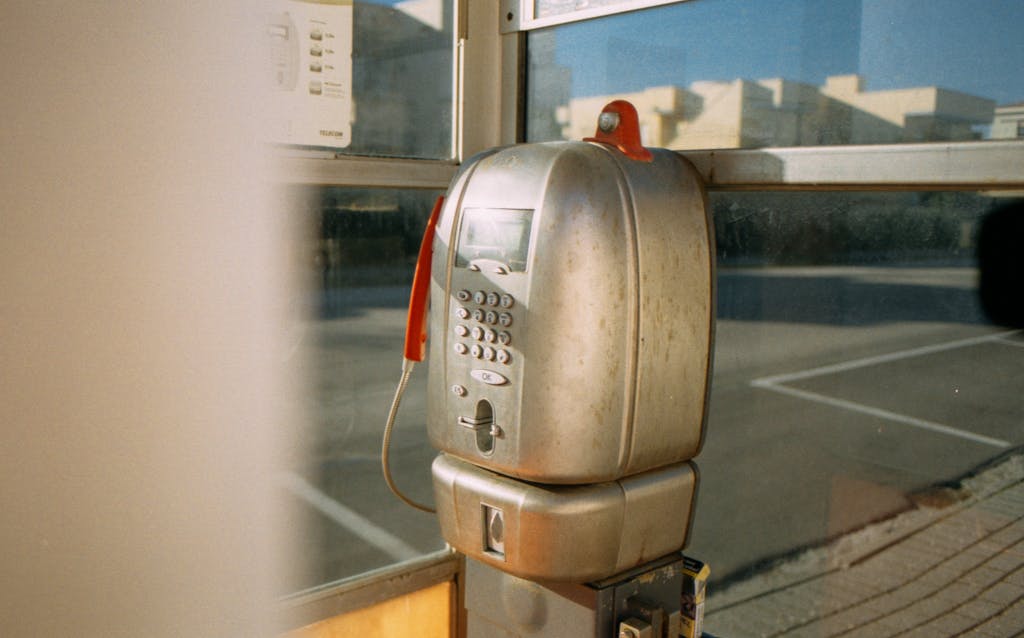
In the 1980s and early 1990s, basic local telephone service was often included in your utility bundle without extra cost beyond installation. Today, families pay monthly cellular or VoIP fees, often bundled with data plans and taxes, making basic calls far from free.
Long‑Distance Calling
Before deregulation and cellular dominance, many plans included long‑distance within the U.S. at no extra charge. Most carriers charge per minute or require expensive unlimited plans to avoid fees. Seamless connectivity now comes at a recurring cost.
Local TV
High‑quality broadcast TV was free via antenna, with access to major networks and local programming. Consumers often pay for cable packages or streaming apps just to watch the same content previously available over the air.
Paper Maps
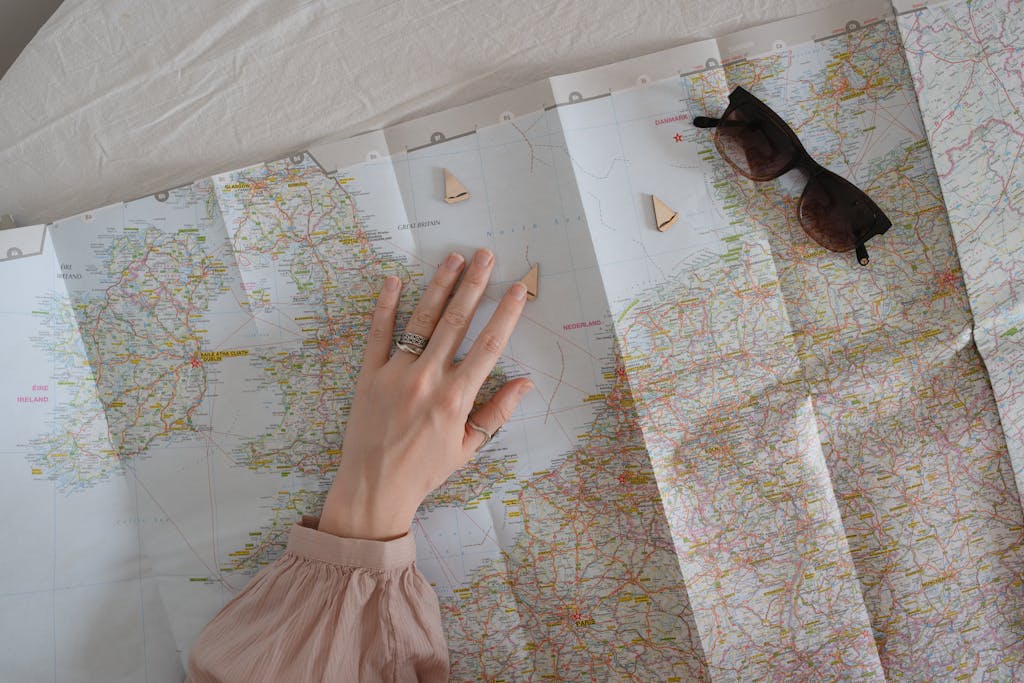
Free, detailed maps were distributed to travelers. While basic navigation apps are technically free, they’re tied to data plans and in‑app ads, and premium navigation features often cost extra.
Airline Snacks
Domestic carriers used to include free snacks and beverages on most flights. Today’s passengers are charged for everything beyond water and coffee, turning once free perks into add‑on revenue streams.
Software
Users downloaded software freely or “try before you buy” versions from bulletin board systems or early internet archives. Most applications now require monthly subscriptions or paid licenses for full access and updates.
Newspapers

Local newspapers were often delivered at no direct cost to subscribers through advertiser‑supported models. Many news outlets require paid subscriptions to access content that was once free.
Maps and Travel Guides
Printed regional guides and city maps were handed out at no cost. Detailed travel guides and features increasingly fall behind subscription tiers even in mapping apps.
Museum Entry Days
Some museums offered free admission regularly or on certain days without restrictions. Even formerly free museums now require reservations and paid admission on most days.
Public Restroom Access

Retailers and public facilities freely welcomed visitors to use restrooms. Many places require a purchase or charge a nominal fee to use restrooms, especially in urban areas.
How We’re Paying Now
Everything from maps to media, from travel to tech support, that used to be free is increasingly monetized. In many cases, these changes reflect shifting economic models, digital infrastructure costs, personalized experiences, and subscription economies.
While some sacrifices may feel inevitable, understanding what used to be free compared to today’s pricing empowers us to make informed budget decisions, negotiate better deals, and choose alternatives where possible.
Conclusion
The era of everyday freebies has evolved into one of subscription services and hidden costs. While many conveniences are worth the price, recognizing what you’re paying for and what alternatives might exist helps you control your spending and preserve more of your money. Understanding past norms and current trends equips us to make financial decisions with confidence in an increasingly monetized world.