It’s tempting to chase big paychecks, but what if the cost of that paycheck is far more than you ever imagined? Many high-paying jobs come with hidden risks, some physical and others psychological, that can leave you with more than just a paycheck to worry about.
While the salary might lure you in, the reality of these jobs might make you think twice before diving in. Let’s explore 14 high-paying careers that hide some serious risks and uncomfortable truths.
Firefighters

When you think of firefighters, you imagine brave individuals running into burning buildings to save lives. But the truth is, firefighting is one of the most dangerous jobs in the world.
Firefighters face an increased risk of cancer due to exposure to toxic smoke, as well as burns and physical injuries.
Mental health is another casualty, as many firefighters suffer from PTSD after witnessing traumatic events. Despite a reasonable salary of $52,500, the personal toll this career takes is far greater.
Why it’s risky: Firefighting comes with life-threatening physical risks and severe mental health impacts that are often ignored.
Slaughterers and Meat Processors
Working in the meat processing industry may seem like a straightforward task, but the job is far from easy. Slaughterers are exposed to dangerous machinery, biological hazards, and the physical strain of working with raw meat.
Mentally, the job is draining, with workers dealing with animal deaths and constant exposure to blood and gore. The salary of around $38,210 doesn’t come close to compensating for the toll on workers’ health and well-being.
Why it’s risky: The job involves physical injury risks, exposure to pathogens, and mental exhaustion from the gruesome nature of the work.
Hazardous Materials Removal Workers
Hazardous materials removal workers are tasked with cleaning up toxic substances such as asbestos, lead, and radioactive waste. While the pay can be attractive, with some earning around $64,670, the long-term health consequences are severe.
These workers face an increased risk of lung disease, cancer, and other chronic health conditions due to prolonged exposure to harmful substances.
Why it’s risky: Long-term exposure to toxic materials puts workers at serious risk of debilitating diseases that may not surface until years later.
Police Officers
As society’s first line of defense, police officers often face dangerous situations on a daily basis. With a median salary of $107,440, the pay can seem attractive, but this job comes at a huge cost.
Officers are exposed to violence, high-speed chases, and a constant risk of harm. Furthermore, police officers experience extreme stress and often suffer from PTSD due to the nature of their work.
Why it’s risky: The physical and mental toll of the job can be devastating, making the hefty paycheck far less appealing.
Garbage Collectors
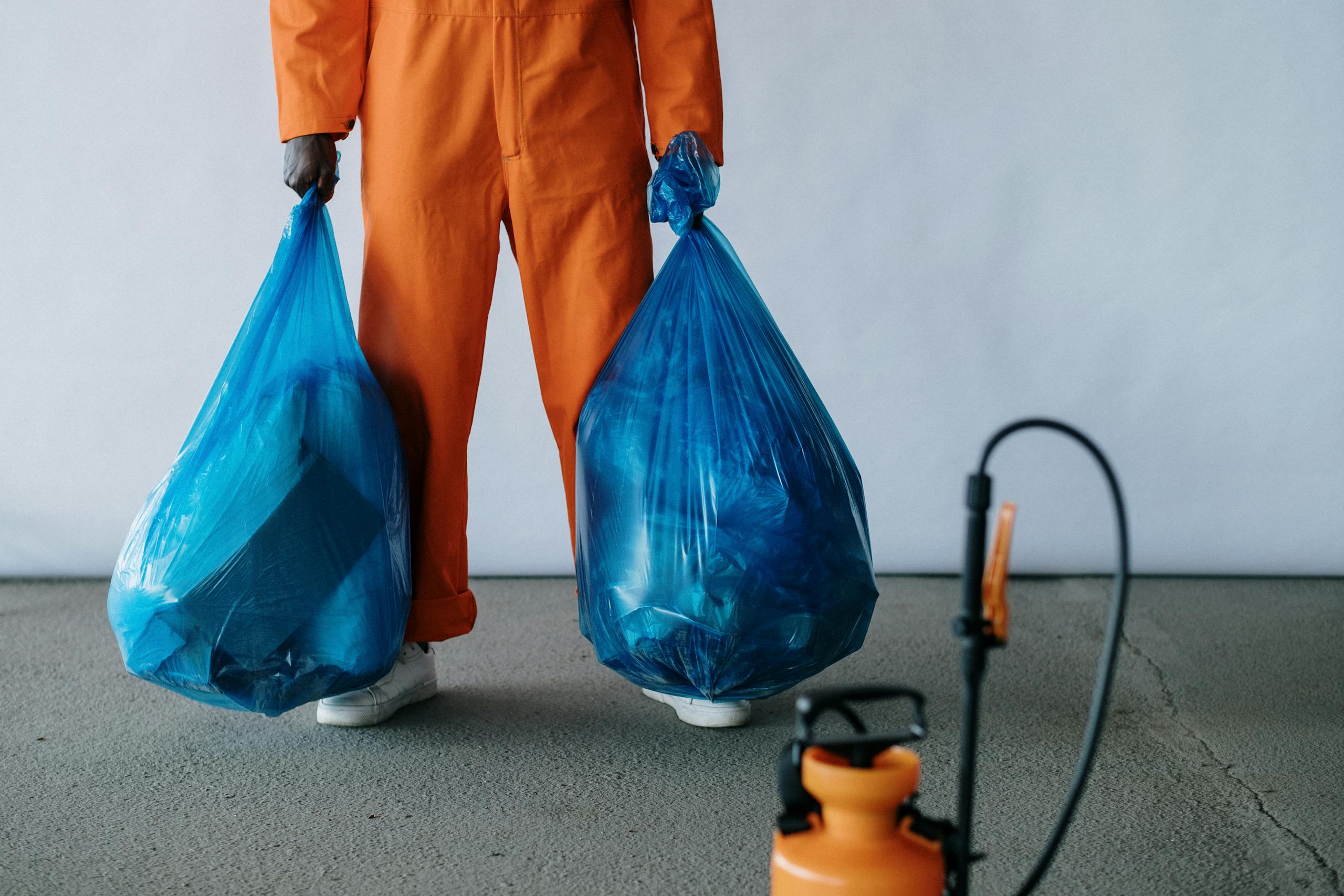
Garbage collection may seem like a straightforward job, but it’s one of the most hazardous. Collectors face health risks such as exposure to disease-carrying waste, needles, and animal carcasses.
Prolonged exposure to these conditions can lead to respiratory issues, infections, and skin diseases. Despite a salary range of $39,100 to $61,450, the health risks far outweigh the rewards.
Why it’s risky: Handling waste exposes workers to dangerous pathogens and other health risks, making it a job with hidden dangers.
Embalmers
Embalming is a career that deals with death daily, often leaving workers with significant emotional and mental strain. While the salary can reach $77,140, the emotional burnout from handling bodies and death can be overwhelming.
The mental toll of this profession often leads workers to experience depression, anxiety, and eventual burnout.
Why it’s risky: The constant exposure to death and grief can have serious psychological effects, leaving workers emotionally scarred.
Pest Control Workers
Pest control workers often deal with toxic chemicals and dangerous pests. From rodents to bedbugs, their job exposes them to hazardous substances that can lead to neurological damage, respiratory problems, and even cancer.
The $37,820 pay may seem like an average salary, but the physical and mental risks are substantial.
Why it’s risky: Exposure to chemicals and the physical dangers of pest control can lead to long-term health issues, making the job inherently hazardous.
Plumbers
Plumbing emergencies may pay well, but they also come with hidden dangers. Plumbers are frequently exposed to raw sewage, hazardous chemicals, and bacteria when dealing with blocked drains or burst pipes.
While some plumbers earn up to $88,150 in Alaska, the risks of disease and injury are significant.
Why it’s risky: Exposure to biohazards and stressful working conditions puts plumbers at risk of long-term health problems.
Crime Scene Cleaners
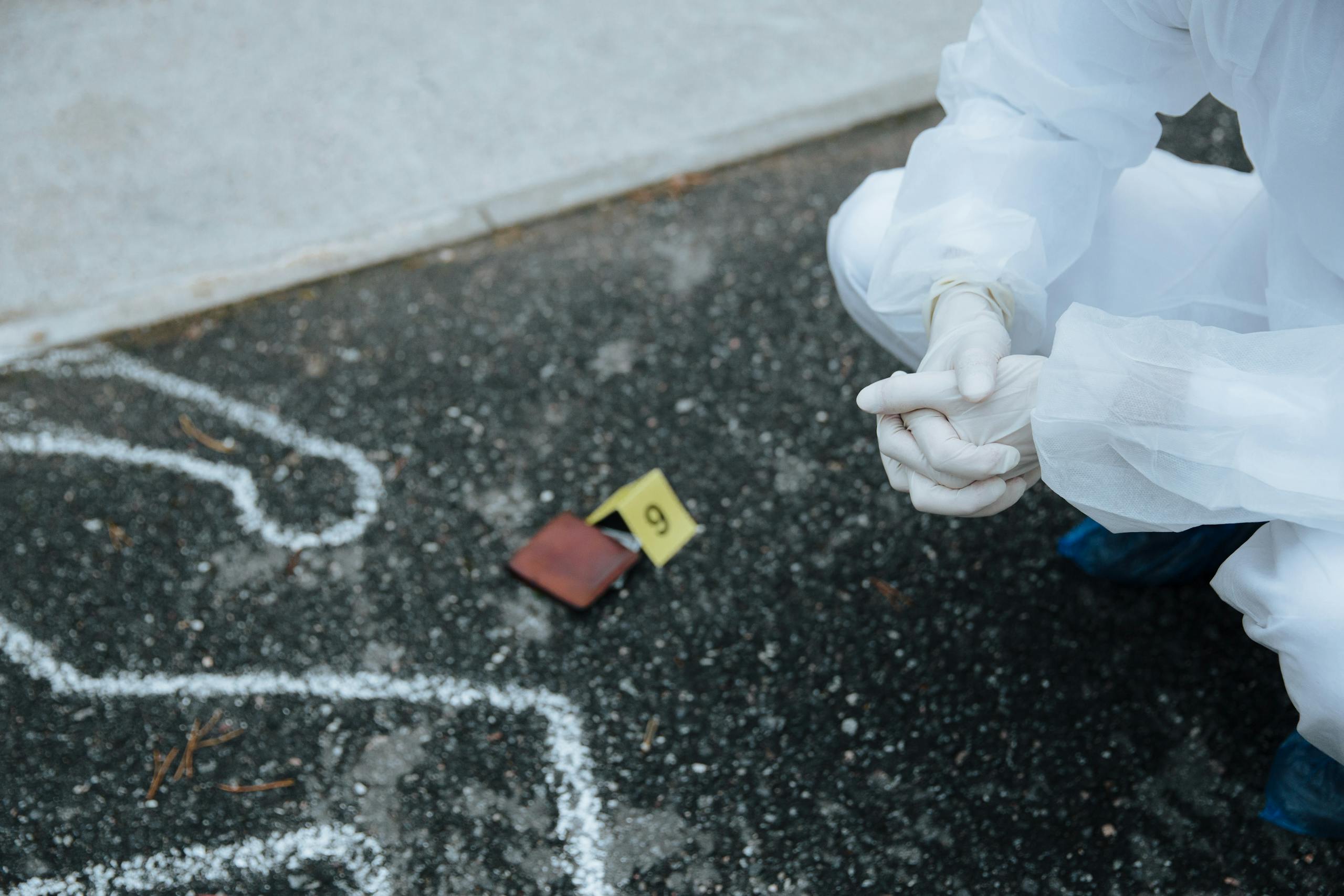
Crime scene cleaners have one of the most mentally and emotionally taxing jobs around. They clean up the aftermath of murders, suicides, and other horrific events. The physical toll is one thing, but the emotional trauma can be even worse.
Workers are constantly exposed to blood, body fluids, and other remnants of death. With salaries reaching up to $88,090, the mental toll is often far more than what workers bargained for.
Why it’s risky: The emotional scars and psychological stress of cleaning crime scenes can take years off a person’s mental health, despite a high salary.
Logging Workers
Logging is one of the most dangerous professions in the world. Workers face the constant risk of falling trees, heavy machinery accidents, and the physical strain of the job.
Despite the average wage of $42,350, logging remains a high-risk job that often leads to fatal accidents.
Why it’s risky: The risk of physical injury and fatal accidents makes this job one of the most hazardous in the world.
Underground Mining Machine Operators
Working as an underground mining machine operator involves operating dangerous machinery in poorly lit, confined spaces. The risk of cave-ins, explosions, and exposure to toxic air makes this job one of the most deadly in the world.
Despite the median salary of $52,400, the constant threat of death or serious injury looms over every shift.
Why it’s risky: The confined, hazardous environment and constant risk of accidents make underground mining one of the most perilous jobs you can have.
Farmers
Farming might seem like a low-risk job, but it’s one of the most physically demanding and dangerous. Farmers face health risks from animal diseases, extreme weather conditions, and long hours.
The $68,090 pay doesn’t account for the mental and physical toll of working in harsh conditions day in and day out.
Why it’s risky: The physical and mental strain of farming can lead to long-term health problems and injuries, making the salary hardly worth it.
Sewer and Septic Cleaners

Cleaning sewers and septic tanks is about as unpleasant as it sounds. Workers are exposed to raw sewage, bacteria, and other dangerous pathogens. The health risks include gastrointestinal issues, skin diseases, and deadly infections.
The $108,050 salary in North Dakota might seem lucrative, but the job is fraught with health hazards.
Why it’s risky: Exposure to hazardous waste puts workers at high risk of severe health problems, making this job far from desirable despite the salary.
Oil and Gas Derrick Operators
Derrick operators in the oil and gas industry work in high-risk environments, handling dangerous equipment on drilling rigs. The threat of oil spills, explosions, and equipment malfunctions looms large.
While the salary is decent at $47,920, the risk of fatal accidents makes this career one that demands serious consideration.
Why it’s risky: The extreme hazards of working with heavy equipment and the constant risk of explosions make this job one of the most dangerous.
Conclusion
While high-paying jobs often seem like a ticket to financial freedom, they come with hidden costs that many overlook. From dangerous working conditions to severe physical and mental health risks, these jobs are not as attractive once you consider the long-term toll they take.
Before diving into any career, especially one that promises a hefty paycheck, it’s essential to weigh the risks and understand what you’re truly sacrificing.