Cleaning should feel like hitting the reset button on your space—fresh air, clear counters, that “ahhh” moment when you walk in. But sometimes the very habits we swear by are the ones quietly dragging dirt back into the room like a bad ex with a spare key.
The result looks like you cleaned… yet the house still feels dusty, smudgy, and vaguely chaotic.
The truth is, many “cleaning” mistakes don’t look like mistakes at all. They look like normal routines—quick wipes, extra spray, fast mopping—done with good intentions and the wrong strategy. Here are 10 common slip-ups that can keep a home looking dirty, even after you’ve put in real effort.
Using too much cleaning product

More soap doesn’t mean more clean—it often means more residue. Extra detergent, extra spray, extra floor cleaner can leave a sticky film that grabs dust, hair, and grime like a magnet.
Cut back on product, follow label amounts, and rinse or buff as needed to prevent surfaces from staying tacky.
Cleaning with a dirty sponge or rag
A funky sponge doesn’t “clean”—it spreads yesterday’s mess across today’s counters. That damp cloth you’ve used all week becomes a bacteria taxi, doing laps around your kitchen.
Swap clothes often, use microfiber that can be washed hot, and disinfect sponges or replace them quickly.
Spraying and immediately wiping
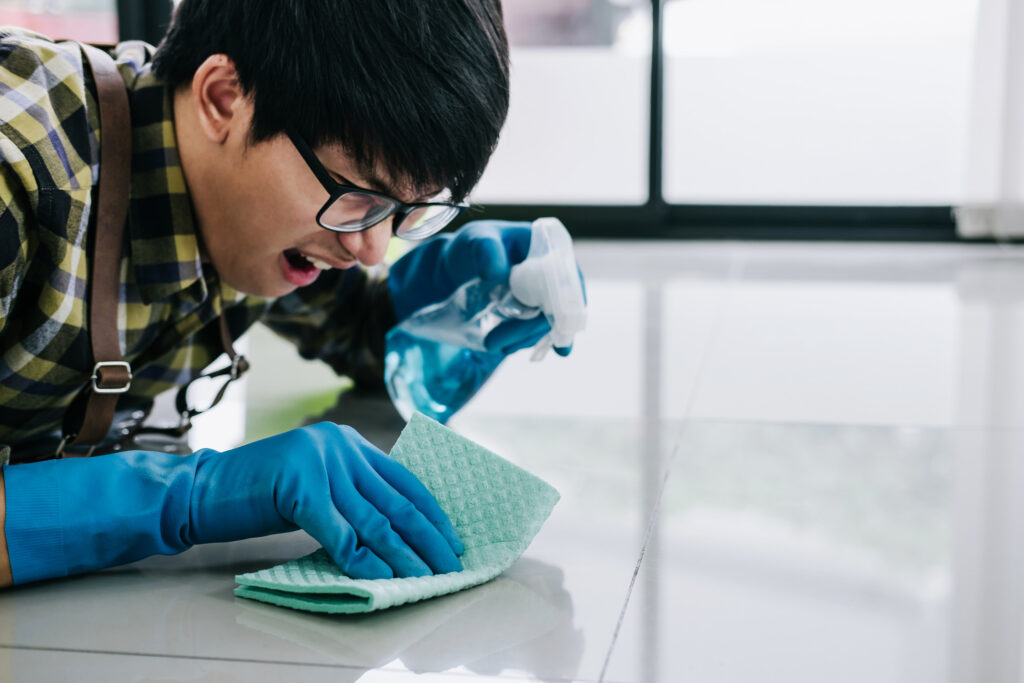
If you spray and wipe right away, you’re basically giving grime a gentle warning instead of an eviction notice.
Most cleaners need dwell time to break down grease, soap scum, and stuck-on gunk. Spray, wait a minute or two, then wipe for a real lift instead of a smear.
Dusting without trapping the dust
Dry feather dusters and flimsy rags can just toss dust into the air like confetti. It lands back on shelves, screens, and floors—sometimes within minutes—making it seem like nothing changed.
Use a microfiber cloth slightly dampened, or a dusting tool that grabs and holds particles rather than redistributing them.
Vacuuming with a clogged filter or a full bin
A vacuum packed with dust performs like a runner breathing through a straw. Suction drops, dirt stays put, and fine dust can puff back into the room.
Empty the bin, clean filters regularly, check for clogs, and replace worn belts or brush rolls so the machine actually does its job.
Mopping a floor that still has crumbs and grit
Mopping over debris turns your mop into sandpaper. You drag grit around, dull the finish, and create that grimy “streaky” look that makes floors feel permanently dirty.
Sweep or vacuum first, then mop with clean water and a rinsed pad.
Washing windows in direct sunlight

Sunlight can betray you when you clean glass. Cleaner dries too fast, leaving streaks and haze that look worse than the original smudges.
Clean windows on a cloudy day or when the sun isn’t directly hitting them, and use a squeegee or microfiber to achieve a crisp finish.
Ignoring the “hidden dirt” zones
You can have sparkling counters and still feel like the house is dusty because the dirt lives in the shadows.
Baseboards, ceiling fans, vent covers, door handles, light switches, and behind toilets build grime that affects the whole vibe. Hit a few of these weekly, and your home starts to feel cleaner instantly.
Using the same tools for every room

The cloth that wiped your bathroom sink should not go on your kitchen counter—ever.
Cross-contamination lets germs travel from room to room like they’re on a world tour. Color-code clothes, separate bathroom tools, and keep kitchen cleaning supplies strictly for food areas.
Forgetting to clean the things that need to be cleaned
Your dishwasher filter, washing machine gasket, mop head, broom bristles, and trash can all collect nastiness. If those tools stay dirty, they leave odors, bacteria, and grime behind, no matter how hard you scrub.
Clean and replace these regularly—because a dirty tool can’t deliver a clean home.