Stink bugs are the kind of pests that make a home feel uncomfortable fast. They do not usually bite, chase people, or destroy furniture, but one wrong move can turn a small problem into a smelly mess. The real issue is that many homeowners try to handle them the wrong way. A few bad habits can invite more bugs inside, spread their odor, and make the infestation harder to control.
The good news is that getting rid of stink bugs does not have to involve panic or harsh chemicals. You simply need to understand what attracts them, where they hide, and how to remove them without making the smell worse. These five mistakes are the biggest reasons stink bugs keep showing up indoors.
Crushing Stink Bugs Instead of Removing Them Properly
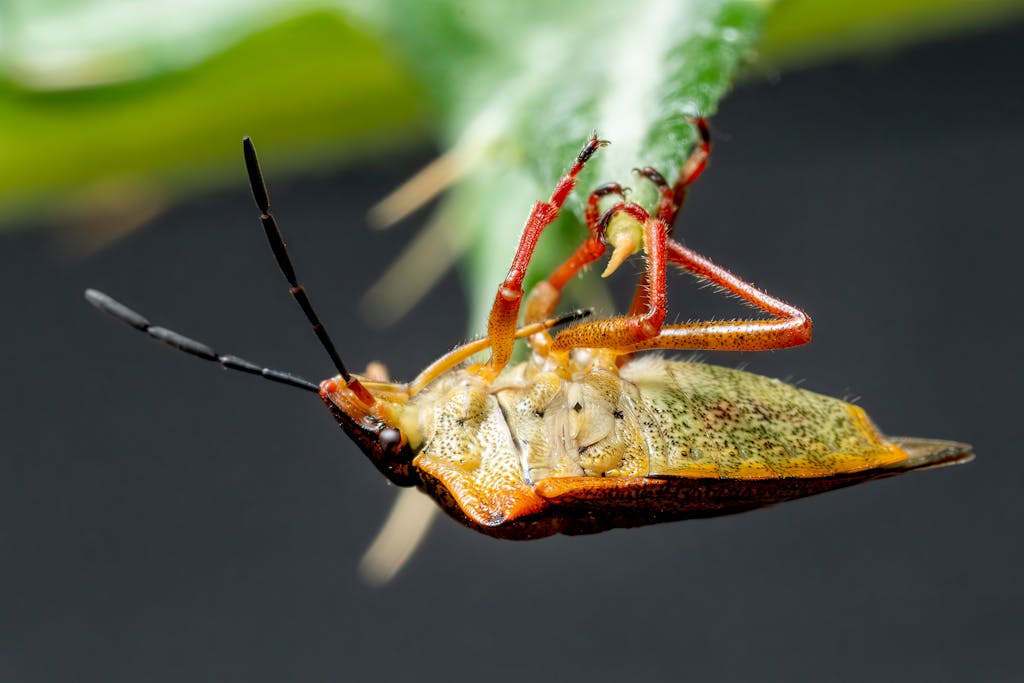
The worst thing you can do when you see a stink bug is smash it. It feels like the fastest solution, especially when one is crawling across your curtain, wall, or window frame. But crushing stink bugs releases the strong odor they are famous for. That smell can cling to surfaces, fabrics, and even the room itself. Worse, it turns a quick pest problem into an unpleasant cleaning job.
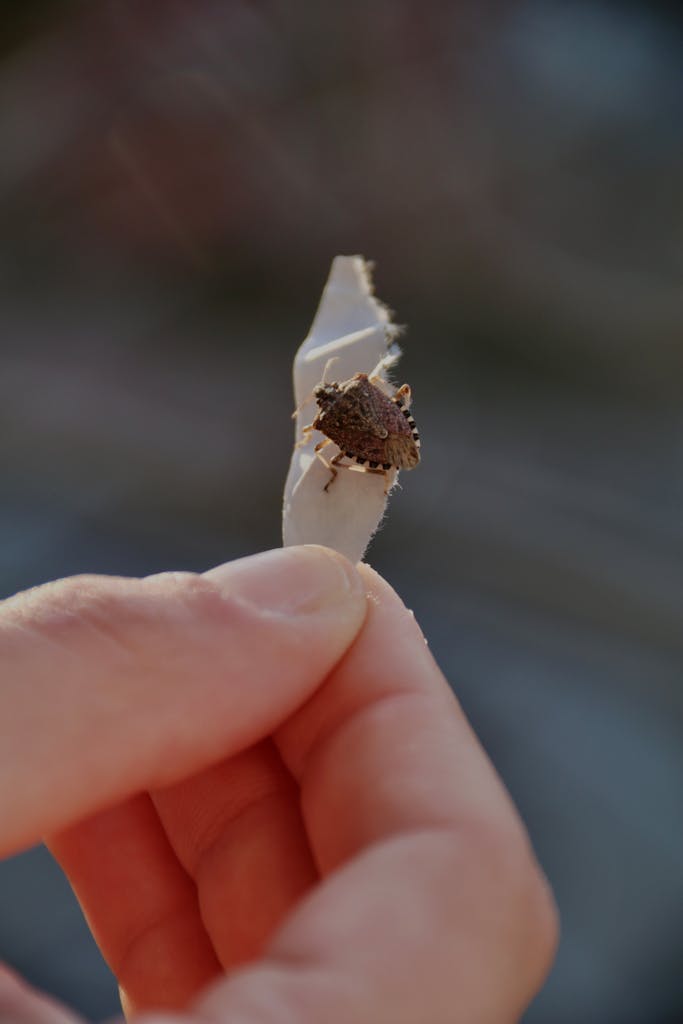
A better option is to remove them gently. Use a piece of paper, a cup, or a small container to trap and release them outside. For a stronger method, drop them into a jar filled halfway with warm water and dish soap. The soap breaks the surface tension, helping kill the bug without releasing as much odor. You can also use a vacuum, but only if you empty the canister or bag outside immediately. Leaving dead stink bugs inside the vacuum can make the machine smell awful later.
Ignoring Tiny Cracks Around Doors and Windows
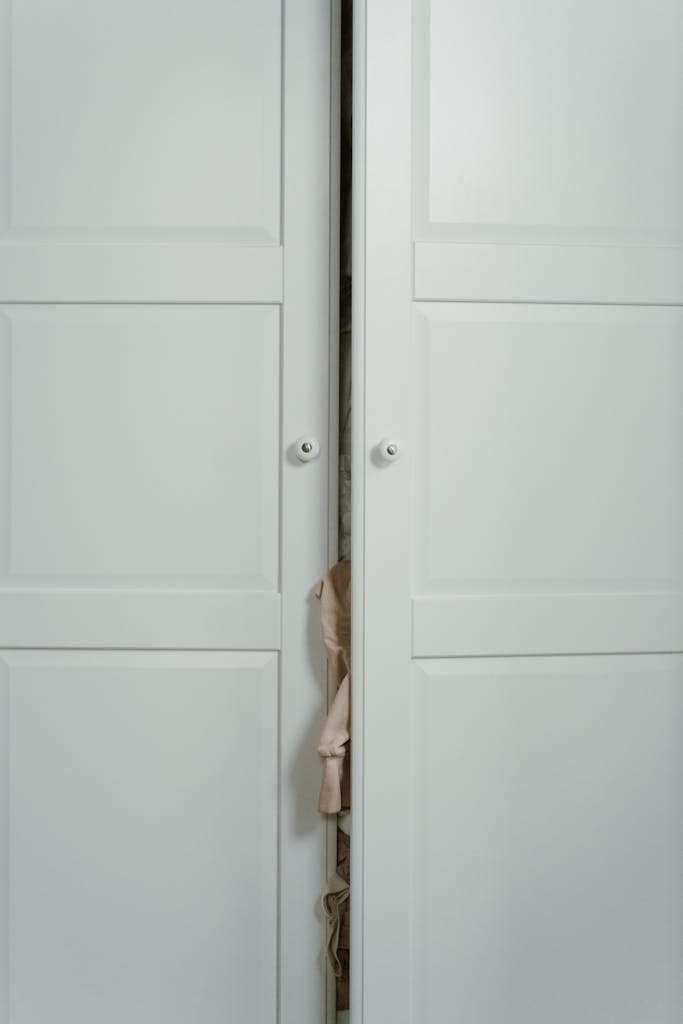
Stink bugs do not need a wide-open door to get inside. Small cracks, loose screens, gaps around windows, torn weather stripping, and spaces near pipes can all become entry points. This is especially common as outdoor temperatures start to drop and stink bugs look for warm places to shelter. Once they find a quiet indoor spot, they may hide in walls, attics, basements, or storage areas.
The best way to prevent stink bugs is to block them before they enter. Walk around your home and inspect windows, doors, siding, vents, chimneys, and utility openings. Use caulk to seal cracks and replace damaged weather stripping. Repair torn screens and check that doors close tightly. These small repairs can make a big difference because stink bugs usually enter through weak spots. Prevention is easier than chasing them around the house after they settle in.
Leaving Bright Outdoor Lights On All Night

Light is one of the biggest reasons stink bugs gather near homes. Porch lights, garage lights, patio bulbs, and bright windows can attract them toward entry points. Once they are close to your home, they start searching for small openings. That is how a few bugs outside can slowly become a bigger problem inside.
You do not have to sit in total darkness, but you should be strategic. Turn off unnecessary outdoor lights at night, especially during stink bug season. Use curtains or blinds so indoor light does not shine directly through windows. If you need outdoor lighting, choose softer, yellow-toned bulbs that are less attractive to insects. Also, keep lights away from doors when possible. A bright bulb right beside an entryway is like a welcome sign for pests.
Letting Clutter Become a Hiding Place
Stink bugs love quiet, undisturbed spaces. That makes cluttered basements, garages, closets, attics, storage boxes, piles of fabric, and laundry corners perfect hiding spots. If your home has too many untouched areas, stink bugs can hide there for weeks without being noticed. By the time you see several crawling around, more may already be tucked away in hidden corners.
Start by clearing the places where bugs are most likely to settle. Remove old boxes you no longer need, shake out stored fabrics, and clean around window sills, baseboards, shelves, and storage bins. Keep garages and basements as tidy as possible. You do not need a perfect house, but you should reduce the dark, quiet spaces where pests can rest unnoticed. Regular cleaning also helps you spot the problem early before it becomes harder to manage.
Forgetting That Your Yard Can Invite Them In
Many homeowners focus only on the bugs inside the house, but the problem often starts outside. Stink bugs are drawn to plants, fruit, vegetables, weeds, leaf piles, and overgrown areas. If your yard gives them food and shelter, they are more likely to gather near your home. Once they are closed, the next step is doors, windows, vents, and cracks.
Keep your landscaping neat to reduce the attraction. Mow the lawn regularly, remove yard debris, clean up fallen fruit, trim overgrown plants, and keep vegetation away from the foundation. If you grow fruits or vegetables, harvest ripe produce quickly, and remove damaged items from the garden. You can also use natural deterrents around entry points. Garlic spray, mint, lavender, and citrus scents may help discourage stink bugs from settling near doors and windows.
Conclusion
Stink bugs are annoying, but most infestations get worse because of simple mistakes. Crushing them spreads odor, bright lights attract them, cracks let them in, clutter gives them shelter, and messy yards keep them close. Once you fix those problems, your home becomes far less inviting.
The smartest way to get rid of stink bugs is to combine removal with prevention. Use soapy water, seal entry points, reduce lighting, clean hiding spots, and maintain your yard. That approach keeps your home fresher, cleaner, and less likely to become a winter shelter for smelly pests.