Cold season has a way of making every sneeze sound dramatic and every slight headache feel suspicious. But this is not the time to panic; it is the time to get practical. A strong immune system is not built by one miracle food, one trendy powder, or one heroic gym session. It is built quietly, through steady choices that help your body stay ready when the season gets rough. Health agencies consistently point to the same foundation: good nutrition, movement, sleep, and avoiding habits that wear the body down.
The good news is that supporting your immune system does not require a full life makeover. You do not need a refrigerator full of expensive juices or a drawer packed with supplements you barely understand. What works is often simple, repeatable, and surprisingly powerful. The six habits below strengthen your body from the inside out and help you face the colder months with more energy, greater resilience, and far less guesswork.
Eat Like Your Body Is Counting on It
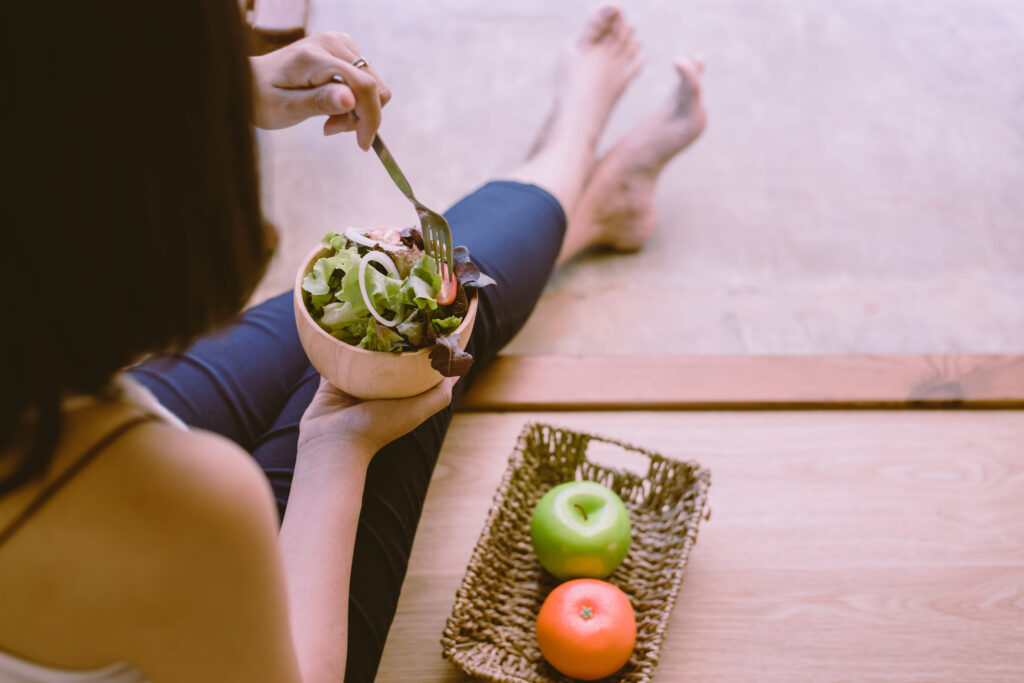
Your immune system loves consistency, and nothing says consistency like a plate full of real, nutrient-rich food. Fruits, vegetables, whole grains, beans, nuts, seeds, and healthy fats give your body vitamins, minerals, fiber, and plant compounds that support normal immune function. The point is not perfection. The point is variety.
A colorful plate usually means a wider range of nutrients, and that gives your body more tools to work with when germs start making the rounds. The CDC highlights eating well as one of the habits that support immunity, and the NIH notes that nutrients from food remain the best foundation, even when supplements are sometimes useful.
Move Your Body Before Your Body Starts Complaining
Exercise does more than shape your body. It helps regulate systems that keep you well. Regular physical activity supports overall health, improves sleep, helps manage stress, and is one of the habits public health guidance ties to stronger immune support.
Adults are generally advised to get at least 150 minutes of moderate activity each week, plus muscle-strengthening activity on two days. That can look like brisk walking, dancing in your living room, cycling, swimming, or anything else you can do often enough to make it part of your life. You do not need extreme workouts; you need movement you can keep showing up for.
Guard Your Sleep Like It Is a Daily Appointment

Sleep is not laziness dressed in pajamas. It is maintenance. When you sleep well, your body gets time to reset, regulate, and do repair work that cannot be rushed. The CDC says adults aged 18 to 60 generally need 7 or more hours of sleep each night, and getting enough sleep is linked to getting sick less often and handling stress better. In the cold season, that matters. Late nights, endless scrolling, and chaotic sleep schedules may feel harmless in the moment, but they quietly chip away at your body’s ability to stay balanced. A calm room, a regular bedtime, and a serious breakup with doom-scrolling at bedtime can do more for you than you think.
Cut Back on Alcohol Before It Cuts Into Your Defenses
A drink here and there may feel like a cozy seasonal ritual, but too much alcohol can leave your body working harder than it should.
The National Institute on Alcohol Abuse and Alcoholism says heavy drinking can weaken the immune system, and even a single episode of binge drinking can slow the body’s ability to ward off infection for up to 24 hours. The CDC also warns that excessive alcohol use can weaken the immune system and increase the chances of getting sick. So if your cold season routine includes frequent overdoing it, this may be the habit worth challenging first. Hydration, warm teas, sparkling water, and alcohol free alternatives can carry you through social moments without quietly sabotaging your defenses.
Be Smart About Supplements, Not Seduced by Them
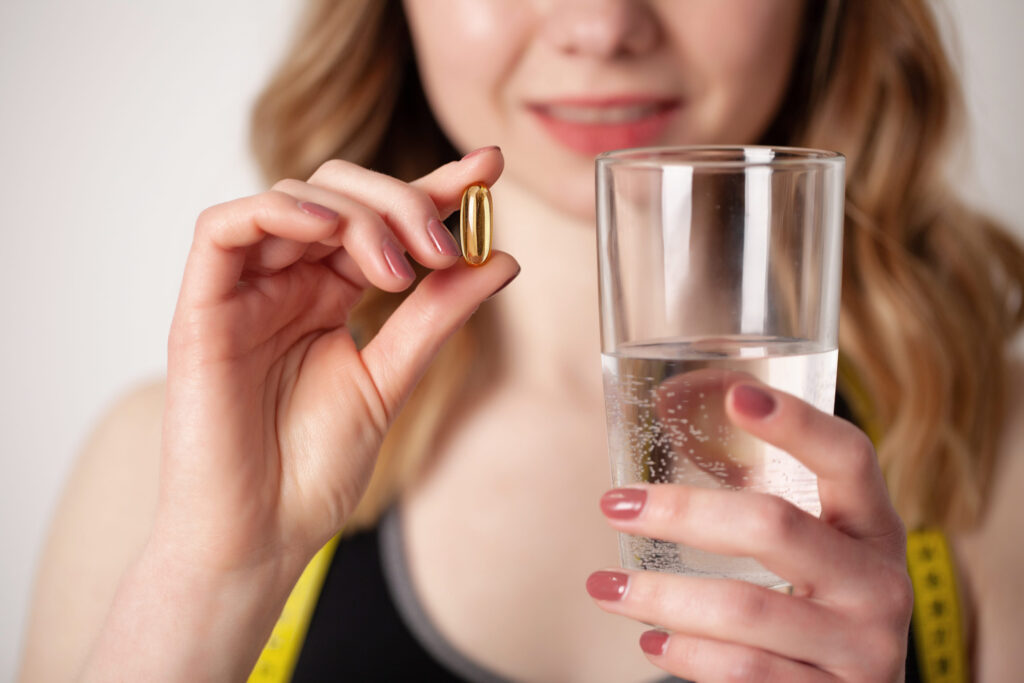
Supplements can help in the right situation, but they are not magic, and they are not all harmless. The NIH Office of Dietary Supplements says some nutrients, including vitamin D, play important roles in immune function, and some people may need supplementation when they have low intake, limited sun exposure, or other risk factors.
But that does not mean everyone should start swallowing handfuls of pills because a label promised “immune support.” More is not always better, and some supplements can interact with medications or create new problems when taken in excess. Food first is the wiser path, and when supplements are needed, a clinician can help you choose what actually fits your body, rather than what just sounds impressive online.
Lower the Stress Before It Runs the Show
Stress is not only a mental burden, but it can also become a physical one. Chronic stress is associated with changes in inflammation and immune response, which is one reason long periods of pressure can leave people feeling run down.
That is why stress care deserves a place alongside food, sleep, and exercise in any serious cold-weather plan. You do not need a perfect life to manage stress better. You need small acts of recovery that you actually use, deep breathing, a daily walk, prayer, journaling, stretching, music, better boundaries, or simply stepping away from whatever keeps your nervous system on high alert. The goal is not to remove all stress; it is to stop living as if your body is supposed to absorb endless pressure without consequence.
Build Everyday Habits That Keep Germs From Winning

A strong immune system is part of the picture, but cold season protection also depends on basic prevention.
The CDC says the best way to reduce your risk from seasonal flu is to get a flu vaccine every year, and healthy habits like handwashing, covering coughs, improving air quality, and avoiding close contact with sick people also help reduce the spread of respiratory illness. That means the smartest cold-season strategy is not just inward support; it is also outward caution. Wash your hands, clean shared surfaces, open a window when you can, stay home when you are sick, and treat prevention like wisdom rather than overreaction. This is how you make your body’s job easier.