When it comes to raising a child, safety is the top priority for any parent. With an overwhelming amount of baby products available in stores and online, it can be hard to know which items are genuinely safe for your little one and which ones may pose unseen risks.
While some products promise convenience, comfort, or entertainment, others come with hidden dangers that can harm your baby in ways you may not expect. In fact, there are certain baby products that have been proven to be potentially dangerous, some of which have even led to tragic accidents.
Here’s a detailed look at 10 dangerous baby products you should avoid or use with extreme caution, according to safety experts, pediatricians, and the Consumer Product Safety Commission (CPSC).
Crib Bumpers
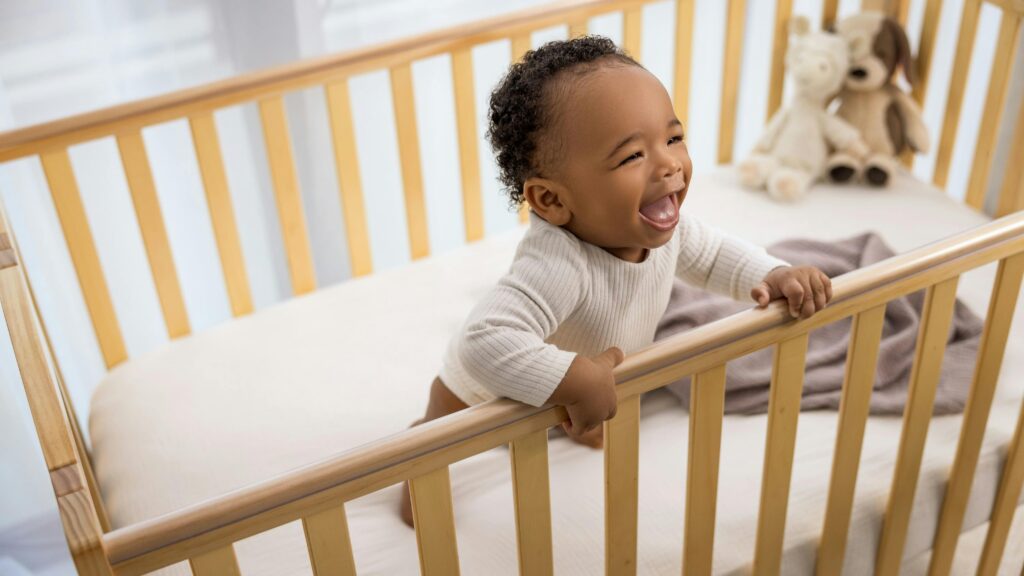
Crib bumpers, often marketed as protective barriers to keep babies from hitting the hard crib slats, have been one of the most controversial baby products for years. The idea behind them seems simple: they provide comfort and prevent your baby from getting their limbs caught between the crib bars. However, many parents don’t realize that these soft, cushioned bumpers pose a suffocation risk.
The American Academy of Pediatrics (AAP) has long recommended against the use of crib bumpers due to their association with sudden infant death syndrome. Babies can accidentally roll into the bumper, blocking their breathing or causing them to suffocate.
Even mesh versions, which seem like a safer alternative, still pose a risk if a baby’s face comes into contact with them. To create a safe sleep environment, the AAP advises parents to use a bare crib with no soft bedding or pillows. A firm mattress and a fitted sheet are all that is necessary for a safe sleeping space for your baby.
Baby Blankets, Pillows & Stuffed Animals
As tempting as it is to wrap your baby in a cozy blanket or place a favorite stuffed animal in their crib, these seemingly harmless items are linked to suffocation.
Even though they make a baby’s sleep space look cute and comfortable, any loose items in the crib can obstruct their airway if they roll over or shift during the night. The National Institute of Child Health and Human Development (NICHD) has confirmed that babies should sleep without pillows, blankets, or stuffed animals in their cribs.
The best alternative? Opt for sleep sacks or wearable blankets that keep your baby warm without the risk of suffocation. These products are designed to keep your baby comfortable and cozy while avoiding the dangers of loose bedding.
Walkers
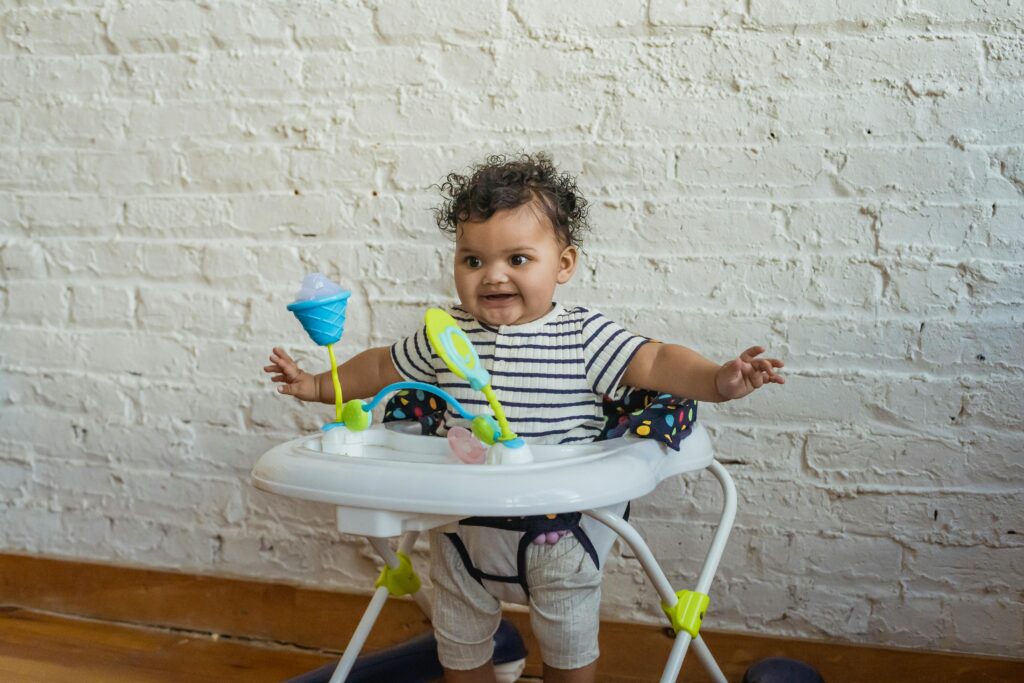
Baby walkers are among the most popular items for parents eager to help their babies learn to walk, but they are also among the most dangerous.
Walkers can give babies a false sense of independence and mobility, but they significantly increase the risk of falls. The CPSC reports that baby walkers are responsible for thousands of injuries every year, with some of the most common accidents being falls down stairs, burns from reaching for hot objects, and collisions with furniture.
In fact, baby walkers are banned in Canada, and experts recommend avoiding them altogether. Instead, use stationary activity centers or let your baby explore safely on the floor, under your watchful eye.
Baby Seats

Baby seats like the Bumbo were initially introduced to help babies sit up before they can do so on their own. While these seats can be useful in certain situations, they can also present a serious fall risk. When placed on elevated surfaces like tables or countertops, babies can easily tip over, resulting in head injuries or other serious falls.
To avoid these accidents, always use baby seats on flat, sturdy surfaces, such as the floor. Never leave your baby unattended, especially on elevated surfaces.
Baby Slings
Baby slings, carriers, and wraps are great for keeping your baby close while you go about your day. However, incorrect use of these products can lead to airway obstruction. Babies may slump forward in a sling, which can block their airways and lead to suffocation. In fact, there have been multiple reported deaths linked to improper sling use.
If you choose to use a sling, make sure that your baby’s airways are clear, and their head and face are visible. It’s also important to ensure that the sling is appropriately fitted and your baby is well-supported, with their back straight and their chin off their chest.
Car Seats Used Outside of the Car
Car seats are designed to keep your baby safe while traveling, but they are not intended for use outside of the car. When used outside of a car, car seats can pose significant risks. Babies can easily slouch or slump forward, obstructing their airways and increasing the risk of suffocation. Never use a car seat as a makeshift seat or bassinet, even if your baby is asleep.
Instead, transfer your baby to a flat, firm surface, such as a crib or bassinet, for naps or sleep. When you’re out and about, keep your baby in the car seat and always monitor them closely.
Bath Seats
Bath time is an important bonding moment for both parents and babies, but bath seats can give you a false sense of security. These seats are designed to keep your baby in an upright position during baths, but they can be dangerous if not used properly. Babies can flip over, or the seat may not provide enough support, leading to drowning accidents.
The CPSC has issued numerous warnings against bath seats, advising parents to never leave their babies unattended in the bath, even for a second. Instead, always keep one hand on your baby while bathing them, and use non-slip mats to prevent accidents.
Crib Tents
Crib tents were once popular for preventing babies from climbing out of their cribs, but they have been linked to strangulation and entrapment. These mesh coverings can collapse or become twisted, posing a serious risk to your baby. In 2017, several major recalls were issued for crib tents after reports of babies becoming trapped in the netting.
For safety, it’s best to avoid crib tents altogether. Instead, use a crib with high, sturdy sides and ensure the mattress is securely in place.
Baby Gates
Baby gates are essential for keeping babies out of dangerous areas, such as staircases, but not all gates are safe. Pressure-mounted gates, in particular, can easily collapse if enough pressure is applied, such as when a baby tries to climb or lean against them. Gates that are not properly mounted can result in dangerous falls.
To ensure safety, choose a hardware-mounted gate that is securely fastened to the wall. Always use baby gates at the top of stairs, and make sure the gate is tall enough and has no footholds for climbing.
Changing Tables
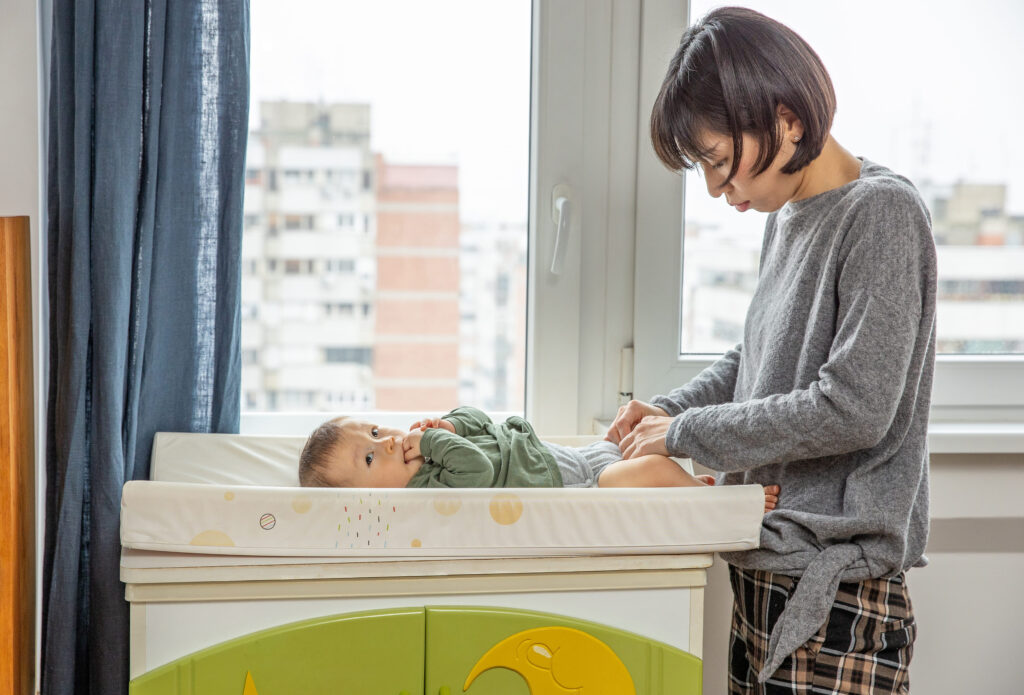
Changing tables are essential in many nurseries, but they can also present a significant fall risk. Babies can easily roll off a changing table, especially if they are not secured by a safety strap. Falls from changing tables can lead to serious injuries, such as head trauma.
To reduce the risk of falls, always use a changing table with raised sides and a safety strap. Never leave your baby unattended on a changing table, and keep one hand on them at all times while you are changing their diaper.