Addiction is one of those topics people discuss with shocking confidence, even when they are painfully wrong. Someone always has a neat answer ready. They say the person should “just stop,” “choose better,” or “hit rock bottom.” Those lines sound strong in conversation, but they usually fall apart when real life walks into the room.
The truth is that addiction does not always arrive like a movie scene. It can look like a hardworking parent, a college student, a professional, a pastor, or a friend who laughs loudly at brunch while quietly falling apart later.
That is why these myths are so dangerous. They make people judge faster than they understand, and they make struggling people hide rather than ask for help.
Love alone can fix addiction.

Families often believe that enough love can save someone. They plead, forgive, cover bills, hide embarrassment, answer late-night calls, and keep hoping the next promise will be different.
Love is powerful, but love by itself is not treatment. It cannot detox the body, treat trauma, rebuild habits, or replace professional care.
This myth hurts families because it makes them feel responsible for someone else’s recovery. A mother may think she failed because her child relapsed.
A partner may believe they were not patient enough. A sibling may keep sacrificing their own peace because walking away feels cruel. Addiction can turn love into exhaustion when nobody sets boundaries.
Real support needs both compassion and limits.
Helping someone find treatment is loving. Refusing to lie for them is loving. Protecting children from chaos is loving. Saying “I care about you, but I cannot keep funding this” can also be loving. Love works best when it stops trying to rescue the addiction and starts supporting recovery.
Addiction always looks obvious.
Sometimes addiction looks polished, productive, and painfully convincing, helping families and professionals understand why it’s not always obvious and encouraging patience.
This is why the label ‘functioning’ can be misleading. Managing to keep some parts of life moving does not mean the person is healthy. They may still be emotionally absent at home, drowning in cravings, secrecy, and fear, while appearing to function normally.
The polished version of addiction delays help because everyone around the person keeps saying, “It cannot be that serious.” The person may even believe that lie because the outside world still rewards them.
But addiction does not become harmless just because someone hides it well. A clean shirt can cover a crisis for only so long.
Quitting is just about making better choices.
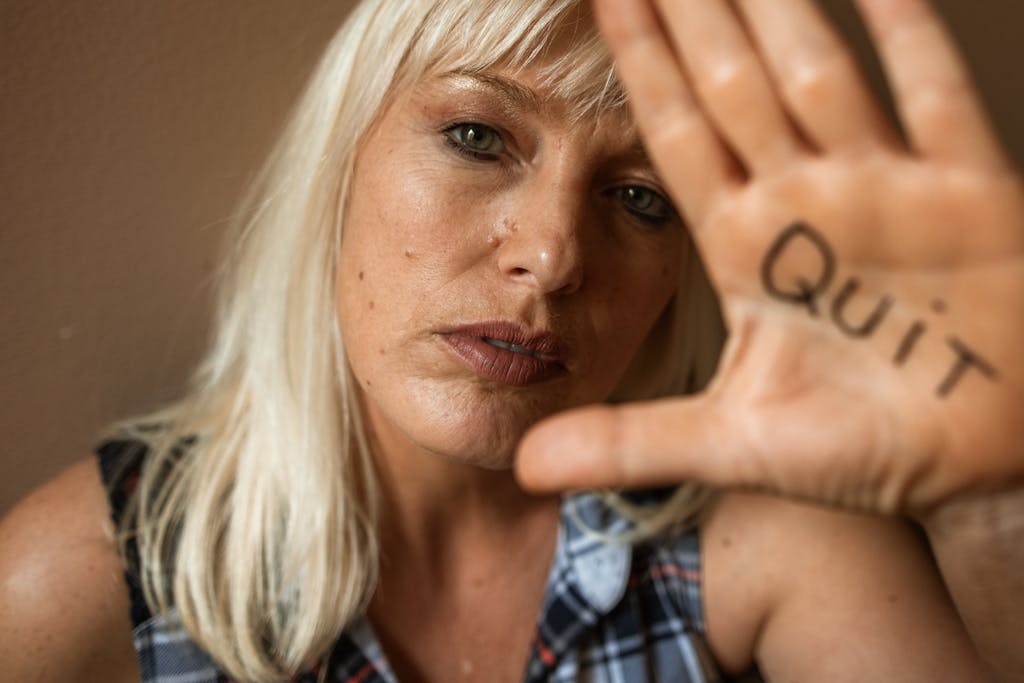
Choice matters, but addiction does not leave choice untouched. Once a substance or behavior becomes deeply wired into a person’s routine, emotions, and survival habits, stopping can feel like fighting an internal storm.
The person may know the consequences and still feel pulled back again and again. That is why lectures often fail.
People struggling with addiction usually do not need someone to explain that they are damaging their lives.
Many already know. They see the disappointment. They feel the shame. They count the money lost, the lies told, and the promises broken. Knowledge alone does not always break a compulsion.
Recovery often requires support, structure, and treatment, not just moral pressure.
That may include medical care, counseling, support groups, safer housing, medication, spiritual support, or distance from people and places connected to the habit. Telling someone to “make better choices” sounds easy. Helping them build a life where better choices become possible takes real patience.
Someone has to hit rock bottom before they can recover.
People love the phrase “rock bottom” because it sounds dramatic and final. It creates the idea that a person must lose everything before they become serious about changing.
That belief is dangerous because rock bottom can mean overdose, jail, homelessness, job loss, ruined finances, or death. Waiting for someone to collapse before helping them is not wisdom; it is a gamble.
A person does not need to destroy their life completely before their pain counts. If someone is lying, hiding use, missing responsibilities, borrowing money, damaging relationships, or losing control, that is already serious enough.
Families sometimes delay action because the person still has a job or still looks “normal.” That delay can give the addiction more room to grow.
Early help can save years of damage, inspiring families and healthcare providers to act quickly with medical care, therapy, or support before disaster arrives.
Only illegal drugs cause addiction.

Illegal drugs get the loudest headlines, so many people assume they are the main danger. That belief misses a huge part of the picture. Addiction can involve alcohol, nicotine, prescription medications, gambling, pornography, shopping, gaming, and other patterns that slowly take control.
A thing does not need to be illegal to become destructive.
This myth is especially dangerous because legal habits are easier to excuse. A person can drink heavily every night and call it “unwinding.” Someone can misuse prescription pills and say they came from a doctor.
Another person can gamble through an app and tell themselves it is just entertainment. The packaging may look normal, but the damage can still be brutal.
The real question is not always, “Is this legal?” The better question is, “Is this controlling me?” If a behavior keeps causing harm and a person cannot stop despite wanting to, the problem deserves attention.
Addiction does not care whether society approves of the substance or behavior. It cares only that the loop keeps repeating.
Addiction only happens to weak people.
Addiction can affect anyone-athletes, teachers, nurses, executives, students, parents, and people who once believed they had everything under control-helping families and providers feel more compassionate and less judgmental.
No one wakes up and casually decides to lose control of their life. A prescription can start after surgery. A drink can become the easiest way to sleep. A bet can make stress disappear for a few minutes. What begins as relief can quietly turn into dependence before the person fully understands what has happened.
Calling addiction weakness also ignores how much strength recovery takes. It takes courage to admit the truth after months or years of hiding. It takes discipline to attend treatment, rebuild trust, face guilt, avoid triggers, and keep choosing recovery on difficult days.
Weakness is not asking for help; it is pretending shame can fix what honesty and treatment should address.
Relapse means recovery failed.

Relapse can break hearts. Families may feel betrayed. The person in recovery may feel ashamed, defeated, or hopeless. Still, relapse does not automatically mean recovery failed.
It often means something in the recovery plan needs attention, support, or adjustment.
Many people expect recovery to move in a straight line. They imagine the person goes to treatment, apologizes, stays clean, and becomes a new human by next Tuesday. Real recovery often looks much messier.
People may struggle with triggers, stress, old friends, grief, mental health symptoms, or environments that make recovery harder.
The response to relapse matters. Shame can push a person deeper into hiding, but accountability can help them return to the path.
A useful response asks what happened, what warning signs appeared, what support was missing, and what needs to change now. One setback should not be treated like the end of the story.
Conclusion
Addiction becomes even more dangerous when myths control the conversation. These false beliefs make families wait too long, judge too harshly, and misunderstand what real recovery takes.
They also make struggling people hide behind silence because they fear being labeled weak, selfish, hopeless, or broken.
The truth is more complicated, but it is also more hopeful. Addiction can damage lives, but it can also be treated.
People can recover, families can heal, and trust can slowly return when honesty meets consistent action.
What people need most is not denial, shame, or easy slogans.
They need truth with compassion, support with boundaries, and treatment that matches the reality of the problem. Once we stop repeating lazy myths about addiction, we create more room for people to survive it and rebuild their lives.