Vitamin B is often considered the unsung hero of nutrition. These essential nutrients not only help transform food into energy but are also crucial for optimal nervous system function, brain health, red blood cell production, and more. Despite their importance, many people still fail to get enough of them. Below are 10 food sources that deliver B vitamins, often overlooked or neglected in everyday diets. If you’re not including these in your meals, you might be unintentionally sabotaging your health.
Ignoring Green Peas on Your Plate
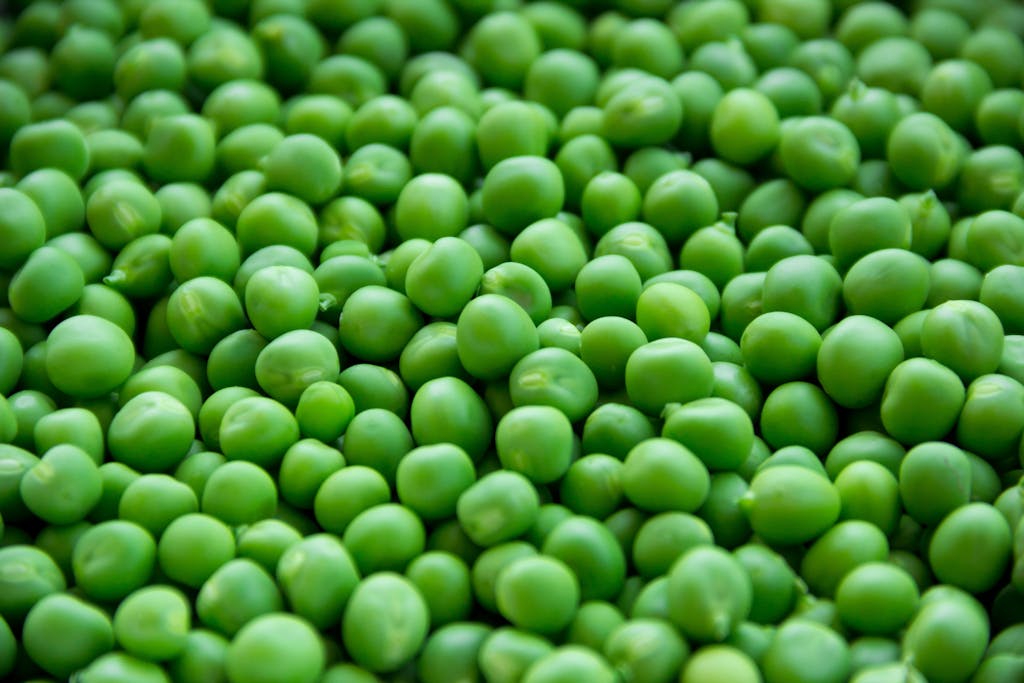
Green peas are packed with essential nutrients, including vitamins B1, B6, and folate. These tiny powerhouses not only provide essential nutrients but also offer fiber, antioxidants, and protein. The high folate content in green peas is particularly crucial during pregnancy and for heart health. Adding peas to soups, salads, or pasta dishes is an easy way to enhance your B vitamin intake.
Forgetting Easy Extras Like Nutritional Yeast and Yogurt
Nutritional yeast is a vegan-friendly source of B vitamins, especially B12, which is often missing in plant‑based diets. It’s commonly fortified with B12, making it a great addition for those avoiding animal products. Similarly, yogurt is another simple food that supports your B vitamin intake, offering both B12 and riboflavin (B2). Add these two foods to your daily meals. Sprinkle nutritional yeast on popcorn or soup, and enjoy a cup of yogurt with fruit for a healthy snack.
Skipping Salmon in Your Meal Plans

Salmon is an incredible source of B vitamins, particularly B12, B3 (niacin), and B6. These vitamins play a role in everything from boosting brain function to maintaining cardiovascular health. A regular serving of salmon can help reduce inflammation and improve your mood. Don’t wait for special occasions to enjoy this nutrient-dense fish; consider adding it to your weekly meal plan to keep your energy and health in check.
Neglecting Firm Tofu as a Plant Source
Tofu is a stellar plant‑based source of B vitamins, especially for vegetarians and vegans. With a rich profile of B1 (thiamine), B2 (riboflavin), B6 (pyridoxine), and B9 (folate), it provides numerous health benefits, from enhancing cell function to supporting nerve health. If you’re not eating tofu or other soy products regularly, you’re missing out on one of the easiest ways to maintain healthy energy levels without animal products.
Passing Over Lean Beef and Other Meats

Lean beef is a goldmine for several B vitamins, especially B12, B2, B3, and B6. These vitamins help with red blood cell formation, energy production, and brain function. Ironically, beef’s dense nutrient profile often gets overshadowed by plant-based diets. However, avoiding it can lead to deficiencies that affect mood, metabolism, and cognitive abilities. Opting for lean cuts of beef a few times a week can ensure you’re meeting your body’s vitamin needs, especially B12, which is crucial for energy and mental clarity.
Forgetting to Eat Avocado Regularly
Avocados are more than just a trendy superfood; they are an excellent source of B vitamins, particularly B6 (pyridoxine) and folate (B9). These vitamins support healthy brain function, nerve development, and red blood cell production. Adding avocados to smoothies, salads, or as a side to your meals not only boosts your B vitamin intake but also provides healthy fats essential for heart and brain health.
Leaving Spinach Out of Your Greens Rotation

Spinach is packed with folate (B9), an essential nutrient for cell regeneration, tissue repair, and red blood cell formation. Folate is particularly important for pregnant women and those planning to conceive, as it helps prevent neural tube defects in developing babies. This versatile leafy green also contains small amounts of B1, B2, and B6. If you aren’t eating spinach regularly, consider blending it into your morning smoothie or tossing it into your favorite salads and stews.
Underestimating Eggs in Your Diet
Eggs are a powerhouse when it comes to B vitamins. Not only do they contain B12, B2 (riboflavin), and B6, but they also offer biotin (B7), which is crucial for healthy hair, skin, and nails. The nutrient-rich nature of eggs makes them an easy and cost-effective way to boost your B vitamin intake. If you’re not already incorporating eggs into your breakfast or snacks, you’re missing out on a convenient, nutrient-packed food that supports everything from energy levels to metabolic health.
Overlooking Brown Rice and Whole Grains

Brown rice and other whole grains, such as quinoa, barley, and oats, are rich in B vitamins, including B1, B3, and B6. These grains provide a steady source of energy, stabilize blood sugar levels, and are essential for maintaining a healthy digestive system. By choosing refined grains over whole grains, you miss out on the fiber and B vitamins that keep you energized and healthy. Switch to brown rice or quinoa for a heartier, more nutritious meal.
Choosing Proteins Like Chicken Without Considering Variety
While chicken is a decent source of B3 (niacin) and B6 (pyridoxine), relying exclusively on one type of protein limits the diversity of B vitamins in your diet. A varied protein intake—such as combining chicken with fish, tofu, or beans- can provide a broader range of B vitamins. For instance, fatty fish like mackerel are an excellent source of B12, and legumes like lentils are packed with folate. By diversifying your protein choices, you ensure you’re getting the full spectrum of B vitamins needed for optimal health.
Conclusion
Incorporating a variety of foods rich in B vitamins can make a significant difference in your health. These vitamins are crucial for maintaining energy, improving mood, and supporting vital functions in the body, from the brain to the heart. If you’re neglecting the foods mentioned above, you may be leaving out essential nutrients. To get the full benefits of B vitamins, try to regularly include these foods in your diet and watch as your energy, mental clarity, and overall well-being improve.