Most people don’t set out to kill their houseplants. It usually starts with good intentions, bringing one home, placing it near a window, telling yourself this time will be different. Then life fills in the gaps. You water when you remember. You second-guess yourself. And eventually, you quietly move the pot to a less visible spot when it starts to look tired.
The problem usually isn’t neglect. It’s pressure. We’re told to follow rules that don’t always match how plants actually live. We water on schedules instead of paying attention. We chase fixes instead of noticing patterns. And suddenly, something meant to feel grounding becomes another thing to manage.
The difference between plants that limp along and plants that last for years isn’t expert knowledge or expensive tools. It’s a few simple habits, steady, flexible, and easy to come back to. These are the kinds of plant habits that work because they leave room for real life.

Water More Slowly, Not More Often
Overwatering is one of the easiest mistakes to make, especially when care feels inconsistent. Slowing down how water reaches the roots can make a bigger difference than watering more frequently.
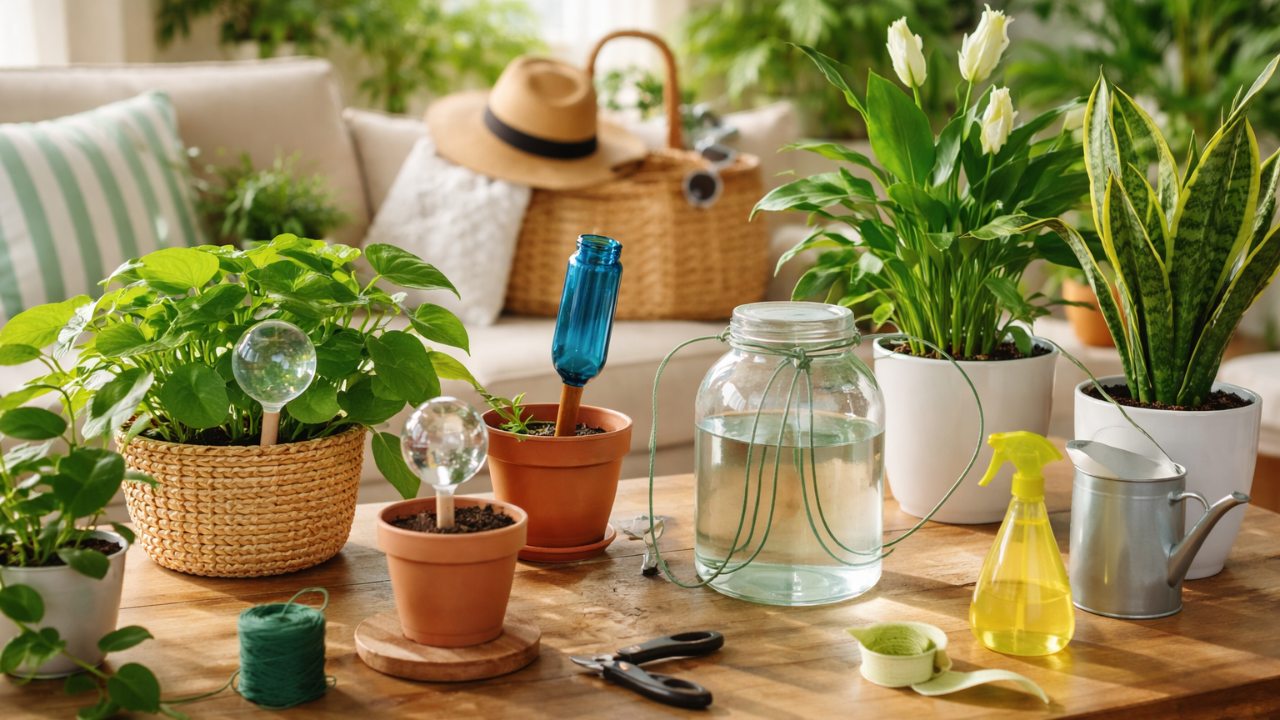
Bottom watering gives plants time to absorb moisture at their own pace, strengthening roots and reducing rot. Tools like watering globes or even ice cubes can help regulate moisture for plants that prefer drier soil. The goal isn’t more water—it’s better timing.
Use Soil That Doesn’t Hold On Too Tightly
Plants need air just as much as they need water. Soil that stays compacted makes it harder for roots to breathe.
Adding perlite, orchid bark, or pumice to potting soil improves drainage and airflow. Even though plants benefit from soil that stays light over time. Healthy roots are what make everything else possible.
Feed Plants Gently With What You Have
Plants don’t need constant feeding, but small, mild boosts can help support steady growth.
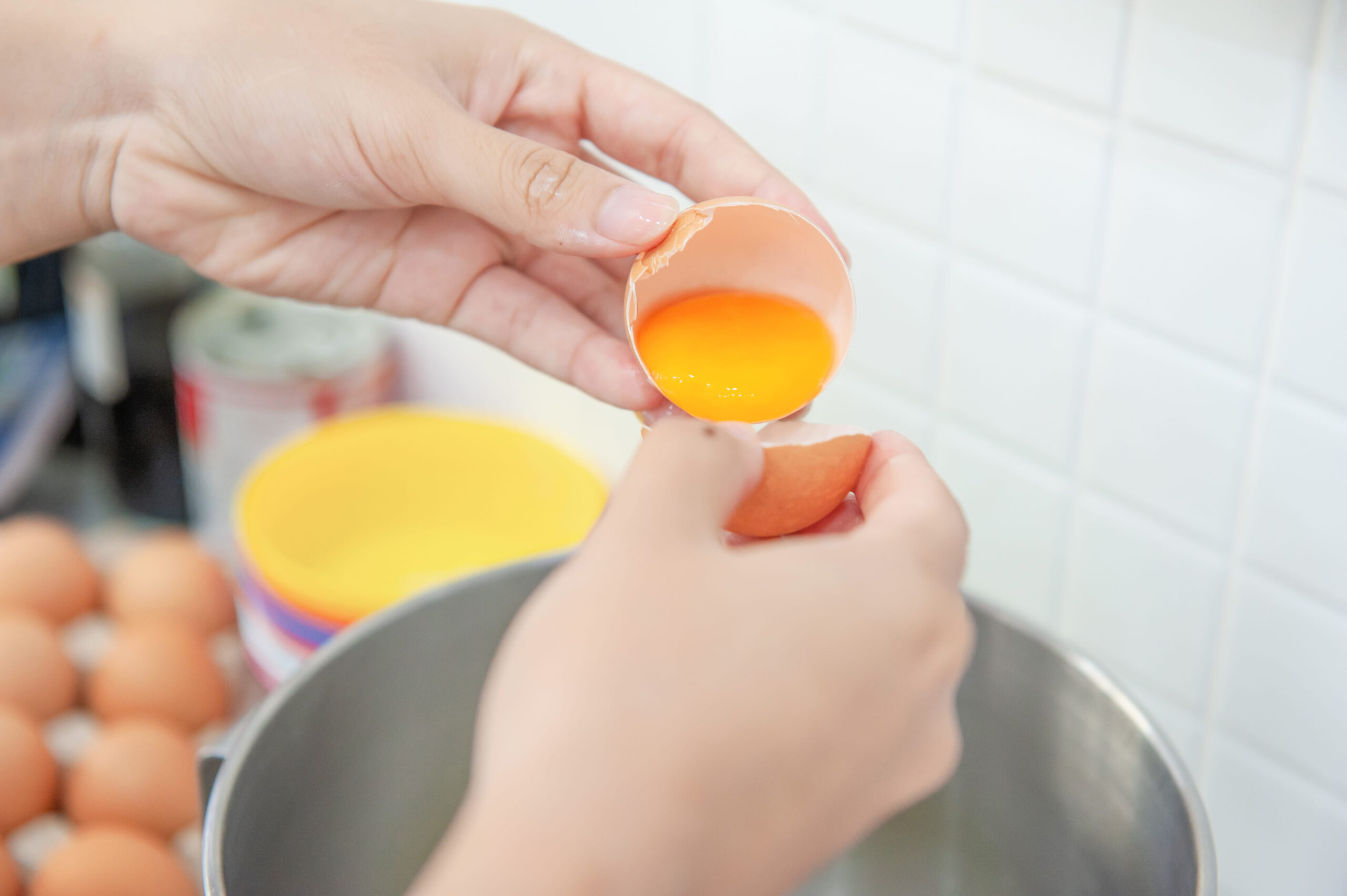
Used carefully, things like diluted coffee grounds, crushed eggshells, or banana peel water offer light nutrients without overwhelming roots. The goal is support, not speed.
Refresh Soil Instead of Repotting All the Time
Repotting can be stressful for plants when it’s done too often. Sometimes all they need is a refresh.
Topping off soil as it settles helps restore nutrients and structure without disturbing roots. It’s a small reset that keeps plants steady instead of forcing change.

Keep Leaves Clear
Dust doesn’t just dull; it blocks light. Occasional leaf-wiping helps plants use the light they have more efficiently. It also makes it easier to spot pests early, before they become a bigger problem.
Rotate Before Plants Struggle
Plants lean toward light naturally. Turning them slightly every few weeks helps keep growth balanced and reduces stress on stems. Even growth tends to last longer than growth that’s always reaching in one direction.
Create Humidity Without Buying Anything New
Dry indoor air quietly wears plants down. Grouping plants together creates shared humidity. Covering sensitive plants or cuttings with glass jars or reused containers helps trap moisture naturally, especially useful in winter.
Propagate Before Things Get Hard
Propagation isn’t just a backup plan. Taking cuttings from a struggling plant often results in stronger new growth and healthier roots. It takes pressure off “saving” a plant and allows the collection to keep moving forward.
Use Light Thoughtfully, Not Perfectly
Plants don’t need perfect conditions. They need consistency. Paying attention to how light changes through the year and adjusting placement slowly tends to work better than chasing ideal setups.
Houseplants last longer when care feels sustainable, not perfect. And when the pressure eases, they usually do better, too.