Excess belly fat and visceral fat are not only aesthetic concerns but also serious health risks. These types of fat can lead to a variety of health problems, including cardiovascular disease, diabetes, and even certain cancers.
Understanding the habits that contribute to belly and visceral fat is key to reducing their impact. By recognizing these everyday factors, you can take proactive steps to manage and prevent this harmful fat accumulation.
Diet Choices

What we eat plays a crucial role in determining how much fat we accumulate around our midsection. Highly processed foods, sugary snacks, and fast food are some of the main offenders.
These foods are typically high in unhealthy fats, sugars, and empty calories, all of which contribute to fat storage, especially in the abdominal area. When the body consumes excess calories that it doesn’t immediately burn for energy, it stores them as fat—and the belly is a common place for this fat to settle.
Key Dietary Tips to Combat Belly Fat:
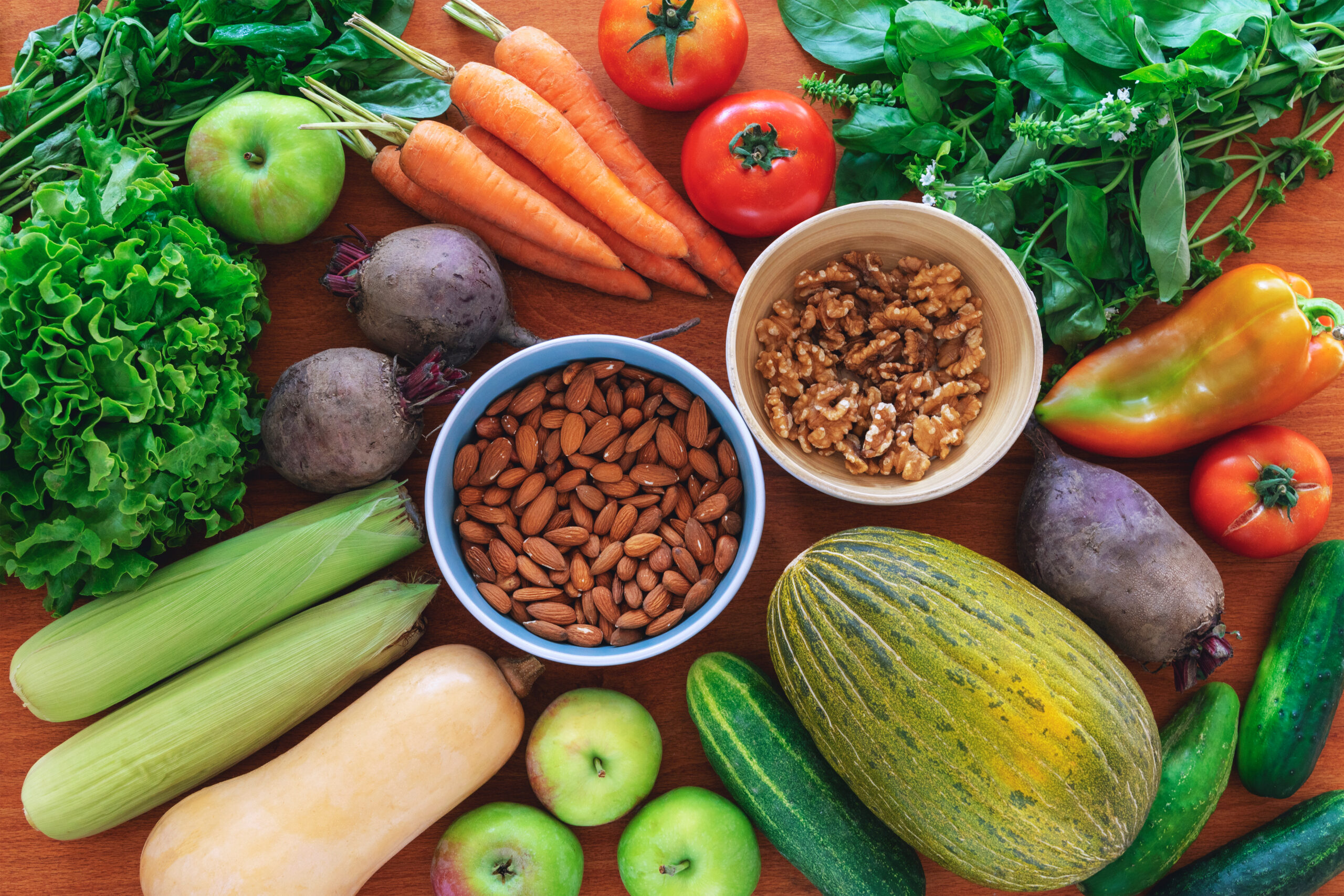
- Prioritize Whole Foods: Focus on vegetables, lean proteins, and whole grains.
- Limit Sugary Snacks: Opt for healthier alternatives, such as fruit or nuts, to satisfy your sweet tooth.
- Cut Down on Processed Foods: Minimize your intake of fast food, chips, and packaged snacks.
The Impact of Alcohol on Belly Fat
Alcohol is often consumed in social settings, but its effects on belly fat are not to be underestimated. Alcohol contains “empty calories”—calories that provide no nutritional value but contribute to fat storage. When consumed, the body prioritizes metabolizing alcohol over fat, slowing the fat-burning process.
This leads to fat being stored, especially around the abdomen. The “beer belly” is a well-known result of excessive alcohol consumption, but it applies to all types of alcohol, including cocktails, wine, and spirits.
Strategies to Minimize Alcohol-Induced Fat Gain
- Limit Alcohol Intake: Try to stick to recommended guidelines—no more than one drink per day for women and two for men.
- Choose Lighter Options: Opt for lower-calorie alcoholic beverages, such as wine spritzers or light beer.
- Incorporate Alcohol-Free Days: Give your body a chance to reset and metabolize fat more efficiently.
Sedentary Lifestyle

In today’s world, prolonged sitting has become the norm. Whether at work, watching TV, or scrolling through your phone, we spend more time inactive than ever before. Unfortunately, this sedentary lifestyle is a major contributor to belly fat.
Lack of physical activity means fewer calories burned, leading to fat storage, especially around the waist. Furthermore, prolonged sitting slows down metabolism, making it easier for fat to accumulate around vital organs.
How to Combat a Sedentary Lifestyle:
- Take Frequent Breaks: Stand up, stretch, and walk around for a few minutes every hour.
- Incorporate Exercise: Engage in regular physical activity, such as walking, jogging, or strength training.
- Stay Active Throughout the Day: Find opportunities to move, like taking the stairs or doing housework.
Stress and Its Role in Fat Storage

Stress is a powerful driver of weight gain, particularly around the belly. Chronic stress triggers the release of cortisol, often called the “stress hormone.” Elevated cortisol levels promote fat storage in the abdominal area.
Stress also leads to emotional eating, where people turn to high-fat or sugary comfort foods as a coping mechanism, further exacerbating belly fat accumulation.
Stress-Reduction Techniques to Lower Belly Fat:
- Practice Yoga and Meditation: These techniques are proven to reduce cortisol levels and alleviate stress.
- Incorporate Deep Breathing: Simple breathing exercises can activate the body’s relaxation response.
- Regular Physical Activity: Exercise is a great way to manage stress and lower cortisol levels.
The Consequences of Poor Sleep on Belly Fat
Sleep is essential for overall health, but did you know it also plays a significant role in fat management? Lack of sleep disrupts the balance of hunger hormones—ghrelin and leptin. Ghrelin increases hunger, while leptin decreases the feeling of fullness.
This hormonal imbalance leads to overeating, especially of high-calorie foods, and to excess calorie intake, which in turn leads to fat storage. Moreover, sleep deprivation impairs metabolism, making it harder for the body to burn fat.
Sleep Hygiene Tips to Reduce Belly Fat:
- Maintain a Regular Sleep Schedule: Aim for 7-9 hours of quality sleep per night.
- Limit Screen Time Before Bed: Reduce exposure to blue light from phones and computers.
- Create a Calming Bedtime Routine: Engage in relaxing activities such as reading or taking a warm bath before sleep.