Money talks, but do you really understand what it’s saying? The U.S. dollar is more than just a tool for buying coffee and clothes; it carries a rich history, quirky facts, and hidden messages that can make anyone pause for thought.
Sure, you might have a wallet full of cash, but how much do you know about the real stories behind your bills and coins?
Let’s explore 10 fascinating facts about U.S. money that could change how you look at your next purchase, and why misunderstanding them can cost you.
The Color of Money Was Once a Mystery
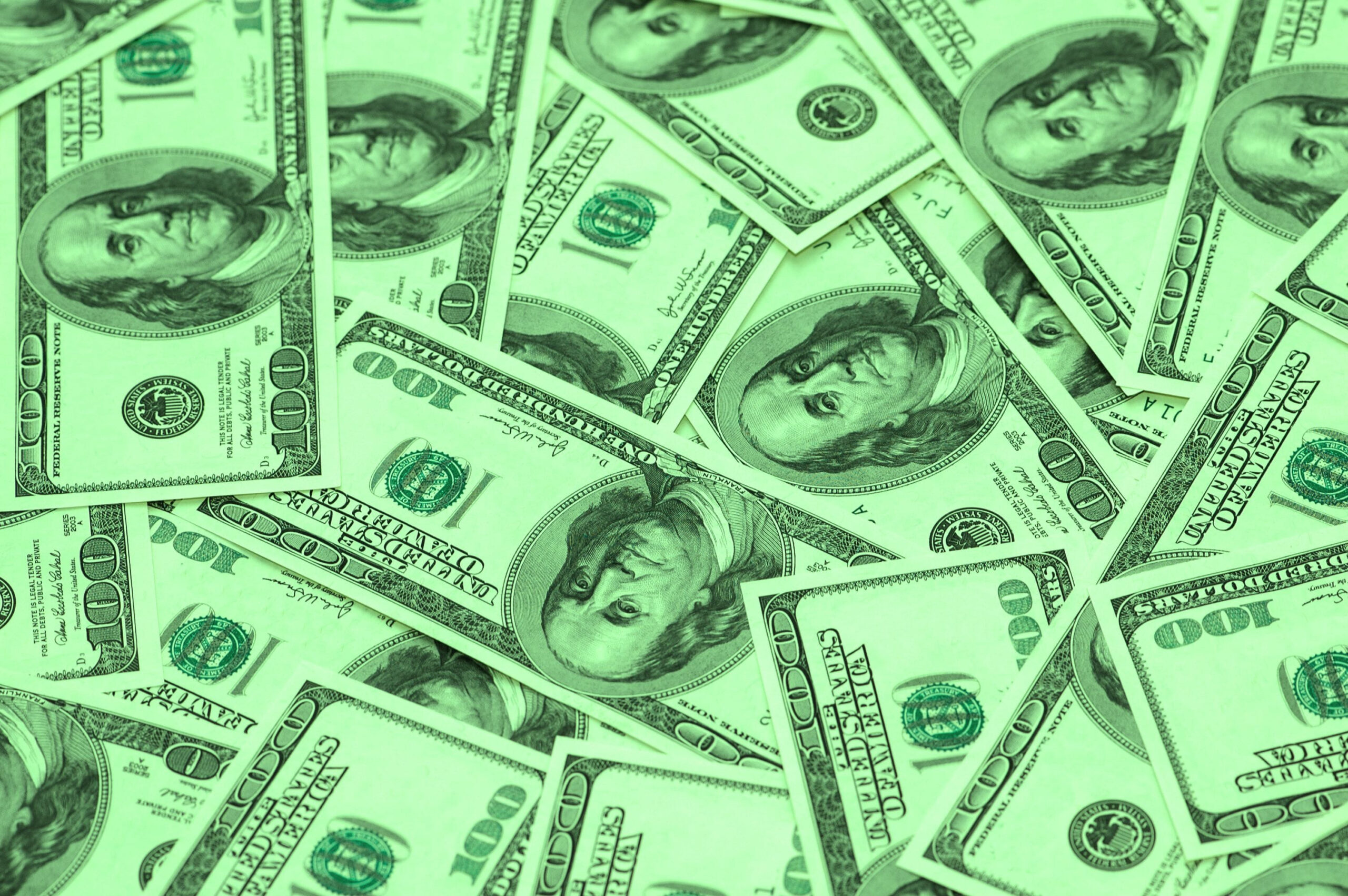
The green color of U.S. currency wasn’t always the go-to shade. Before the introduction of green ink in the 1860s, U.S. bills used various colors, including red, blue, and purple. Green became the preferred color because it was cheap to produce and more resistant to counterfeiting.
The green color is a practical decision that has become a symbol of stability. People often forget the reasoning behind it.
What to Do: Now that you know why money is green, think about its economic role. Green ink represents a solid foundation.
U.S. Money Used to Feature Some Wildly Rare Bills
Before being phased out, rare U.S. currency included $500, $1,000, $5,000, and even $10,000 bills. The $100,000 bill, used for bank-to-bank transactions and featuring Woodrow Wilson’s face, stands out as especially notable. These bills are now collectors’ items, often worth far more than their face value today.
You won’t find these bills in your wallet, but their scarcity today is often misunderstood. Once part of regular currency, they’re now rare collectibles.
What to Do: Be attentive to rare bills. Vintage notes could be worth more than expected, though they are unlikely to appear in regular circulation.
Dollars Weren’t Always Called ‘Greenbacks’
The term “greenbacks” refers to U.S. paper money issued during the Civil War, when the Union printed it to fund the war effort. Before this, “dollars” was the common term. Over time, green became linked to currency.
Many believe that “greenbacks” refers to U.S. dollars in general, but it actually dates back to wartime emergency printing. Ignoring this history means missing out on the real significance of U.S. money.
What to Do: When paying with cash, recall that “greenbacks” have a unique history. Understanding the origins of such terms helps highlight deeper stories that influence modern life.
Money Used to Come in More Forms Than You Can Imagine

Previously, the U.S. relied on various forms of currency besides bills. In the 1800s, people commonly used promissory notes and state-chartered banknotes, leading to significant fluctuations in currency value. Dealing with money not regulated by a central authority created significant financial chaos.
Understanding the past of U.S. money helps explain why the Federal Reserve exists today. Without a uniform currency, the country’s financial system could have crumbled under the weight of confusion.
What to Do: Think about this next time you grumble about modern inflation. The U.S. has come a long way in creating a reliable and stable financial system.
“In God We Trust” Wasn’t Always on U.S. Money
The phrase “In God We Trust” appears on every dollar bill, but it was absent from early U.S. currency and was added to coins during the Civil War to boost morale. It became mandatory in the 1950s.
The misunderstanding of this historical detail often leads to misconceptions about the ‘official’ nature of the phrase. Many think it has been there since the country’s inception.
What to Do: When handling money, take time to appreciate that the familiar phrase almost did not exist. This serves as a reminder that not every tradition has ancient origins.
The $ Symbol Has a Strange Origin.
The iconic “$” symbol originated from the Spanish dollar (or peso), which was widely used in the 18th century. Evolving from the ‘P’ and ‘S’ for “pieces of eight,” the symbol reflects a rich international history tied to colonial trade.
Many think the “$” symbol always meant U.S. dollars, but its roots are in international currency.
What to Do: View the “$” sign as more than just shorthand for money, recognize it as a symbol shaped by global trade history.
Money Isn’t Made from Paper!

Despite being called paper bills, U.S. dollars are actually made from cotton and linen, giving them a distinct feel from standard paper. Their durability means a dollar bill lasts about 5.8 years before wearing out. (U.S. Treasury Department, 2020). These notes have remarkable endurance.
You might assume your bills are just like regular paper until one gets shredded. Understanding the materials that make up your money can help you appreciate its resilience.
What to Do: Recognize the durability of your bills. They possess more resilience than their appearance suggests.
The U.S. Has a Record of Major Bank Failures
The U.S. dollar is widely viewed as a safe currency, but it has experienced periods of instability in the past. Bank failures, such as during the Great Depression, have occurred repeatedly. Although the banking system is stronger today, economic crises can still create unpredictable consequences for the currency.
Underestimating financial risk is a common mistake many investors make. A history of economic uncertainty can’t be ignored.
What to Do: Avoid taking the U.S. dollar’s strength for granted. Monitor economic trends and consider diversifying investments.
The U.S. Mint Has a Secret History
The U.S. Mint, established in 1792, has produced billions of coins. During wartime, the Mint also contributed to defense efforts by producing military equipment, such as bullets. This facility has demonstrated remarkable versatility.
People often overlook the Mint’s role in supporting the country’s defense efforts. A simple coin is the product of far more than just commerce.
What to Do: When handling coins, remember their deep ties to American history they are more than just loose change.
Coins Have Different Weights Than You Think
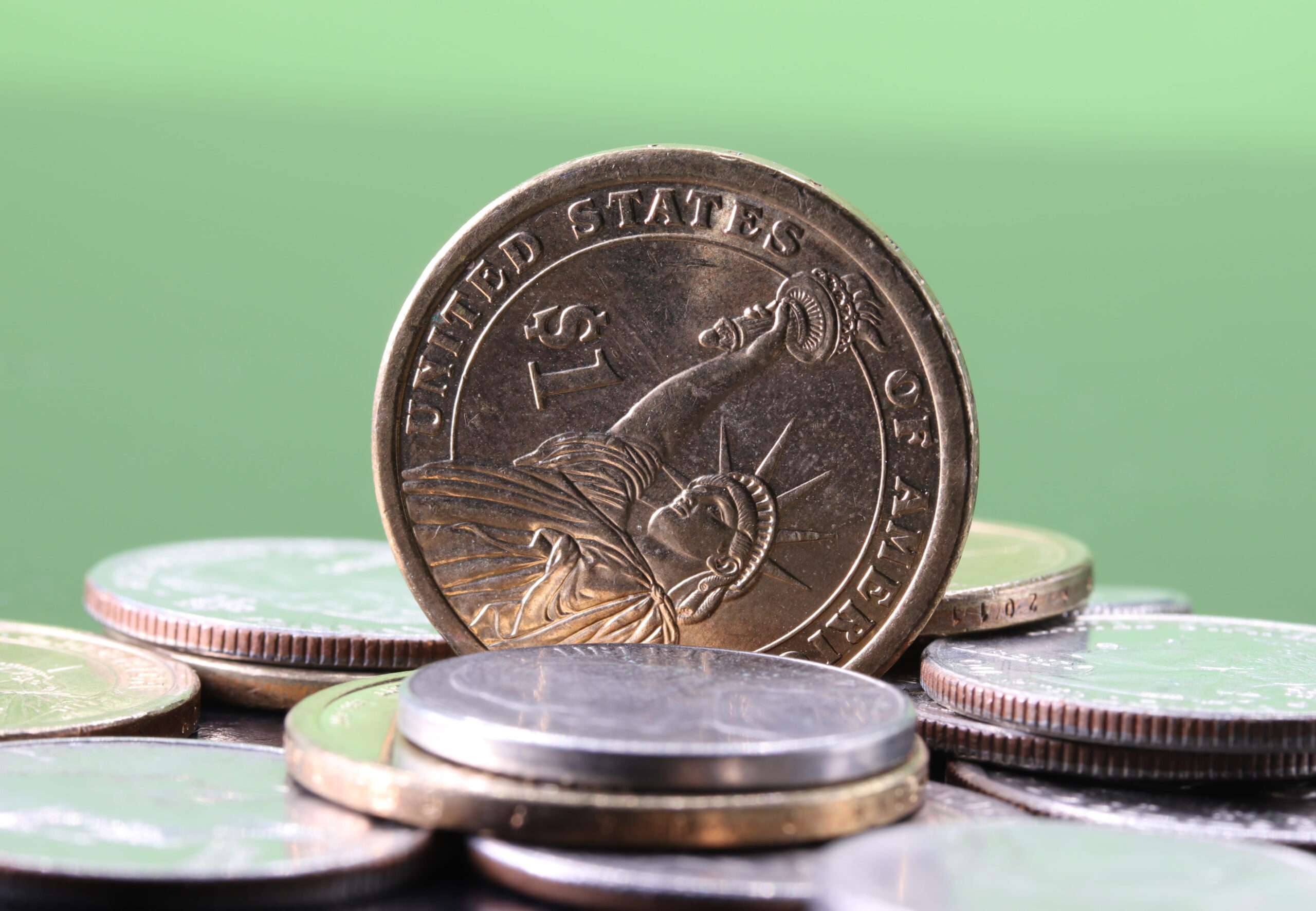
U.S. coins are made of different materials, resulting in noticeable variations in composition and weight. Pennies are primarily composed of zinc, while quarters contain more copper, which gives them greater density.
You might not realize it, but these weight differences impact how coins circulate.
What to Do: Next time you toss a coin into your piggy bank, think about the science behind the weight differences. It’s pretty cool to know what goes into every coin!
3 Extra Fun Facts About U.S. Money
- The Secret Security Features
Modern U.S. bills feature hidden features such as watermarks, security threads, and microprinting. You may never notice these unless you’re a keen observer. - It’s All About the Design
Designing money is a serious business. The U.S. Bureau of Engraving and Printing employs an expert team of engravers to make the bills harder to fake. There are even contests held to design future currency! - Money Can Be “Hacked”
Believe it or not, there are real cases where people can manipulate money using highly sophisticated techniques. It’s a reminder that currency is constantly under threat and needs constant innovation to stay ahead of fraudsters.
Key Takeaway
Money may seem simple, but its history and quirks reveal its important role in our economy. Next time you hold a bill or coin, consider its fascinating journey.
What’s your next move? Start paying closer attention to the money in your wallet. You might find that every dollar has a story to tell!
What did you learn about U.S. money today that surprised you the most? Let us know in the comments, and share this article with friends who’ll appreciate these fun facts!