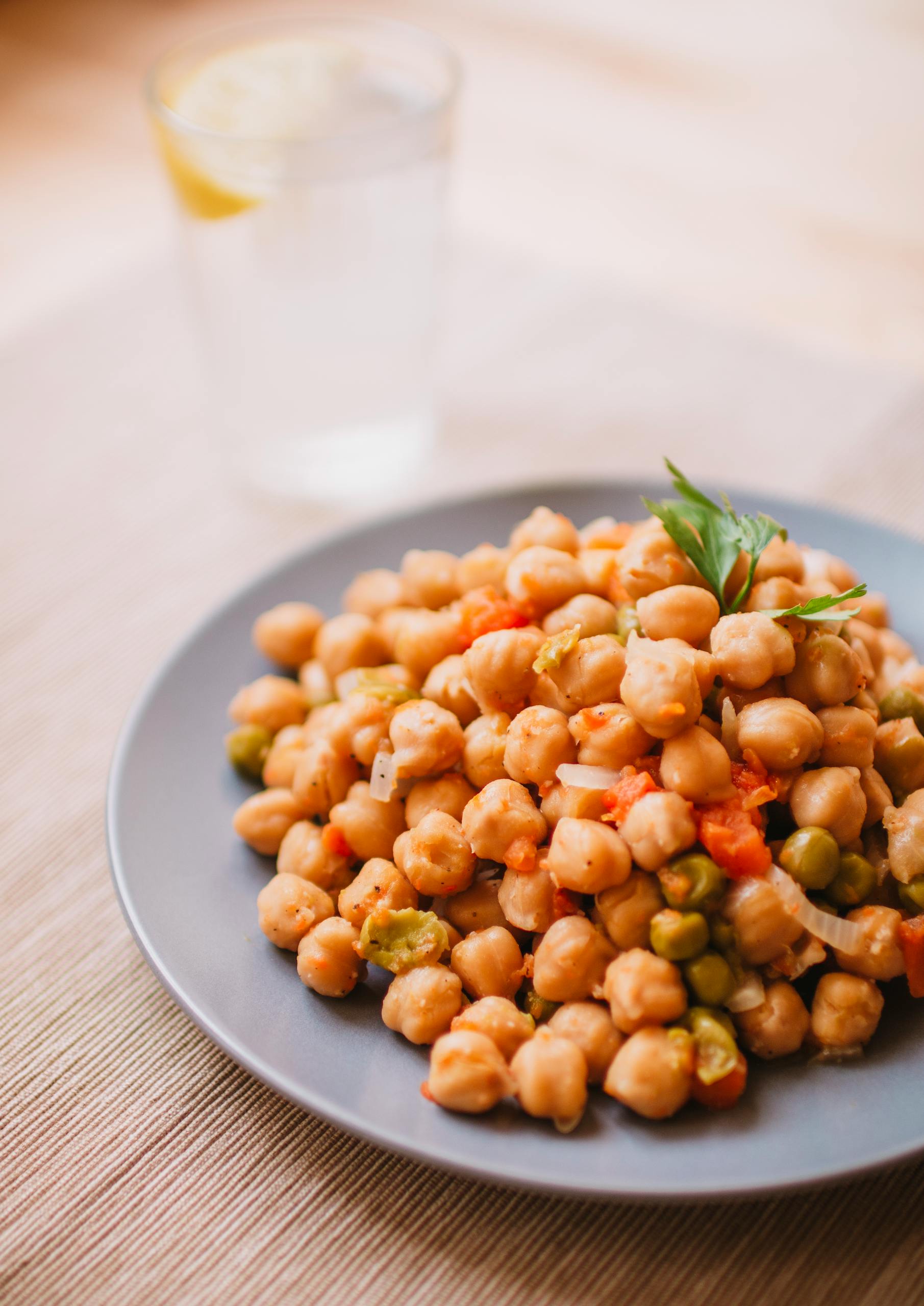
You’ve been tossing them in the trash without a second thought, but what if we told you that some of the foods you’ve been discarding are actually the hidden gems of the culinary world?
Imagine the shock of realizing that even stale bread, offal, and canned fish can elevate your meals to a whole new level. The truth is, these so-called “garbage” foods have been transformed into the gourmet ingredients of today.
In a world obsessed with sustainability and zero-waste cooking, chefs and home cooks alike are rediscovering the value of foods that were once seen as nothing more than scraps. So, what exactly are these foods? Let’s dive into the surprising journey of these discarded items and explore how they became culinary treasures. You’ll never look at leftovers the same way again.
Bone Broth
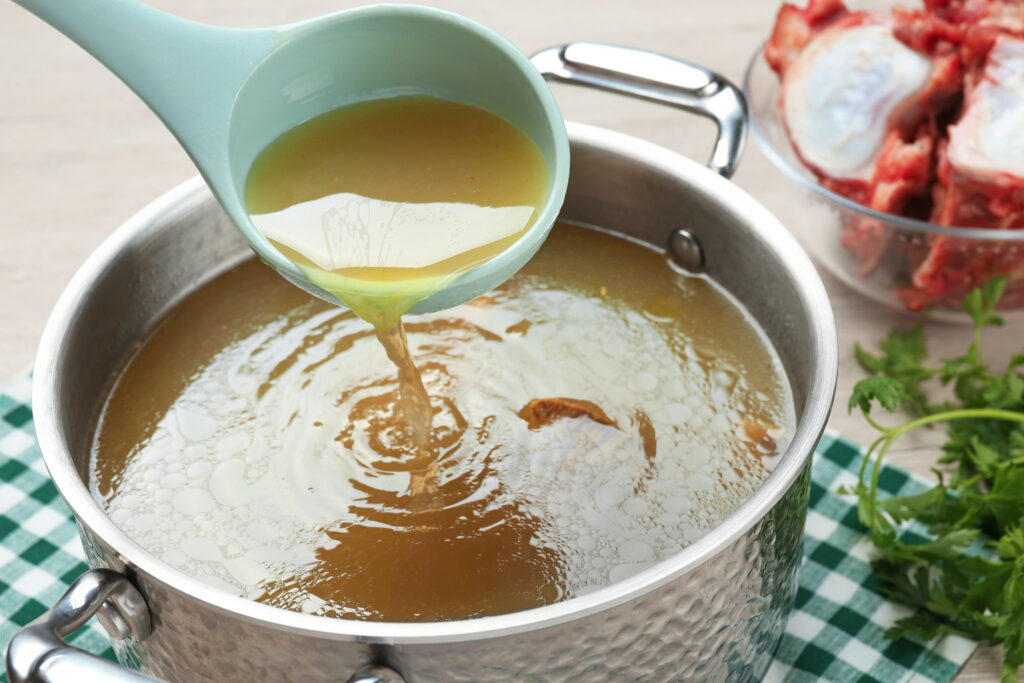
Once considered a byproduct of meat preparation, bone broth was discarded by most home cooks and chefs alike. The leftover bones and scraps were often thrown away, with little consideration for their potential. Today, bone broth has skyrocketed in popularity, particularly for its health benefits. Rich in collagen, gelatin, and essential minerals, bone broth has found its place in the modern culinary world as a superfood. It’s now a staple in many high-end restaurants and health-focused kitchens, praised for boosting immunity, improving gut health, and supporting joint function.
Offal
For centuries, offal, edible animal organs like liver, heart, and kidneys, was considered the food of the poor. In many cultures, these cuts were either discarded or used in cheap stews and sausages. But in recent years, offal has made a dramatic comeback in fine dining. Chefs are now elevating offal by incorporating it into refined dishes, transforming it from a symbol of poverty to one of the highest forms of culinary art. Dishes like foie gras, beef liver pâté, and roasted sweetbreads are no longer considered taboo but are featured on the menus of Michelin-starred restaurants.
Stale Bread
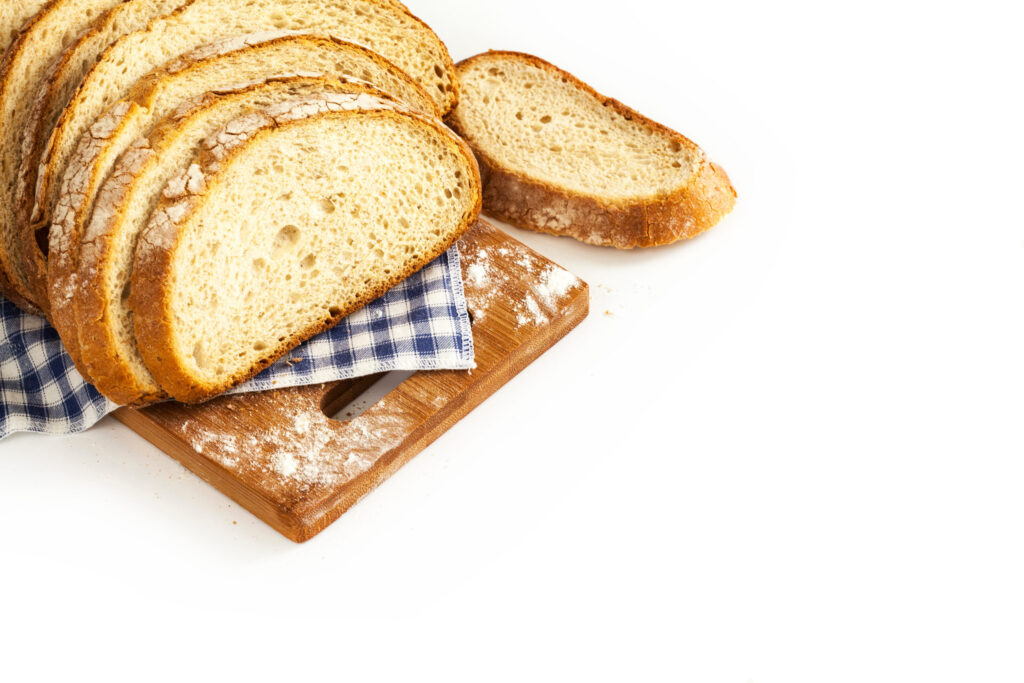
Once considered nothing more than a kitchen nuisance, stale bread now plays a pivotal role in gourmet cuisine. With the growing trend of zero-waste cooking, chefs have found creative ways to incorporate day-old bread into gourmet recipes. Croutons, bread puddings, and even breadcrumbs have all been elevated in recent years, thanks to their ability to add texture and flavor to various dishes. The French-inspired recipe of “pain perdu” (French toast) has also grown in popularity, using stale bread as a base for a decadent breakfast favorite.
Seaweed
Once relegated to the fringes of culinary tradition, seaweed has now emerged as a sought-after delicacy. Found in various coastal regions around the world, this plant is rich in minerals, vitamins, and antioxidants. Seaweed is used to add a savory, umami flavor to dishes, particularly in Asian cuisine. Dishes like sushi, miso soup, and seaweed salads now feature this nutrient-dense food, while new forms of seaweed-based snacks have taken over supermarket shelves.
Canned Fish

Canned fish, particularly sardines, mackerel, and anchovies, were once dismissed as cheap, low-quality foods, typically consumed out of necessity rather than desire. However, with the rise of sustainable eating, canned fish has been resurrected as a premium product. High-quality canned fish is now regarded as a gourmet delicacy, especially when sourced from responsible fisheries. These fish are celebrated for their rich, fatty flavors and are often used in Mediterranean-inspired dishes or enjoyed on their own, paired with artisanal breads and cheeses.
Tomato Cans
Once deemed lowbrow, canned tomatoes have seen a dramatic transformation in recent years. What was once seen as an inferior option to fresh tomatoes has now become a beloved pantry staple, valued for its convenience and versatility. The explosion of Italian-inspired cuisine in the U.S. and other Western nations has elevated the humble canned tomato, with chefs now using it to create rich pasta sauces, soups, and stews. The taste and texture of canned tomatoes have been refined, leading to a whole new level of appreciation for this formerly undervalued food.
Rice
Once relegated to the status of a humble side dish, rice has now become the star of many gourmet meals. Whether it’s served as a delicate risotto, fried rice, or a base for creative stir-fries, rice has transformed from a cheap, filler food to a gourmet mainstay. Special varieties of rice, such as basmati, jasmine, and black rice, have also gained popularity for their unique textures and flavors. The global rise of Asian and Mediterranean cuisines has helped elevate rice to new heights in the culinary world.
Cheese Rinds
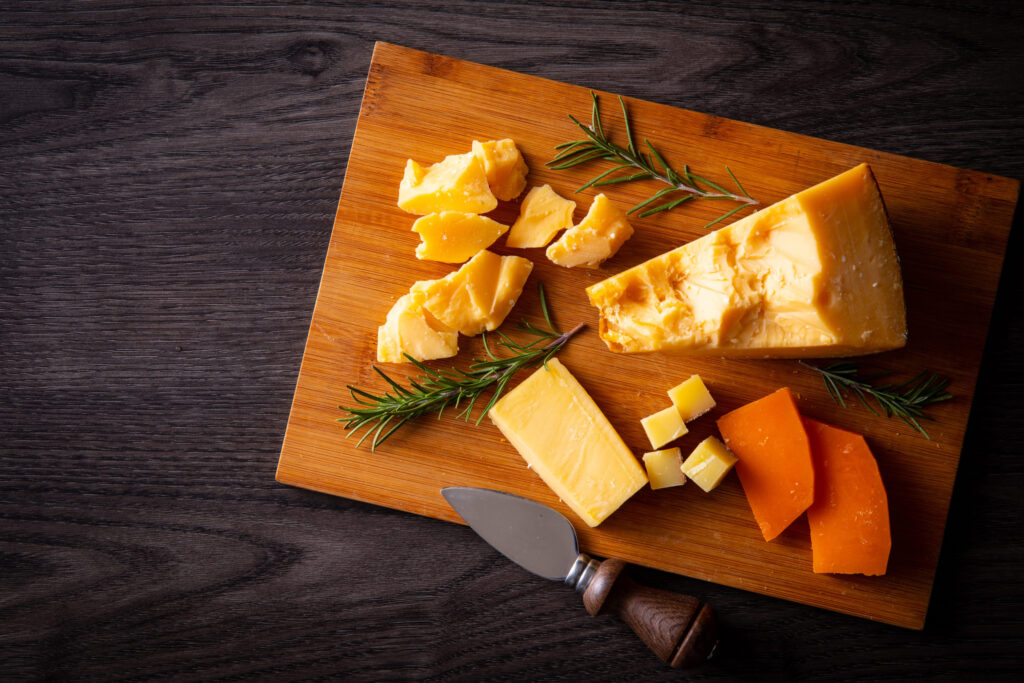
In the past, cheese rinds were often discarded without a second thought. However, as sustainability movements gained traction, chefs began to realize that these rinds, particularly from hard cheeses, are not only edible but packed with flavor. The rinds are now used to impart rich, savory undertones to soups, stocks, and sauces. The practice of utilizing the whole cheese, including the rind, has found its place in upscale dining establishments as chefs find innovative ways to reduce food waste.
Peels and Scraps
In a world where food waste is a growing concern, many chefs have turned to discarded peels and vegetable scraps to create gourmet meals. From carrot tops to potato skins, once-thought-of waste products have been repurposed into delicious dishes. Potato skins, for example, have evolved from being thrown out to becoming a popular snack or appetizer, often stuffed with cheese and herbs. Similarly, fruit peels are being used to create marmalades, jams, and even cocktail garnishes.
Culinary Herbs and Weeds
Weeds like dandelions, nettles, and purslane, once considered pests, have found their place in fine dining. These wild plants are packed with nutrients and have been used in various cuisines for centuries, particularly in Mediterranean and Asian dishes. Chefs have begun incorporating these foraged greens into salads, soups, and even as garnishes, highlighting their unique, often peppery flavor profiles. Wild herbs are not only a sustainable choice but also add a rustic charm to gourmet plates.