Bathrooms aren’t usually where we think to put plants. They’re practical spaces—used often, passed through quickly, rarely styled with growth in mind. But when you stop and really notice them, bathrooms offer something certain plants quietly need.
Warm air that lingers. Moisture that comes and goes gently. Light that’s often filtered instead of harsh. For some houseplants, this isn’t something to tolerate; it’s what helps them settle in.
These are the plants that tend to do better in bathrooms than anywhere else. Not because they’re tough, but because the conditions suit them.
Pothos
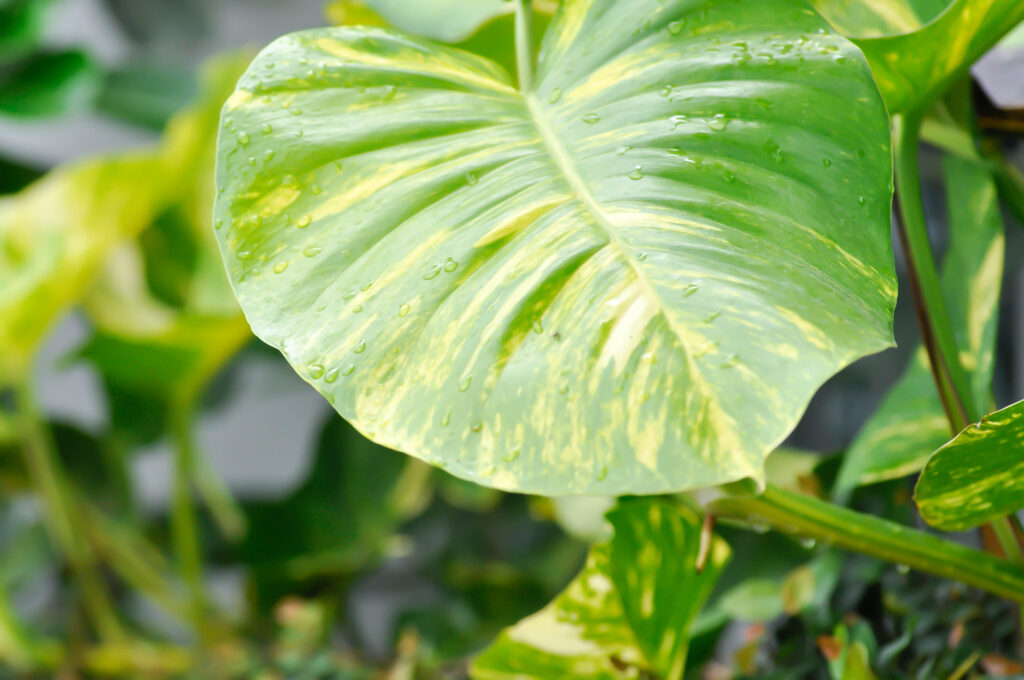
Pothos adapts easily and doesn’t make much fuss. In a bathroom, the added humidity helps keep its leaves from drying out, especially in winter.
It does well in indirect light and doesn’t mind being placed a little off to the side, which makes it easy to live with in smaller spaces.
Peace Lily
Peace lilies respond well to moisture in the air and don’t need a lot of light to stay healthy. Bathrooms often give them both.
They’re also good at signaling when they need water, which takes some of the guesswork out of caring for them. Over time, they blend into the daily rhythm of the space.
Snake Plant
Snake plants are steady and forgiving. They handle humidity without issue and don’t need much light to maintain their shape.
In a bathroom, they feel simple and dependable—there when you need them, easy to ignore when you don’t.
Boston Fern
Boston ferns tend to struggle in dry rooms, but bathrooms help them hold onto moisture naturally.
With indirect light and consistent humidity, their fronds stay fuller and softer. If a fern hasn’t worked for you elsewhere, this setting often makes the difference.
Spider Plant
Spider plants adapt well to changing conditions and thrive in humid environments. Bathrooms can help prevent the dry tips they often get in other rooms.
They work well on shelves or in hanging planters and don’t need frequent attention.
Calathea
Calatheas are sensitive to dry air, which is why bathrooms often suit them better than open living spaces. The extra humidity helps keep their leaves from curling or browning.
They do best with indirect light and consistency, both of which bathrooms usually offer.
Bird’s Nest Fern
Bird’s nest ferns appreciate moisture in the air and tend to look healthier in rooms where humidity is naturally higher.
They prefer indirect light and even watering, and bathrooms often provide a more balanced environment for their growth.
Orchids
Bathrooms can come surprisingly close to an orchid’s preferred conditions. Warm air, moisture, and filtered light help them stay comfortable without constant adjustments.
They do best in bathrooms with windows, where light stays bright but indirect.
English Ivy
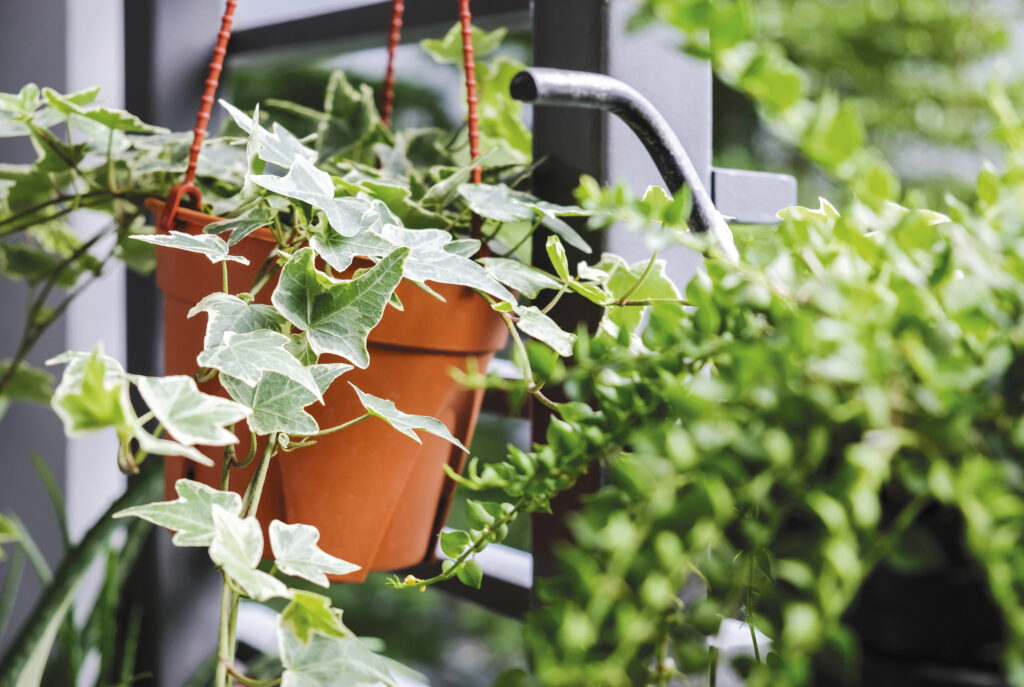
English ivy adapts easily to humid air and moderate light. In bathrooms, it often needs less misting than it would in drier rooms.
It trails naturally, making it a good fit for shelves or high corners.
Aloe Vera
Aloe doesn’t rely on humidity, but it handles it well when balanced with enough light. Bathrooms with windows can offer both.
As long as the soil drains well and light is adequate, aloe settles in without complaint.
Bathrooms don’t work for every plant—but for the ones that do, the environment feels surprisingly right.