Flooring is one of those home decisions that looks simple until the regret starts walking across the room. A beautiful floor can make a house feel warm, polished, and expensive, but the wrong one can turn daily life into a parade of scratches, stains, slippery steps, and cleaning headaches.
The problem is that many flooring choices look wonderful in photos. They shine under showroom lights, match trendy color palettes, and promise a fresh new look. Then real life arrives with muddy shoes, spilled coffee, pet claws, bathroom steam, kitchen grease, and furniture dents.
Carpet in the Bathroom
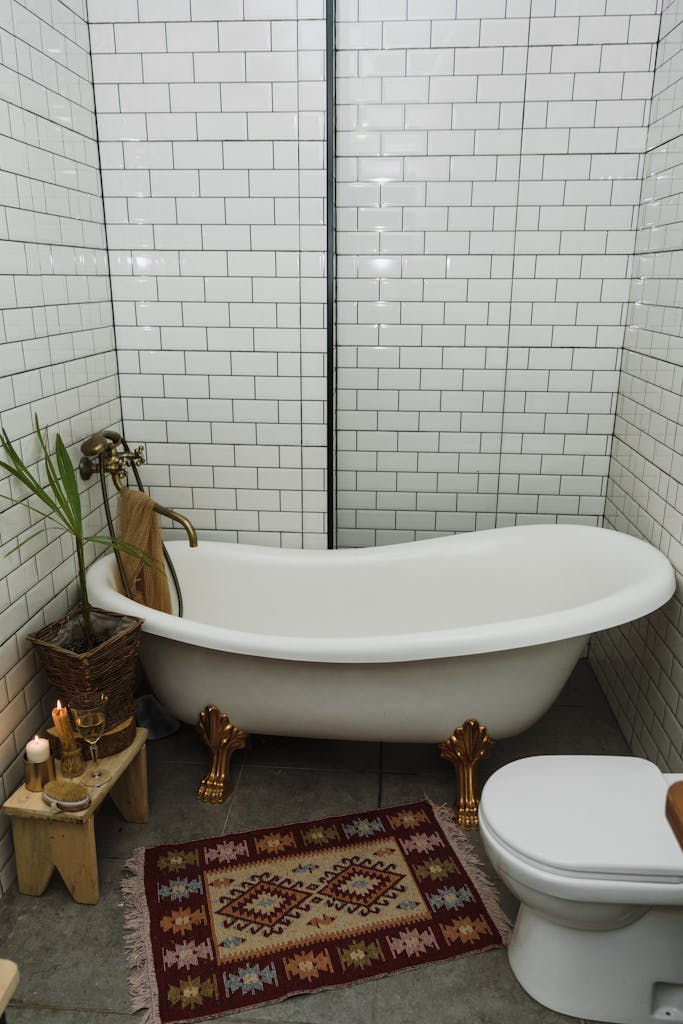
Carpet in the bathroom is one of those choices that sounds cozy for about five seconds, then becomes a moisture trap. Bathrooms deal with steam, splashes, wet feet, leaking toilets, and damp towels, which makes carpet a risky surface from the start.
Once moisture settles into carpet fibers, the room can start smelling musty. It can also become harder to keep truly clean, even with regular vacuuming. Tile, vinyl, or sealed stone will usually handle bathroom life far better.
Hardwood Floors in the Bathroom
Hardwood brings warmth, character, and elegance, but bathrooms are not gentle places. Water can seep between planks, sit around the shower area, or collect near the sink, especially in busy homes.
Over time, that moisture can lead to warping, swelling, stains, or buckling. Even careful homeowners can miss small puddles when mornings get rushed. If someone loves the wood look, a wood-look porcelain tile is usually a safer bathroom choice.
Soft Pine in Busy Homes
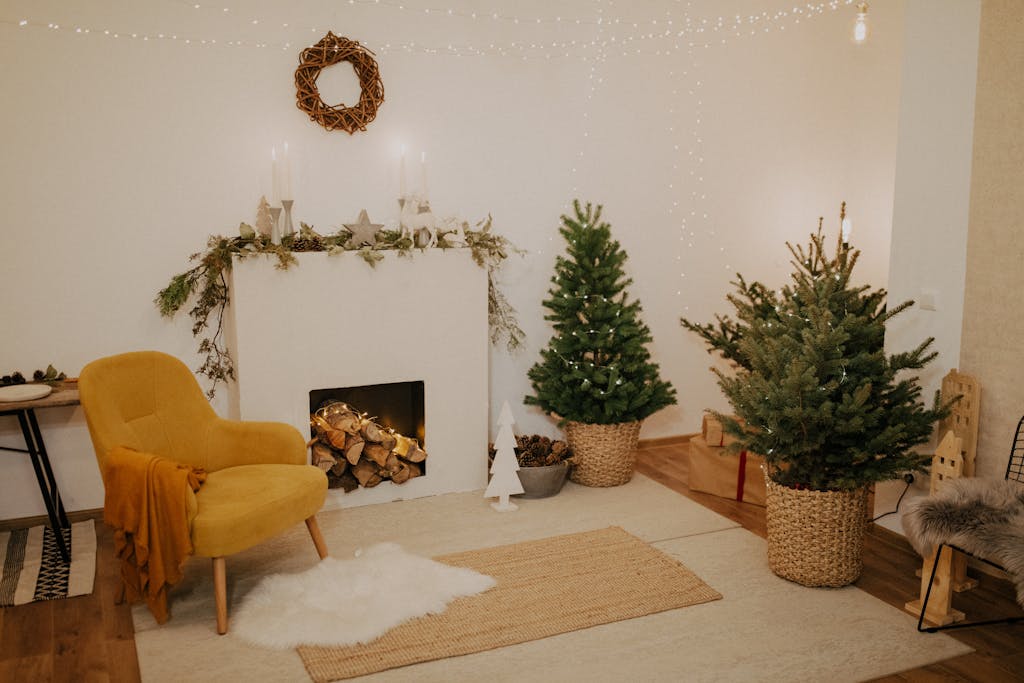
Pine has a charming rustic look, but it is a soft wood, and soft wood does not always hold up in real life. In a home with kids, pets, heavy foot traffic, or frequent visitors, pine can quickly accumulate dents and scratches.
That lived-in look may feel cozy at first, but it can become tired faster than expected. Entryways, kitchens, and hallways need flooring that can take a beating without looking bruised every week. Harder woods like oak often age with more grace.
Cold Stone in Family Rooms
Stone can look stunning, especially in grand spaces, but it can feel harsh in lounging rooms. A family room should invite people to sit, stretch out, play games, watch movies, and relax without making them feel like they are in a hotel lobby.
Stone floors can feel cold underfoot and may also make noise bounce around the room. Without large rugs, soft furniture, and careful styling, the space can lose its warmth. It may look expensive, but it still feels emotionally flat.
Gray Flooring Everywhere
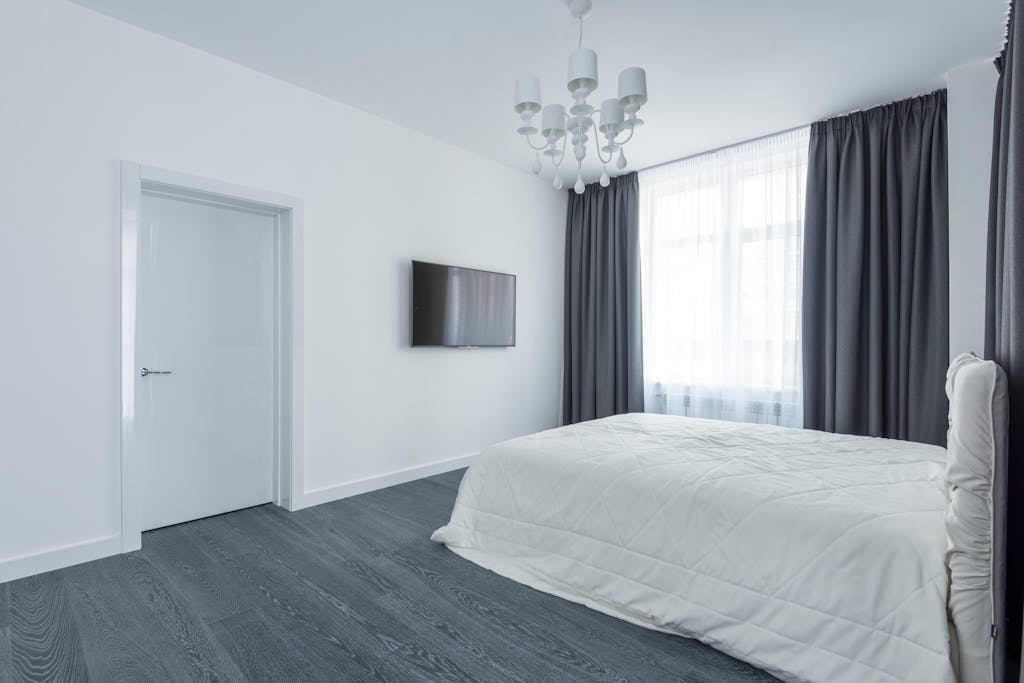
Gray flooring had its moment, but that moment is easy to spot now. The cool-toned gray plank look can make a home feel dated, especially when paired with white walls and shiny silver finishes.
The bigger issue is that gray floors can make rooms feel colder than intended. They also limit future decorating choices because warm woods, creamy whites, and earthy tones may clash with the floor. Natural wood tones usually have a longer style life.
Laminate That Tries Too Hard
Laminate can be budget-friendly, but some versions look flat, shiny, or artificial once installed across a large space. The problem becomes more obvious when the pattern repeats too often, or the surface lacks real texture.
Cheap-looking laminate can drag down the entire room, even if the furniture is beautiful. It may also be harder to repair neatly when damaged. Saving money up front can feel painful later when the floor becomes the first thing guests notice.
Wood-Look Tile Beside Real Wood
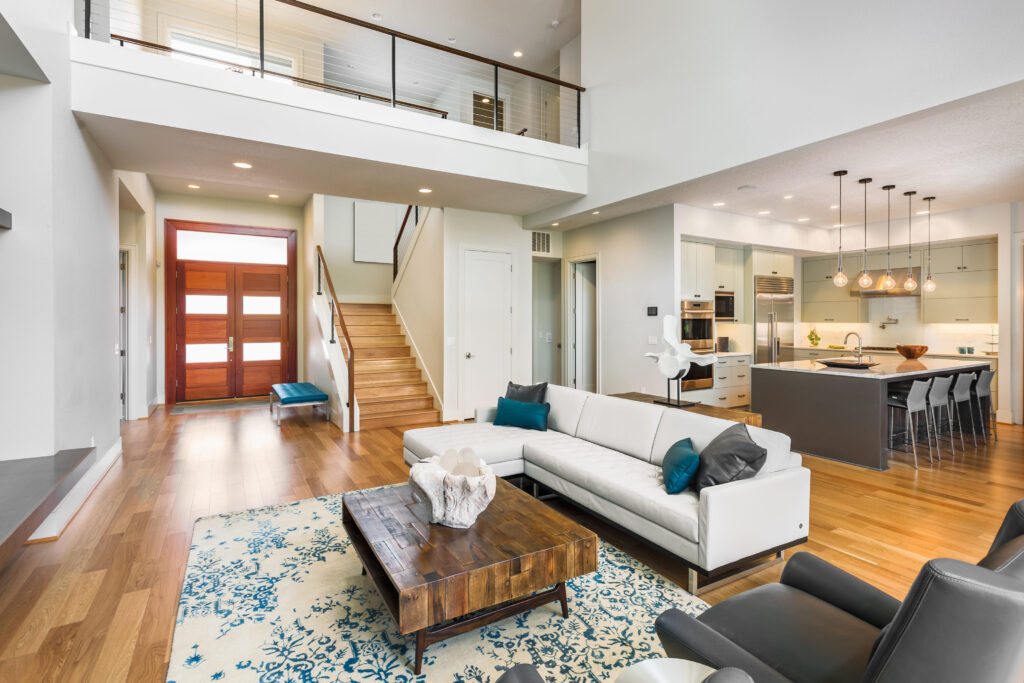
Wood-look tile can work well in the right room, especially where moisture is a concern. The trouble starts when it sits directly beside actual hardwood flooring. The comparison can make the imitation look obvious.
Real wood has warmth, grain variation, and a softer feel underfoot. Porcelain or vinyl copies can appear colder and flatter beside the real thing. If both materials meet in an open layout, the transition needs careful planning to avoid a mismatched look.
Microcement in Slippery Wet Areas
Microcement has a sleek, modern look that works beautifully in photos. It gives spaces a clean, minimalist finish that many homeowners love. But in wet areas, beauty alone is not enough.
When used around showers, pool houses, or damp zones, microcement can become slippery without the right texture and finish. That creates a safety problem, especially for children, older adults, or guests. A floor should never look stylish at the expense of secure footing.
Synthetic Carpet in Cozy Rooms
Synthetic carpet can seem practical because it often costs less and comes in many styles. Still, some options wear down faster than homeowners expect, especially in bedrooms, playrooms, and family spaces.
Over time, lower-quality synthetic carpet may flatten, pill, shed, or lose its softness. A room that should feel plush can start looking tired and cheap. If carpet is the goal, investing in better fibers and proper padding can make a major difference.
Hardwood in Hardworking Kitchens
Hardwood in the kitchen can look beautiful, especially in open-concept homes where one flooring material flows from room to room. But kitchens face spills, dropped pans, chair movement, pet bowls, food stains, and constant foot traffic.
That wear can show quickly, especially around the sink, stove, and island. A runner can help, but it will not solve every problem. Homeowners who cook often may prefer porcelain tile, luxury vinyl, or another durable surface that still delivers style without constant worry.
Conclusion
The wrong flooring choice does not always fail on day one. Sometimes it slowly reveals itself through scratches, noise, stains, moisture problems, or a room that never feels as warm as it looks online.
A good floor should reflect how people actually live. Before choosing a material, consider water resistance, pets, children, cleaning habits, comfort, safety, and long-term style. The prettiest floor in a showroom can become the most annoying part of a home if it cannot withstand daily wear and tear.