Vegetables have earned their health halo, but that halo can get blurry fast once cooking methods, portion sizes, sauces, sodium, starches, and processing come into play. We often hear “eat more vegetables” as if every vegetable choice delivers the same nutritional payoff, yet a plate of fried potatoes, canned vegetables swimming in salt, or iceberg lettuce buried under creamy dressing does not deliver the same nutritional payoff as kale, broccoli, bok choy, carrots, or collard greens. The smarter question is not whether vegetables are healthy, because most of them can be part of a balanced diet. The sharper question is which vegetables give us the most fiber, vitamins, minerals, antioxidants, fullness, and everyday value.
The best approach is balance, not fear. We do not need to ban any vegetable from the kitchen, but we should know when a vegetable offers little nutritional value, when preparation ruins its benefits, and when a better swap can make the same meal more nutritious. Some vegetables are mostly water, some are heavily starchy, some are often served fried, and others become less healthy when cooked in brine, butter, cheese, or sugary sauces. When we choose deeper colors, leafy greens, cruciferous vegetables, and fiber-rich options, we get more nutritional return from every bite.
Iceberg Lettuce

Iceberg lettuce is crisp, refreshing, and useful in sandwiches, but it is not the best choice for nutrient density. Its biggest advantage is hydration and crunch, yet it offers far less color, fiber, and micronutrient depth than darker greens. When we build salads around iceberg alone, we may feel like we are eating something very healthy while missing the stronger benefits of leafy greens with deeper pigments.
A better choice is romaine, kale, spinach, or a mix of dark greens. Kale provides vitamin K, vitamin A, vitamin C, fiber, potassium, and protective plant compounds.
Romaine gives more color and nutrients than iceberg while keeping that familiar crisp texture. We can still use iceberg for crunch, but the base of the salad should come from darker leaves for a more serious nutritional upgrade.
Canned Vegetables
Canned vegetables are convenient, affordable, and useful for busy households, but they can carry a high sodium load depending on the brand and the liquid they’re packed in. Green beans, peas, corn, carrots, and mixed vegetables may look wholesome on the shelf, yet the nutrition label can reveal salt levels that make a simple side dish less heart-friendly. The vegetable is still there, but the preparation changes the health profile.
A better choice is frozen vegetables, low-sodium canned vegetables, or canned vegetables rinsed before serving. Frozen broccoli, spinach, cauliflower, carrots, and green beans are usually picked and frozen quickly, which helps preserve nutrients.
They also cook fast and do not need salty sauces to taste good. A squeeze of lemon, garlic, onion, herbs, pepper, or a small drizzle of olive oil can make them flavorful without drowning them in salt.
Fried Potatoes

Potatoes themselves are not the villain. They contain potassium, vitamin C, fiber when the skin stays on, and satisfying carbohydrates. The problem begins when potatoes show up mostly as fries, chips, hash browns, loaded wedges, or buttery mashed potatoes. At that point, the vegetable becomes a delivery system for oil, salt, saturated fat, and oversized portions.
A better choice is baked sweet potato, roasted turnips, or steamed baby potatoes with herbs. Sweet potatoes provide beta-carotene, fiber, and natural sweetness, so they don’t need heavy toppings.
Turnips offer a lighter root vegetable option with vitamin C and a peppery flavor that works well roasted. If we want regular potatoes, we should keep the skin on, control the portion size, and skip the deep fryer.
Corn
Corn is often treated as a light vegetable, but nutritionally, it behaves more like a starchy side dish. It can be part of a healthy meal, especially when eaten whole and without butter, cheese, or creamy sauces. The issue comes when corn becomes the default vegetable every night, replacing lower-calorie, higher-fiber, and more nutrient-dense options.
A better choice is broccoli. Broccoli brings fiber, vitamin C, vitamin K, folate, and antioxidant compounds to the plate while staying lower in calories than many starchy sides. It also works in stir-fries, soups, casseroles, pasta dishes, rice bowls, and roasted trays.
When we want corn, we can enjoy it as a starch and pair it with a non-starchy vegetable instead of letting it carry the whole vegetable role.
Celery
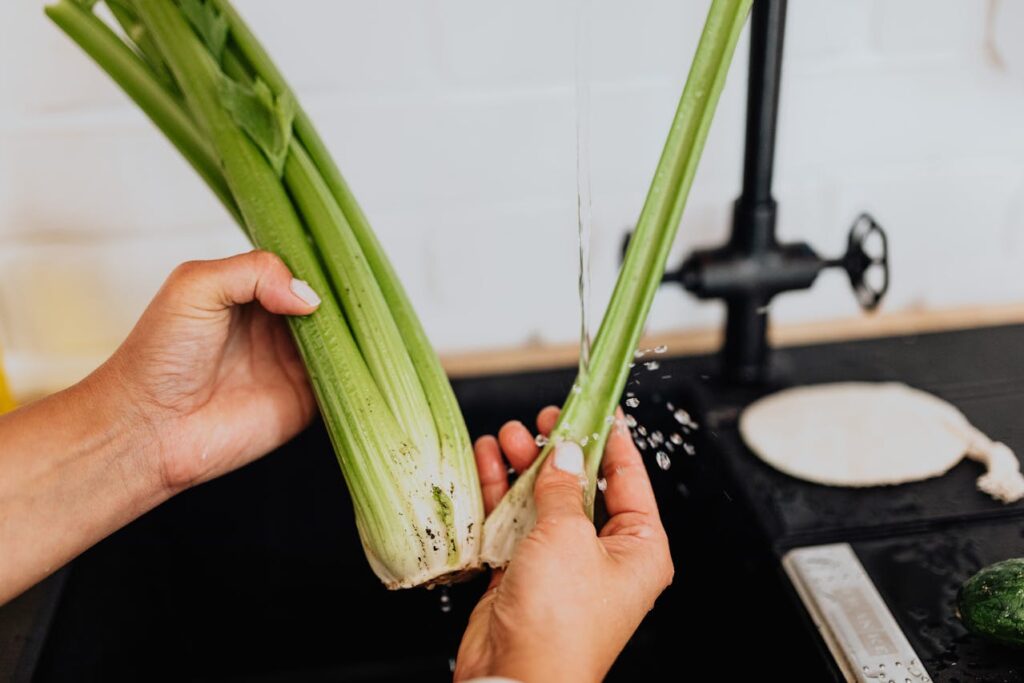
Celery has long been praised as a diet food because it is low in calories and high in water. That makes it useful for crunch, dips, and light snacks, but it should not be mistaken for one of the most nutrient-packed vegetables.
A few celery sticks may help with hydration and texture, yet they do not deliver the same vitamin and mineral depth as darker or cruciferous vegetables.
A better choice is bok choy. Bok choy has a tender crunch, mild flavor, and strong nutritional value, including vitamin C, vitamin K, calcium, potassium, and antioxidants.
It works beautifully in stir-fries, soups, noodles, grain bowls, and garlic-based side dishes. For a smarter plate, celery can remain a snack, but bok choy deserves more space in cooked meals.
Cucumbers
Cucumbers are hydrating and pleasant, especially in salads and sandwiches. Their mild flavor makes them easy to eat, but they are not among the most nutrient-rich vegetables. A cucumber-heavy salad can feel clean and healthy while still leaving the meal short on color variety and nutrient density.
A better choice is red, yellow, or orange bell peppers. Bell peppers add crunch like cucumbers, but they also bring vitamin C, carotenoids, and bold color to the plate.
They can be eaten raw with hummus, roasted and added to pasta, folded into wraps, or tossed into stir-fries. If we want freshness, cucumbers are fine, but bell peppers give the same crisp satisfaction with a bigger nutritional payoff.
Eggplant

Eggplant is a useful vegetable rich in fiber and antioxidants, with a satisfying texture. The problem is that it behaves like a sponge in the pan. When fried, breaded, or cooked in too much oil, eggplant can quickly turn from a light vegetable into a heavy dish.
Popular versions like fried eggplant stacks or cheese-heavy casseroles may taste wonderful, but they can hide the vegetable under fat, salt, and refined breading.
A better choice is grilled eggplant, mushrooms, zucchini, or cauliflower. Mushrooms bring savory depth with very few calories, while zucchini cooks quickly and works well in skillets, soups, and pasta-style dishes.
Cauliflower can be roasted, mashed, riced, or added to curries without deep-frying. If we keep eggplant, baking, grilling, or air-frying it with controlled oil makes it far more useful.
Vegetable Juice
Vegetable juice sounds like an easy health shortcut, but it often removes or reduces the chewing, bulk, and fiber that make whole vegetables so filling. Some bottled vegetable juices also contain added sodium, fruit juice, or concentrated flavors, making them less balanced than they appear. Drinking vegetables can be convenient, but it should not replace the real thing on the plate.
A better choice is whole carrots, tomatoes, leafy greens, and crunchy raw vegetables. Carrots provide beta-carotene and fiber, tomatoes provide lycopene and vitamin C, and leafy greens provide minerals and plant compounds that support overall health.
Whole vegetables slow us down, fill us up, and help us build meals with texture. Juice can be occasional, but chewing vegetables gives the body more of what it needs.
Veggie Chips
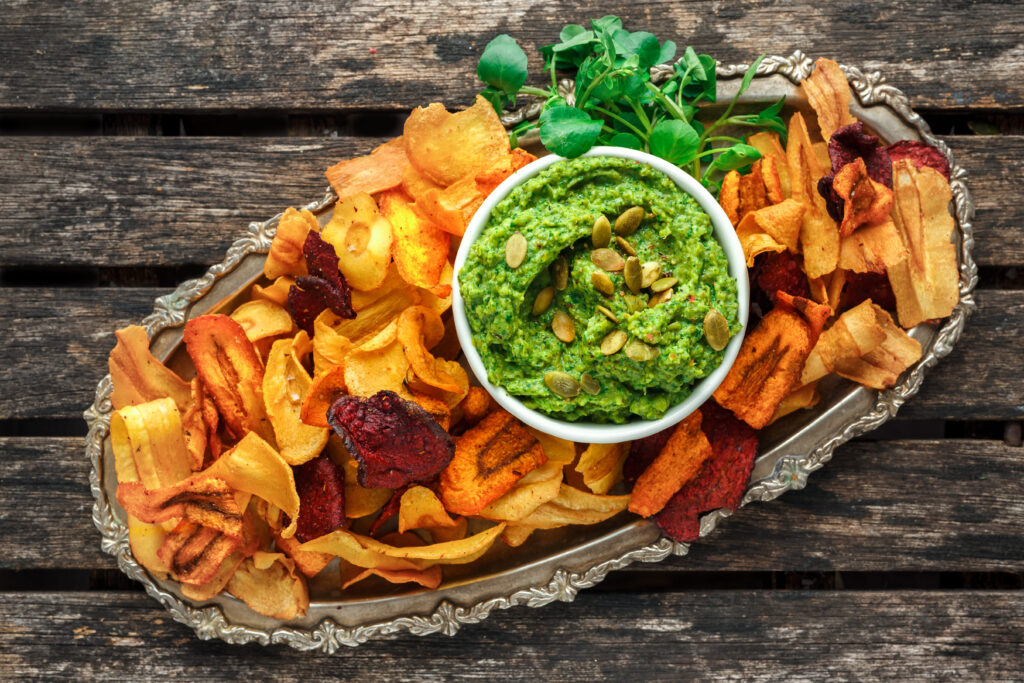
Veggie chips often look healthier than regular chips because the packaging shows beets, carrots, spinach, or sweet potatoes. The trouble is that many of these snacks are still fried or heavily processed, with plenty of salt and little of the original vegetable’s natural structure left behind. We may think we are making a smart swap, but the snack aisle often turns vegetables into crunchy branding.
A better choice is roasted chickpeas, carrot sticks, raw bell peppers, baked kale chips, or air-fried zucchini slices. These options give us crunch without pretending that a processed snack equals a serving of vegetables.
Homemade kale chips, for example, can be crisp, savory, and light when baked with a small amount of oil. The goal is not to kill snack cravings, but to choose crunch that still behaves like food.
Creamed Spinach and Sauced Greens
Spinach, collard greens, Swiss chard, and kale are among the most nutritious vegetables we can eat, but preparation still matters. Creamed spinach, buttery greens, cheese-heavy casseroles, and salty restaurant-style sides can turn leafy vegetables into rich comfort dishes. The greens still provide nutrients, but the added saturated fat and sodium can counteract their health benefits.
A better choice is steamed, sautéed, or lightly dressed greens. Collard greens, Swiss chard, kale, spinach, and turnip greens shine with garlic, onions, lemon juice, vinegar, herbs, chili flakes, or a modest amount of olive oil.
These methods preserve the vegetable’s character instead of burying it. When leafy greens stay close to their natural form, they become one of the easiest ways to improve a meal.
Conclusion
Vegetables do not need to be ranked with fear, but they do need to be chosen with intention. Iceberg lettuce, fried potatoes, salty canned vegetables, celery, cucumbers, veggie chips, and sauce-heavy greens are not automatically terrible, yet they can be weaker choices when they dominate the plate. The better move is to upgrade the pattern, not panic over one food.
We get more from vegetables when we choose darker colors, stronger fiber, less processing, lighter cooking methods, and smarter swaps. A bowl with kale, broccoli, carrots, bok choy, cauliflower, collards, Swiss chard, turnips, and peppers will do more for the body than a plate built around fried starches and salty sides. The healthiest vegetable habit is simple: eat a wide variety, prepare them well, and let the most nutrient-rich choices take the lead.