Food is a universal language that unites people across cultures, offering a shared experience that transcends boundaries. Despite its ability to connect us, some foods spark intense aversion rather than excitement. Be it the bitter taste of Brussels sprouts or the unmistakable aroma of stinky tofu, certain dishes manage to leave an unpleasant mark on the taste buds. These negative reactions raise intriguing questions about why certain foods can evoke such strong feelings of disgust.
The reasons behind these widespread food aversions are rooted in both psychology and culture. From evolutionary factors that associate bitter tastes with toxicity to cultural conditioning that shapes our food preferences, these elements play a significant role in how we perceive certain dishes. Understanding the psychology behind these aversions offers insight into the deep, complex relationship we have with food, and why some flavors can spark such intense dislike while others remain beloved worldwide.
Brussels Sprouts
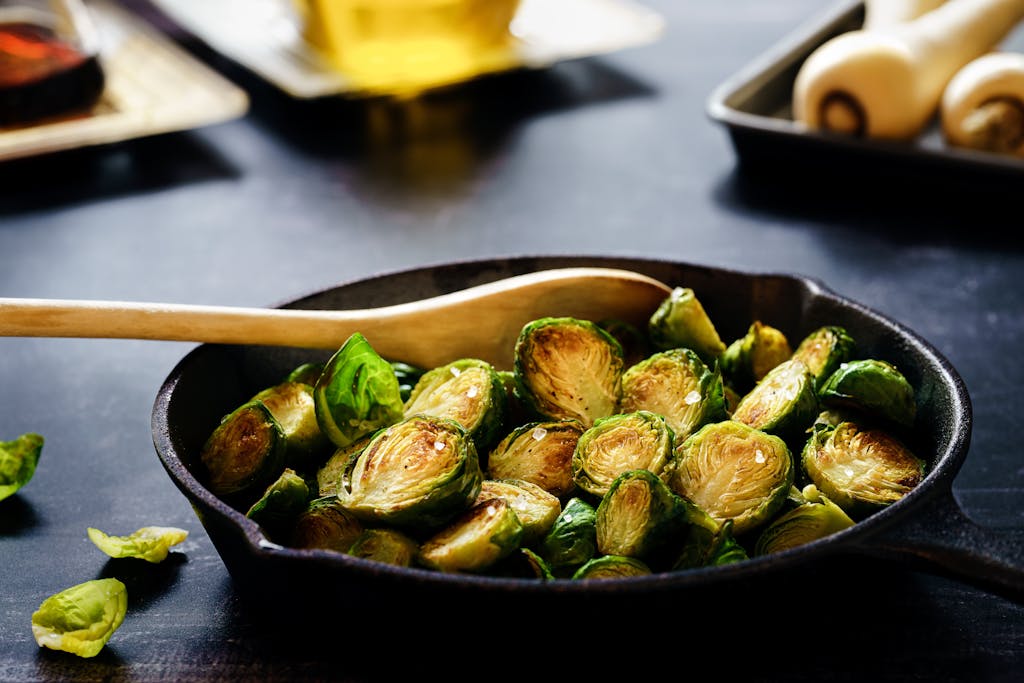
Brussels sprouts are often the subject of disdain, especially among younger generations. Their bitter flavor is the main culprit behind the negative reactions, with some people unable to get past the taste. However, the bitterness in Brussels sprouts is linked to a natural compound called glucosinolate, which is believed to have protective qualities against certain cancers.
Interestingly, these little cabbages have a long history of being disliked, but when prepared correctly, they can taste surprisingly good. Roasting them with a little olive oil and seasoning can bring out their natural sweetness and make them more palatable. Despite their bad reputation, brussels sprouts are packed with vitamins and fiber, making them an important part of a healthy diet.
Stinky Tofu

Stinky tofu is a popular street food in parts of Asia, but its pungent smell is enough to turn many people away. The strong odor, often likened to rotten garbage or sewage, comes from the fermentation process. For those unfamiliar with the dish, the smell is overwhelming, and it’s easy to see why it has earned its name.
Despite its strong aroma, stinky tofu has a loyal following who swear by its unique taste. The tofu’s texture is crispy on the outside, soft and silky on the inside, and when paired with spicy sauces, it becomes a savory delight. While it may not win over every palate, stinky tofu has deep cultural significance and is beloved by many in the regions where it is sold.
Durian
Durian is infamous for its overpowering smell, which some describe as a combination of rotten onions, gym socks, and raw sewage. In fact, it is banned in many hotels and public transportation systems across Southeast Asia due to its stench. This divisive fruit has earned a reputation as the “king of fruits” for its size and strong odor, making it one of the most disliked foods in the world.
However, those brave enough to try durian are often rewarded with a sweet, creamy flesh that is rich in flavor. Despite the initial unpleasant smell, the taste is a delicate blend of sweet and savory, with a custard-like consistency. Durian is a beloved treat in countries like Thailand, Malaysia, and the Philippines, where it’s enjoyed in everything from ice cream to pastries.
Licorice
Licorice has long been a polarizing candy, with many people unable to stand its distinct, slightly bitter taste. The strong flavor comes from a compound called glycyrrhizin, extracted from the licorice plant’s roots. While it’s a favorite in some parts of the world, particularly in Scandinavia, its strong flavor often leads to mixed reviews.
For those who dislike licorice, its taste can be overwhelmingly sharp, and the texture of licorice candy doesn’t help either. It’s chewy and sticky, which makes it harder to enjoy for those who aren’t fans of its unique flavor. Despite this, licorice remains popular, especially when combined with other flavors in products such as licorice-flavored ice cream or candy.
Marmite
Marmite, a yeast extract spread popular in the UK and Australia, is notorious for its strong, salty flavor. The spread, made from concentrated yeast extract, has a distinctive umami flavor that is either loved or hated. For many, the thick, dark paste’s flavor is difficult to tolerate, often described as “acquired taste” at best.
Despite its divisive nature, Marmite has a cult following that spreads it on toast, uses it in soups, or even pairs it with cheese. The spread is packed with B vitamins and other nutrients, which contribute to its health benefits. Though it may never appeal to everyone, Marmite remains a staple in many households and an iconic part of British cuisine.
Hákarl
Hákarl, or fermented shark, is an Icelandic delicacy that is infamous for its potent odor and acquired taste. The shark meat undergoes a lengthy fermentation process that produces a strong ammonia-like smell, making it one of the most challenging foods to consume. Many first-timers gag at the pungent aroma and strong flavor, which has led to its status as one of the most disliked foods globally.
Yet, for those who can tolerate it, hákarl offers a unique cultural experience. The dish is often served in small, bite-sized pieces and accompanied by shots of strong Icelandic schnapps. While it’s a food that challenges the senses, hákarl is part of Icelandic history and remains a must-try for those looking to experience traditional Icelandic food.
Natto
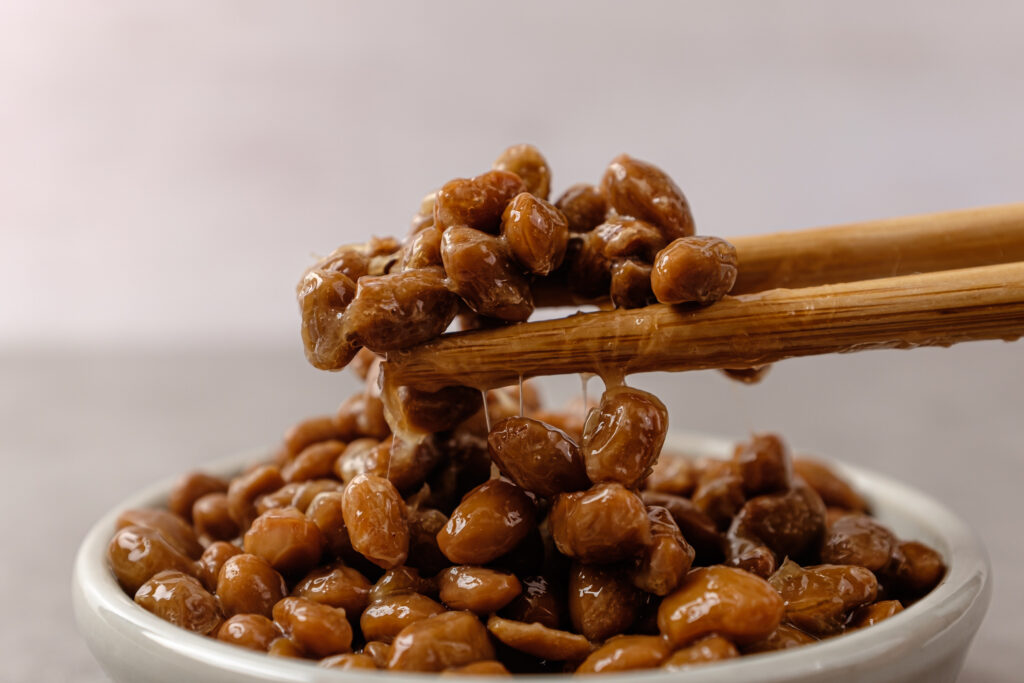
Natto is a traditional Japanese dish made from fermented soybeans, and it’s notorious for its sticky texture and strong smell. The beans have a slimy consistency that many people find off-putting, and their pungent aroma can be overwhelming for those unaccustomed to it. The combination of the smell and texture often leads to a strong dislike from first-timers.
Natto is rich in protein, fiber, and beneficial bacteria, making it a healthy food choice. For those who enjoy it, the taste is earthy, and it’s often eaten with rice or in soups. Natto’s health benefits and nutritional value continue to make it a popular option in Japan, despite its less-than-appealing qualities to many outsiders.
Black Licorice
Black licorice is another polarizing food that divides opinions around the world. The candy is flavored with licorice root extract, giving it a distinctive taste that is both sweet and slightly bitter. Many people find the flavor overwhelming, and the chewy, sticky texture can make it difficult for those who don’t like it.
However, black licorice has long been a beloved treat in some European countries, especially in the Netherlands and Finland. It’s often enjoyed as a sweet snack or used in recipes like licorice-flavored ice cream. Despite the mixed feelings, black licorice remains a staple in certain regions, proving that taste preferences are often shaped by cultural influences.
Anchovies

Engin Akyurt/Pexels
Anchovies is a food that divides opinion. While their strong umami flavor can elevate Mediterranean dishes, their intense taste and smell often repels those unaccustomed to it. The pungent fishiness, combined with their small size and oily texture, makes them a polarizing ingredient. For many, anchovies are simply too overpowering to enjoy on their own, although they can work wonders when blended into sauces or pizzas.
Century Eggs
Century eggs, also known as hundred-year-old eggs, are a Chinese delicacy made from eggs that have been fermented for weeks or even months. The eggs have a dark, almost black hue with a greenish yolk, and their strong smell is often likened to ammonia or sulfur. For many, the appearance and odor of century eggs are enough to inspire strong aversions.
Nevertheless, century eggs are considered a delicacy in many parts of Asia, where they are enjoyed in soups, congee, and other traditional dishes. The texture is gelatinous, and the flavor is described as rich and savory, but it requires a developed palate to fully appreciate. For those willing to try them, century eggs offer a unique culinary experience that reflects centuries of tradition.