Food delivery has become one of the easiest ways to spend money without feeling like we are spending much at all. A few taps, one busy evening, one “we deserve this” moment, and dinner is on the way. The problem is that the price on the restaurant menu is no longer the real price we pay once delivery fees, service fees, small-order charges, menu markups, taxes, and tips are added to the bill.
The first trap is the menu price. We see a $14 burrito, a $16 burger, or a $19 pasta dish and mentally approve the order before the final total appears. By the time the app adds a delivery fee, service fee, taxes, and tip, the meal can jump from a normal restaurant treat to a budget leak hiding inside a paper bag.
That jump matters because delivery spending rarely happens once. It repeats on tired Mondays, rainy Fridays, late work nights, family movie evenings, and weekends when no one wants to cook. One expensive order can feel harmless, but three or four delivery orders a week can add up to a monthly bill that looks more like a utility payment than a meal choice.
The best way to reduce food delivery fees is to slow the order down before checkout. We should compare the app total with pickup, direct ordering, and a basic home-cooked alternative. That small pause can reveal the true cost of convenience before we approve a meal that looks far cheaper than it is.
Ordering Directly From Restaurants Can Cut the Middleman Cost
Third-party delivery apps are convenient, but they are not always the cheapest way to order. Many restaurants run their own ordering systems, phone lines, websites, loyalty programs, or in-house delivery options. Ordering directly can help us avoid some platform markups and can also send more of the money to the restaurant.
Direct ordering is especially useful for pizza shops, local Chinese restaurants, family-owned diners, Indian restaurants, Mexican spots, and neighborhood cafes. These businesses often had takeout systems long before food delivery apps became popular. A quick search for the restaurant’s official website can reveal a cheaper path.
We should compare the direct total with the app total before placing repeat orders. If the same meal costs less through the restaurant, the choice is easy. Over time, saving $4, $7, or $10 per order can make a noticeable difference without changing what we eat.
Meal Prep Stops Emergency Delivery Orders Before They Start
Most delivery orders do not happen because we planned them. They happen because we are tired, hungry, busy, or out of ideas. Meal prep solves the real problem behind many expensive takeout nights by giving us a backup plan before hunger starts negotiating with the budget.
Meal prep does not have to mean cooking seven identical containers of chicken and rice. It can be as simple as washing vegetables, cooking rice, roasting potatoes, boiling eggs, marinating chicken, chopping onions, or preparing one big pot of soup. The goal is to make home food feel faster than ordering delivery.
A practical system is the “two-meal safety net.” We keep ingredients for two easy meals ready every week, such as pasta and sauce, tacos, stir-fry, loaded baked potatoes, fried rice, or breakfast-for-dinner. When we have fast options at home, delivery stops being the automatic rescue plan.
Grocery Shortcuts Are Cheaper Than Delivery Shortcuts
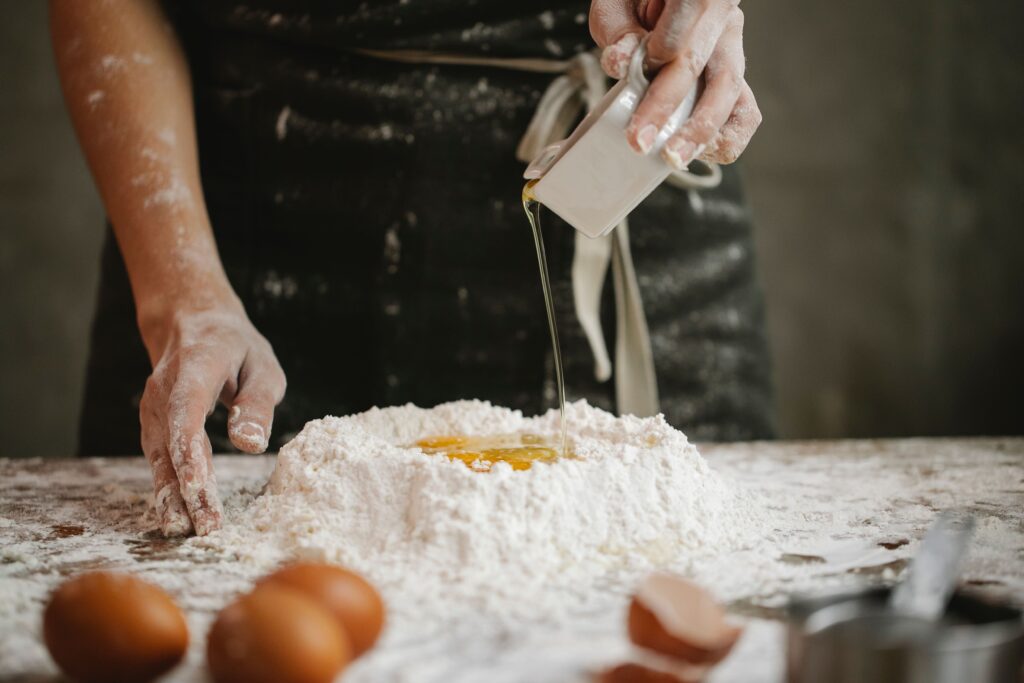
Cooking from scratch every night is unrealistic for many households. That is why grocery shortcuts matter. Rotisserie chicken, frozen vegetables, salad kits, microwave rice, pre-cut fruit, canned beans, frozen dumplings, flatbreads, jarred sauces, and ready-to-bake meals can still cost less than delivery.
The point is not to win a cooking contest. The point is to beat the delivery app on price and speed. A $6 salad kit and a $7 rotisserie chicken can feed more people than a delivered sandwich meal in many areas.
We should build a “lazy dinner shelf” at home. That shelf can include shelf-stable pasta, canned tuna, rice packets, soup, tortillas, peanut butter, beans, ramen upgrades, or frozen pizza. When the kitchen has low-effort options, we are less likely to pay premium prices just because we are tired.
Using Delivery Apps Only for Deals Can Make Sense
Delivery apps are not always bad for the budget. They can be useful when we use them strategically instead of emotionally. Promo codes, free delivery offers, restaurant discounts, loyalty credits, and group-order deals can sometimes make an app order reasonable.
The rule is simple: the deal should reduce the final total, not trick us into ordering something we did not need. A $10 discount on an order we already planned can help. A “spend $35 to save $5” offer can push us into buying more than we wanted.
We should always compare the discounted delivery total to the pickup or direct ordering total. If the app deal still costs more, it is not really a deal. It is just a prettier version of the same expensive habit.
Subscriptions Only Save Money When We Order Often Enough

Delivery memberships can look tempting because they promise lower fees, free delivery on eligible orders, and occasional member discounts. These programs can work for people who order often from eligible restaurants. They can waste money on people who subscribe and then order more just to “use” the membership.
Before paying for any delivery subscription, we should calculate the break-even point. If the membership costs $10 per month and saves about $3 per order, we need at least 4 eligible orders each month to come out ahead. If we order less than that, the subscription becomes another silent charge.
The biggest risk is behavior change. A membership can make delivery feel cheaper, which may cause us to order more often. The subscription is only worth it if it reduces the cost of meals we would have ordered anyway.
Group Orders Can Lower the Cost Per Person
Delivery fees hurt less when several people share the order. Families, roommates, coworkers, and friends can reduce per-person costs by ordering together rather than placing separate orders from different restaurants. One shared delivery fee is usually better than three separate fees.
Group orders also help us hit minimums without adding unnecessary extras. Instead of one person ordering an extra appetiser to avoid a small-order fee, several people can combine real meals into a single order. This keeps the order practical instead of padded.
The key is coordination. We should agree on one restaurant, one delivery window, and one payment method before ordering. A group order saves money only when it stays organized and avoids becoming a chaotic pile of impulse add-ons.
The Best Takeout Budget Starts With a Monthly Limit
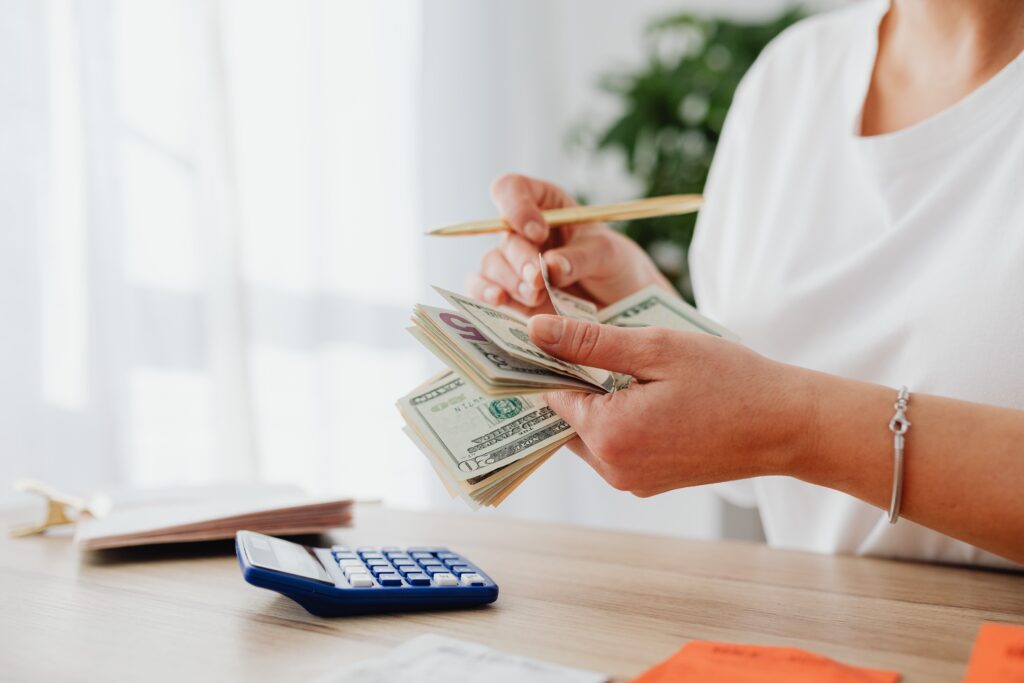
Food delivery becomes harder to control when it sits inside a vague “food” category. Groceries, restaurants, coffee, snacks, and delivery all blur together. A separate takeout budget makes the habit visible.
We can set a monthly delivery limit based on real priorities. For example, a household might allow two delivery nights per month, one Friday takeout meal per week, or a fixed dollar amount for app orders. Once that budget is gone, the next restaurant meal becomes pickup, direct order, or home cooking.
This approach removes guilt and guesswork. Delivery becomes planned instead of forbidden. We still get the pleasure of takeout, but we stop pretending unlimited convenience fits inside a limited budget.
Menu Planning Makes Delivery Less Tempting
Menu planning sounds boring until we realize it saves us from the most expensive question of the day: “What should we eat?” That question becomes dangerous at 7 p.m. when everyone is hungry, and no one wants to think. Delivery apps thrive in that moment.
A simple weekly meal plan can include three cooked dinners, two leftover nights, one flexible pantry meal, and one restaurant meal. That structure leaves room for real life while reducing panic orders. We do not need a perfect schedule; we need enough direction to avoid decision fatigue.
The most effective plan includes meals we actually want to eat. If the fridge is full of food that feels like punishment, delivery will win. A good plan includes comfort meals, fast meals, family favorites, and one or two restaurant-style recipes that satisfy cravings at home.
Copycat Meals Can Replace Expensive Restaurant Cravings
Many delivery orders are driven by cravings, not hunger. We want crispy chicken, loaded fries, burrito bowls, noodles, burgers, wings, pizza, iced coffee, or creamy pasta. Learning a few copycat meals can cut delivery spending without making dinner feel like a downgrade.
Burrito bowls are one of the easiest swaps. Rice, beans, chicken, salsa, cheese, lettuce, and sauce can create several meals for less than the cost of one or two delivered bowls. The same logic works for pasta bowls, breakfast sandwiches, wraps, fried rice, ramen, and loaded potatoes.
We should identify the top three meals we order most often and learn simple home versions. This one move targets the cravings that cost us the most. Saving money becomes easier when the alternative still tastes like something we wanted.