Plant-based eating has been wrapped in too many assumptions for too long. Some people hear the phrase and imagine a joyless plate of plain lettuce, a grocery bill that doubles overnight, or a strict lifestyle where every family dinner becomes awkward. Others assume it means cutting out meat forever, losing protein, or eating meals that feel more like punishment than nourishment. That confusion intensifies when kidney health enters the conversation, because people with chronic kidney disease often have to think carefully about protein, potassium, phosphorus, sodium, and fluid balance.
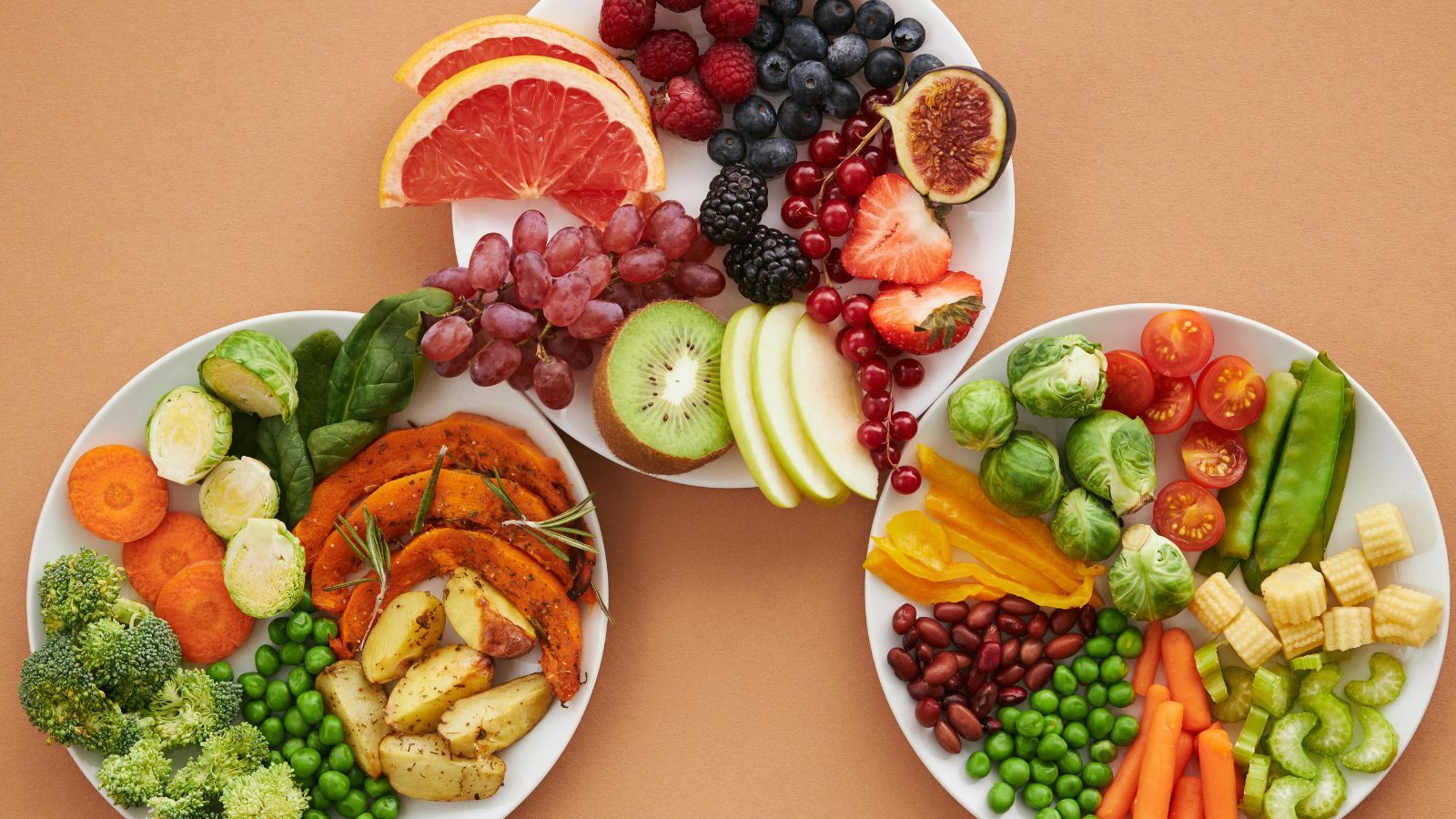
The truth is more practical and far less dramatic. A plant-based diet does not have to mean veganism, perfection, expensive speciality foods, or a complete farewell to favorite meals. It simply means we shift more of our plate toward vegetables, fruits, grains, legumes, nuts, seeds, and other plant foods, while reducing how often animal products take center stage. For many people, that shift can make meals more colorful, more affordable, and easier to adapt to personal health needs when guided by a qualified professional.
Plant-Based Does Not Mean Giving Up Meat Forever

One of the biggest myths about a plant-based diet is that we must become vegetarian or vegan overnight. That idea makes the change feel extreme before we even begin. Plant-based eating is better understood as a pattern, not a rigid label. We can still eat fish, poultry, eggs, dairy, or small portions of meat if those foods fit our health needs and personal choices.
The real shift is about proportion. Instead of building every meal around a large piece of meat, we can make vegetables, beans, whole grains, and healthy fats the foundation of the plate. Meat can become a smaller side, a flavor accent, or an occasional choice rather than the automatic main event. This approach feels more realistic for families, busy workers, older adults, and anyone who wants better meals without turning eating into a chore.
For people with kidney disease, this flexibility matters even more. Protein needs can change based on kidney function, dialysis status, body size, lab results, and other conditions such as diabetes or heart disease. Some people may need to reduce total protein before dialysis, while others on dialysis may need more protein to maintain strength. That is why plant-based eating should never be treated as a universal prescription for every kidney patient.
A Plant-Based Diet Can Still Include Favourite Foods
Many people avoid plant-based eating because they think it means losing all the foods they love. That fear is understandable, especially when food is tied to comfort, culture, family, and routine. We do not have to erase familiar meals to eat more plants. We can revise them, rebalance them, and enjoy them in smarter portions.
A favourite stew can use more vegetables and beans with less meat. A pasta dish can include mushrooms, spinach, peppers, garlic, herbs, and olive oil instead of relying on heavy cream or processed meat. Tacos can be filled with black beans, grilled vegetables, avocado, salsa, and a smaller amount of chicken or fish. The goal is not to make meals unrecognisable. The goal is to make them work harder for our health.
Snacks can also stay satisfying. Frozen grapes, berries, apple slices, unsalted popcorn, carrot sticks, cucumber slices, roasted chickpeas, or low-sodium nut portions can replace ultra-processed snacks without making the day feel dull. People with kidney disease should still check which fruits, vegetables, nuts, and legumes fit their lab results, especially if potassium or phosphorus levels are high. The safest version of plant-based eating is personal, not copied from a random online meal plan.
Plant-Based Meals Are Not Automatically Expensive

Another stubborn myth is that plant-based eating belongs only to people who shop at expensive wellness stores. That version of plant-based eating gets attention because it is packaged, branded, and often overpriced. The basic version is much simpler. Rice, oats, beans, lentils, cabbage, carrots, onions, potatoes, pasta, frozen vegetables, apples, bananas, and seasonal produce can create affordable meals in almost any household budget.
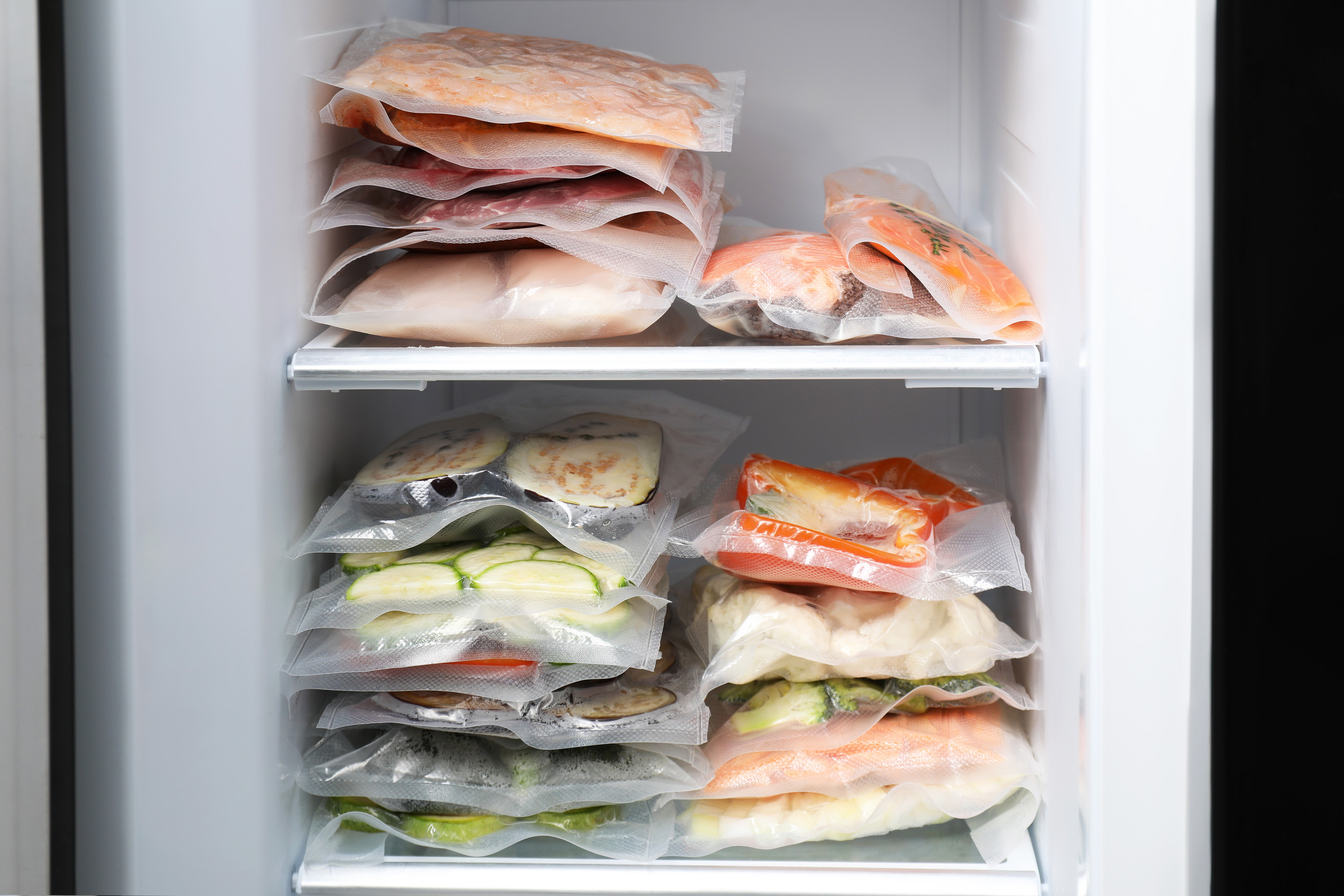
Beans and lentils are especially useful because they provide plant protein, fiber, minerals, and a sense of fullness at a lower cost than many meat and fish options. Whole grains can stretch meals and keep us satisfied. Frozen fruits and vegetables can also be a smart choice because they reduce waste and are often cheaper than fresh produce outside peak season. We do not need fancy powders, luxury plant burgers, or imported superfoods to eat well.
The expensive part of modern eating is often convenience, not plants. Pre-cut fruit, vegan snacks, meat substitutes, bottled smoothies, and speciality desserts can quickly add up. A practical plant-based kitchen focuses on staples first. We can build meals from simple ingredients, season them well, and save the trendy products for occasional use rather than making them the foundation of the diet.
Plant-Based Food Does Not Have To Taste Bland
The myth that plant-based meals are boring usually comes from under-seasoned cooking. A bowl of plain boiled vegetables will not inspire anyone. A plate of roasted vegetables with garlic, herbs, lemon, pepper, and olive oil feels completely different. Flavour does not come only from meat. It comes from heat, texture, seasoning, acidity, aroma, and contrast.
Many of the world’s most flavorful cuisines already use plants beautifully. Indian meals turn lentils, chickpeas, spinach, eggplant, and spices into rich dishes. Mediterranean meals use beans, herbs, tomatoes, olives, whole grains, and vegetables with bright flavours. Mexican, Ethiopian, Middle Eastern, Caribbean, and West African cooking all offer plant-forward meals that feel bold rather than restrictive.
For kidney-conscious meals, seasoning needs a smarter approach. We can lean on garlic, onion, lemon juice, vinegar, herbs, salt-free spice blends, ginger, smoked paprika, cumin, basil, thyme, and pepper instead of relying heavily on salt. Sodium control is often important for kidney health and blood pressure, so flavor should come from layers rather than the salt shaker. A plant-based diet can taste exciting when we stop treating vegetables like an afterthought.
We Can Get Enough Protein With The Right Plan
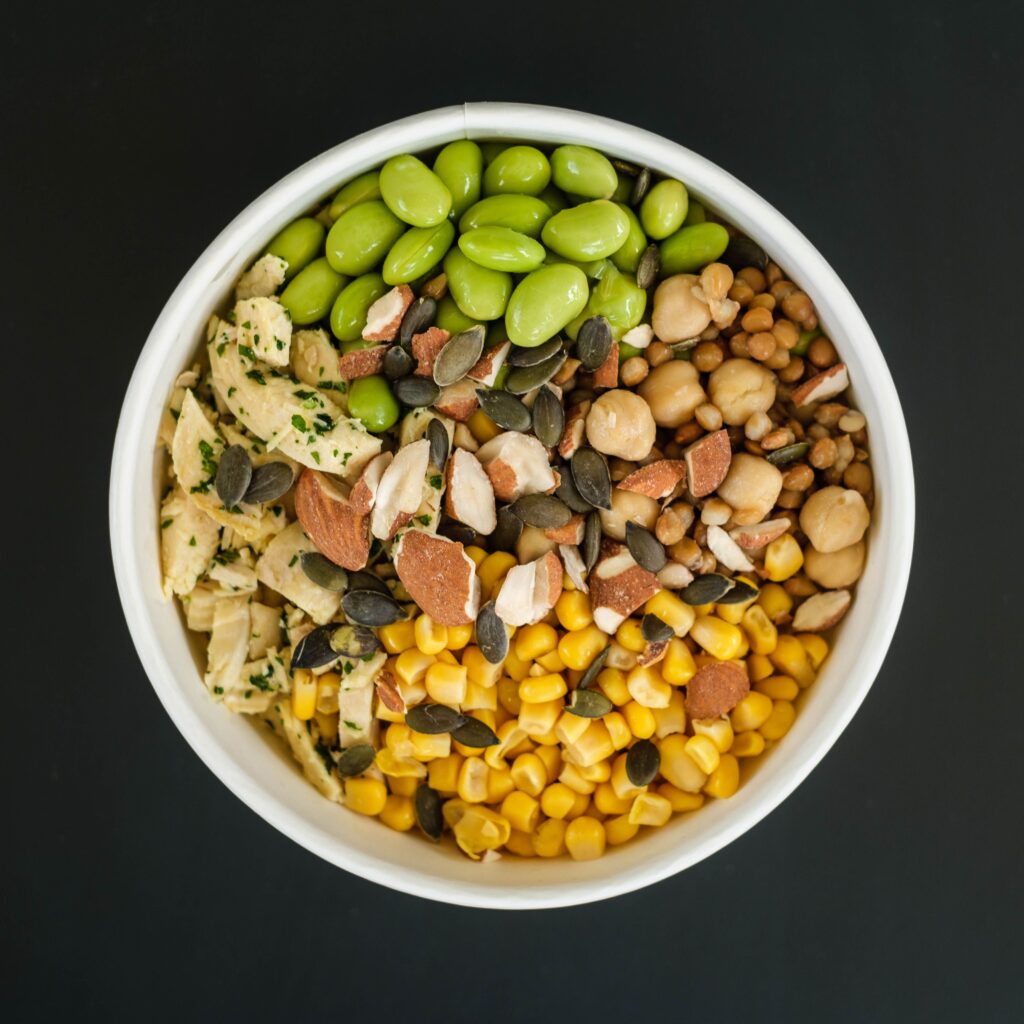
Protein is one of the most common concerns about plant-based diets. Many people assume animal foods are the only reliable protein sources. That belief ignores beans, lentils, peas, tofu, tempeh, soy milk, nuts, seeds, whole grains, and other plant foods that can contribute meaningful protein throughout the day. A well-planned plant-based pattern can provide enough protein for many healthy adults.
Kidney disease changes the conversation. Some people with chronic kidney disease may need controlled protein intake, especially before dialysis, because excess protein can increase kidney workload. People on dialysis often need higher protein intake because treatment can remove amino acids and increase nutritional demands. This is why we should not simply copy a high-protein vegan plan from social media and assume it is kidney-friendly.
The smartest approach is to match protein intake to health status. A renal dietitian can help determine how much protein is appropriate, which plant proteins are best suited, and how to balance protein with potassium, phosphorus, sodium, calories, and blood sugar goals. Plant-based does not mean protein-deficient. It means protein-aware.
Plant-Based Diets Can Support Kidney Health
Some people believe kidney disease makes plant-based eating impossible. That is too broad. Plant-based diets may fit some people with kidney disease, but they need careful planning. Kidney nutrition is not only about choosing “healthy” foods. It is about matching food choices to lab results, kidney stage, medications, dialysis status, and other medical conditions.
Plant foods can offer important advantages. They tend to contain fibre, antioxidants, and compounds that support heart and metabolic health. They may also produce a lower dietary acid load than many animal-heavy patterns, which can matter because acid balance is part of kidney health. A plant-forward pattern can also help reduce saturated fat and sodium when meals are built from minimally processed foods.
Still, we should avoid pretending that every plant food is automatically right for every kidney patient. Some plant foods are high in potassium, phosphorus, or oxalates. Some meat substitutes are loaded with sodium and phosphate additives. Some smoothies pack more potassium than a person’s kidneys can safely manage. The winning strategy is not blind plant-based eating. It is guided by plant-based eating.
Phosphorus In Plant Foods Is Not The Same As Phosphorus Additives
Phosphorus is another nutrient that causes confusion. Many plant foods contain phosphorus, including beans, nuts, seeds, and whole grains. People with kidney disease may need to manage phosphorus levels because high phosphorus can affect bones, blood vessels, and overall health. This leads some people to assume plant proteins are always risky.
The picture is more nuanced. Phosphorus in whole plant foods is often bound in a form that the body absorbs less efficiently than phosphorus from many animal foods and processed additives. The bigger concern is often phosphate additives in packaged foods, processed meats, fast foods, bottled drinks, and some convenience products. These additives can be absorbed more readily and may raise the phosphorus burden.
That is why a plant-based diet built on whole foods can be very different from one built on processed vegan products. A homemade lentil soup and a highly processed meatless sandwich are not the same nutritional story. Kidney-conscious plant-based eating should focus on whole or minimally processed foods, label reading, and regular lab monitoring.
Plant-Based Eating Can’t Work In Restaurants
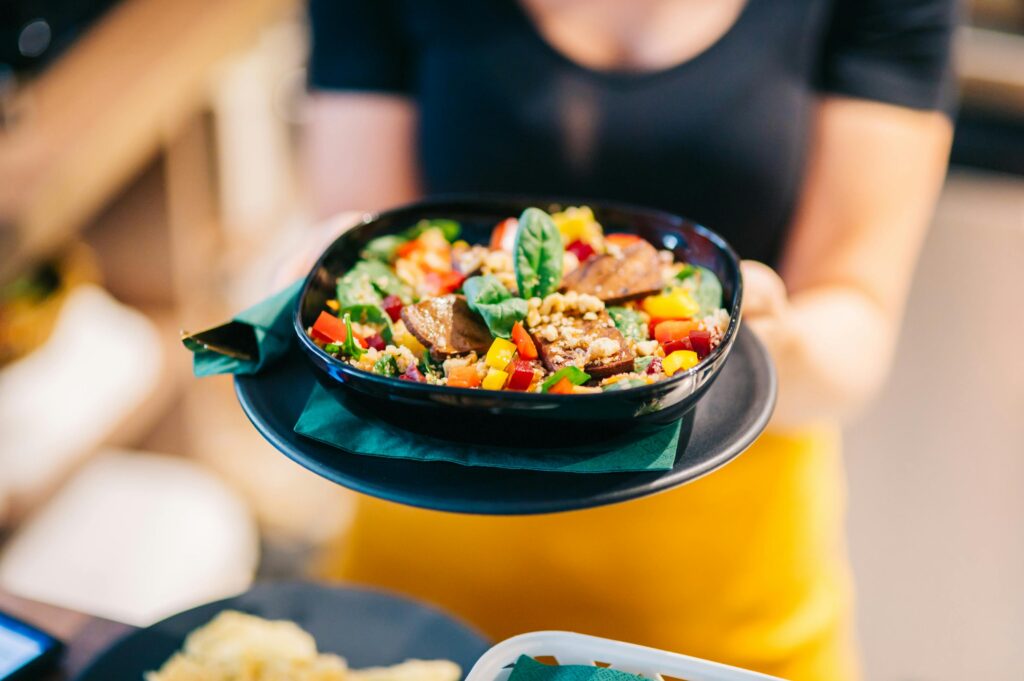
The idea that plant-based eating makes restaurant meals impossible is outdated. Most restaurants now offer salads, soups, vegetable sides, grain bowls, pasta dishes, bean-based meals, or customizable plates. Even places built around meat often have vegetables, potatoes, rice, fruit, or side dishes that can be combined into a satisfying meal.
The key is planning without making the meal feel tense. We can check menus ahead of time, ask for sauces on the side, request less salt, choose grilled or roasted items, and build a plate from sides when needed. A restaurant meal does not have to be perfect to fit a plant-forward lifestyle. Consistency at home matters more than one imperfect dinner out.
For kidney disease, restaurant meals require extra attention because they can be high in sodium. Sauces, soups, dressings, pickles, cheese, processed plant meats, and seasoned rice can carry more salt than expected. Asking for simple preparations can help. A meal based on vegetables, rice, pasta, or salad can still become kidney-unfriendly if it arrives covered in salty sauce.
Processed Vegan Foods Are Not Automatically Healthy
Plant-based marketing can be misleading. A food can be vegan and still be salty, sugary, oily, highly processed, or low in useful nutrients. Plant-based nuggets, frozen meals, packaged snacks, sweetened drinks, and meat substitutes may help with convenience, but they should not become the center of the diet.
This matters even more for kidney health. Many processed plant-based products contain sodium, potassium, phosphate additives, or long ingredient lists that may not fit a renal diet. A product with a green label can still be a poor choice for someone managing blood pressure, fluid retention, phosphorus, or potassium. The front of the package tells a story. The nutrition label tells the truth.
We should choose convenience carefully. Canned beans can be useful if rinsed well and approved for the person’s plan. Frozen vegetables can be excellent when they come without salty sauces. Plain oats, rice, pasta, lentils, and simple nut butters can be more useful than expensive specialty products. Plant-based eating works best when whole foods do most of the work.