Counterfeit beauty products are no longer easily recognisable as cheap knockoffs. Today, fake skincare, makeup, sunscreen, and fragrance products arrive in polished packaging, feature convincing labels, replicate logos, and include glowing reviews on social media or online marketplaces. They look convincing enough to fool even experienced shoppers, yet what lies inside the bottle can be dangerous, sometimes dangerously toxic. What may seem like a savvy purchase or a trendy dupe is often a gamble with your health, your skin, and your long-term wellbeing.
The rise of online marketplaces and social commerce platforms has created a perfect environment for counterfeit products to thrive. Consumers seeking convenience, lower prices, or trendy items are increasingly exposed to fakes masquerading as authentic items. Unlike legal dupes, which are legitimate, affordable alternatives manufactured by reputable companies, counterfeit products are deliberately deceptive. They bypass quality control, testing, and regulatory oversight, leaving consumers exposed to serious health hazards. These are not cosmetic risks alone but public health threats.
Toxic Heavy Metals

One of the most alarming dangers in counterfeit cosmetics is the presence of toxic heavy metals such as lead, arsenic, mercury, and cadmium. Legitimate manufacturers strictly regulate these substances due to their well-documented health risks, but counterfeit products often contain them at unsafe levels. Lead can impair neurological development and cognitive function over time, mercury can harm the kidneys and nervous system, and arsenic and cadmium are linked to cancer with long-term exposure.
Laboratory studies have repeatedly found counterfeit eye shadow palettes, lipsticks, and foundations containing lead concentrations far above acceptable limits. In some cases, counterfeit lipsticks have contained more than ten times the amount of lead permitted in regulated cosmetics. Daily use of these contaminated products allows repeated absorption through the skin, lips, or eye area, silently introducing toxins into the body. Consumers may believe they are purchasing a harmless cosmetic product, yet they are unknowingly exposing themselves to a chemical hazard with long-term consequences.
Biological Contamination and Skin Infections
Counterfeit cosmetics are often produced in unsanitary conditions with no oversight for cleanliness or microbial safety. This poses a high risk of bacterial, yeast, and mould contamination, and, in extreme cases, traces of animal waste have been detected in counterfeit formulas. Products contaminated in this way can cause pustules, folliculitis, severe irritation, and eye infections when applied near sensitive areas.
Products applied to thin or delicate skin, such as eyelids, lips, and areas with compromised barriers, are particularly vulnerable. Unlike regulated products, which undergo strict sterility checks and contain preservatives formulated to prevent microbial growth, counterfeit items offer no protection. Using contaminated products can lead to infections that require medical treatment and may result in scarring or long-term damage if left untreated.
Carcinogenic and Industrial Chemicals
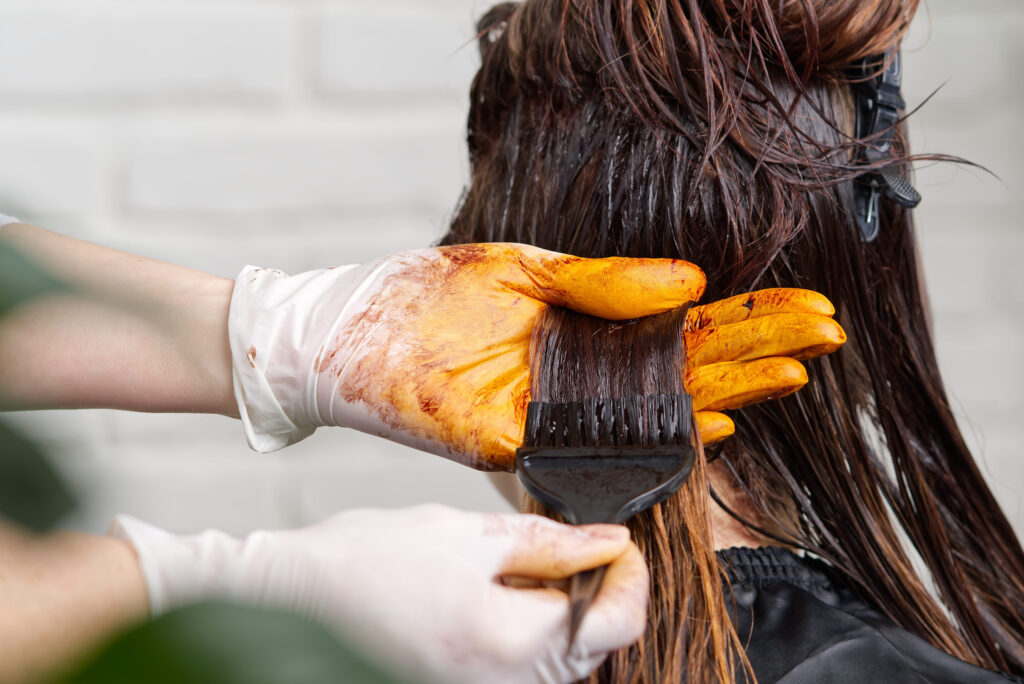
In addition to heavy metals and microbes, counterfeit beauty products frequently contain industrial chemicals and unapproved ingredients that are prohibited in legitimate products. Investigations have found phthalates, industrial solvents, untested dyes, and chemical preservatives in fake skincare, makeup, and fragrances. Many of these compounds are known or probable carcinogens. Long-term exposure through repeated application can increase the risk of cancers and organ damage, particularly when these chemicals are applied directly to the skin or inhaled as part of a fragrance product.
Unlike legitimate products, which undergo rigorous testing to ensure safety and stability, counterfeit cosmetics bypass these processes entirely. Consumers who apply these products daily have no way of knowing what they are introducing into their bodies, making the cumulative health risks significant. Even products that seem harmless at first can carry hidden hazards that manifest over time.
Severe Skin Reactions and Chemical Burns
Many counterfeit products cause immediate dermatologic injury due to poor formulation, incorrect pH, or untested substitutes for active ingredients. Users have reported chemical burns, blistering, redness, itching, and severe allergic reactions after using counterfeit skincare or makeup products. These reactions are not just cosmetic inconveniences but can require medical attention and long recovery periods.
Areas with thin or sensitive skin, such as eyelids and lips, are particularly at risk. For individuals with pre-existing skin conditions such as eczema, rosacea, or acne, counterfeit products can trigger flare-ups and compromise the skin barrier. Counterfeit exfoliating acids, retinol creams, or brightening serums can cause irritation that lasts weeks or months and may even result in permanent discolouration or scarring.
Infection and Complications from Contaminated Products
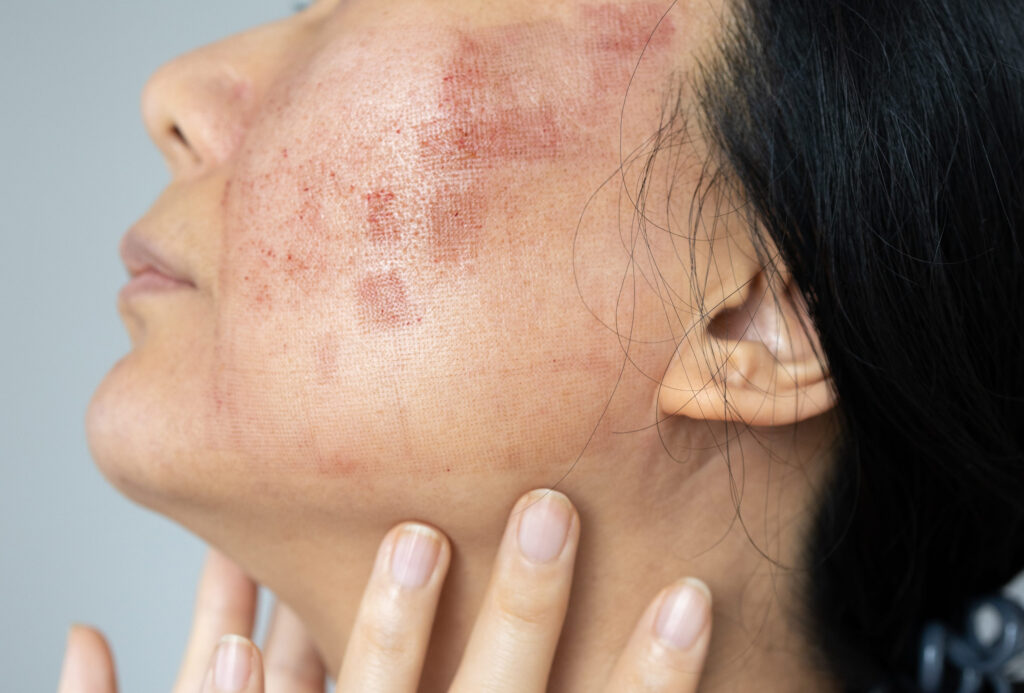
The unsanitary production of counterfeit cosmetics can result in serious infection risks. Contaminated mascaras, eyeliners, and lip products can introduce bacteria or fungi to the eyes, lips, or compromised skin, causing conditions such as staph infections, cellulitis, or folliculitis. In some cases, infections have been severe enough to require prescription antibiotics or surgical intervention.
Even minor cuts, abrasions, or acne lesions become entry points for pathogens when exposed to contaminated fake products. Because counterfeit products bypass sterilisation and microbial testing, the risk of introducing harmful bacteria into the body is much higher than with regulated cosmetics, turning what should be a simple beauty routine into a potential health emergency.
Fake Sunscreens and Ultraviolet Damage
Counterfeit sunscreens present an especially insidious danger because they create a false sense of protection. While a fake product may display an SPF label, it often lacks effective UV filters or contains unstable ingredients that degrade quickly in sunlight. Consumers using these products may believe they are protected from harmful ultraviolet radiation.
The consequences include sunburn, premature ageing, hyperpigmentation, and an increased risk of skin cancer. The hidden risk is compounded for users of active skincare ingredients such as retinoids, alpha-hydroxy acids, or brightening agents, which make the skin more sensitive to UV damage. The false reassurance of a counterfeit sunscreen can undermine an entire sun protection regimen, making it one of the most dangerous categories of fake cosmetics.
Unknown Chemicals and Long-Term Exposure Risks

Counterfeit products often contain unknown or untested chemicals, including industrial solvents, unapproved colourants, and unverified fragrance compounds. Because these ingredients have not been evaluated for safety, repeated exposure over months or years can have unpredictable cumulative effects, including chronic irritation, allergic sensitisation, or systemic toxicity.
Legitimate cosmetic companies invest heavily in ingredient research, toxicity testing, and stability analysis to ensure products are safe for repeated use. Counterfeit manufacturers ignore these standards, leaving consumers as unwitting test subjects for potentially harmful compounds. Even products that initially appear safe may result in subtle long-term harm that only becomes evident after prolonged use.
How to Spot Counterfeit Products
Modern counterfeit beauty products are difficult to detect. They replicate logos, fonts, packaging, and bottles with remarkable precision. Online marketplaces, social media shops, and resale apps provide a convenient platform for these products to reach consumers while hiding their risks. High ratings, stock images, and glowing reviews are not proof of authenticity.
Authorities and consumer watchdogs report that millions of counterfeit products circulate each year globally. A significant proportion of online beauty products may be fake, and seizures have revealed bacteria-laden, chemically unsafe, and otherwise contaminated products packaged to resemble authentic luxury brands. Shoppers must scrutinise products carefully and remain vigilant when purchasing online.
Warning Signs Every Consumer Should Know
There are several clear signs that a beauty product may be counterfeit. Products from unauthorised sellers, unusually low prices, misaligned logos, spelling errors, and faded or inconsistent colours are red flags. Batch codes and expiration dates should match the brand’s official standards. Consumers should check the texture, colour, and scent of new products and perform a patch test before full application. Avoid social media shops or third-party sellers without verified credentials. Any product that causes irritation or appears different from official images should be discarded.