Elon Musk has reached a milestone no human being has ever officially reached before, and the reaction is not all applause.
Forbes declared Musk the world’s first trillionaire after SpaceX began trading on the Nasdaq, sending his paper fortune to an estimated $1.1 trillion. For investors, it is a historic market moment. For millions of regular Americans watching rent, groceries, insurance, and debt climb, it is also a brutal reminder of how far the wealth gap has stretched.
SpaceX’s market debut turned into one of the biggest financial events in modern business history. The company’s stock launch reportedly gave it a valuation of nearly $2 trillion, instantly adding massive value to Musk’s holdings.
But the bigger story is not just that Musk got richer. It is that one person’s net worth can now be discussed in the same language as national economies, while many workers are still trying to survive paycheck to paycheck.
The celebration feels uncomfortable.
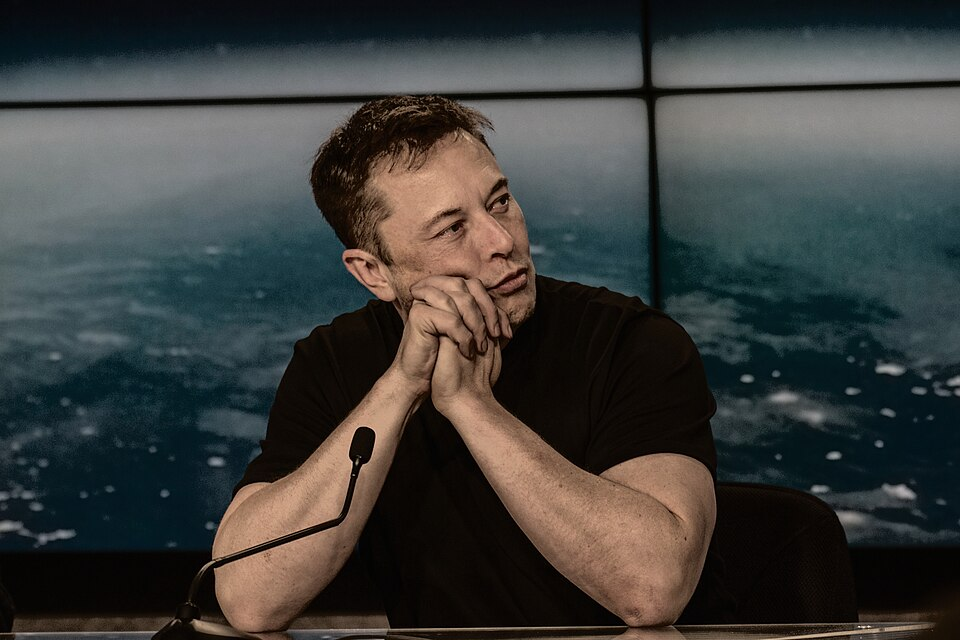
There is no denying that Musk helped build companies that changed major industries. Tesla pushed electric vehicles into the mainstream. SpaceX transformed private spaceflight. Starlink became a major force in satellite internet.
Still, the trillionaire headline lands differently in 2026. Many Americans are living in an economy where basic stability feels harder to reach. A single person crossing the trillion-dollar line may sound like innovation to some, but to others, it feels like a warning sign.
This is why the online reaction quickly turned skeptical. Instead of treating the news only as a business victory, many readers questioned what it says about power, taxes, wages, stock markets, and the future of inequality.
Most of the money is not cash.
One important detail is easy to miss. Musk does not have $1.1 trillion sitting in a bank account. Much of his fortune is tied to stock, ownership stakes, and market valuations.
That matters because stock-based wealth can rise or fall quickly. If SpaceX or Tesla shares drop, the number could shrink. If investors keep pushing those companies higher, it could grow even more.
But that does not make the wealth meaningless. Billionaires can often borrow against their stock, influence markets, fund major projects, buy companies, and shape public debate without selling everything they own.
SpaceX made the moment possible.
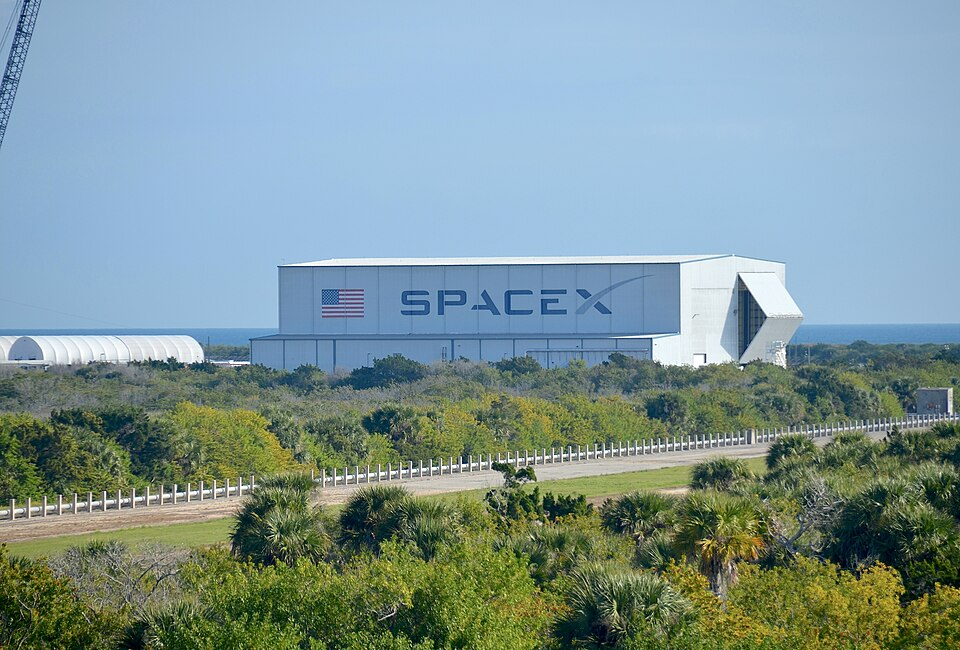
The trillionaire label became possible because of SpaceX’s public market debut. Forbes reported that Musk owns billions of SpaceX shares, along with stock options that added even more to the estimated value of his fortune.
That makes SpaceX more than a rocket company in this story. It is now the vehicle that pushed one man into a level of wealth the world had never officially seen before.
Supporters will argue that this is the reward for building a company that launches rockets, expands satellite internet, and competes in one of the most difficult industries on Earth. Critics will argue that no company, no matter how successful, should create that much personal wealth for one person while public needs remain so high.
The power question is bigger than the money.
The uncomfortable part of Musk’s trillionaire status is not just the number. It is the power attached to it.
Musk already controls or influences companies tied to cars, rockets, satellites, artificial intelligence, social media, and infrastructure. That kind of reach gives one billionaire a rare level of cultural, financial, and political influence.
A trillion-dollar fortune makes that concern even louder. It raises a simple question that will not go away soon: should any one person have that much control over industries that touch everyday life?
A historic milestone with a dark edge
Forbes’ declaration gives Musk a place in financial history. But history does not always celebrate wealth without asking what it costs or what it reveals.
To his fans, Musk’s trillionaire status proves that bold ideas can still create massive value. To critics, it shows that the modern economy rewards ownership far more than labor, and that the distance between billionaires and ordinary workers has become almost impossible to comprehend.
Either way, the headline is bigger than Elon Musk. It is about an economy where one person can become a trillionaire while millions of people wonder why their own hard work no longer feels like enough.
That is why this moment feels less like a clean victory lap and more like a warning flare.