Some popular breads look harmless, but many are made with refined flour, added sugar, sodium, and little fiber. Here are 15 breads that can be bad for your health when they become everyday staples.
Bread has a comfort-food reputation, and we understand why. It is warm, familiar, affordable, and easy to pair with almost anything. Still, some of the most popular breads can quietly undermine a healthy diet when eaten often, especially if they are made with refined flour, contain very little fiber, or have more sodium and added sugar than people expect. U.S. nutrition guidance continues to encourage whole grains over refined grains, and the FDA sets the Daily Value for dietary fiber at 28 grams, sodium at 2,300 milligrams, and added sugars at 50 grams for a 2,000-calorie diet.
The problem is rarely one slice of bread. The bigger issue is the kind of bread we eat every day, the portion size, and what comes with it. Breads, rolls, buns, and tortillas can add sodium to the diet because people eat them so frequently, and the American Heart Association lists breads and tortillas among common sodium sources in American diets.
White Sandwich Bread
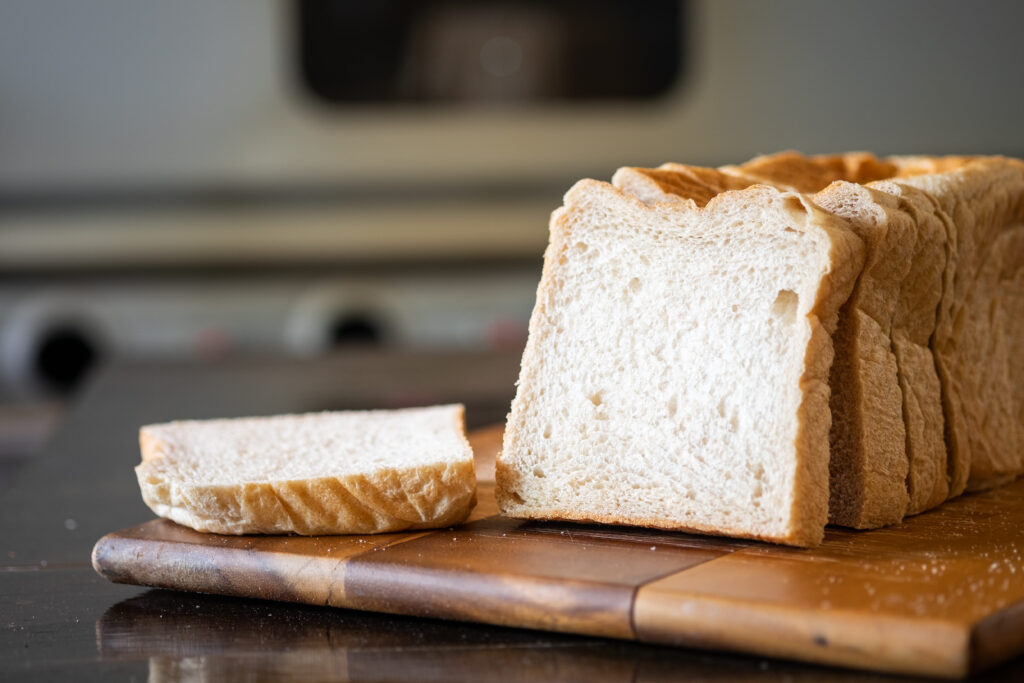
White sandwich bread is one of the most familiar breads in American kitchens, but it is also one of the easiest breads to overeat without getting much nutritional payoff. Most standard white bread is made with refined wheat flour, which gives it that soft texture and mild taste but often leaves it low in fiber compared with true whole-grain bread.
Since fiber helps support fullness and digestive health, a bread that delivers mostly refined starch can leave us hungry again sooner than expected. FDA labeling guidance lists dietary fiber as a nutrient to aim for, with 28 grams as the Daily Value for adults and children four years and older.
The health issue gets bigger when white bread becomes the base for daily toast, sandwiches, grilled cheese, and late-night snacks. A slice here and there is not the problem, but several servings a day can crowd out higher-fiber foods like oats, beans, fruits, vegetables, and whole grains. We should look for loaves that list “100% whole wheat” or another whole grain first, then compare fiber, sodium, and added sugar before choosing. That one label check can turn an everyday sandwich into a better meal.
Sweet Hawaiian Rolls
Sweet Hawaiian rolls taste soft, buttery, and slightly sugary, which is exactly why they disappear so quickly at dinners, cookouts, and holiday tables. The problem is that they often act more like a sweetened, refined-carb side than a fiber-rich grain choice.
When bread is soft, small, and sweet, portion control becomes harder because a single roll rarely feels like enough. The FDA defines added sugars as sugars added during processing, including syrups, honey, sucrose, and dextrose, and places the Daily Value at 50 grams per day on a 2,000-calorie diet.
These rolls also tend to appear alongside salty foods such as ham, sliders, barbecue meats, and creamy casseroles. That pairing can turn a small bread serving into part of a high-sodium, high-calorie meal. We do not have to ban them, but we should treat them like an occasional bread, not an everyday lunch staple. For regular meals, a whole-grain roll with more fiber and less added sugar is a smarter choice.
Brioche
Brioche feels luxurious because it is rich, tender, and slightly sweet. That richness usually comes from ingredients such as eggs, butter, sugar, and refined flour, which makes brioche more indulgent than a basic whole-grain loaf. It is popular for French toast, burger buns, bread pudding, and breakfast sandwiches, but those uses can quickly push it into dessert territory. The American Heart Association recommends choosing packaged foods with less sodium, added sugars, and saturated fat as part of a heart-healthy dietary pattern.
The real trouble comes from how brioche is used. A brioche bun with a burger, cheese, sauce, and fries can add softness and sweetness, but it does not add much fiber. Brioche French toast can become even heavier when topped with syrup, powdered sugar, whipped cream, or sweet spreads. If we enjoy brioche, it makes more sense as a treat than a default bread for breakfast and sandwiches.
Croissants

Croissants are technically a pastry-style bread, and that matters. Their flaky layers come from laminated dough, in which fat is folded into the dough to create the texture people love. That makes croissants very different from a simple slice of whole-grain bread. The American Heart Association encourages limiting saturated fat and choosing foods with less sodium and added sugar, especially in packaged and prepared foods.
Croissants can also create a “health halo” problem at breakfast. A plain croissant may look lighter than a big plate of pancakes, but it can still be calorie-dense and low in fiber. Fill it with processed meat, cheese, or sweet chocolate spread, and the meal becomes even heavier. For daily breakfasts, we are better off choosing a higher-fiber bread and adding protein-rich toppings such as eggs, nut butter, cottage cheese, or avocado in sensible portions.
Large Bagels
Bagels can be satisfying, but size is the issue. Many modern bagels are much larger than a standard bread serving, and one large bagel can deliver the refined-carb load of several slices of bread. If it is made mainly with refined flour and contains little fiber, it may not keep us full for long despite being calorie-dense. U.S. dietary guidance has long advised making at least half of total grains whole grains and limiting refined grains.
The toppings often make the bagel heavier. Cream cheese, butter, bacon, sausage, sweet spreads, and oversized deli fillings can turn a simple bagel into a high-calorie meal before we notice. A better approach is to choose a smaller whole-grain bagel, eat half with a protein-rich topping, or use thin whole-grain bread for weekday breakfasts. Bagels can still have a place, but they should not quietly become a daily refined-flour habit.
Cinnamon Raisin Bread
Cinnamon raisin bread sounds cozy and harmless, but many versions are closer to sweet breakfast bread than plain whole-grain bread. Raisins add natural sweetness, and many packaged loaves also contain sugar. That means the bread can taste good enough to eat plain, toasted with butter, or spread with jam, which can add a lot of sugar. The FDA requires added sugars to appear on the Nutrition Facts label, making it easier to separate naturally occurring sugars from sugars added during processing.
The health concern grows when cinnamon raisin bread replaces more filling breakfasts. Two slices with butter may taste satisfying at first, but a low-fiber sweet bread can leave us looking for another snack before lunch. We should compare labels and look for versions with whole grain as the first ingredient, higher fiber, and modest added sugar. If the bread tastes like dessert, it should probably be treated more like dessert.
Texas Toast
Texas toast is thick, soft, and often made from refined white bread. Because each slice is larger than regular sandwich bread, it can double the portion before we add anything else. Frozen garlic Texas toast can also add sodium and saturated fat through butter-flavored spreads, cheese, and seasonings. The FDA sets the Daily Value for sodium at less than 2,300 milligrams per day, and the CDC also recommends 2,300 milligrams per day as the upper limit for sodium for people ages 14 and older.
Texas toast often appears beside meals that are already heavy, such as pasta, fried chicken, barbecue, or steak. That makes it easy for the bread to become an extra source of refined carbs, salt, and fat rather than a useful part of the plate. We can still enjoy it occasionally, but it should not be the bread we rely on for regular sandwiches or breakfast toast. A thinner slice of whole-grain bread gives us a better everyday balance.
Garlic Bread
Garlic bread sounds simple because garlic itself is a flavorful ingredient, but packaged or restaurant garlic bread can become a sodium and fat trap. The base is often refined white bread, then butter, oil, cheese, and salt are added for flavor. The result tastes great, but it can easily turn into a side dish that adds calories without much fiber. The American Heart Association lists breads and tortillas among common sources of sodium, and sodium can add up quickly across a full day of meals.
The bigger issue is what garlic bread is usually eaten with. Pasta with sauce, pizza, lasagna, soup, and restaurant entrées may already contain sodium, so adding salty bread pushes the meal further out of balance. A healthier version starts with whole-grain bread, fresh garlic, herbs, and less olive oil. We still get the flavor, but we avoid turning a side dish into a salt-heavy habit.
Packaged Breadsticks
Packaged breadsticks may look small, but they can be easy to eat mindlessly. Many are made from refined flour and designed for long shelf life, which means they may contain added salt, oils, and other ingredients that make them crunchy, shelf-stable, and snackable. The main problem is that they are rarely filling enough to replace a balanced snack. Ultra-processed foods are often formulated for convenience and for repeated consumption, and higher exposure to them has been associated with poorer health outcomes in large reviews.
Breadsticks also tend to travel with dips, cheese boards, creamy spreads, and salty soups. That can make them part of a snack pattern that is heavy on refined carbs and sodium but light on fiber and protein. For a better snack, we can pair whole-grain crackers or whole-grain toast with hummus, tuna, avocado, or vegetables. The goal is not to remove crunch from our diet, but to make crunch more filling.
Hamburger Buns
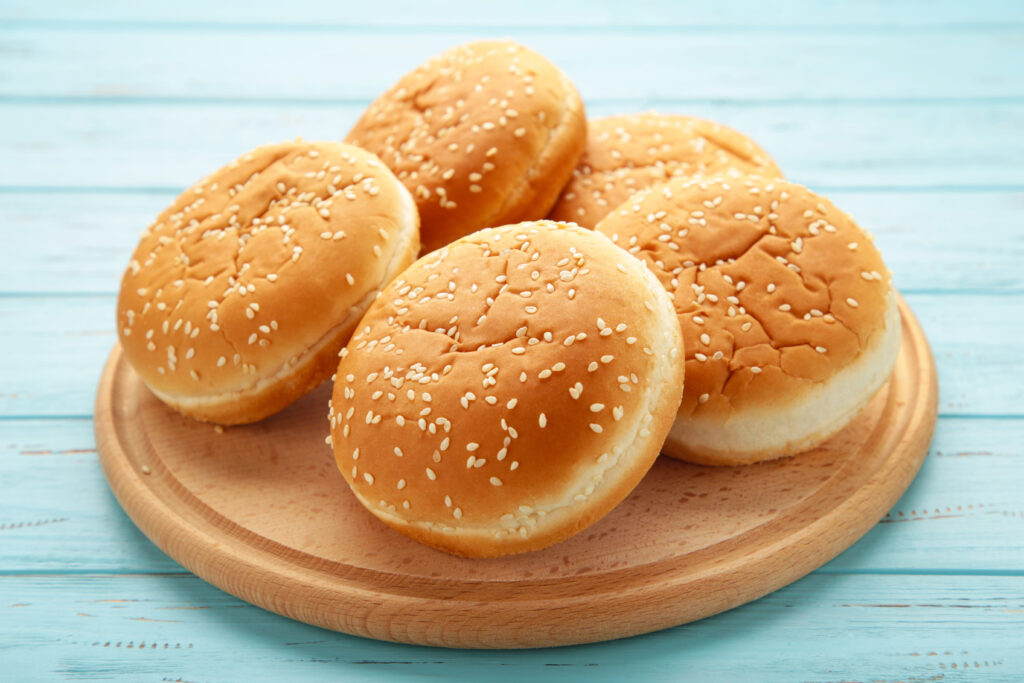
Hamburger buns are a good example of bread that seems small until we consider the full meal. Many standard buns are made with refined flour and may contain added sugar to create a soft texture and mild sweetness. On their own, they may not seem extreme, but they often come with burgers, cheese, sauces, fries, and soda. That combination can make the bun part of a larger pattern high in sodium, saturated fat, and refined carbohydrates.
The bun also matters because it can make a meal seem less filling than it actually is. A refined bun adds volume but little fiber. We can improve the meal by choosing a 100% whole-wheat bun, using one bun half open-faced, or swapping in lettuce and adding a fiber-rich side like beans or salad. If the burger is already rich, the bread should work harder to provide nutrition.
Hot Dog Buns
Hot dog buns have many of the same problems as hamburger buns, but the filling often makes the meal even saltier. A soft white bun, processed meat filling, and ketchup, mustard, relish, cheese, chili, or onions can quickly make a meal high in sodium. The American Heart Association identifies cold cuts and cured meats, sandwiches, breads, tortillas, and other prepared foods as sources of sodium in typical diets.
The bun itself may not be the saltiest item on the plate, but it helps normalize a meal built around processed ingredients. If we eat hot dogs occasionally at cookouts, that is different from making them a weekly dinner. A better move is to choose whole-grain buns when possible, keep toppings lighter, and serve the meal with vegetables or fruit instead of chips. The bread should not be the weakest link in an already salty meal.
Flour Tortillas
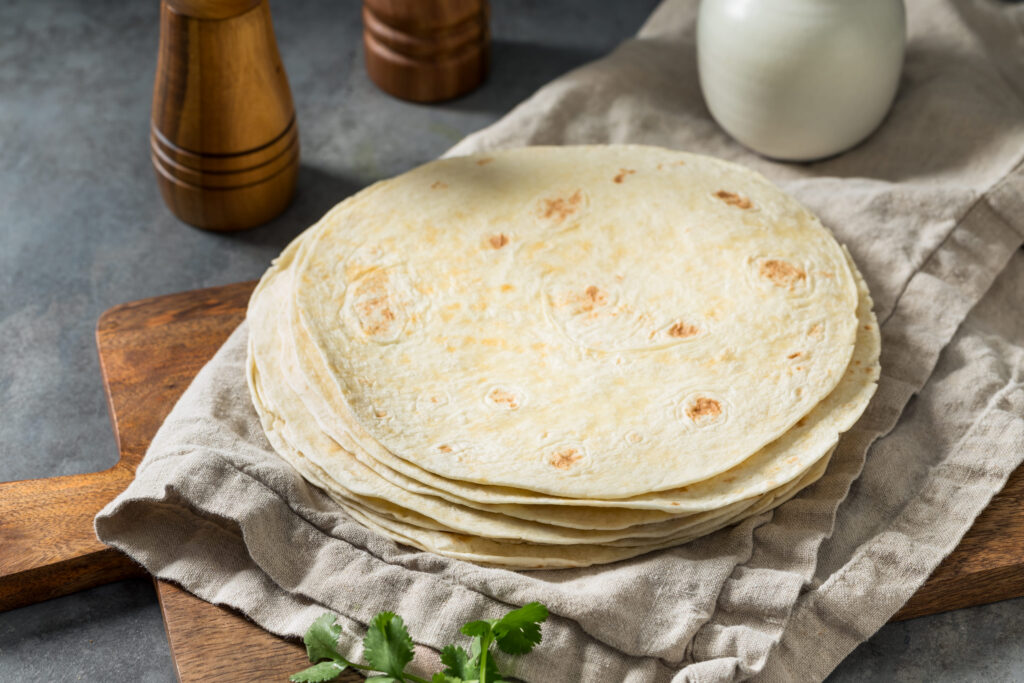
Flour tortillas and wraps often get marketed as lighter than bread, but that is not always true. Large wraps can contain more refined flour than two slices of sandwich bread, and some contain added oils and sodium to make them softer and more flexible. Because wraps look thin, people often underestimate their size. The FDA recommends using the Nutrition Facts label to compare sodium, fiber, and added sugars across packaged foods.
The fillings can make the wrap even heavier. Deli meats, cheese, creamy sauces, fried chicken, and large portions of rice can turn a wrap into a dense meal with little fiber. We should look for whole-grain tortillas with more fiber, choose smaller sizes, and fill them with lean protein, beans, vegetables, and lighter sauces. A wrap can be healthy, but only if the tortilla and filling both pull their weight.