Ukraine is preparing to ask its allies for a massive new round of emergency military funding, and the request could become one of the biggest tests yet of Western patience, unity, and political will.
According to reports, Kyiv is expected to seek $20 billion in additional defense support at the next Ukraine Defense Contact Group meeting, also known as the Ramstein format. The money would come on top of billions already pledged this year and would be aimed at helping Ukraine hold what officials describe as a narrow battlefield opening against Russia.
The timing is not accidental. Ukrainian officials appear to believe they have a chance to use drone strikes, air defense, and long-range pressure to weaken Russia’s war machine before winter changes the battlefield again.
Why Ukraine wants $20 billion now

Ukraine’s request is being framed as urgent because Kyiv believes the war has entered a fragile but important phase. Russian advances have reportedly slowed in some areas, while Ukrainian drone attacks have increased pressure on Russian logistics, supply routes, and energy infrastructure.
That does not mean Ukraine is claiming victory is close. It means Kyiv sees a limited window where more funding could help turn pressure into leverage.
The requested money would reportedly support air defense, drones, ammunition, electronic warfare systems, long-range capabilities, and purchases from Ukraine’s own defense industry. Those are not symbolic needs. They are the tools Ukraine says it needs to survive Russian attacks while also striking the systems that keep Moscow’s forces moving.
The battlefield has become a race for money.
The war has increasingly become a contest of production, speed, and funding. Ukraine has leaned heavily into drones because they can be produced and adapted faster than many traditional weapons systems.
That has changed the shape of the fight. Instead of relying only on tanks, aircraft, and artillery, Ukraine has used drones to hit supply lines, fuel networks, command posts, and energy assets far from the front.
But drones still require money, crews, parts, electronic protection, intelligence support, and constant upgrades. Russia is also adapting. That is why Kyiv’s argument is simple: the advantage may not last unless allies help pay to expand it quickly.
Allies may face another difficult funding debate.
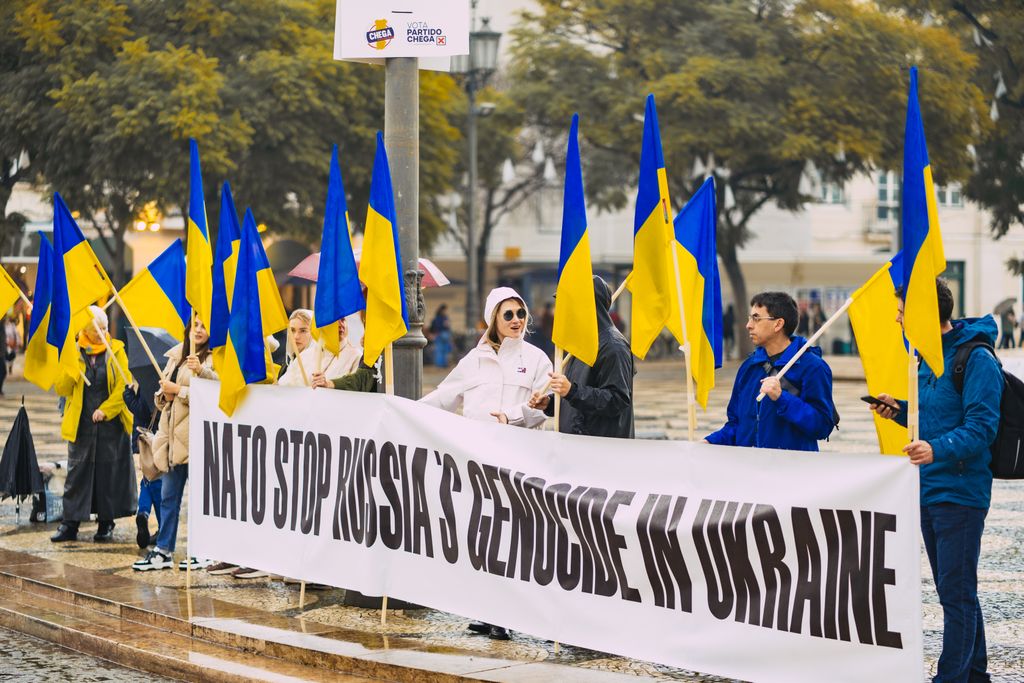
The request could put pressure on Ukraine’s biggest supporters, especially European countries that have already committed substantial aid. Reports suggest some allies could be asked to contribute between $2 billion and $6 billion each, either through direct aid or loans.
That will not be an easy political sell everywhere. Many countries are already dealing with defense spending pressures, voter fatigue, budget fights, and fears of escalation.
Still, Ukraine’s supporters may see the request as cheaper than allowing Russia to regain momentum. For Kyiv, the argument is that delay is dangerous. If Russia gets time to adjust, rebuild, and improve its own drone capabilities, Ukraine’s current opening could shrink fast.
Air defense remains one of the biggest needs.
Air defense is expected to be one of the top priorities if the funding comes through. Ukraine continues to face missile and drone attacks on cities, power infrastructure, military sites, and civilian areas.
Without enough air defense interceptors and systems, Ukraine risks losing both people and infrastructure faster than it can repair or replace them. That is why programs that help allies buy weapons for Ukraine from the United States have become increasingly important.
The request also appears tied to a broader NATO goal of increasing military support for Ukraine this year. If the additional $20 billion is approved, it would help move Kyiv closer to the larger support levels Western officials have discussed for 2026.
The bigger message to Russia
Beyond the numbers, Ukraine’s request sends a political message. Kyiv wants Moscow to believe that time is not automatically on Russia’s side.
Russia has long counted on Western division, slow decision-making, and public exhaustion to weaken support for Ukraine. A major new funding push would be intended to show the opposite: that Ukraine’s allies are still willing to bankroll a long fight if Russia refuses to engage in a serious peace process.
That message matters because diplomacy and battlefield pressure are now linked. Ukraine appears to believe stronger strikes and better defenses could force Russia toward negotiations under less favorable conditions for Moscow.
The risk if allies hesitate
The danger for Ukraine is that the request may expose limits in Western support. If allies delay, reduce, or reject the funding, Russia could read it as a sign that Ukraine’s backers are tiring.
That could encourage Moscow to keep grinding forward, even at a high cost. It could also weaken Ukraine’s ability to defend cities, protect troops, and maintain pressure on Russian logistics.
For Ukraine, the fear is not just running out of money. It is running out of time while Russia adapts.
What happens next
The June 18 Ramstein meeting could become a major moment for Ukraine’s 2026 war strategy. Kyiv is expected to push allies for fast commitments, not vague promises.
The central question is whether Ukraine’s partners believe this is a real battlefield opening worth funding immediately, or another expensive request in a war with no clear end in sight.
Either way, the $20 billion ask shows how high the stakes have become. Ukraine is not simply asking for help to hold the line. It is asking allies to fund a stronger push before Russia regains its footing.