When it comes to snacking and boosting your nutrient intake, nuts are among the most discussed foods. They’re crunchy, flavorful, and packed with things your body needs. But while they’re often branded as “superfoods,” not all nuts deliver health benefits in the same way or to the same degree. Some deliver wide-ranging advantages that extend beyond calories, while others simply fill nutritional gaps without much wider impact. If you’re choosing nuts as part of a health‑focused diet, it helps to understand what each brings to the table.
This guide breaks down seven of the most popular nuts and why they might not be as healthy as trendier food marketing claims, even though, in many cases, they still belong in a balanced eating plan.
Walnuts
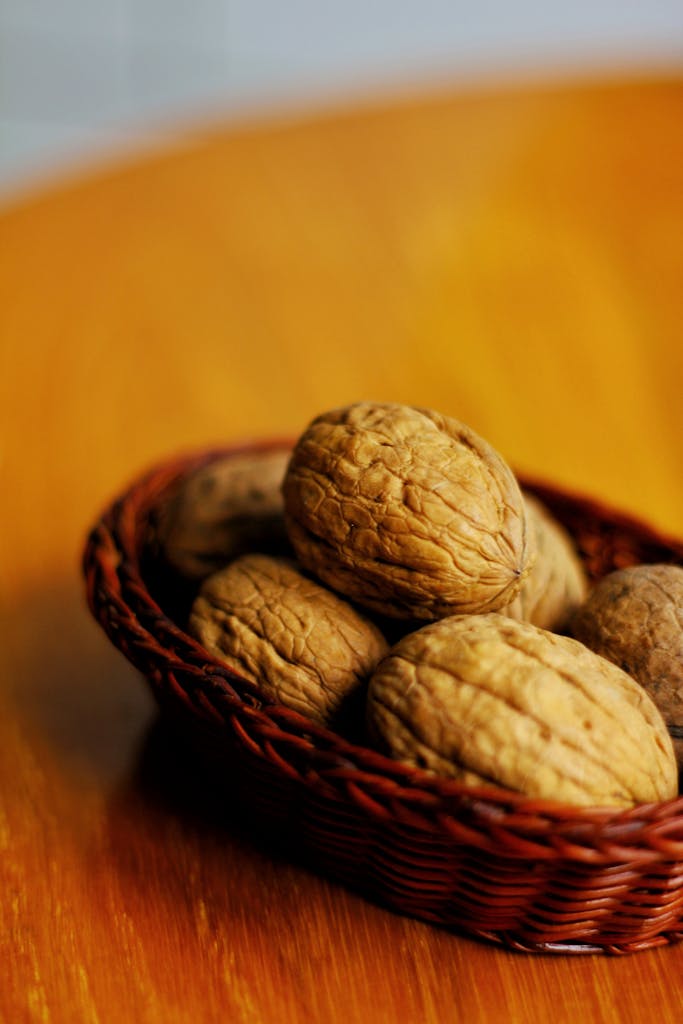
Walnuts are often front and center in health conversations because of their omega‑3 fatty acids, which support inflammation control and may help brain health and mood. But that doesn’t mean walnuts are a cure‑all.
Walnuts are high in healthy fat and calories, and while they offer benefits for heart health and cognition, they aren’t a standalone solution for weight loss or nutrition deficiencies. Their calories can add up quickly if you snack mindlessly, which may negate some of the benefits people expect. They also have a relatively low protein content compared with other nuts, so if you’re seeking to boost muscle protein intake, walnuts aren’t the best choice.
Still, including them in recipes like salads or oatmeal can add a boost of specific nutrients without overloading your diet.
Almonds
Almonds are widely labeled as “one of the healthiest nuts,” and for good reason: they contain antioxidants like vitamin E and minerals that support heart health and immunity. But despite the praise, almonds are often misunderstood as some sort of nutritional cure for everything from skin aging to weight loss.
While almonds help lower LDL (“bad” cholesterol) and promote a feeling of fullness, they aren’t inherently a weight‑loss food. The benefits you get from almonds still depend on your overall diet. Eating too many can easily add extra calories without replacing other nutrient sources. They’re nutritious, but they work best as one component of a balanced eating plan, not the star.
Brazil Nuts

Brazil nuts get attention because they’re one of the richest food sources of selenium, an essential mineral for thyroid and immune function. Just one or two Brazil nuts can meet your daily requirement.
But that’s precisely the challenge: Brazil nuts are so potent that eating too many can push your selenium intake past the safe upper limit. Excessive selenium consumption can cause side effects like digestive problems, hair loss, and nerve issues. So while Brazil nuts have a unique strength, they aren’t something to snack on by the handful. They’re nutrient‑dense in a way most nuts aren’t, but this concentration means you have to be careful, not careless.
Peanuts
Peanuts technically aren’t true tree nuts, but they’re almost always grouped with them because they behave like nuts in diets. They’re one of the most affordable, protein‑rich options available and contain beneficial B vitamins and minerals.
Yet peanuts also have a downside: many commercially sold versions are salted, roasted in oils, or coated with sugar, which diminishes their health value. Even natural peanut butter can hide added oils or sugars. You can get excellent protein and magnesium from peanuts, but choose minimally processed varieties to avoid extra sodium and calories that work against your health goals.
Additionally, peanuts are calorie‑dense, and eating large amounts without adjusting your overall intake can contribute to weight gain.
Pistachios

Pistachios are often praised because they contain a surprising amount of protein relative to other nuts, and a serving can help keep you feeling full longer. They’re also rich in potassium and nutrients linked to heart health.
However, that positive profile doesn’t give them a free pass to snack endlessly. Pistachios are high in calories and fats, even though those fats are mostly healthy unsaturated fats. Weight control still requires moderation. When pistachios are eaten in excess, their calories quickly stack up, potentially undoing the heart and blood sugar benefits they’re known for.
Eating pistachios in recipes or measured servings is smarter than munching them straight from the bag.
Pecans
Pecans are rich in antioxidants, which help protect cells from damage and support immune and brain health. They taste great and are commonly used in desserts, salads, and snack mixes.
But pecans also reveal one of the common pitfalls of nuts: they’re high in fats and calories but relatively low in protein compared with alternatives like almonds or peanuts. That means they satisfy your taste buds more than they satisfy nutritional needs like muscle repair or long‑term energy. Pecans can be part of a healthy diet, but they’re best used as a flavor enhancer rather than a primary protein source.
Pine Nuts
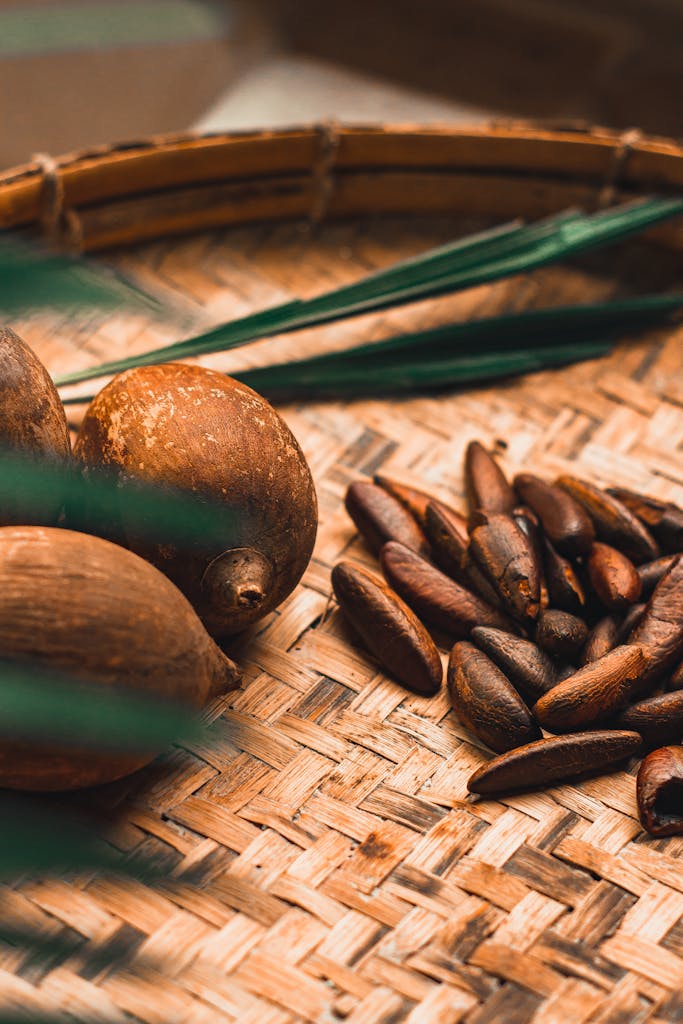
Pine nuts are valued for their unique flavor and high zinc content, which supports immune function. They’re often featured in pesto and Mediterranean dishes.
Despite their benefits, pine nuts aren’t practical for everyday snacking because they’re generally much more expensive than other nuts. They also pack plenty of calories and fat again, mostly the good kind, but their nutrient profile doesn’t dramatically outshine more affordable nuts like almonds or peanuts. In other words, you can get similar benefits from other nuts without spending as much.
How to Eat Nuts Wisely
Nuts are a nutrient‑dense food group that contributes healthy fats, fiber, and protein to your diet, but they aren’t miracle foods. Their calorie density means you must eat them with purpose. A small handful per day is often enough to deliver benefits without excess calories.
Here are some practical tips:
- Choose raw or dry‑roasted nuts without additives to avoid unnecessary salt and sugar.
- Pair nuts with other nutrient‑rich foods like fruit, yogurt, or leafy greens to balance your intake.
- Use nuts in cooking, sprinkle chopped nuts over dishes instead of snacking mindlessly from a bag.
- Measure your portions so your nut intake complements your goals, whether that’s heart health, weight management, or blood sugar control.
Nuts deserve a place in a healthy eating plan, but they’re not all equal, and they’re not cure‑alls. Understanding what each nut does and doesn’t do can help you choose smarter, eat better, and avoid the myth that more nuts always means more health.