Have you ever thought about what’s really happening under your kitchen sink? Installing a food disposal may seem like a convenient solution, but it’s not without its potential downsides. In fact, ignoring some of the hidden risks and complications could lead to costly repairs, unpleasant odors, and even environmental harm.
Hidden Plumbing Issues and Clogged Drains

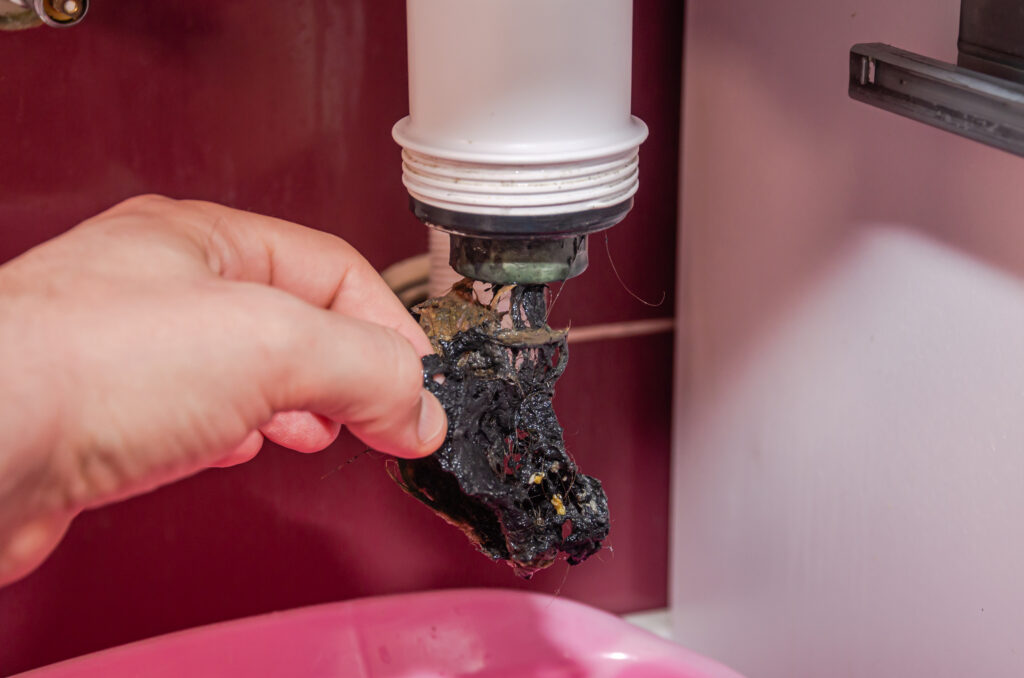
Food disposal units may seem like a quick fix for managing food waste, but the truth is, they can wreak havoc on your plumbing. The powerful grinding mechanism doesn’t always break down food waste as efficiently as you might think. Over time, this waste can accumulate in your pipes, leading to costly blockages. Plus, improper use, like grinding down fibrous or greasy foods, can accelerate clogging.
What Happens:
- Food scraps that aren’t properly ground can get stuck in your pipes.
- Leftover grease can solidify, making blockages harder to remove.
Costly Installation and Maintenance Expenses
Before you rush to install a food disposal unit, consider the hidden costs that come with it. From installation fees to maintenance, these units aren’t as affordable as they seem. Not only will you need to hire a professional plumber to install the unit, but ongoing maintenance, such as clearing out clogs or replacing worn-out parts, can add up quickly.
Financial Pitfalls:
- Professional installation adds to the upfront costs.
- Regular maintenance and potential repairs can drain your wallet.
Environmental Impact

You may think that sending food scraps down the drain is an eco-friendly choice, but that’s not always the case. While food disposals reduce the need for landfill space, they don’t eliminate waste. In fact, the energy required to pump waste through the sewage system can be harmful to the environment, especially if you live in an area without effective wastewater treatment plants. What’s more, heavy reliance on food disposal units can strain your local water treatment infrastructure.
Environmental Cost:
- Increased energy consumption in the sewage system.
- Higher strain on local wastewater treatment facilities.
Unpleasant Odors That Won’t Go Away
Think a food disposal unit will help you avoid smelly trash cans? Think again. While these units may grind up food waste, they don’t always eliminate the odors. In fact, leftover food particles can get stuck in the disposal, creating a breeding ground for bacteria. Over time, this can lead to foul smells wafting up from your sink, no matter how much you clean the unit.
The Smell You Can’t Shake:
- Bacterial growth in the disposal can cause persistent odors.
- Even routine cleaning doesn’t always eliminate lingering smells.
Pests and Germs in Your Plumbing System
Contrary to popular belief, food disposal units don’t always prevent pests. In fact, if the system isn’t properly maintained, it can become a feast for pests such as fruit flies, cockroaches, and rodents. These creatures are drawn to the trapped food particles inside the unit and plumbing system, making your home a target for infestations.
How It Happens:
- Leftover food attracts pests to your plumbing.
- A poorly maintained unit can invite bacteria and germs into your home.
Increased Water Consumption
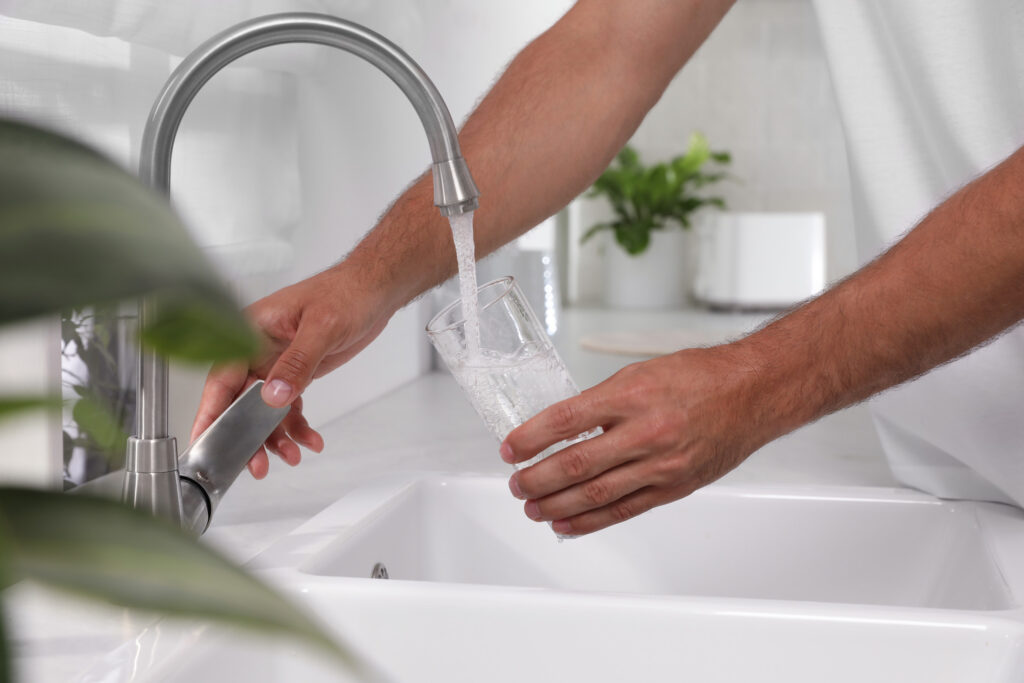
Many homeowners don’t realize that food disposal units increase water usage. To properly flush food waste through the system, the disposal requires a significant amount of water. If you’re on a water-conscious budget or in an area with limited water resources, this added consumption may not be worth the convenience.
Water Wastage:
- Disposals use more water to rinse food waste through the pipes.
- Over time, this can add up to a significant increase in your water bill.
While food disposal units offer convenience, they come with several potential drawbacks that could cost you more in the long run. From plumbing issues to environmental impact and unwanted pests, these systems aren’t as flawless as they may seem. Before deciding to install a food disposal unit, consider the hidden costs and potential problems that may arise.