Unwanted insects in your home aren’t always a sign of dirt or neglect; they’re often drawn to very specific conditions that many people overlook entirely. Bugs like ants, cockroaches, flies, silverfish, and gnats aren’t wandering aimlessly; they’re chasing food, humidity, warmth, and shelter. If you’re seeing more creepy crawlies than you’d like, chances are your house has one or more of these problem areas. Below are six surprising spots that commonly attract pests, along with how to fix them in a way that’s clear, practical, and tailored for long-term results.
Dark Storage Areas Like Attics and Closets
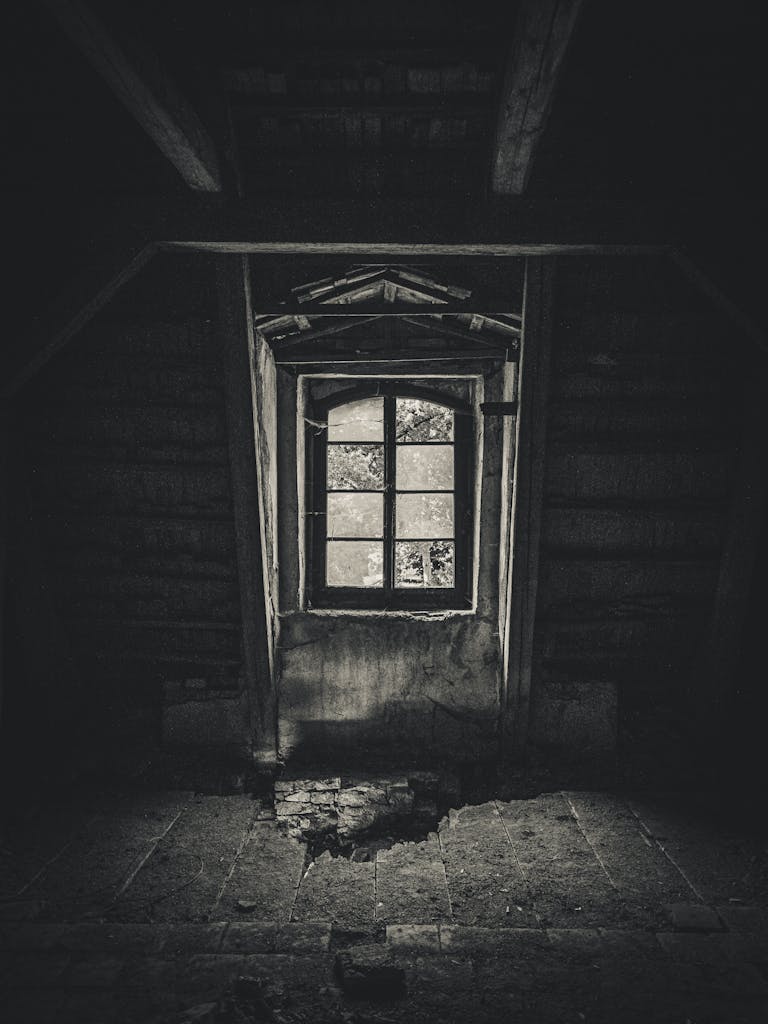
Attics, closets, and other low‑traffic storage spots are ideal for bugs because they’re quiet, undisturbed, and often overlooked during routine cleaning. Insects and even rodents will slip through small gaps, settle into cluttered boxes, and hide in forgotten corners where they won’t be disrupted. These spaces also tend to have fluctuating temperatures and varying humidity, conditions that many pests thrive in.
A few simple changes can make these areas far less appealing. Seal cracks and gaps around windows, rooflines, and access points. Remove unnecessary cardboard and paper, both of which are favorite hiding and breeding materials, and replace them with plastic bins that seal tightly. Regularly airing, inspecting, and vacuuming these spaces reduces moisture buildup and limits the quiet refuge pests seek.
Recycling and Trash Bins

Recycling and trash bins are often out of sight and out of mind until bugs start swarming around them. Even rinsing cans and bottles slightly before tossing them out can leave behind sugary residues that attract ants, flies, and wasps. Rotting food scraps in garbage bags also release scents that signal an easy meal to hungry pests.
Combat this by cleaning bins frequently. Rinse recycling containers with warm, soapy water; use a trash can liner; and empty refuse containers daily, if possible. For outdoor bins, consider adding a secure lid and rinsing weekly to prevent odors from building up. Keeping these containers spotless stops bugs from being drawn to food smells in the first place.
Moist Bathroom Fixtures
Bathrooms are a magnet for moisture‑loving bugs like drain flies, silverfish, and ants. Toothbrush holders, sink overflow drains, and damp towels create constant humidity and tiny pools of water, all things pests love. Even small amounts of leftover toothpaste or soap residue can give bugs enough nutrients to survive until they multiply.
Fixing this issue starts with breaking the moisture cycle. Wipe sinks and countertops dry after use. Use exhaust fans or open windows to improve ventilation, and ensure plumbing fixtures don’t leak. Clean toothbrush holders and drain covers regularly, and consider using a dehumidifier in bathrooms that stay damp. Reducing moisture eliminates the conditions that make these spaces irresistible to insects.
Houseplants With Sitting Water
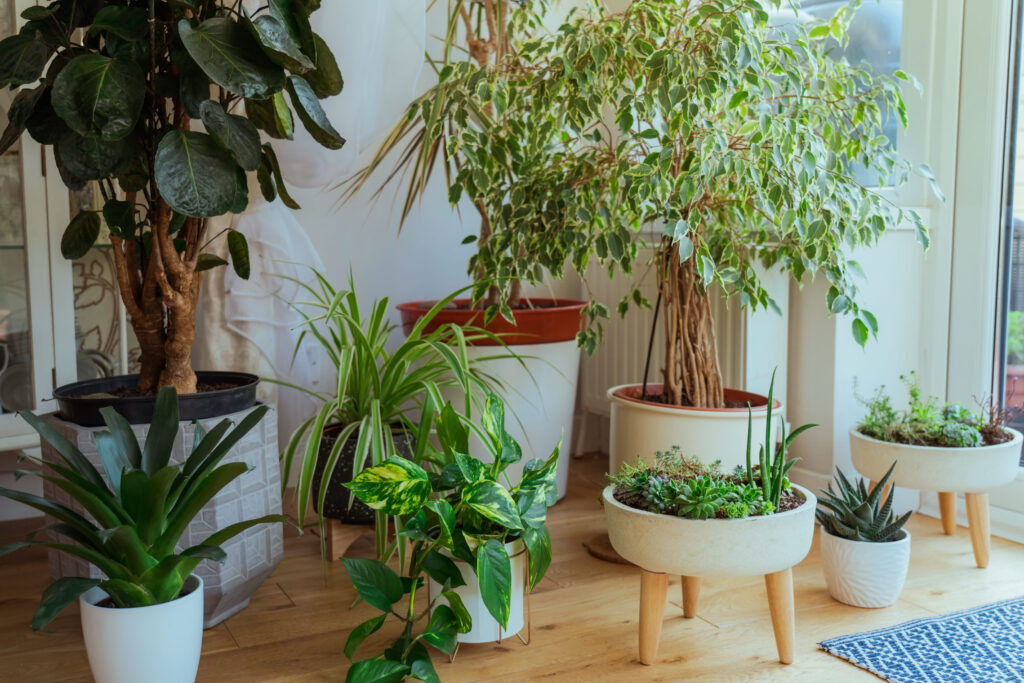
Indoor houseplants can transform a living space, but they also can unintentionally attract pests like fungus gnats or mosquitoes if the soil stays wet or the drip trays hold standing water. Bugs are drawn not just by the water but by decaying organic matter in wet soil, a perfect breeding ground.
To make plants less inviting to unwanted visitors, allow the soil to dry between waterings and empty plant saucers promptly. You can also topsoil with a layer of sand or decorative gravel, which helps prevent gnats from reaching the surface. Choosing a potting mix that drains well and maintaining proper plant hygiene go a long way toward avoiding infestations.
Kitchen Sinks and Drains
Kitchens are the heart of any home, and they’re also a primary target for bugs seeking food and moisture. Sinks and garbage disposals are hidden pockets of organic debris and water that insects like drain flies and cockroaches exploit. Food particles that slip down the drain stay moist and feed tiny larvae, encouraging repeated visits.
To reduce pest attraction here, make kitchen cleaning a priority. Scrub sink drains with a brush at least once a week and consider flushing with boiling water to dislodge buildup. Wipe down countertops nightly to eliminate crumbs, and don’t leave food scraps in open garbage or compost piles overnight. Proper storage of food items in sealed containers also removes the smell trails that signal a buffet for bugs.
Gaps, Cracks, and Entry Points Throughout the House

Some of the most common reasons insects get inside your home aren’t about food or water at all; they’re about access. Bugs can squeeze through tiny cracks around doors, windows, utility pipes, and even the foundation. Gaps in screens and torn weather stripping are open invitations for ants, spiders, and other pests.
Sealing these entry points is one of the most effective preventive actions you can take. Inspect exterior walls for cracks and holes and seal them with caulk. Replace worn weatherstripping on doors and windows, and repair torn screens. Ensure vents and crawl spaces are properly screened. By blocking the paths bugs use to enter, you significantly reduce the likelihood of infestation, no matter how welcoming the interior conditions are.
Conclusion
The common thread among all these problem areas is that bugs are looking for three basic things: food, water, and shelter. If your home unintentionally offers any or all of these, pests will come. Redirecting their focus starts with understanding why they’re drawn to specific places and then taking steps to change those conditions.
In many cases, small changes in cleaning habits and maintenance routines can yield big results. But if you find multiple pests persist despite your best efforts, it may be time to consult a professional pest control service to assess structural vulnerabilities and offer targeted solutions.
Making these six changes won’t just reduce bug sightings; it will improve the overall hygiene, comfort, and livability of your hom