Food is an essential part of our everyday lives, but beneath its surface, there’s a world of surprising, sometimes bizarre, and deeply fascinating facts.
From how coffee is produced to the science behind our favorite snacks, food has a lot more to reveal than we might initially think.
Prepare yourself for an intriguing journey as we explore 10 incredible food facts that will make you rethink what you know about your meals.
Coffee
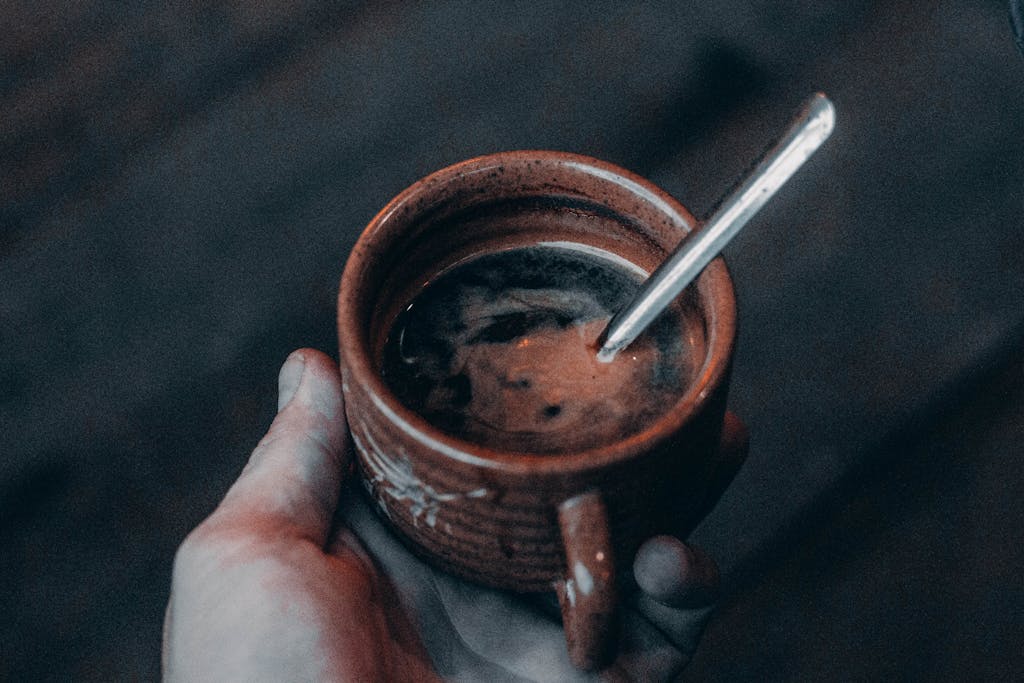
Kopi Luwak, also known as civet coffee, is the most expensive coffee in the world, priced at $120 to $600 per pound. But here’s the kicker: the beans are collected after they’ve passed through the digestive tract of a civet, a small mammal native to Southeast Asia.
The civet eats only the ripest coffee cherries, and its stomachs initiate a fermentation process that enhances the beans’ flavor profile. The beans are then collected from their droppings, washed, dried, and roasted, yielding a smooth, earthy coffee with unique characteristics that only this process can impart.
This strange method of coffee production leads to some serious luxury in your cup. Surprisingly, despite its price, Kopi Luwak is in demand worldwide, especially in Japan and the U.S. But let’s face it: how on earth did someone figure out that coffee beans taste better after going through an animal’s digestive system?
Camel Feast
The ultimate in extravagant feasts, the Bedouin camel dish is a spectacle in both size and complexity. Picture this:a whole camel is stuffed with a sheep, which is stuffed with chickens, which are filled with fish, and finally, eggs. This gigantic multi-layered dish, known as the “camel wedding feast,” is served at grand Bedouin weddings and other celebratory events.
The idea of stuffing one animal inside another to create a towering culinary masterpiece is a testament to the indulgent, celebratory nature of certain cultures.
While the exact origins of this feast are difficult to trace, it’s been documented for centuries, and it remains one of the most elaborate dishes ever created. The sheer size of the meal, which can feed up to 100 people, makes it the highlight of any gathering, with everyone coming together to marvel at the culinary spectacle before digging in.
Peanut Butter
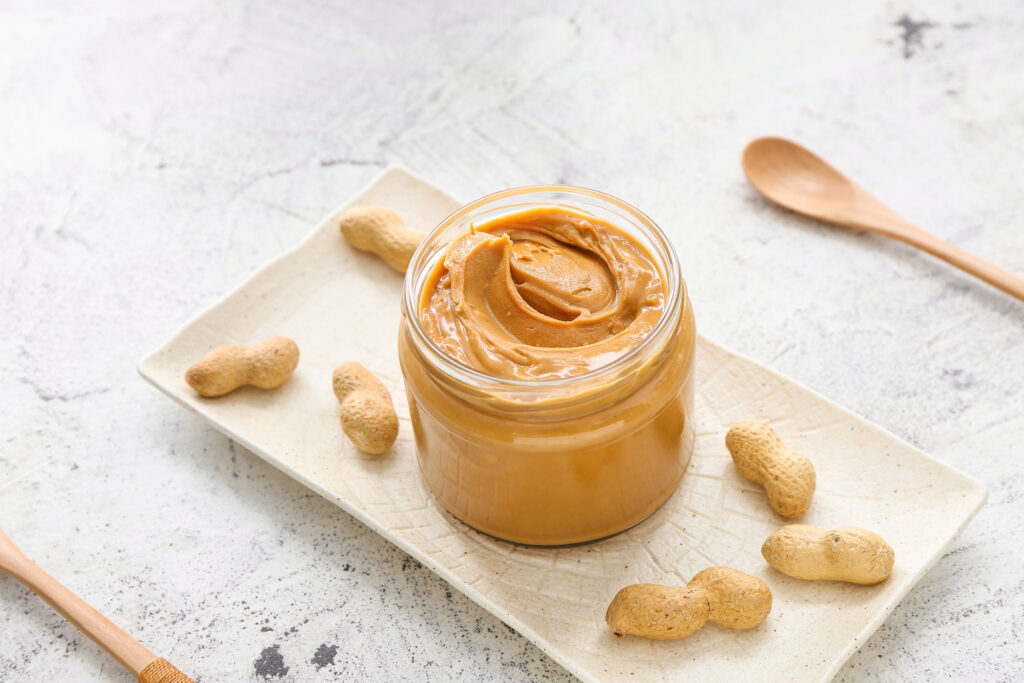
It might make you cringe, but the FDA allows certain levels of insect fragments and rodent hairs in your food. Specifically, peanut butter is permitted to contain up to 30 insect fragments and even one or more rodent hairs per 100 grams.
While the FDA considers this harmless, it’s still a little unsettling to think about the tiny, unavoidable contaminants that can make their way into our food. However, this isn’t unique to peanut butter; other food products, such as chocolate, grains, and even spices, are also allowed to contain similar trace amounts of insects and other pests.
The reason behind this? These levels are considered within the range of natural contamination that can occur during harvesting and processing. While most people are unaware, it’s a reality of food production that many of us have unknowingly accepted.
Still, it’s worth remembering that the food industry must meet strict health standards to ensure safety, even if the idea of insects in your snack isn’t the most appetizing thought.
Soup
The first known soup in history wasn’t made from chicken, beef, or vegetables; it was hippopotamus soup! Archeological evidence traces the origins of soup back to around 6000 BC, with early humans boiling hippopotamus meat in large pots.
It’s hard to imagine that such a deliciously simple dish could have started with such an unusual and exotic protein source. However, ancient peoples didn’t have access to the wide variety of vegetables and meats we enjoy today, so they had to make do with what they could find, and hippos were a prominent source of meat in some ancient cultures.
The fact that this early soup came from such a massive, aquatic mammal makes it both an interesting and slightly bizarre piece of culinary history. But it also shows how ancient people were resourceful and creative in feeding themselves, using whatever was available to nourish their communities.
Refried Beans
We’ve all heard the term “refried beans,” but most of us probably have it wrong. Contrary to what you might believe, refried beans are not fried twice.
The confusion stems from a mistranslation of the Spanish term “frijoles refritos,” which actually means “well-fried beans,” not “refried.” The beans are indeed fried only once, resulting in their signature smooth, creamy texture.
The name “refried” has led to much confusion, but now we can enjoy the truth behind the dish. It turns out that the delicious, hearty beans we love so much are simply fried to perfection, then mashed or blended to achieve the creamy consistency we crave. So, next time you’re enjoying a side of refried beans, know that you’re indulging in perfectly fried beans, not a double-fried treat.
Worcestershire Sauce
If you’ve ever tasted Worcestershire sauce, you know it packs a punch with its tangy, savory flavor. But did you know that it’s made from anchovies? The fish are soaked in vinegar until they break down completely, and their bones, along with the flesh, dissolve into the liquid. This fermented fish mixture is the key to Worcestershire sauce’s distinct umami taste.
Despite its fishy origins, Worcestershire sauce is a key ingredient in many dishes, especially in marinades and cocktails like the classic Bloody Mary. It’s fascinating how a product that originates from such a specific and pungent fish ingredient has become so widely used in kitchens around the world.
Popsicle
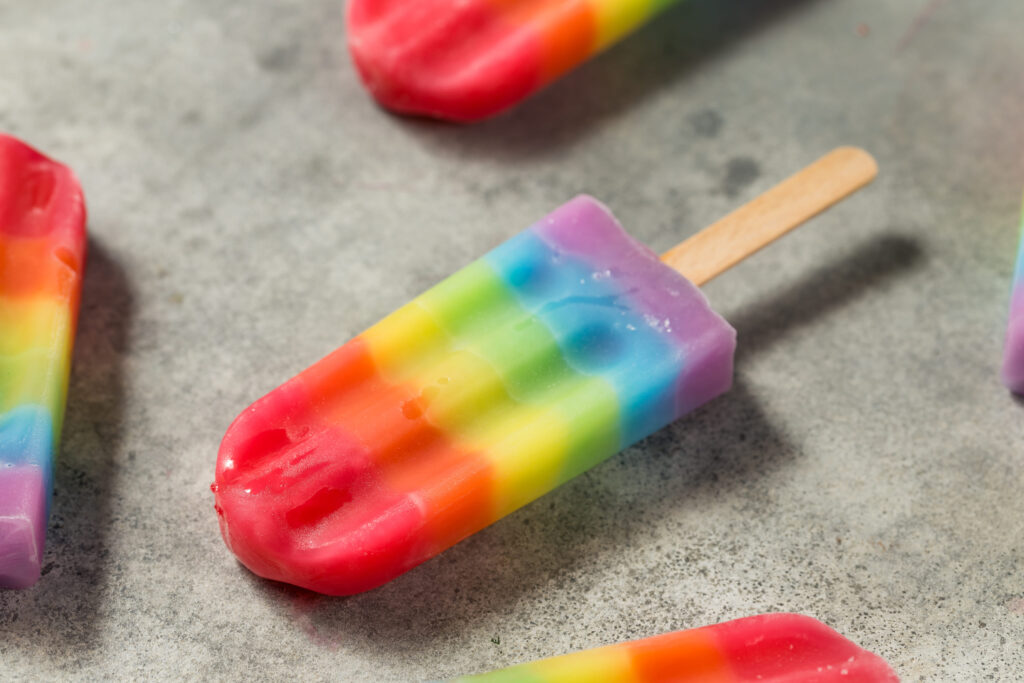
In 1905, Frank Epperson, an 11-year-old boy, unintentionally invented the Popsicle when he left a mixture of soda powder and water on the porch overnight.
With a stir stick in the mix, the freezing San Francisco night transformed the liquid into a solid treat. When Epperson woke the next morning, he was amazed to find that the treat had frozen to the stick, creating the first Popsicle.
At first, Epperson kept his invention a secret, but 18 years later, he patented the treat, calling it the “Popsicle.” His simple, accidental creation became one of the most beloved frozen treats in history. It’s a testament to the power of curiosity and the unexpected ways in which inventions can change the world.
Microwave Cooking
The microwave oven, as we know it today, was invented by accident. Percy LeBaron Spencer, an engineer at Raytheon, was working with radar equipment when he noticed that the chocolate bar in his pocket had melted.
Intrigued by this phenomenon, he began experimenting by placing popcorn kernels near the radar tube, and to his surprise, the kernels popped rapidly. This accidental discovery led to the creation of the microwave oven, revolutionizing cooking and food heating.
Today, microwave ovens are indispensable in kitchens around the world, making meal prep quick and convenient. Spencer’s accidental observation has forever changed how we cook, heat, and enjoy food.
Peanuts
Peanuts are more than just a tasty snack; they also have a surprising connection to dynamite. Peanut oil can be processed into glycerol, a crucial ingredient in the production of nitroglycerin, a compound used in dynamite.
While this connection may seem far removed from the peanuts we enjoy at picnics, it’s an example of how food ingredients can have fascinating industrial applications.
However, peanuts are not the only source of glycerol for nitroglycerin production. But this fact highlights the versatility of peanuts and the unexpected uses of everyday foods outside the kitchen.
Coconut Water
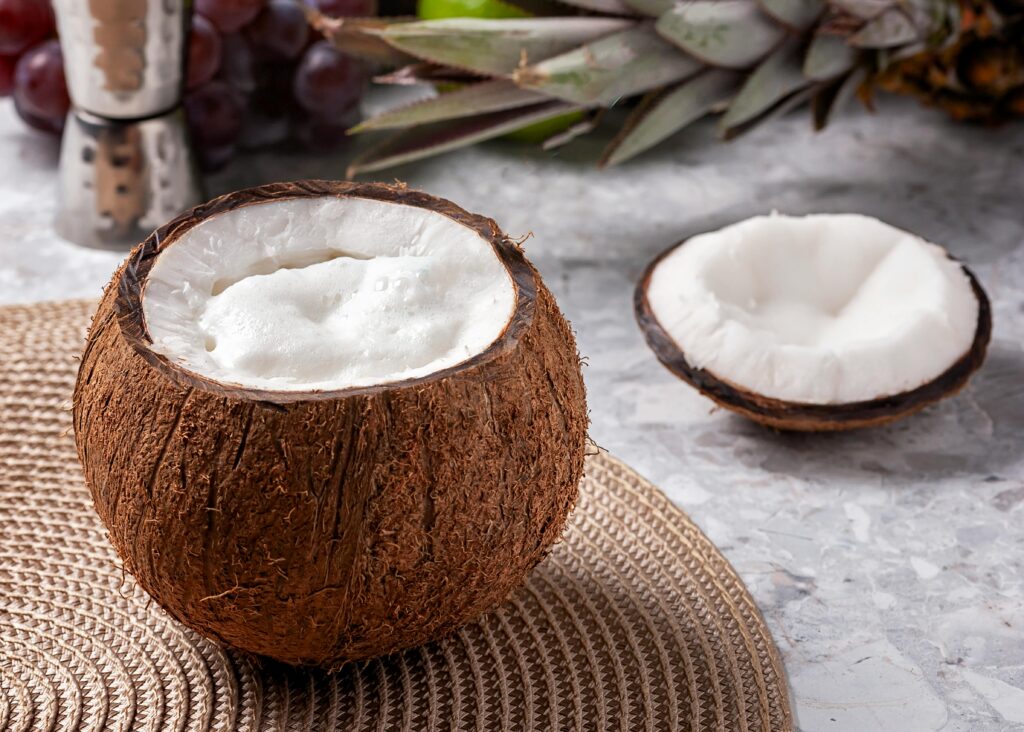
Coconut water is not just a refreshing beverage; in extreme emergencies, it can also be used as a substitute for blood plasma. Thanks to its sterile nature and pH balance, coconut water has been used in emergency situations where medical supplies are scarce. It’s even been used in some field hospitals during wartime to hydrate patients when no other fluids are available.
This surprising use of coconut water is a perfect example of how nature’s offerings can sometimes be lifesaving. Its nutritional value and ability to maintain fluid balance make it a true miracle liquid in extreme situations.