The microwave is a marvelous little machine when hunger hits, and patience runs out. It can rescue last night’s dinner in minutes, but it can also turn a perfectly good meal into a soggy, rubbery disappointment. Some leftovers simply lose their dignity the moment that spinning plate starts moving.
There is also a practical reason to be picky. The USDA says microwaves can heat food unevenly, leaving cold spots, which matters because leftovers should be reheated thoroughly to 165 degrees Fahrenheit. That means texture isn’t the only issue here; safety can be part of the story, too.
Pizza
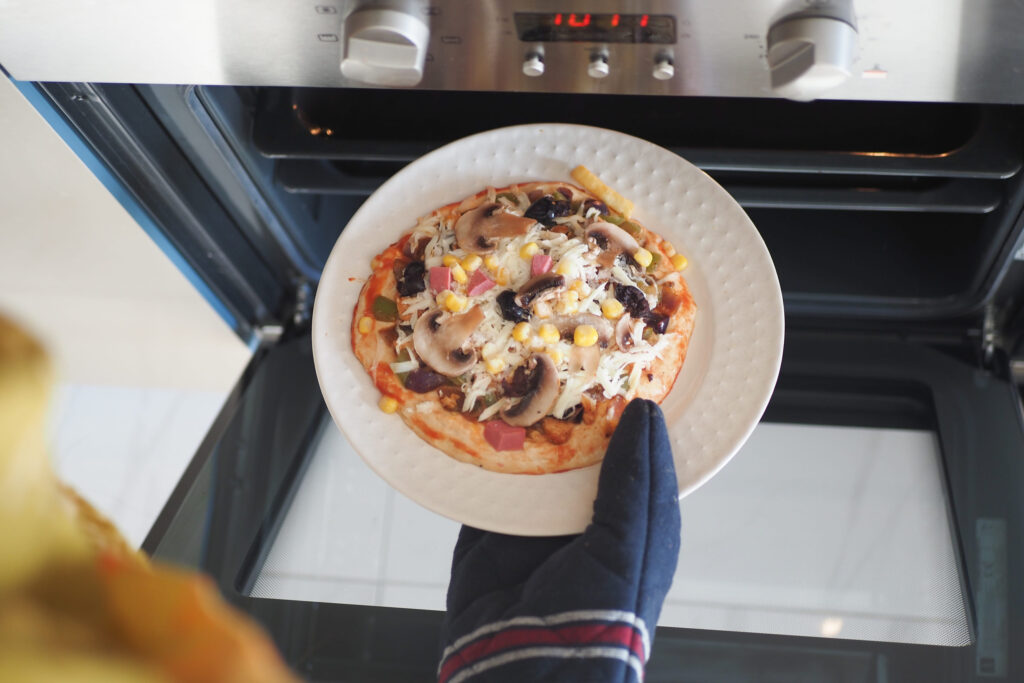
Microwaved pizza rarely tastes like a reward. The crust goes limp, the cheese turns oddly stretchy, and the sauce seems to steam the whole slice into submission. What should feel like a crisp, satisfying leftover ends up tasting tired before you even take the second bite.
Pizza does much better with dry, circulating heat. An oven, skillet, or air fryer gives the crust a fighting chance to stay crisp while the cheese melts properly. If you want leftover pizza to feel like a treat instead of a compromise, the microwave is not your friend.
Fried Foods
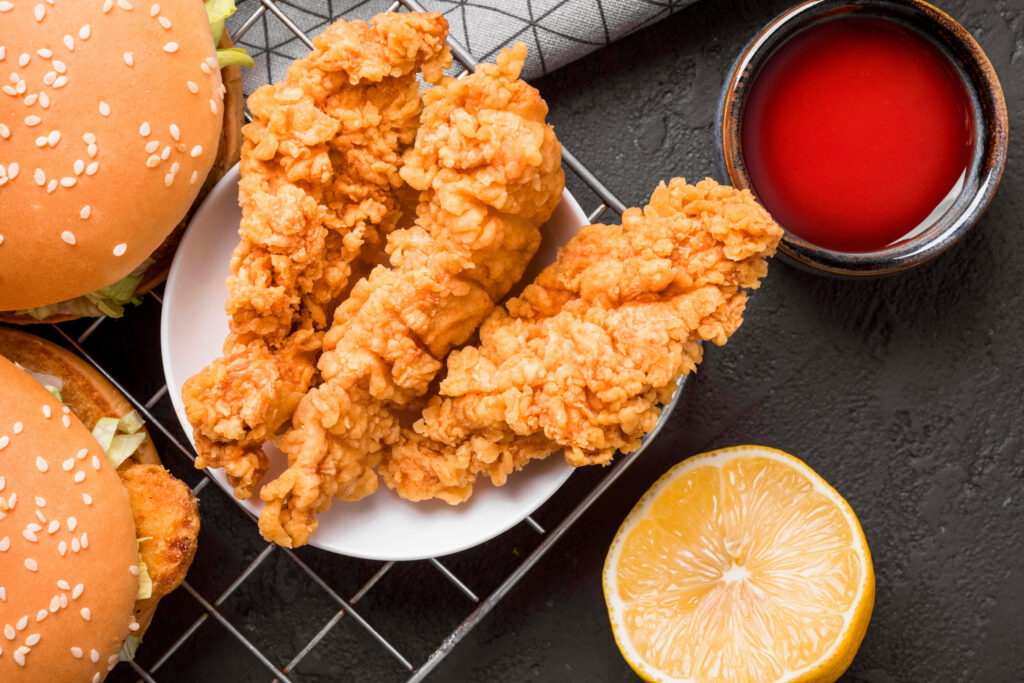
Fried foods and microwaves have never had good chemistry. Fries, fried chicken, and breaded fish tend to trap moisture when reheated this way, so that once-crunchy coating turns soft and greasy instead of golden and crisp.
That is exactly what makes fried food appealing in the first place: the contrast between the crisp outside and the tender inside. Once the microwave wipes out that texture, the magic is gone. A conventional oven or air fryer brings back far more of that fresh-cooked bite.
Hard Boiled Eggs
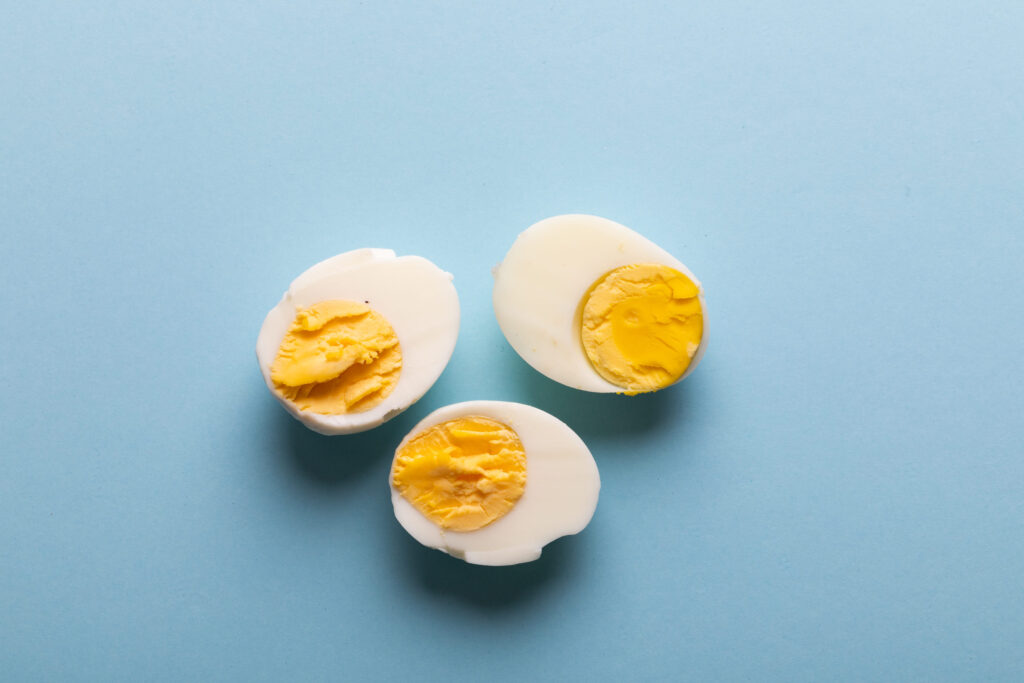
This is where the microwave stops being merely disappointing and starts being risky. Hard-boiled eggs can build up steam when reheated, and that pressure can cause them to burst. Michigan Medicine has specifically warned that microwaved hard-boiled eggs can explode and cause burns, including eye injuries.
That alone should be enough to retire this habit for good. If you want a warm boiled egg, gentler methods are the smarter choice. A quick warm-up in hot water is far less dramatic and far kinder to your face.
Creamy Pasta
Creamy pasta sounds like an easy leftover, but the microwave often ruins the sauce before the dish is evenly heated. Rich sauces can separate, oil can pool, and the noodles can swing from dry edges to scorching hot centers in the same bowl.
Instead of getting a silky second round, you get something patchy and overworked. Pasta with cream sauce is far better revived slowly on the stovetop, where a splash of milk or water can help bring everything back together. That approach respects the dish instead of punishing it.
Casseroles
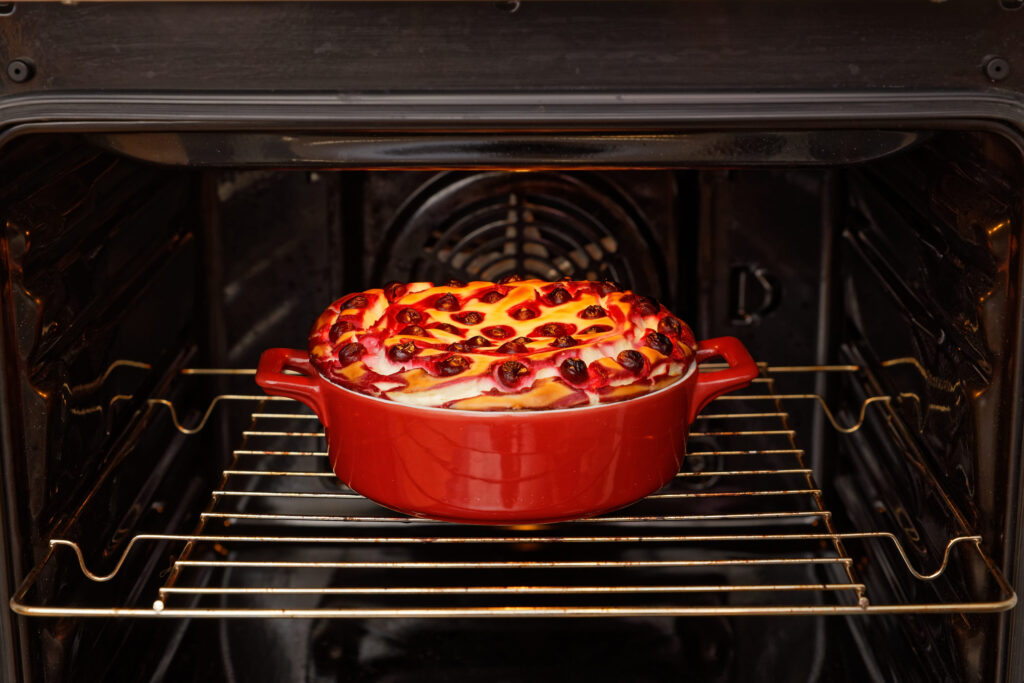
Casseroles may look sturdy, but they are surprisingly awkward in the microwave. Because they are thick and layered, the edges can become piping hot while the center stays cool, which is exactly the uneven reheating problem food safety experts warn about.
They also tend to suffer texturally. Crisp toppings soften, cheesy surfaces turn damp, and the whole dish can feel less like comfort food and more like a compromise. Reheating in the oven gives the center time to warm through without wrecking the top.