Dog parks can be joyful playgrounds for pups and owners alike, but casual mistakes can turn sunshine and tail wags into snarls, injuries, stress, or even bans. Knowing what not to do is just as important as knowing how to behave with your own dog.
Whether you’re a seasoned park regular or a first‑time visitor, these are the most consequential dog park mistakes people make, explained with clarity, nuance, and practical solutions so every trip to the park is safe, respectful, and enjoyable.
Entering Without Observing First

Too many owners rush inside without taking a moment to watch what’s already happening. Not all dogs play nicely, and chaotic energy or a dog fight in progress should be a red light, not a green one.
Smart Move: Pause outside the gate, assess general temperament, and only enter when the space feels calm and predictable.
Unleashing Your Dog Too Early

Dropping the leash before your dog is fully through the entry gate allows them to bolt into the play area, potentially toward danger or an overwhelmed dog.
Smart Move: Keep your dog leashed until you are well inside the double‑gated entrance, then release when the path is clear.
Ignoring Canine Body Language
Dogs communicate constantly through posture, ear position, tail carriage, and eye contact. Missing subtle tension cues, like stiff bodies, lip-licking, or avoidance, can lead to preventable altercations.
Smart Move: Educate yourself on canine cues. If your dog or another visibly freezes or tries to retreat, intervene calmly and promptly.
Letting Your Dog Chase or Jump Excessively

What looks like playful bouncing to you can feel harassing and overwhelming to another dog. Persistent jumpers and chasers stress out peers and quickly escalate conflicts.
Smart Move: Redirect your dog’s attention, encourage calm greetings, and set boundaries with early praise, composure, and as much play as possible.
Bringing Toys That Trigger Resource Guarding
Balls, ropes, and chew toys can be innocent at home but cause tense standoffs in the park. Dogs that normally play well can snap, growl, or become competitive around toys.
Smart Move: Leave toys at home or swap for neutral items like training treats that don’t turn into prized possessions.
Assuming All Dogs Are Friendly
A relaxed wag does not always mean welcome. Some dogs aren’t social, others are nervous, and some are recovering from trauma or poor experiences.
Smart Move: Allow nose‑to‑nose introductions slowly and only if both dogs exhibit calm, relaxed body language.
Forgetting Water and Hydration Gear
Dogs run, pant, and play intensely, and without your own water supply, they end up drinking from puddles or contaminated communal bowls that can harbor bacteria and parasites.
Smart Move: Bring a fresh bottle of water and a clean bowl for your dog to drink throughout the session.
Overlooking Your Own Supervision
A distracted owner is one of the biggest risks at the dog park. Browsing your phone, chatting, or walking away leaves your dog unsupervised when minutes matter most.
Smart Move: Stay present. Position yourself where you can see interactions clearly and intervene when necessary.
Neglecting Recall and Obedience Training
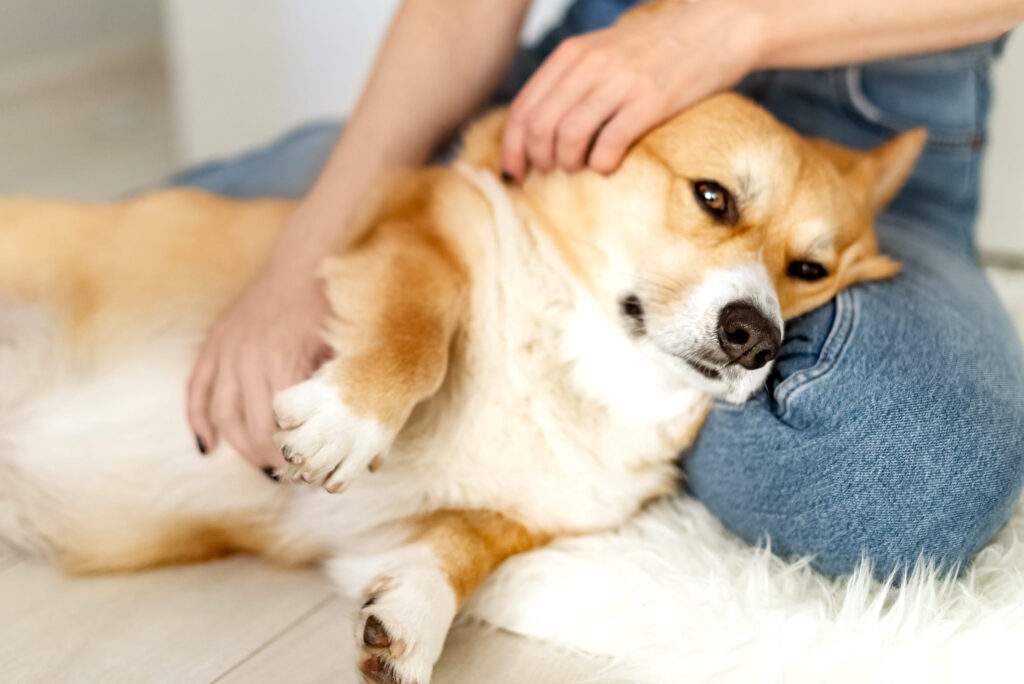
Off‑leash fun should not mean uncontrolled behavior. Dogs without solid recall often bolt, chase, or ignore corrections, creating chaos and posing a risk to everyone.
Smart Move: Prioritize basic commands like “come,” “sit,” and “leave it” in everyday training before relying on them in group play.
Failing to Manage Overstimulation
Some dogs thrive for a few minutes and then become overwhelmed, cranky, or overexcited. Ignoring these shifts leads to overreactions and potential fights.
Smart Move: Watch for signs of stress panting, avoidance, freezing, and give your dog breaks or leash time to reset.
Bringing Dogs That Are Unwell or Vaccination Status Unknown
Contagions like kennel cough, parasites, or skin conditions spread quickly in communal spaces. Bringing a sick dog puts others at risk and can lead to conflict or park restrictions.
Smart Move: Keep vaccinations up to date and follow quarantine recommendations if your dog has been ill.
Failing to Clean Up After Your Dog

This is more than rude; it’s unhygienic and disrespectful. Leftover waste compacts, spreads bacteria, and creates hotspots of aggression when dogs sniff or step in it.
Smart Move: Bring plenty of bags and dispose of waste thoughtfully in the provided bins.
Approaching Other Owners Aggressively
Telling someone how to handle their dog, especially in the heat of the moment, can escalate tension. Even well‑meaning comments can feel accusatory.
Smart Move: If necessary, approach calmly and respectfully, or address issues with park staff or community moderators.
Assuming Play Means Consent
Dogs who play one minute may feel intimidated the next. Play is a negotiation, and consent can be withdrawn at any time.
Smart Move: Read body language continuously; when play stops, intervene or create space before it escalates.
Leaving Without Positive Reinforcement
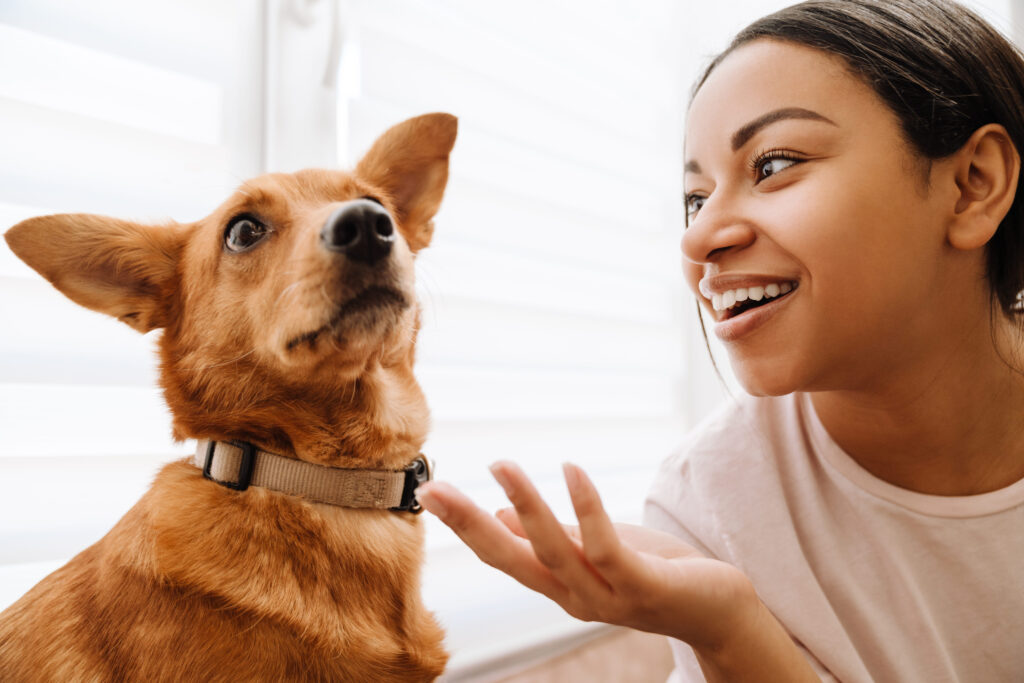
Dogs remember how experiences end, not just how they start. Leaving immediately after a negative interaction teaches anxiety or avoidance.
Smart Move: End visits on a positive note with treats, praise, calm leashing, and a brief walk, making the dog park feel like a good environment overall.